
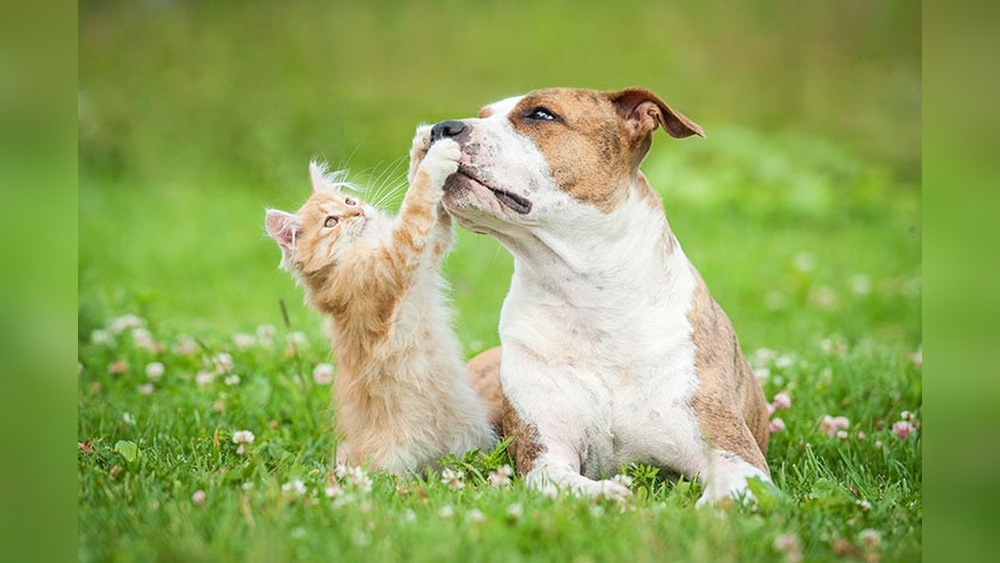
Are you wondering if your dog and cat can live happily together? Not all dogs react the same way around cats.
Some breeds naturally get along better, making life at home much smoother for you and your furry friends. Understanding which dog breeds are more likely to be friendly with cats can save you stress and help build a peaceful pet family.
Keep reading to discover which dogs may be the perfect companions for your cat—and how you can create harmony in your home.
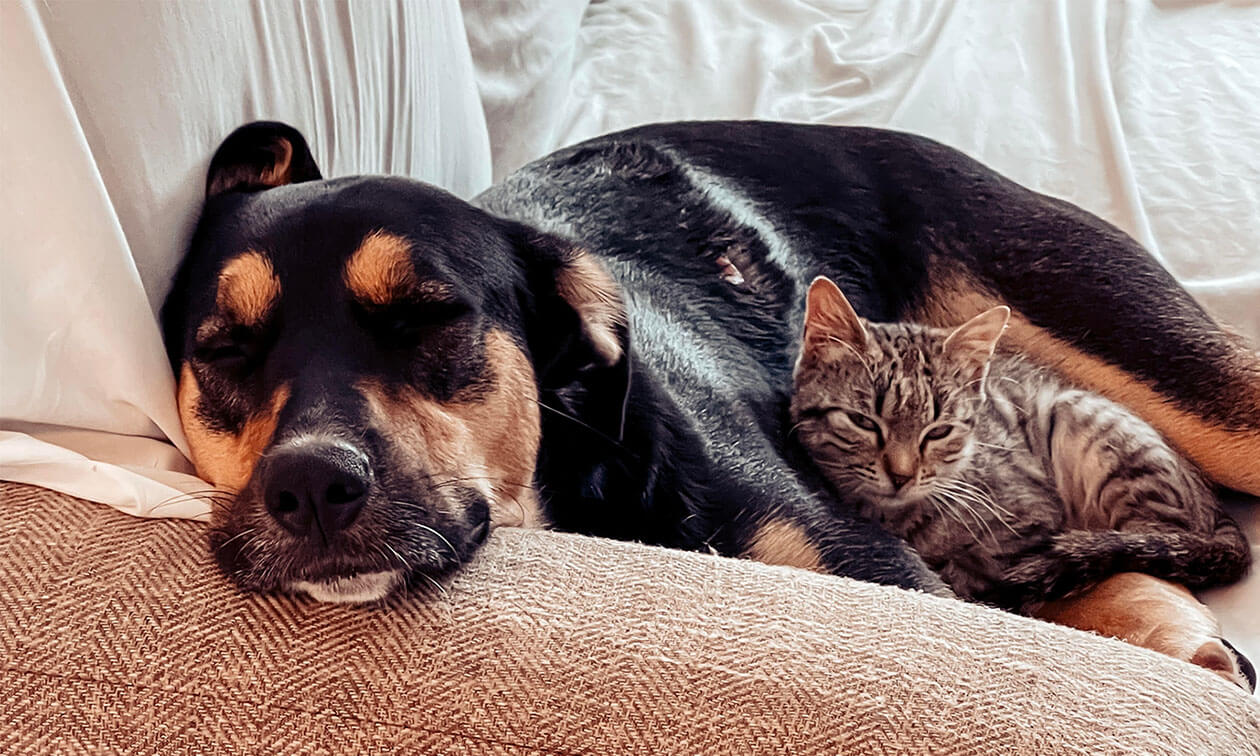
Credit: www.zoetispetcare.com
Traits That Help Dogs Get Along With Cats
Dogs and cats can live together peacefully. Certain traits in dogs help them get along with cats. These traits make the introduction easier and the relationship stronger. Understanding these traits helps choose the right dog for a home with cats.
Temperament Factors
Calm dogs often accept cats without stress. Gentle and patient dogs cause less fear for cats. Dogs that are not aggressive or dominant fit well with cats. A friendly attitude helps dogs and cats live together. Dogs that stay relaxed around new animals do better.
Energy Levels
Dogs with moderate energy match cats’ play style. High-energy dogs may scare or annoy cats. Low-energy dogs allow cats to feel safe. Balanced energy helps both pets enjoy shared spaces. Calm dogs avoid chasing or rough play with cats.
Socialization Importance
Early socialization teaches dogs to respect cats. Dogs meeting cats as puppies adapt easily. Training dogs to be gentle around cats is key. Socialized dogs understand cat body language better. Regular positive exposure reduces fear and aggression.
Top Dog Breeds That Usually Get Along With Cats
Some dog breeds tend to get along better with cats. Their nature and temperament make living with cats easier. These dogs usually show calmness and patience around feline friends. Understanding these breeds can help in choosing the right dog for a home with cats.
Labrador Retriever
Labradors are friendly and gentle dogs. They have a calm nature that suits cats well. Their patience helps them coexist with cats peacefully. Labs often enjoy the company of other animals.
Golden Retriever
Golden Retrievers are known for their kind hearts. They are gentle and social dogs. This breed usually welcomes cats into the family. Their easygoing attitude makes them good companions for cats.
Cavalier King Charles Spaniel
The Cavalier King Charles Spaniel is small and sweet. They are gentle with other pets, including cats. Their friendly personality helps them bond with feline friends. This breed adapts well to homes with cats.
Basset Hound
Basset Hounds are calm and laid-back dogs. Their slow, steady nature suits living with cats. They are not aggressive and prefer peaceful surroundings. Cats often feel safe around Basset Hounds.
Beagle
Beagles are curious and playful but gentle with cats. They enjoy social interaction and can be good friends with cats. Training helps Beagles respect a cat’s space. Their lively nature brings energy to the home.
Breeds That May Require Extra Caution
Some dog breeds may need more care around cats. Their natural instincts can make sharing space tricky. Knowing which breeds often show this behavior helps in managing their interactions. It prevents stress for both pets and keeps your home peaceful.
High Prey Drive Dogs
Dogs with a strong prey drive often chase smaller animals. Cats can seem like prey to them. Breeds like Greyhounds and Dobermans fit this group. Their fast reflexes make it hard to control chasing urges. Extra training and supervision are crucial for safety.
Terriers
Terriers are known for being bold and energetic. They love to hunt and dig, showing strong instincts. This can lead to chasing or rough play with cats. Jack Russell Terriers and Fox Terriers are common examples. Careful introductions and boundaries help build good relationships.
Herding Breeds
Herding dogs often try to control movement around them. They may nip or herd cats to keep them in line. Border Collies and Australian Shepherds are typical herding breeds. Their smart and active nature needs consistent training to respect cats’ space.
Tips For Introducing Dogs To Cats
Introducing a dog to a cat can be tricky. Both animals have different ways to communicate. Careful steps make their first meeting safe and calm. This helps build trust and reduce fear or aggression. Follow these tips to help dogs and cats get along well.
Controlled First Meetings
Start with short meetings in a quiet room. Keep the dog on a leash to control movements. Let the cat explore without pressure. Watch their body language closely. Stop if either pet shows signs of stress. Repeat these sessions daily to build comfort.
Positive Reinforcement
Praise both pets when they stay calm near each other. Offer treats to reward good behavior. Use gentle words and petting to encourage peace. Avoid yelling or punishment, as it causes fear. Positive feedback helps pets link each other with good feelings.
Safe Spaces For Cats
Give cats high places or separate rooms to retreat. These safe spaces help cats feel secure. Make sure cats can escape from the dog anytime. Avoid forcing cats to interact with dogs. A calm cat is more likely to accept a dog’s presence.
Training Techniques To Encourage Harmony
Training dogs to live peacefully with cats takes patience and care. Proper techniques help both pets feel safe and happy. Focus on clear, simple steps to guide your dog’s behavior. This approach builds trust and reduces stress for all.
Basic Obedience Commands
Start with commands like “sit,” “stay,” and “leave it.” These teach your dog to listen and control impulses. Use treats and praise to encourage good behavior. Consistent practice makes commands a natural habit. A well-trained dog respects the cat’s space more.
Desensitization Methods
Introduce your dog to the cat slowly and calmly. Begin with short, supervised meetings at a distance. Gradually reduce the gap as they get used to each other. Reward calm reactions and ignore excitement or aggression. This method lowers fear and builds positive associations.
Consistent Routine
Keep feeding and playtimes at regular hours. A steady routine gives pets a sense of security. Separate resting spots help avoid conflicts. Consistency teaches dogs what to expect around the cat. Predictable environments reduce anxiety and promote peace.
:quality(75))
Credit: manypets.com
Signs Of Stress Or Aggression To Watch For
Dogs and cats can share a home peacefully, but stress or aggression may arise. Knowing the signs helps keep both pets safe and happy. Watch closely for changes in how your dog acts or moves around the cat. Early detection can prevent serious problems.
Body Language Clues
Dogs show stress or aggression through their body. Look for stiff posture and raised hackles along the back. A fixed stare or direct eye contact with the cat often signals tension. Growling, snarling, or baring teeth are clear signs of aggression. Tail position also matters. A low or tucked tail may indicate fear, while a high, stiff tail can show dominance or threat.
Behavioral Changes
Changes in behavior can signal stress or aggression toward cats. Watch for sudden barking or lunging at the cat. Avoidance or hiding from the cat shows anxiety. Excessive licking or pacing may mean your dog feels uneasy. Sometimes, a calm dog might become restless or irritable. Notice if your dog guards food or toys more than usual. These signs reveal discomfort and possible aggression.
When To Seek Help
Professional help is needed if signs of aggression increase. If your dog bites or attacks the cat, act quickly. Persistent growling or chasing without calm moments needs attention. Trainers or vets can suggest safe ways to reduce stress. Early support helps pets live together peacefully. Do not ignore repeated signs of fear or aggression.

Credit: www.nylabone.com
Frequently Asked Questions
Which Dog Breeds Are Friendliest To Cats?
Breeds like Golden Retrievers, Beagles, and Basset Hounds are known to be more tolerant and friendly toward cats. These dogs generally have calm temperaments that help them coexist peacefully with feline companions.
Can All Dog Breeds Adapt To Living With Cats?
Not all dog breeds naturally adapt well to cats. Factors like temperament, socialization, and training influence a dog’s ability to live harmoniously with cats.
How To Introduce Dogs To Cats Safely?
Introduce dogs to cats gradually and in controlled environments. Use positive reinforcement and supervise interactions to ensure both pets feel safe and comfortable.
Do Small Dog Breeds Get Along Better With Cats?
Small dog breeds are not always better with cats. Behavior depends more on individual temperament and training rather than size alone.
Conclusion
Certain dog breeds tend to get along better with cats. Their calm and friendly nature helps build trust. Training and patience play a big role too. Each pet has its own personality and needs time. Choosing the right breed is just one step.
Creating a safe space for both animals matters most. Careful introductions can prevent many problems. A happy home means respect and understanding for all pets. Remember, love and attention help pets live well together.