
Are you worried about allergies but still dreaming of having a cat by your side? You’re not alone.
Many people love cats but hesitate because of sneezing, itchy eyes, or worse. What if you could find a cat breed that won’t trigger your allergies? Imagine enjoying cuddles without the sniffles or skin irritation. You’ll discover which cat breeds are considered hypoallergenic and how they might change your life.
Keep reading—you’re closer than you think to finding your perfect furry friend.
What Makes A Cat Hypoallergenic
Many people want a cat but worry about allergies. Some cats are called hypoallergenic. These cats cause fewer allergy problems. Understanding what makes a cat hypoallergenic helps you choose the right pet. It depends on the allergens cats produce and how these cats differ from others.
Common Allergens In Cats
Cat allergies come from proteins in a cat’s skin, saliva, and urine. The main allergen is called Fel d 1. It sticks to fur and skin flakes. When cats groom themselves, the allergen spreads. People breathe it in or touch it. This causes sneezing, itching, and watery eyes.
Allergens can stay in the air and on furniture. Some cats make more Fel d 1 than others. This affects how allergic a person feels. Understanding allergens helps find cats that cause fewer problems.
How Hypoallergenic Cats Differ
Hypoallergenic cats produce less Fel d 1. Their fur and skin release fewer allergy proteins. Some breeds also shed less hair. Less shedding means fewer allergens spread around. These cats may also groom less often, reducing saliva allergens.
Hypoallergenic cats are not allergy-proof. They just lower allergen levels. People with mild allergies often feel better with these cats. Choosing the right breed can make living with allergies easier.

Credit: www.thepioneerwoman.com
Top Hypoallergenic Cat Breeds
Some cat breeds cause fewer allergy problems than others. These cats produce less of the proteins that trigger allergies. They also shed less fur and dander. Here are some of the top hypoallergenic cat breeds that many allergy sufferers prefer.
These breeds offer a better chance to enjoy cats without strong allergic reactions. Each has unique traits and looks, but all share a lower allergy risk.
Siberian Cats
Siberian cats have thick, soft fur but produce fewer allergenic proteins. Their coat traps dander, reducing spread around the home. They are friendly, playful, and good with families.
Balinese Cats
Balinese cats are often called “long-haired Siamese.” They produce less of the Fel d 1 protein, which causes allergies. Their silky coat is easy to care for and sheds less.
Russian Blue Cats
Russian Blues have dense, short fur that holds dander close. They produce fewer allergy-causing proteins compared to other cats. These cats are quiet, gentle, and loyal pets.
Sphynx Cats
Sphynx cats have almost no fur, which means less dander spread. They need regular baths to remove oils and allergens from skin. These cats are social, active, and love attention.
Devon Rex Cats
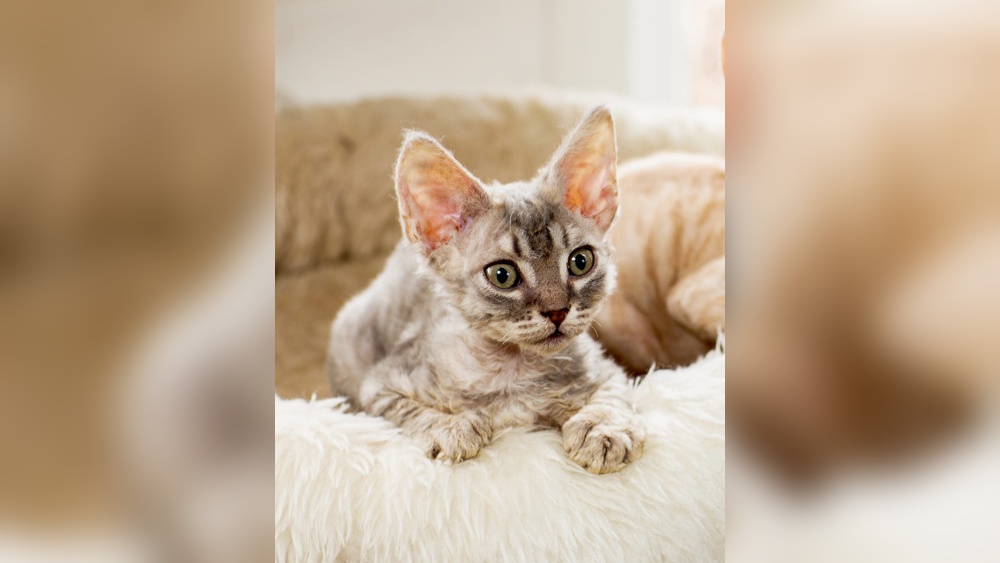
Devon Rex cats have short, curly coats that trap dander well. Their fur sheds very little, lowering allergy risks. They are playful and enjoy human company.
Cornish Rex Cats
Cornish Rex cats have soft, wavy fur and minimal shedding. Their unique coat reduces allergen spread in the home. These cats are lively, affectionate, and smart.
Traits That Reduce Allergens
Cats cause allergies mostly through proteins they produce. These proteins are found in their skin cells, saliva, and urine. Some cat breeds have traits that lower these allergens. Understanding these traits helps allergy sufferers find better pets.
Coat Type And Shedding
Cats with short or fine coats usually shed less. Shedding spreads allergen proteins around the home. Breeds with less shedding release fewer allergens into the air. Some cats have a single coat, which traps dander better. This reduces how much allergen escapes into the environment.
Grooming Habits
Regular grooming removes loose fur and dander. Some breeds groom themselves more often, keeping allergens low. Owners who brush cats daily help reduce allergens further. Baths can also wash away allergens on the fur. Grooming controls allergen build-up on the cat’s body.
Protein Levels In Saliva
Allergens come from a protein called Fel d 1 in cat saliva. Some breeds produce less of this protein. Lower Fel d 1 means fewer allergens spread during grooming. Cats that lick less often may spread less saliva too. Choosing breeds with low Fel d 1 helps reduce allergy symptoms.

Credit: www.thepioneerwoman.com
Living With Hypoallergenic Cats
Living with hypoallergenic cats offers a chance to enjoy feline companionship without strong allergic reactions. These cats produce fewer allergens, making life easier for sensitive individuals. Still, managing allergies takes effort and care. Creating a clean, comfortable space benefits both cats and their owners. Choosing the right breed ensures a happier home for everyone. The following tips help maintain a healthy environment with hypoallergenic cats.
Allergy Management Tips
Wash your hands after petting your cat. Avoid touching your face during playtime. Use allergy medicine if symptoms appear. Groom your cat regularly to reduce loose hair. Brush them outside to keep allergens out of the house. Keep your cat’s bedding clean and wash it often. Limit your cat’s access to your bedroom.
Cleaning And Home Environment
Vacuum floors and furniture frequently using a HEPA filter. Use air purifiers to reduce airborne allergens. Clean hard surfaces often with damp cloths. Remove clutter where dust and hair gather. Choose furniture materials that are easy to clean. Wash curtains and cushions on a regular basis. Keep litter boxes clean and away from common areas.
Choosing The Right Breed For You
Select breeds known for low allergen levels, such as Siberian or Balinese. Spend time with the breed before adopting. Notice how your body reacts to their presence. Consider cats with short or curly fur to limit dander. Remember, no breed is completely allergen-free. Find a breed that fits your lifestyle and allergy needs.

Credit: www.thepioneerwoman.com
Frequently Asked Questions
What Cat Breeds Are Considered Hypoallergenic?
Breeds like the Siberian, Balinese, and Devon Rex are often hypoallergenic. They produce fewer allergens, which helps reduce allergic reactions.
Do Hypoallergenic Cats Shed Less Than Others?
Yes, hypoallergenic cats usually shed less. This limits allergen spread, making them better for allergy sufferers.
Can Hypoallergenic Cats Prevent All Allergic Reactions?
No, hypoallergenic cats lower allergen levels but don’t eliminate allergies completely. Individual reactions may still occur.
How Do Hypoallergenic Cats Produce Fewer Allergens?
They produce less of the Fel d 1 protein, the primary allergen. Their saliva and skin oils contain fewer allergens.
Conclusion
Some cat breeds cause fewer allergy problems than others. These breeds produce less of the proteins that trigger allergies. Still, no cat is completely hypoallergenic. Spending time with a cat before adopting helps check your allergy response. Regular cleaning and grooming also reduce allergens in your home.
Choosing the right breed can make life easier for allergy sufferers. Enjoy the company of cats without constant sneezing or itching. Finding a good match takes patience but is worth the effort.