

Are you tired of finding cat hair on your clothes, furniture, and everywhere else? You’re not alone.
Many cat lovers worry about shedding when choosing a furry friend. But what if you could enjoy a cuddly companion without the constant mess? You’ll discover which cat breeds shed little to none. Knowing this can help you find the perfect pet that fits your lifestyle and keeps your home cleaner.
Keep reading to learn how to enjoy all the joys of having a cat—without the hassle of shedding.
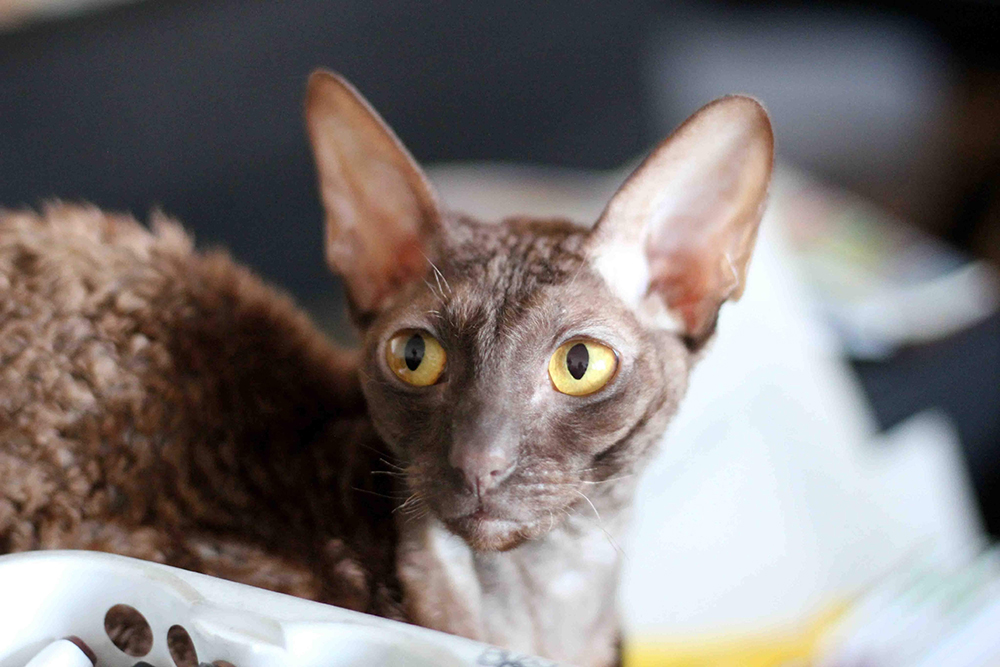
Credit: www.purina.com
Shedding Basics
Shedding is a natural process for all cats. It helps them get rid of old or damaged fur. Understanding shedding is important for cat owners. It explains why fur ends up on clothes and furniture. Some cats shed more than others, but all cats shed to some degree.
Shedding can change with the seasons. Cats usually shed more in spring and fall. This helps them adjust to temperature changes. Knowing the basics of shedding can help manage pet hair better.
Why Cats Shed
Cats shed to keep their coat healthy. Old fur falls out to make space for new growth. Shedding also helps control body temperature. In warm months, cats lose thick fur to stay cool. In colder months, they grow a thicker coat for warmth.
Stress, diet, and health can affect shedding levels. A healthy cat usually sheds a normal amount. Too much shedding may mean a health problem. Regular grooming helps remove loose fur and reduce shedding.
Impact Of Shedding On Owners
Shedding can be frustrating for cat owners. Fur can stick to clothes, furniture, and floors. It may cause allergies in sensitive people. Cleaning up fur takes extra time and effort.
Regular brushing can lower shedding around the house. Choosing the right cat breed can reduce the amount of fur. Understanding shedding helps owners prepare for pet care.
Traits Of Low-shedding Cats
Low-shedding cats have special traits that make them ideal for many pet owners. These cats lose less fur than typical cats. Their fur type and body features reduce shedding. Some breeds also cause fewer allergy problems. Understanding these traits helps in choosing the right cat for your home.
Coat Types And Shedding Levels
Coat type plays a big role in shedding. Cats with short, fine fur often shed less. Some have hair that grows slowly and falls out less. Others have curly or woolly coats that trap loose hair. These features keep the fur from spreading around the house. Cats with double coats usually shed more. Single-coated cats tend to lose less hair.
Hypoallergenic Qualities
Many low-shedding cats are also hypoallergenic. They produce fewer allergens that cause reactions. Allergens come from dander, saliva, and urine. Low-shedding cats release less dander. This reduces allergy symptoms in sensitive people. Some breeds are known for being better for allergies. Still, no cat is fully hypoallergenic. But low-shedding cats are easier to live with for allergy sufferers.
Top Low-shedding Cat Breeds
Many cat lovers worry about shedding. Some cats lose a lot of fur. Others barely shed at all. Low-shedding breeds are easier to clean up after. They also cause fewer allergies for some people. Here are some popular cat breeds that shed little.
Sphynx
The Sphynx has no fur, just soft skin. It feels warm and smooth to touch. This breed needs regular baths to stay clean. They do not shed fur, making them ideal for low-shedding homes.
Bengal
Bengals have short, dense fur that sheds very little. Their coat looks wild and beautiful. They need brushing once a week to stay shiny. Bengals are active and love to play.
Russian Blue
Russian Blues have short, thick fur. They shed much less than other cats. Their coat is soft and silver-blue. They enjoy quiet time and gentle petting.
Devon Rex
Devon Rex cats have curly, thin fur. This makes shedding almost unnoticeable. Their playful nature makes them great pets. They need gentle grooming to avoid tangles.
Siberian
Siberians have thick, long fur but shed less than expected. They have a water-resistant coat. Regular brushing helps keep shedding low. These cats are friendly and good with families.
Balinese
Balinese cats have silky, medium-length fur. They shed very little compared to other long-haired breeds. Their gentle and social nature makes them loving pets.
Care Tips For Low-shedding Cats
Low-shedding cats need special care to keep them healthy and happy. Their unique coats require attention to prevent hair buildup and skin problems. Simple steps can improve their comfort and reduce shedding further.
Grooming Needs
Brush low-shedding cats regularly with a soft brush. It removes loose hair and keeps their coat smooth. Bathing once a month helps clean their skin and fur. Check for any skin irritation or bumps during grooming. Grooming also builds a strong bond between you and your cat.
Diet And Health
Feed your cat a balanced diet rich in omega-3 and omega-6 fatty acids. These nutrients support healthy skin and reduce shedding. Fresh water should always be available. Regular vet checkups catch health issues that might cause extra shedding. Keep your cat active to promote good blood flow and coat health.
Environment Management
Keep your home clean to reduce cat hair on furniture and floors. Use air purifiers to capture loose hair and dust. Provide soft bedding that is easy to wash regularly. Control humidity as dry air can cause skin dryness and flaking. A calm environment lowers stress, which helps reduce shedding.
Choosing The Right Cat For You
Choosing the right cat means thinking about your home and habits. Cats have different needs and personalities. Some cats shed a lot, while others shed very little. Knowing what fits your lifestyle helps you enjoy your pet more. This section explores key points to guide your choice.
Lifestyle Considerations
Your daily routine affects what cat suits you best. Active people may like playful breeds that enjoy games. Quiet homes might benefit from calm cats that prefer resting. Space matters too. Small apartments fit smaller or less energetic cats. Think about how much time you have. Cats need love and care every day. Shedding also matters. Cats that shed less need less cleaning.
Allergy-friendly Options
Many people worry about allergies with cats. Some breeds cause fewer allergy problems. These cats shed less or produce less dander. Examples include the Sphynx and Russian Blue. Allergies can still happen, but these cats lower the risk. Spending time with a cat before adopting helps. It shows how your body reacts. Allergy-friendly cats make pet ownership easier for sensitive people.

Credit: petmedonline.com

Credit: www.thepioneerwoman.com
Frequently Asked Questions
Do Any Cat Breeds Shed Very Little Or Not At All?
Yes, some cat breeds like the Sphynx and Balinese shed very little or almost not at all. These breeds have unique coats that minimize shedding, making them ideal for allergy sufferers or those who dislike cat hair around the home.
Which Cat Breeds Are Best For Allergy Sufferers?
Breeds like the Siberian, Devon Rex, and Cornish Rex produce fewer allergens and shed less. Their low-shedding coats help reduce allergic reactions, making them suitable options for people sensitive to cat dander.
Can Hypoallergenic Cats Completely Eliminate Shedding Issues?
No cat breed is 100% hypoallergenic or completely non-shedding. However, hypoallergenic breeds shed less and produce fewer allergens, significantly reducing allergy symptoms and shedding problems for most owners.
How Often Should Low-shedding Cats Be Groomed?
Even low-shedding cats benefit from weekly grooming to remove loose hair and dirt. Regular grooming keeps their coat healthy, reduces shedding further, and strengthens the bond between pet and owner.
Conclusion
Some cat breeds shed very little, but no cat is fully non-shedding. Breeds like the Sphynx and Devon Rex have minimal fur loss. Choosing a low-shedding cat helps reduce allergies and cleaning. Remember, regular grooming also keeps shedding under control.
Each cat’s shedding varies with health and environment. Consider your lifestyle before picking a breed. Enjoy the company of a cat that fits your needs best.