
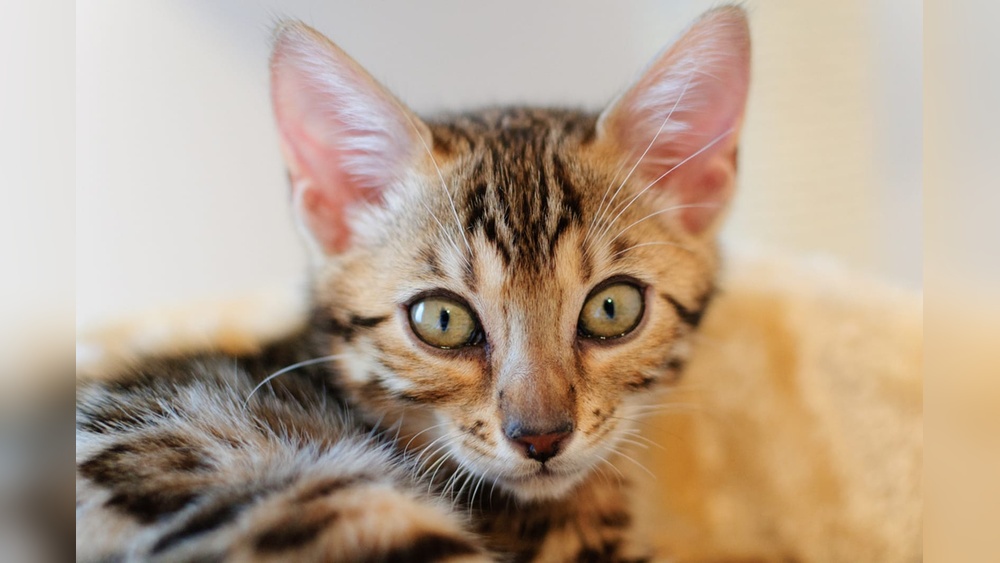
Have you ever wondered if different cat breeds can mix? Maybe you’re curious about what happens when a Siamese meets a Maine Coon or if your playful tabby could have a unique mix in its family tree.
Understanding how cat breeds blend isn’t just fascinating—it can help you learn more about your furry friend’s personality, health, and appearance. Keep reading, and you’ll discover surprising facts about cat breed mixing that could change the way you see your cat forever.
Cat Breed Basics
Cats come in many shapes, sizes, and colors. Each cat breed has unique traits. Understanding cat breeds helps you know more about their behavior and care. This section covers the basics of cat breeds. It explains what makes a breed and shows popular examples worldwide.
What Defines A Cat Breed
A cat breed is a group of cats with similar features. These include appearance, personality, and health traits. Breeds are created by breeding cats with specific qualities. Over time, these traits become consistent in the breed. Breed standards help keep these traits stable. They guide breeders to maintain the breed’s characteristics.
Physical traits like fur length, color, and body shape matter. Behavior traits such as friendliness or independence also count. Some breeds are known for being active, others calm. Breed traits help owners choose cats that fit their lifestyle.
Popular Cat Breeds Around The World
Some cat breeds are famous globally. The Siamese is known for its striking blue eyes and talkative nature. The Maine Coon is large and fluffy, with a gentle personality. Persian cats have long fur and a calm demeanor. They are popular for their beauty and quiet nature.
Other popular breeds include the Bengal, Scottish Fold, and Ragdoll. Each has distinct looks and personalities. These breeds appear often in homes and shelters worldwide. Knowing popular breeds helps you understand cat diversity better.
Mixing Cat Breeds
Mixing cat breeds happens naturally or through selective breeding. It creates unique cats with traits from both parents. Each mix can be different in looks and personality. Some mixed cats become popular pets worldwide.
Understanding how breeds mix helps cat lovers appreciate these special pets. Mixed breeds can combine the best traits of two or more cats. This variety adds to the charm and appeal of cats.
How Cat Breeds Can Interbreed
All domestic cats belong to the same species, Felis catus. This allows different breeds to mate and produce kittens. Breeds can interbreed naturally or with human help. The result is kittens with mixed features from both breeds.
Physical traits like fur color, pattern, and size can mix in many ways. Personality traits may also blend, making mixed cats unique. Breeders often choose mates to create specific traits or looks.
Common Mixed Breed Cats
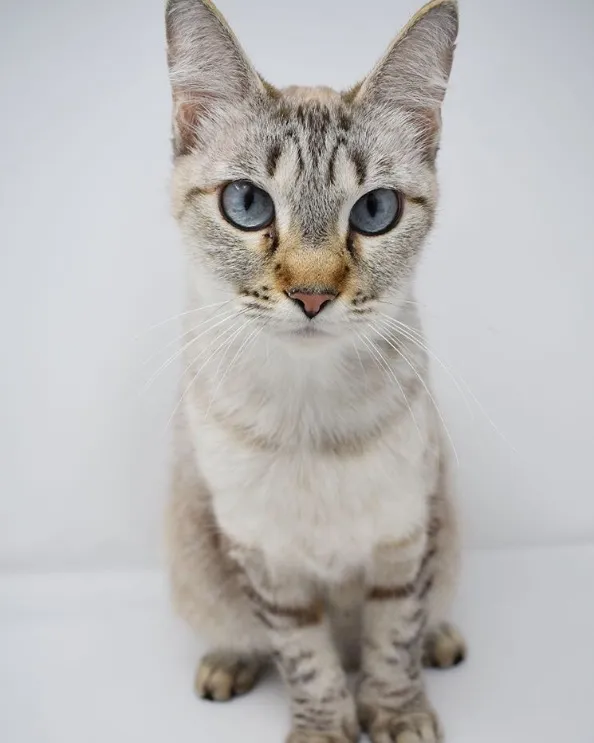
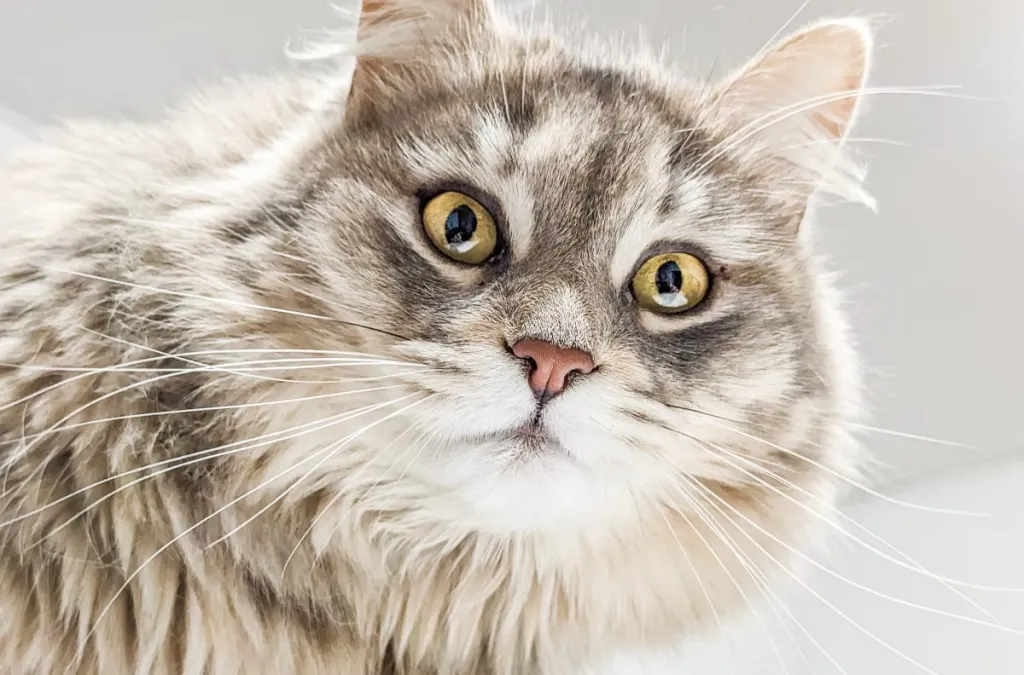
Many mixed breed cats live happily as pets. The Domestic Shorthair and Domestic Longhair are common mixed cats. They come in many colors and patterns. These cats are known for their friendly and adaptable nature.
Other popular mixes include Bengal crosses and Siamese mixes. These cats often have striking appearances and playful personalities. Mixed breeds can be healthy and live long lives with good care.
Genetics Behind Mixes
Cat breeds can mix because of genetics. Each cat has genes from its parents. These genes decide many things like color, size, and behavior. Understanding genetics helps us know what to expect in mixed breed cats.
Genes work in pairs. One gene comes from the mother and one from the father. Some genes are stronger and show up more. Others stay hidden but can be passed on.
Traits Passed Through Genes
Many traits come from genes. Fur color and pattern are common. Some cats have long hair, others short. Eye color also comes from genes. Behavior traits, like playfulness or shyness, can be inherited too. Genes mix in many ways, creating unique cats.
Predicting Appearance And Behavior
Predicting a mixed cat’s look is hard. Parents’ genes combine in different ways. A kitten might look like one parent or both. Behavior can also vary. Some traits show early, others later. Mixed cats can surprise with their traits.

Credit: www.reddit.com
Health Implications
Mixing cat breeds can affect a cat’s health in many ways. Understanding these effects helps owners provide better care. Health impacts depend on genetics and breed traits. Knowing the benefits and risks supports smart choices for your cat’s well-being.
Benefits Of Mixed Breeds
Mixed breed cats often have stronger immune systems. They inherit diverse genes that reduce the chance of inherited diseases. This variety can lead to fewer health problems overall. Mixed breeds tend to live longer than purebreds. Their genetic diversity helps fight off illnesses better.
Potential Health Risks
Mixed breeds can still inherit health issues from parent breeds. Some diseases can pass down even through mixed genetics. Knowing the health history of parent cats is important. Certain breed mixes may have specific risks, like joint problems or heart issues. Regular vet check-ups help catch problems early.
Ethics And Breeding
Ethics play a big role in breeding cats. It is important to think about the well-being of animals. Breeders must put the cats’ health and happiness first. Breeding should not cause harm or stress to the cats.
Mixing cat breeds can be interesting, but it must be done responsibly. Careful planning helps avoid problems with health or behavior. Ethical breeders follow rules that protect cats and support good breeding habits.
Responsible Breeding Practices
Responsible breeders select cats with good health and traits. They test for genetic diseases before breeding. This helps reduce health risks in kittens. Breeders keep cats in clean and safe places. They provide proper food, shelter, and medical care.
Breeders also match cats with good temperaments. This creates friendly and well-behaved kittens. They avoid breeding cats with known health problems. Responsible breeding improves the cat breed over time.
Avoiding Overbreeding
Overbreeding can hurt cats physically and mentally. Cats need time to rest between litters. Breeders must limit how often a cat has babies. This protects the mother cat’s health and energy.
Too many kittens can also cause stress. It is better to breed fewer kittens with good care. Avoiding overbreeding helps maintain strong and healthy cats. Ethical breeding respects the needs of each cat.
Credit: cattime.com
Adopting Mixed Breed Cats
Adopting mixed breed cats can be a rewarding experience. These cats often have unique personalities and traits. They bring joy and companionship to many homes. Mixed breed cats can be healthier due to diverse genetics. They adapt well to various living situations. Giving a home to a mixed breed cat saves a life. Each cat has its own story and charm. Understanding how to care for them is important for their well-being.
Where To Find Mixed Breed Cats
Animal shelters are a great place to find mixed breed cats. Many cats of different breeds come to shelters every day. Rescue groups also care for mixed breed cats waiting for homes. Local pet adoption events sometimes feature mixed breed cats. Online adoption websites list cats available near you. Visiting these places helps you meet cats face-to-face. It allows you to choose a cat that fits your lifestyle. Adopting from shelters reduces the number of homeless animals.
Caring For Mixed Breed Cats
Mixed breed cats need regular feeding with balanced food. Fresh water should always be available for them. Regular vet visits keep your cat healthy and happy. Vaccinations protect against common cat diseases. Grooming depends on the cat’s fur type and length. Play and exercise keep cats active and reduce stress. Creating a safe and cozy space helps them feel secure. Understanding their behavior strengthens your bond over time.
Credit: cattime.com
Frequently Asked Questions
Can Cat Breeds Mix Naturally?
Yes, different cat breeds can mix naturally through breeding. This creates hybrid cats with combined traits from both breeds.
Do Mixed Breed Cats Have Health Issues?
Mixed breed cats often have fewer health problems due to genetic diversity. However, some issues can still occur depending on parent breeds.
How Do Cat Breed Mixes Affect Behavior?
Mixed breed cats may display a blend of behaviors from their parent breeds. Individual personality varies widely regardless of breed mix.
Are Mixed Breed Cats Less Expensive?
Mixed breed cats are usually less expensive than purebreds. Adoption fees for mixed cats tend to be lower and more affordable.
Conclusion
Cat breeds can mix, creating unique and lovely pets. Each mix shows traits from both parents. This makes every mixed cat special and different. Knowing about cat breeds helps in caring for them well. Mixed cats often have strong health and fun personalities.
Choosing a mixed breed means enjoying a blend of qualities. Keep learning about cats to give them the best home. Every cat deserves love and attention, no matter the breed.