
Have you ever wondered if kittens born in the same litter can be different breeds? It might sound surprising, but the answer isn’t always straightforward.
If you’re curious about your furry friends and want to understand why they can look and act so differently, this article is for you. Keep reading to discover the fascinating truth behind littermates and how their breeds can vary—this knowledge could change the way you see your cats forever.
Litter Basics
Cats born in the same litter share a special bond. They come from the same mother at the same time. Understanding how litters form helps explain their similarities and differences. Not every kitten looks or acts the same. This section covers the basics of litters and why siblings can vary.
Knowing the basics gives insight into whether cats from one litter can be different breeds. It starts with genetics and common traits among siblings.
Genetics Behind Litters
A mother cat can mate with more than one male during her heat cycle. This means kittens in one litter can have different fathers. Each kitten gets a mix of genes from its parents. These genes decide the kitten’s breed, color, and other traits. Because of this, siblings may look very different. Some may carry traits from one father, others from another. This genetic variety creates unique kittens in a single litter.
Common Traits In Siblings
Siblings share many traits from their mother and fathers. They often have similar sizes and body shapes. Coat colors or patterns might repeat in some kittens. Personality traits like playfulness or shyness may appear in more than one kitten. Despite these similarities, differences happen. Each kitten has a unique mix of genes. This mix makes them special and sometimes very different from their brothers and sisters.

Credit: www.reddit.com
Breed Variations Within Litters
Cats from the same litter can sometimes look very different. This happens because of breed variations within litters. A single litter may show traits from more than one breed. This makes each kitten unique in appearance and behavior.
These differences occur due to the parents’ genetics. Genes mix in different ways, creating kittens with varied looks. Some kittens may have short hair, while others have long hair. Colors and patterns can also differ greatly within one litter.
Mixed Breed Parents
When both parents are mixed breeds, their kittens can show many traits. Mixed breed parents carry genes from different cat types. Their kittens may inherit a mix of these traits. This causes variety in size, color, and coat type in the same litter.
Mixed breed parents increase the chance of diverse kittens. Each kitten may look like a different breed. This is common in street cats or rescue cats. Their kittens often have no clear breed label.
Different Father Scenario
Sometimes, a mother cat mates with more than one male. This can happen during her heat cycle. Each kitten in the litter may have a different father. This is called superfecundation.
With different fathers, kittens can show even more variety. Each father may be a different breed or mix. The kittens then inherit traits from different males. This explains why some kittens in one litter look like different breeds.
Appearance Differences
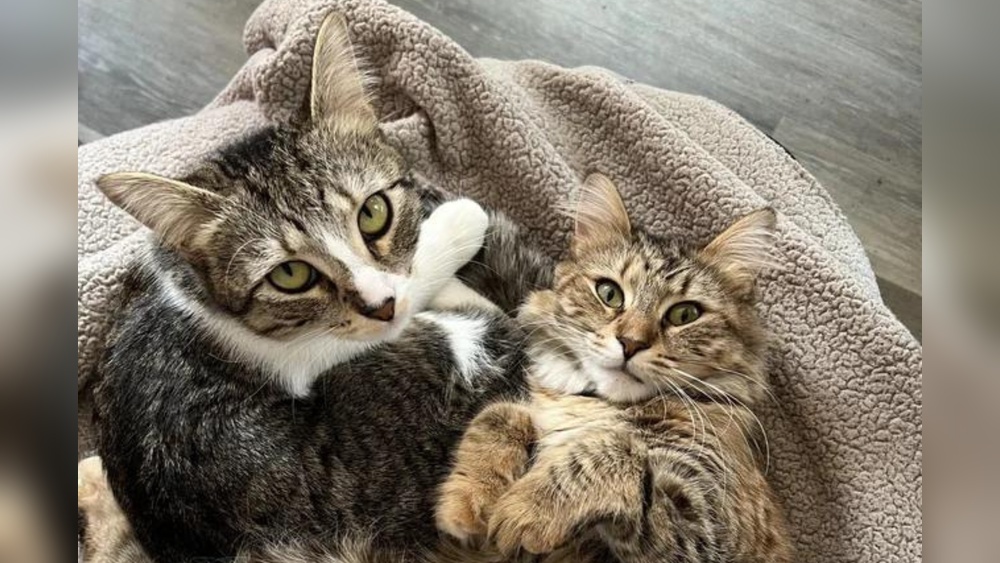
Cats from the same litter can look very different from each other. Their appearance differences can be surprising. These differences often come from the mix of genes inherited from their parents. Even kittens born at the same time can show a variety of traits. Their coats and physical features can vary widely.
Coat Colors And Patterns
Each kitten can have a unique coat color. Colors range from black, white, orange, gray to mixed shades. Patterns also differ a lot. Some kittens may have stripes, called tabby patterns. Others might have spots or patches of color. Some can be solid-colored with no patterns at all. These variations happen because of different genes from each parent. This mix creates a wide range of looks in one litter.
Physical Features
Kittens can show distinct physical traits. Ear shapes may vary from rounded to pointed. Eye colors can be blue, green, yellow, or mixed. Body sizes might differ too, with some kittens appearing larger or smaller. Tail lengths and shapes can also change. These features depend on inherited traits from both parents. Such differences make each kitten unique, even within the same litter.

Credit: www.reddit.com
Behavioral Differences
Cats from the same litter can show different behaviors. Their actions and habits may not always match. This happens because behavior depends on more than breed. Each kitten has its own personality. This makes them unique, even with the same parents.
Personality Traits
Each kitten can have different moods and feelings. Some may be shy, while others are bold. One kitten might love being held, another prefers space. These traits form early and shape how cats act. Genetics influence personality, but so does environment.
Even in one litter, you might find a calm kitten and a playful one. Their different personalities affect how they respond to people and other pets. Personality makes each cat special and interesting to know.
Activity Levels
Kittens from the same litter can have varied energy. One may run and jump all day. Another might like to nap and watch quietly. Activity levels depend on many things, not just breed.
Some cats need more playtime. Others are content with less movement. This difference affects how you care for each cat. Understanding their energy helps meet their needs better.
Misidentifying Breeds
Sometimes, cats from the same litter look very different. This can make people think they belong to different breeds. Mistakes happen because breed traits are not always clear in young cats. Also, many cats share similar features. This causes confusion about their true breed identity.
Understanding why this happens helps avoid wrong breed labels. Knowing the reasons behind these mix-ups is useful for cat owners and lovers.
Breed Standards Confusion
Breed standards describe how cats should look and behave. These standards help breeders and judges recognize pure breeds. Still, many cats do not fit perfectly into one standard. Some traits overlap between breeds, making it hard to tell them apart.
Even experts can confuse cats because of subtle differences. Littermates may have different color patterns or body shapes. These small changes can lead to misidentifying a cat’s breed. Breed standards are guides, not strict rules.
Impact Of Early Development
Early growth affects a cat’s appearance a lot. Kittens change fast as they grow. Their size, fur, and colors can shift in weeks. These changes sometimes hide or show breed traits differently.
Environment and nutrition also play a role in development. A kitten’s look at birth might not show its adult breed features. This can lead to wrong assumptions about breed differences in one litter.

Credit: www.reddit.com
Genetic Testing For Breed Identification
Genetic testing helps identify the breed of cats from the same litter. Cats can have different breeds due to mixed ancestry. This test looks at the cat’s DNA to find breed markers. It gives clear clues about each cat’s background.
How Tests Work
Genetic tests collect a small DNA sample. Usually, a cheek swab or blood sample is enough. The sample goes to a lab for analysis. The lab compares the DNA with a large breed database. It finds matches and shows breed percentages. Results reveal breed mix and traits.
Accuracy And Limitations
Tests are quite accurate but not perfect. Accuracy depends on the database size and test quality. Some rare breeds may not be identified. Tests may miss very small breed traces. Results show breed likelihood, not exact purity. Genetic testing is a helpful guide, not a full answer.
Implications For Cat Owners
Owning cats from the same litter but of different breeds brings unique challenges and rewards. Each cat may have distinct traits, needs, and personalities. Understanding these differences helps provide the best care for each pet. It also ensures a happy home for both cats and owners.
Choosing Cats From The Same Litter
Choosing cats from the same litter requires attention to their breed characteristics. Some breeds need more exercise or grooming. Others may have specific health concerns. Picking cats with compatible personalities can ease the adjustment in your home. Watching how they interact helps make a good choice.
Care And Attention Needs
Different breeds often need different care routines. One cat might need daily brushing while another only occasional grooming. Their diets can also vary based on breed and size. Health checkups may differ due to breed-specific risks. Giving each cat personalized care keeps them healthy and happy.
Frequently Asked Questions
Can Cats From The Same Litter Be Different Breeds?
No, cats from the same litter cannot be different breeds. They share the same parents and genetics, defining their breed. Variations in appearance occur, but breed remains consistent within one litter.
Why Do Kittens In One Litter Look Different?
Kittens differ in color, pattern, and size due to genetic variation. Parents carry multiple genes, creating unique combinations in each kitten, causing diverse appearances despite shared breed.
Can A Mixed-breed Cat Have Purebred Siblings?
No, mixed-breed cats and purebred siblings cannot come from the same litter. Purebred parents produce purebred kittens, while mixed-breed traits come from diverse genetic backgrounds.
How To Identify Breed Differences In Litter Kittens?
Breed differences are identified by physical traits, pedigree, and genetic testing. Visual differences can be misleading without confirming lineage through reliable breed documentation or DNA tests.
Conclusion
Cats from the same litter can look very different. Genetics play a big role in their appearance. Sometimes, siblings show traits from different breeds. This does not mean they are different breeds. It means their parents carried mixed genes. Each kitten inherits a unique set of genes.
This creates variety even within one litter. Understanding this helps explain why cats differ so much. Enjoy the uniqueness of every cat you meet. Each one tells a special story through its looks.