
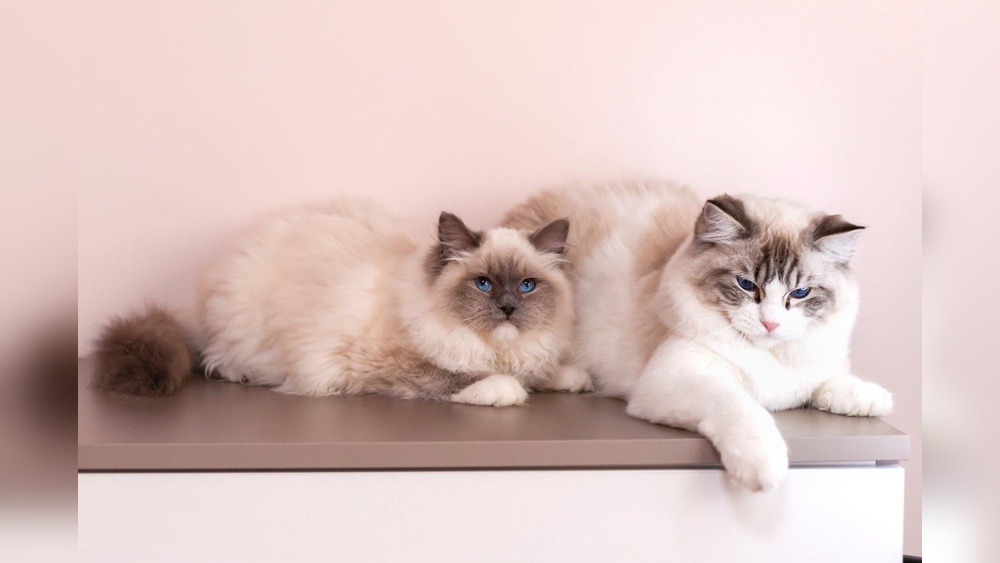
Are you worried that your sneezing and itchy eyes might mean you’re allergic to cats? But what if the problem isn’t all cats—what if it’s just certain breeds?
You’re not alone in wondering if some cats are easier to live with than others. Understanding whether you can be allergic to specific cat breeds could change everything about how you choose your furry friend. Keep reading to discover the surprising facts that might help you find the perfect cat without the allergy misery.

Credit: www.womansday.com
Cat Allergies Basics
Cat allergies affect many people worldwide. Not all cats cause the same reaction. Understanding the basics helps in managing symptoms better. This section explains common allergens and how allergies impact the body.
Common Allergens In Cats
Cats produce proteins that can trigger allergies. The main allergen is called Fel d 1. It is found in cat saliva, skin flakes, and urine. When cats groom themselves, these proteins spread on their fur. Dander, which is tiny skin flakes, carries these allergens. Some breeds may produce less Fel d 1, but no breed is completely hypoallergenic. Allergens can stick to furniture, clothes, and carpets. This makes it hard to avoid exposure.
How Allergies Affect The Body
Allergens enter the body through the nose, eyes, or skin. The immune system reacts by releasing histamines. This causes symptoms like sneezing, itching, and watery eyes. Some people may experience coughing or difficulty breathing. Symptoms vary from mild to severe. Repeated exposure can make symptoms worse. Treating allergies often involves avoiding allergens and using medication.
Breed-specific Allergy Myths
Many people believe certain cat breeds cause fewer allergy problems. These ideas are common but not always true. Allergies depend on proteins cats produce, not just the breed. It is important to separate facts from myths about breed-specific allergies.
Popular Hypoallergenic Claims
Some breeds are called hypoallergenic. People think these cats cause fewer allergic reactions. Breeds like the Siberian, Balinese, and Sphynx often get this label. The idea is these cats shed less or produce fewer allergens. But no cat breed is completely allergen-free. Allergies can still happen with these breeds.
Scientific Studies On Breed Allergies
Researchers tested allergen levels on many cat breeds. Results show big overlap in allergen production. Some breeds might produce slightly less, but not enough to avoid allergies. Studies focus on the Fel d 1 protein, the main allergen. Individual cats vary more than breeds do. Allergies depend on exposure and personal sensitivity too.
Allergenic Proteins In Cats
Many people wonder if allergies to cats come from certain breeds. The main cause is not the breed but proteins found in cats. These proteins can trigger allergic reactions in sensitive individuals. Understanding these proteins helps explain why some people react differently to cats.
Cat allergen proteins are mainly found in saliva, skin, and urine. When cats groom themselves, these proteins spread to their fur and dander. Dander is tiny skin flakes that float in the air. Allergic reactions happen when people breathe in or touch these proteins.
Fel D 1 And Other Proteins
Fel d 1 is the most common and powerful cat allergen. It is a small protein produced mostly in cat saliva and skin glands. This protein sticks to fur and dander easily. Fel d 1 causes most cat allergies worldwide.
Other proteins also cause allergies but are less common. Fel d 2 and Fel d 4 are examples. These proteins come from cat muscles and saliva. Each protein can affect people differently, depending on their sensitivity.
Variation Among Breeds
Allergen levels can vary between cat breeds. Some breeds produce less Fel d 1 than others. For example, Siberian cats are said to produce lower levels of this protein. This might make them better for some allergy sufferers.
Breed differences do not mean allergy-free cats exist. Even low-allergen breeds still produce proteins. Allergies depend on a person’s immune response, not just the breed. Testing and spending time with a cat is the best way to know.
Breeds Often Linked To Allergies
Cats can cause allergies in some people. Allergies happen because of proteins found in cat saliva, skin flakes, and urine. Some cat breeds produce more of these proteins. This makes certain breeds more likely to trigger allergies. Knowing which breeds cause more or less allergy can help people choose the right cat.
High-allergen Breeds
Some cats shed more dander and saliva. This means they often cause stronger allergic reactions. The Siamese cat is one such breed. Their coat and skin produce more allergen proteins. Another breed is the Bengal. Bengals have a thick, short coat with high allergen levels. The Persian cat is also known for high allergen production. Their long fur traps more dander. These breeds may not be good for allergy sufferers.
Low-allergen Breeds
Other cats produce fewer allergens. This makes them better for people with allergies. The Siberian cat is one example. They produce less of the allergen protein Fel d 1. The Balinese is another low-allergen breed. Their fur is fine and less likely to spread allergens. The Devon Rex has short, curly fur. This fur type holds less dander. These breeds are often recommended for mild allergy sufferers.
Factors Influencing Allergy Severity
Allergy severity varies widely among people. Many factors influence how a person reacts to cat allergens. It is not only about the cat breed but also about other important elements. Understanding these factors helps manage allergies better.
Individual Sensitivity
People have different levels of sensitivity to cat allergens. Some react strongly to small amounts of allergens. Others may have mild or no symptoms. Genetics play a key role in this sensitivity. Past exposure to allergens can also affect reactions. Immune systems react differently to the same allergen. This means one person may suffer while another feels fine.
Environmental Impact
Where you live affects allergy severity. Dust, pollen, and pollution can make symptoms worse. Poor ventilation traps allergens indoors. Clean, well-ventilated spaces reduce allergen buildup. Regular cleaning lowers dander and dust mites. Using air purifiers can help remove airborne allergens. The presence of other pets may increase allergens in the home.

Credit: www.thepioneerwoman.com
Managing Cat Allergies
Managing cat allergies involves careful steps to reduce symptoms and improve comfort. Allergies can cause sneezing, itching, and watery eyes. Knowing how to handle these reactions helps people live better with cats.
Preventive Measures At Home
Keep the house clean to lower allergens. Vacuum floors and furniture often using a vacuum with a HEPA filter. Wash cat bedding and blankets regularly. Use air purifiers to remove airborne allergens. Create cat-free zones, especially in bedrooms. Groom your cat weekly to reduce loose hair and dander. Choose hard flooring instead of carpets to trap less dust.
Medical Treatments And Options
Over-the-counter antihistamines help reduce allergy symptoms. Nasal sprays can ease congestion and sneezing. Allergy shots may work for long-term relief. Consult a doctor for the best treatment plan. Eye drops relieve itchy, red eyes. Some medicines require a prescription, so follow your doctor’s advice. Keep medications handy during allergy flare-ups.
Choosing A Cat With Allergies In Mind
Choosing a cat while managing allergies can be tricky. Not all cats cause the same allergic reactions. Some breeds may trigger fewer symptoms for certain people. Understanding your own allergy helps you find a better match.
Spending time with a cat before adopting is important. This helps you see how your body reacts. There are ways to test and reduce allergy risks. These steps make living with a cat easier.
Testing Your Allergy Response
Visit a doctor or allergist to test your reaction to cats. They can perform skin or blood tests. These tests identify specific allergens that affect you. Knowing your triggers helps choose the right cat.
Try spending time around different cat breeds. Visit shelters or friends with cats. Watch for sneezing, itching, or other symptoms. This real-life test shows how your allergies respond.
Considering Mixed Breeds
Mixed breed cats can be less allergenic than purebreds. They have varied genetics, which might reduce allergens. These cats often have different coat types and shedding patterns.
Adopt from shelters or rescues to find mixed breed cats. They may surprise you with lower allergy symptoms. Each cat is unique, so testing is still important.

Credit: www.womansday.com
Frequently Asked Questions
Can Specific Cat Breeds Cause Allergies More Often?
Yes, some cat breeds produce more allergens, triggering allergies more frequently. Breeds like Siamese and Persian may cause stronger reactions in sensitive people.
Are Hypoallergenic Cat Breeds Truly Allergy-free?
No, hypoallergenic breeds produce fewer allergens but are not completely allergen-free. They reduce allergy symptoms but may still cause mild reactions.
What Causes Cat Allergies In Different Breeds?
Cat allergies mainly result from proteins in saliva, skin, and urine. Variations in allergen levels differ among breeds, affecting allergy severity.
Can Allergy Symptoms Vary By Cat Breed?
Yes, allergy symptoms can be milder or stronger depending on the breed’s allergen levels. Individual sensitivity also plays a key role.
Conclusion
Allergies to cats depend on proteins, not just breed type. Some breeds may cause fewer symptoms but no cat is fully hypoallergenic. Understanding your own allergy helps choose the right pet. Spending time with a cat before adopting can reveal allergic reactions.
Managing allergies well allows you to enjoy pets safely. Remember, each person reacts differently to cats. Careful choices lead to happy homes for both you and your cat.