
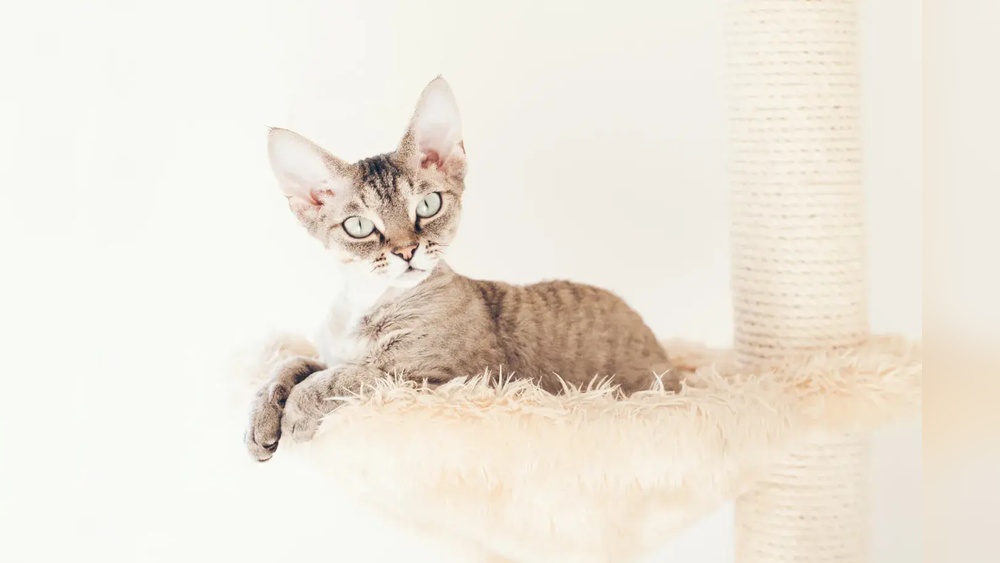
Are you tired of finding cat hair all over your clothes and furniture? You might be wondering, do all cat breeds shed the same way?
Understanding how shedding works can help you keep your home cleaner and your cat happier. Whether you’re thinking about adopting a new feline friend or already have one, knowing which breeds shed more or less can make a big difference.
Keep reading to discover the truth about cat shedding and how it affects you and your furry companion.
Shedding Basics
Shedding is a natural part of a cat’s life. All cats lose fur, but the amount varies. Understanding the basics helps you care for your feline friend better. Shedding happens for many reasons, including health and environment. Knowing why cats shed can ease your worries and improve grooming routines.
Why Cats Shed
Cats shed to remove old and dead fur. This helps keep their coat healthy and clean. Changes in daylight and temperature often increase shedding. Cats shed more in spring and fall to prepare for new seasons. Stress and diet also affect how much a cat sheds. Regular brushing can help manage loose fur and reduce hair around your home.
Shedding And Cat Health
Shedding can tell a lot about a cat’s health. Excessive shedding may signal skin problems or allergies. Poor diet can lead to dull fur and more hair loss. Parasites like fleas cause itching and shedding too. Watch for bald spots or skin redness. Consult a vet if shedding seems unusual or heavy.
Credit: www.purina.com
Common Shedding Breeds
Cats shed their fur to stay healthy and cool. Some breeds shed more than others. Shedding depends on the cat’s coat type and genetics. Understanding common shedding breeds helps manage pet care better.
Long-haired Cats
Long-haired cats have thick, flowing coats. They shed often and lose lots of fur. Breeds like the Maine Coon and Persian shed heavily. Their fur can tangle and mat without regular brushing. Grooming helps reduce shedding and keeps their coat shiny.
These cats need daily brushing to remove loose hair. Shedding is more visible around spring and fall. Long-haired cats may leave fur on furniture and clothes. Regular grooming lowers the amount of hair around the house.
Short-haired Cats
Short-haired cats shed less than long-haired ones. Their fur is shorter and less dense. Breeds such as the American Shorthair and Siamese shed moderately. Shedding is usually seasonal but less messy.
Short-haired cats need weekly brushing to control shedding. Their fur falls out but is less noticeable on clothes. Even short-haired cats can benefit from grooming to keep fur healthy.
Low-shedding And Hypoallergenic Breeds
Many cat lovers worry about shedding and allergies. Not all cats shed the same way. Some breeds shed less and cause fewer allergy problems. These cats are great for people who want a cleaner home and fewer allergy symptoms. Understanding which breeds shed less can help you choose the right pet.
Popular Low-shedding Cats
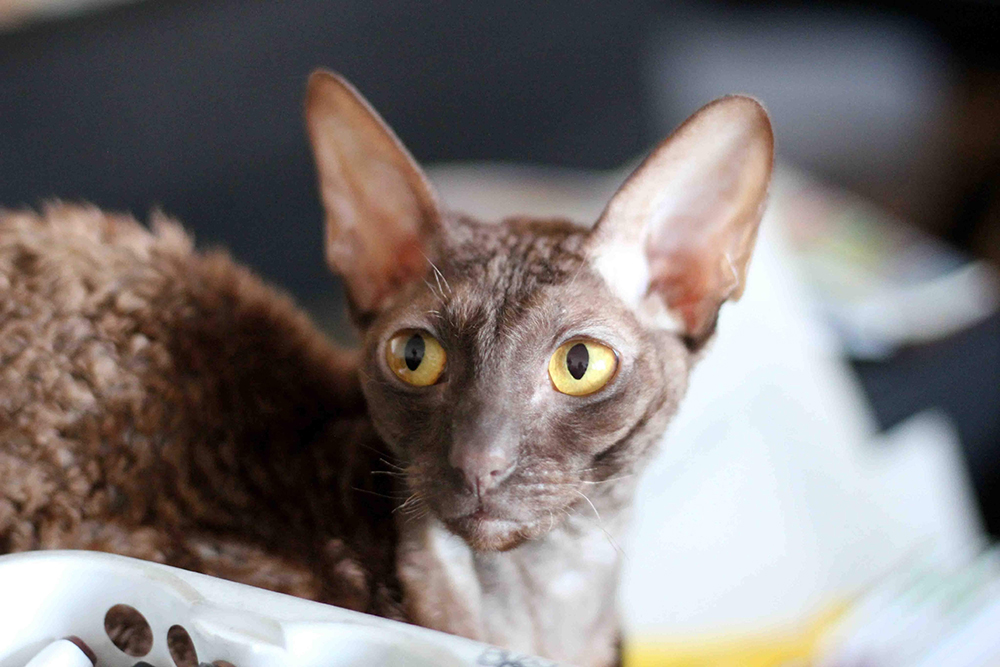
Some cat breeds naturally shed less fur. The Siamese cat has short, fine hair that falls out less. The Russian Blue is known for its dense, short coat that stays neat. The Bengal cat has a short, sleek coat that rarely sheds. The Sphynx has almost no hair, making it very low-shedding. These cats keep your home cleaner and require less grooming.
What Makes A Cat Hypoallergenic
Hypoallergenic cats produce fewer allergens. Allergens come from cat saliva, skin oils, and dander. Some breeds create less of these substances. For example, the Balinese cat makes fewer allergens than most cats. The Siberian cat also has lower allergen levels. Hypoallergenic cats still shed, but they may cause fewer allergy reactions. This helps allergy sufferers enjoy having a cat as a pet.

Credit: petmedonline.com
Factors Affecting Shedding
Shedding in cats depends on several factors. These factors influence how much and how often a cat loses its fur. Understanding these can help cat owners manage shedding better.
Seasonal Changes
Cats shed more during seasonal changes. This happens as they adjust their coat for warmer or cooler weather. In spring and fall, shedding usually increases. The cat’s body prepares for temperature changes by growing or losing fur.
Diet And Grooming
A cat’s diet affects its skin and fur health. Good nutrition helps keep fur strong and reduces shedding. Grooming also plays a big role. Regular brushing removes loose fur and keeps the coat clean. Neglecting grooming may lead to more shedding.
Stress And Health Issues
Stress can cause cats to shed more than usual. Changes in environment or routine may trigger this. Health problems like allergies or infections also increase shedding. Monitoring your cat’s behavior helps catch these problems early.
Managing Cat Shedding
Managing cat shedding helps keep your home clean and your cat comfortable. Shedding is normal for all cat breeds. Some shed more than others. Regular care can reduce loose hair around your house. Small efforts make a big difference in controlling shedding.
Good habits protect furniture and clothing from fur. Your cat feels better without excess hair. Focus on grooming, cleaning, and diet to manage shedding well.
Effective Grooming Tips
Brush your cat often to remove loose fur. Use a brush that suits your cat’s coat type. Short-haired cats need a different brush than long-haired ones. Brushing also spreads natural oils, keeping fur healthy. Try to groom your cat daily or every other day. It reduces hairballs and shedding around the house.
Home Cleaning Strategies
Vacuum floors and furniture regularly to catch stray fur. Use a vacuum with a pet hair attachment for best results. Wipe surfaces with damp cloths to pick up hair easily. Wash your cat’s bedding often to remove shed hair. Keep lint rollers handy for quick fur removal from clothes.
Diet Adjustments
Feed your cat a balanced diet to support healthy skin and coat. Foods rich in omega-3 and omega-6 fatty acids reduce shedding. Check with your vet about adding supplements. Proper nutrition helps your cat grow strong, shiny fur. Avoid sudden diet changes to prevent skin problems.
Credit: www.purina.com
When Shedding Signals A Problem
Shedding is a normal part of a cat’s life. Cats lose old fur to make room for new growth. But sometimes, shedding can show there is a health issue. Watch your cat’s fur carefully. Sudden or heavy fur loss may need attention. Spotting problems early helps your cat stay healthy and comfortable.
Signs Of Excessive Shedding
Too much fur falling out is a clear sign. Bald patches or thin spots may appear on your cat’s body. Skin can look red, dry, or irritated in some areas. Your cat might scratch or bite more than usual. Clumps of fur on furniture or clothing can also show excess shedding. Changes in behavior, like hiding or restlessness, might happen.
When To See A Vet
Visit a vet if shedding is sudden or very heavy. Seek help if your cat has bald spots or skin wounds. A vet check is needed if your cat scratches constantly. Look for signs like weight loss or changes in appetite. These could mean illness or allergies. Early vet care can prevent more serious problems.
Frequently Asked Questions
Do All Cat Breeds Shed Fur Regularly?
Yes, all cat breeds shed fur, but the amount varies. Some breeds shed minimally, while others lose more hair. Shedding depends on genetics, season, and health. Regular grooming helps manage shedding effectively and keeps your home cleaner.
Which Cat Breeds Shed The Least?
Breeds like the Siamese, Bengal, and Sphynx shed the least. The Sphynx is nearly hairless, reducing shedding drastically. These breeds are ideal for people seeking low-shedding pets or those with mild allergies.
How Often Do Cats Shed Throughout The Year?
Cats typically shed more during spring and fall. This seasonal shedding helps them adjust to temperature changes. Indoor cats may shed less due to stable climate conditions. Regular brushing controls shedding and prevents fur buildup.
Can Shedding Cause Allergies In Cat Owners?
Yes, shedding can trigger allergies due to dander and saliva on fur. Hypoallergenic breeds shed less, reducing allergen spread. Frequent cleaning and grooming minimize allergens. Consult an allergist if symptoms persist around cats.
Conclusion
All cats shed to some degree, but amounts vary widely. Some breeds shed less, making them easier to clean. Shedding depends on breed, health, and environment. Regular grooming helps keep shedding under control. Knowing about your cat’s shedding helps manage your home better.
Choose a breed that fits your lifestyle. Enjoy your cat’s company without surprise fur everywhere. Shedding is natural, but manageable with simple steps.