
Are you tired of finding cat hair on your clothes, furniture, and everywhere else? You might be wondering if there are any cat breeds that don’t shed at all.
Imagine having a furry friend you can cuddle without worrying about constant cleaning. You’ll discover which cat breeds shed the least, and how you can enjoy the company of a cat without the mess. Keep reading to find the perfect low-shedding cat for your home and lifestyle.
Credit: www.newsweek.com
Cat Shedding Basics
Cats shed fur as part of their natural life cycle. Shedding helps them stay healthy and clean. The amount of shedding varies by breed, age, and season. Some cats shed a lot, while others shed very little.
Understanding why cats shed helps pet owners care for their pets better. It also explains common concerns about fur around the house.
Why Cats Shed
Cats shed to remove old or damaged fur. This process helps grow new, healthy hair. Shedding also helps cats adapt to temperature changes. In warmer months, cats lose thick winter fur. In colder months, they grow a thicker coat.
Stress, diet, and health can affect shedding too. Some cats shed more when stressed or sick. Regular grooming helps reduce loose fur and keeps skin healthy.
Shedding And Allergies
Cat fur itself does not cause allergies. Allergies come from proteins in cat saliva, skin, and urine. These proteins stick to the fur and spread around the house. When cats shed, they spread these allergens more.
Less shedding means fewer allergens in the home. Some cat breeds shed less and may cause fewer allergy problems. Regular cleaning and grooming reduce allergen buildup and help allergy sufferers.
Credit: www.purina.com
Hypoallergenic Cat Traits
Hypoallergenic cat traits help reduce allergy problems for many people. These cats produce fewer allergens that trigger sneezing, itching, or watery eyes. While no cat is fully allergy-free, some breeds are easier to live with.
Understanding these traits can guide you to a better pet choice. It helps to know what causes allergies and which cats have fewer triggers. This knowledge makes living with a cat more comfortable for sensitive people.
What Makes A Cat Hypoallergenic
Hypoallergenic cats produce less of the protein called Fel d 1. This protein is the main allergen found in cat saliva and skin oils. When cats groom themselves, they spread this protein on their fur.
Cats that shed less fur spread fewer allergens around the house. Some breeds have tighter coats that hold the dander better. Others produce less saliva or skin oils, reducing allergens.
Common Misconceptions
Many think hypoallergenic cats do not shed at all. This is not true. All cats shed to some extent. The difference is how much allergen they release into the air.
Another myth is that hairless cats are always hypoallergenic. Some hairless breeds still produce allergens. Their skin oils and saliva can cause allergies.
Choosing a hypoallergenic cat means focusing on allergen levels, not just fur amount. Regular cleaning and grooming also help manage allergens at home.
Top Low-shedding Cat Breeds
Some cat breeds shed very little, making them great pets for people sensitive to cat hair. These cats still need care but leave less fur around the house. Choosing a low-shedding cat can make cleaning easier and reduce allergies.
Here are some top low-shedding cat breeds known for their unique coats and friendly personalities.
Siberian Cats
Siberian cats have thick, triple-layered fur that sheds less than most. Their dense coat repels water and dirt. They are playful and love attention. Siberians adapt well to different homes.
Balinese Cats
Balinese cats have a silky coat that sheds minimally. They are related to Siamese cats and share a slender build. These cats are smart, vocal, and affectionate. Their fur feels soft and smooth.
Bengal Cats
Bengal cats have short, dense fur with a unique spotted pattern. Their coat sheds very little compared to other cats. Bengals are active and curious. They enjoy playtime and exploring.
Cornish Rex
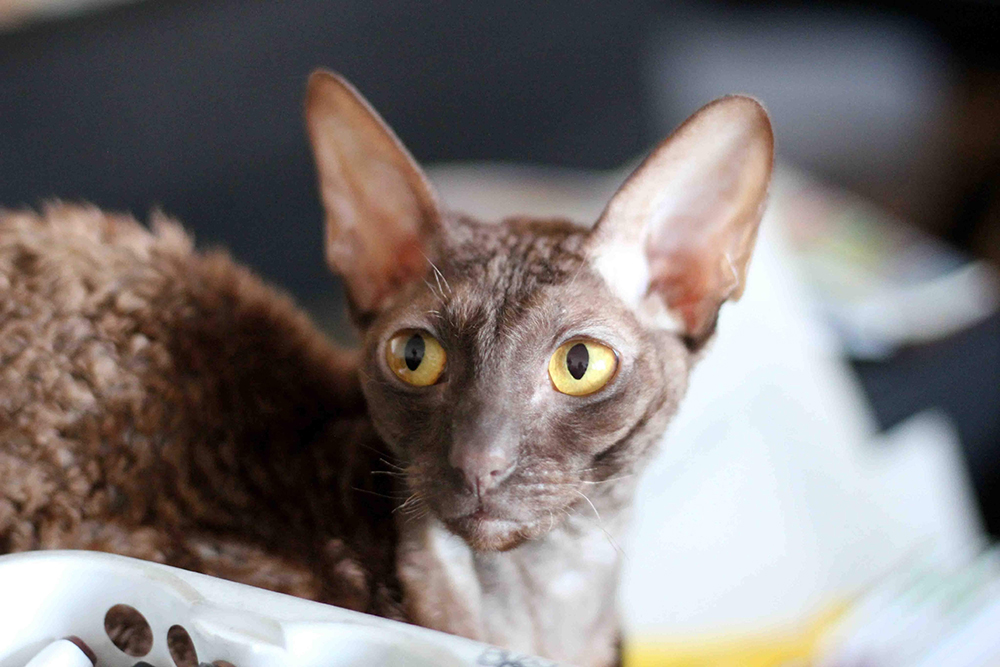
Cornish Rex cats have soft, wavy fur that lies close to the body. Their coat sheds very little and feels almost like velvet. These cats are agile and love to jump. They form strong bonds with owners.
Devon Rex
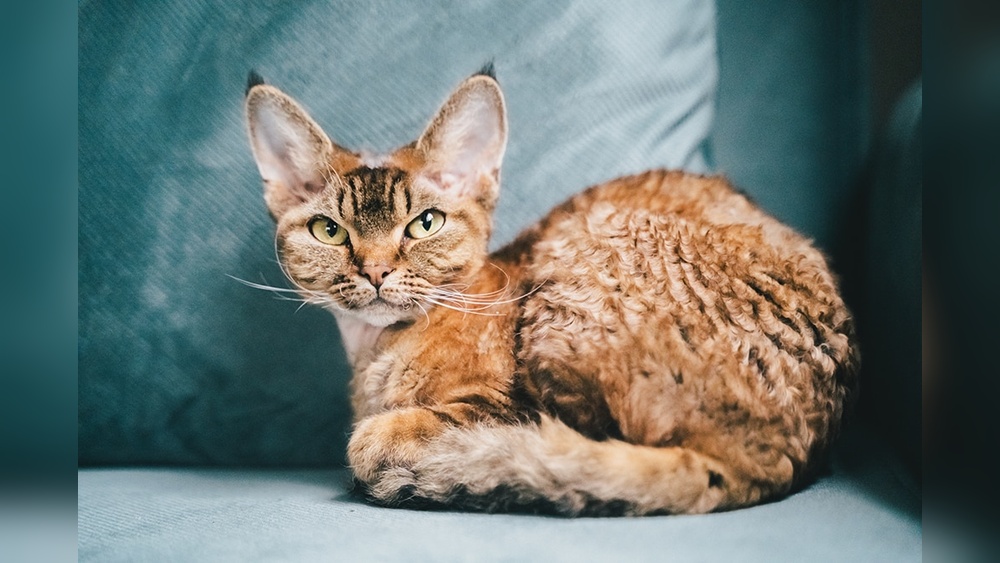
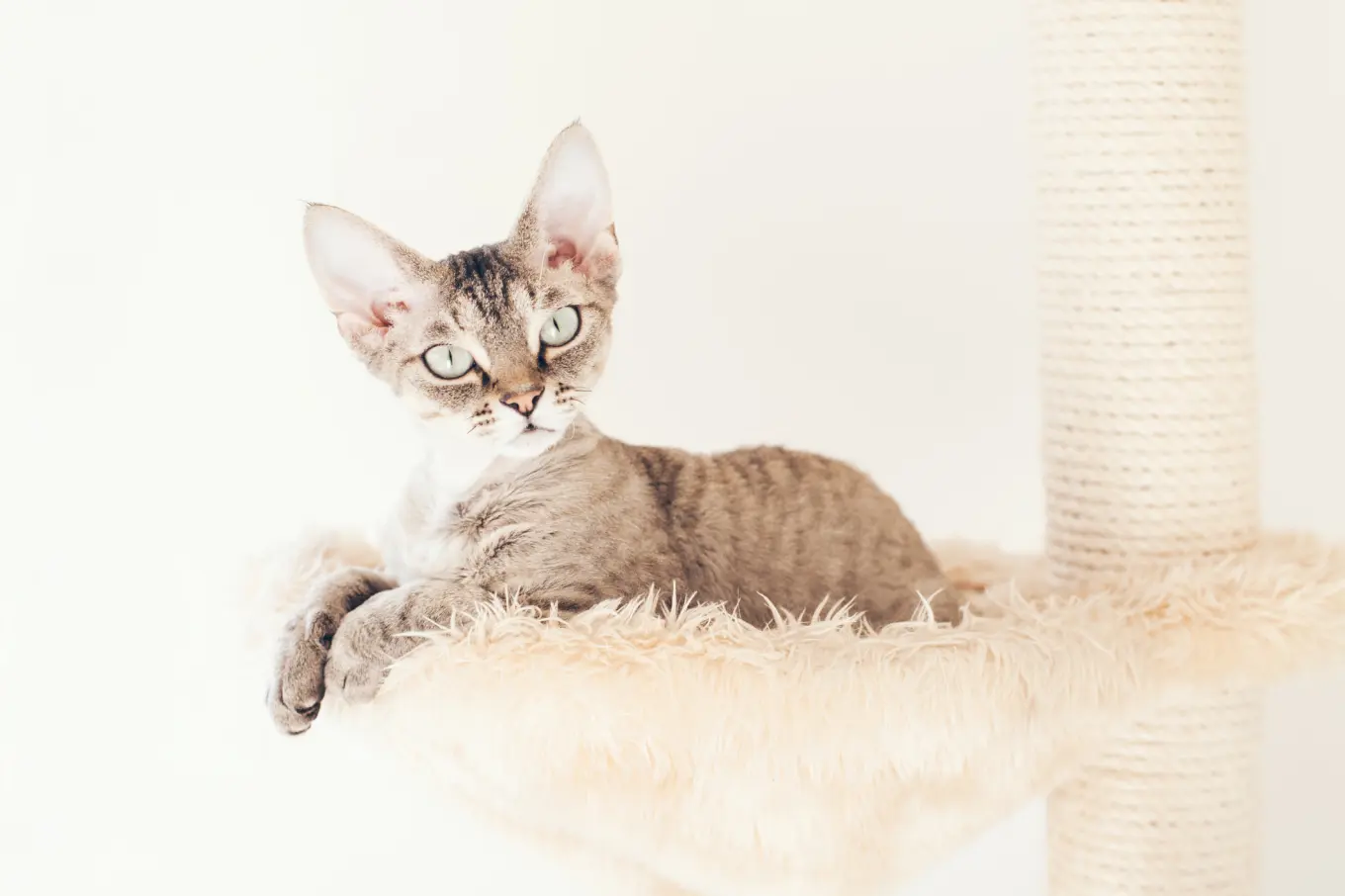
Devon Rex cats have curly, short fur that sheds less than typical cats. They are playful and enjoy being around people. Their unique look and gentle nature make them popular pets. Devons are easy to groom.
Sphynx Cats
Sphynx cats are hairless, with smooth skin instead of fur. They do not shed like other cats. These cats are warm and friendly. Their skin needs regular cleaning to stay healthy.
Care Tips For Hypoallergenic Cats
Caring for hypoallergenic cats requires special attention to reduce allergens. These cats shed less, but grooming and home care remain important. Proper care helps keep your cat healthy and your home clean. It also lowers allergy symptoms for sensitive owners.
Grooming Practices
Brush your hypoallergenic cat regularly. This removes loose fur and skin flakes. Use a soft brush to avoid hurting your cat. Bathing once a month can reduce allergens on fur. Clean your cat’s bedding often to remove dander. Trim nails carefully to prevent scratches. Check ears and eyes for dirt and clean gently. Regular grooming keeps your cat comfortable and less allergenic.
Home Environment Adjustments
Keep your home clean to lower allergens. Vacuum floors and furniture with a HEPA filter vacuum. Use air purifiers to remove airborne particles. Wash your cat’s bedding and toys weekly. Limit cat access to bedrooms and carpets. Use washable covers on sofas and chairs. Avoid wall-to-wall carpeting if possible. These steps create a healthier space for both you and your cat.
Choosing The Right Cat
Choosing the right cat means thinking about your home and daily life. Cats have different needs and personalities. Some shed a lot, while others shed very little. Picking a breed that fits your lifestyle helps you enjoy your pet more. It also makes caring for your cat easier and less stressful.
Matching Lifestyle And Breed
Some cat breeds shed less than others. If you want a cleaner home, choose breeds like the Sphynx or Russian Blue. These cats shed very little fur. Active families might prefer playful breeds like Bengals or Abyssinians. Quiet homes might suit calm breeds like Ragdolls or British Shorthairs. Think about how much time you have for grooming and play. Your daily routine should match the cat’s needs.
Allergy Testing Before Adoption
Allergies can stop you from enjoying your cat. Some people react to cat fur or skin oils. Ask about allergy testing before adopting. Spend time with the cat to see if you sneeze or itch. Allergy tests help identify if a breed suits you. This step prevents health problems and sadness later. It is important for a happy home with your new pet.

Credit: petmedonline.com
Frequently Asked Questions
Do Any Cat Breeds Shed Less Than Others?
Yes, some cat breeds shed less due to their unique fur types. Breeds like the Sphynx, Devon Rex, and Cornish Rex are known for minimal shedding. These cats are ideal for people with allergies or those wanting less fur around the house.
Which Cat Breeds Are Considered Hypoallergenic?
Hypoallergenic cat breeds produce fewer allergens, not less shedding. Breeds like Siberian, Balinese, and Russian Blue are often recommended for allergy sufferers. They shed less and release fewer proteins that cause allergic reactions, making them friendlier for sensitive individuals.
Can A Cat Breed Shed No Fur At All?
No cat breed is completely non-shedding. Even hairless breeds like the Sphynx shed skin flakes and oils. While they don’t shed fur, they still require regular grooming to maintain healthy skin and reduce allergens in the home.
How Often Do Low-shedding Cats Need Grooming?
Low-shedding cats still need regular grooming to stay healthy. Brushing once or twice a week helps remove loose hair and distribute natural oils. Hairless breeds need frequent skin cleaning to avoid oil buildup and skin issues, making grooming essential.
Conclusion
Some cat breeds shed very little, but none shed zero hair. Choosing a low-shedding cat helps reduce mess and allergies. Regular grooming keeps your home cleaner and your cat healthier. Remember, shedding varies by cat, not just breed. Enjoy your pet’s unique personality and care needs.
Shedding is part of having a furry friend. Embrace the joy cats bring, hair and all.