

Have you ever wondered if anyone actually travels with their cat? You might think it’s too difficult or that cats just don’t like the idea.
But what if your furry friend could be your perfect travel companion? Imagine exploring new places without leaving your cat behind or worrying about their care while you’re away. This article will show you how traveling with your cat is not only possible but can also be a rewarding experience for both of you.
Keep reading to discover the tips and secrets that make it easier than you think.
Benefits Of Traveling With Cats
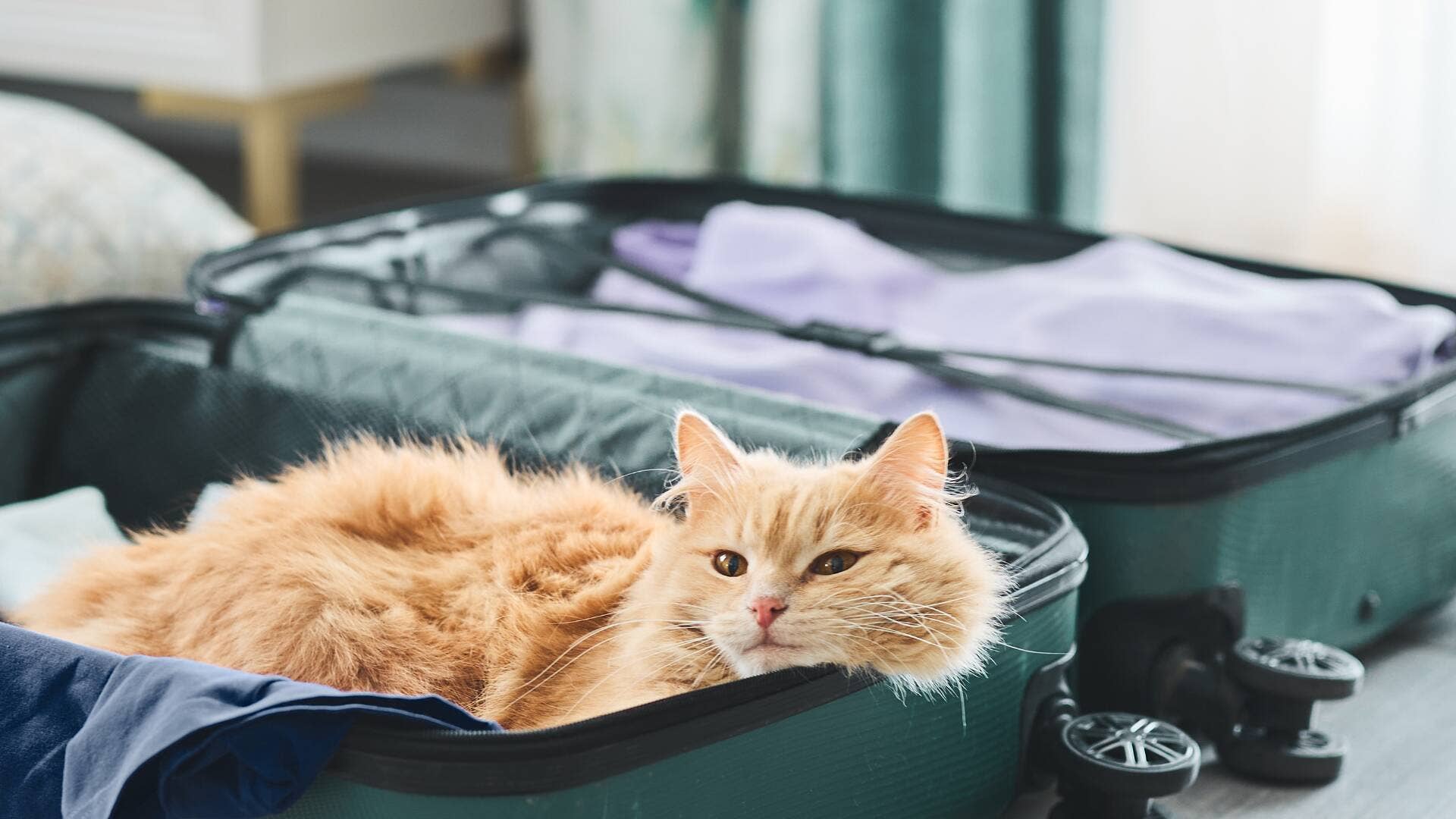
Traveling with cats can bring many rewards for both owners and pets. It offers unique experiences that strengthen your relationship. Cats get to enjoy new sights and smells safely with you. These moments create lasting memories and positive feelings. Traveling together also helps cats feel more secure in unfamiliar places. Exploring the world side by side can improve your cat’s well-being and happiness.
Strengthening The Bond
Traveling with your cat builds trust and closeness. Sharing new experiences creates strong emotional ties. Your cat learns to rely on you in different situations. This shared adventure deepens your connection daily. Spending quality time outside the home brings you closer.
Reducing Pet Anxiety
Many cats feel anxious during changes or trips. Traveling with your presence offers comfort and calm. Familiar voices and scents ease their stress. Regular travel helps cats adapt to new environments. This reduces fear and makes future trips easier.
Exploring New Environments Together
Cats are curious animals that enjoy exploring. Traveling allows them to safely discover new places. They experience different sounds, sights, and smells with you nearby. This stimulation keeps their minds active and healthy. Exploring together also adds excitement to daily life.
Credit: www.thestreet.com
Preparing Your Cat For Travel
Traveling with a cat needs careful preparation. Cats can get stressed by new places and sounds. Helping your cat feel safe is very important. You can reduce stress by preparing well before the trip. This section covers three key steps to get your cat ready.
Choosing The Right Carrier
Pick a carrier that fits your cat comfortably. It should be big enough for your cat to sit, stand, and turn around. Look for carriers with good ventilation and secure locks. A soft-sided carrier is light and easy to carry. Hard-sided carriers protect better but may feel tight. Choose what suits your cat’s personality and size best.
Familiarizing Your Cat With The Carrier
Let your cat explore the carrier at home first. Place it in a quiet area with the door open. Put your cat’s favorite blanket or toy inside. This helps your cat see the carrier as a safe space. Use treats to encourage your cat to enter the carrier. Practice short trips around the house to build comfort.
Packing Essentials For Your Cat
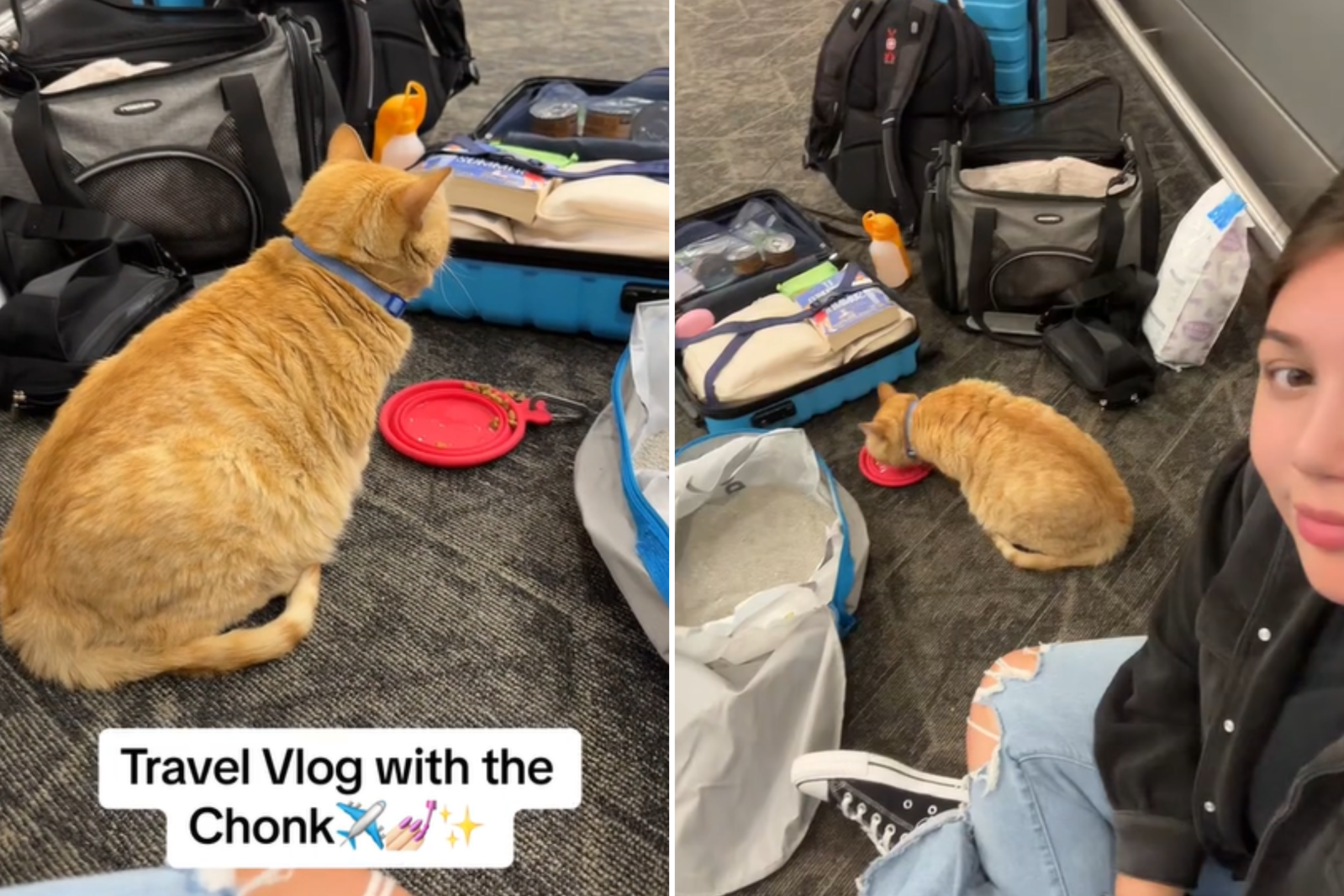
Bring important items to keep your cat calm and healthy. Pack food and water, along with bowls. Take a leash and harness for safe walks. Include a small litter box or pads for accidents. Bring familiar toys to reduce anxiety. Don’t forget any medications your cat needs. Having these ready makes travel smoother for both of you.
Travel Options For Cats
Traveling with a cat can be a calm and pleasant experience. Cats have different needs than dogs, so travel plans must suit them. Choosing the right way to travel helps keep your cat safe and relaxed. This section covers the main travel options for cats and tips for each.
Car Trips And Road Safety
Car trips are the most common way to travel with cats. Always use a secure carrier to keep your cat safe. Place the carrier where it will not move or fall during the drive. Keep the car cool and avoid loud music. Stop often for breaks if the trip is long. Never let your cat roam freely inside the car.
Flying With Your Cat
Flying with a cat needs more preparation. Check airline rules about pet travel before booking. Use a well-ventilated, airline-approved carrier. Your cat may fly in the cabin or cargo hold. Cabin travel is less stressful for your cat. Bring familiar items like a blanket or toy inside the carrier. Try to book direct flights to reduce travel time.
Using Public Transport
Public transport options include buses, trains, and taxis. Carry your cat in a secure carrier at all times. Some public transport may have pet rules or fees. Keep your cat calm with soft voices and gentle touches. Avoid crowded times to reduce stress. Plan your route and travel time carefully for a smooth trip.
Managing Cat Behavior On The Road
Traveling with a cat can be a challenge, especially in new places. Cats feel safe with routine and familiar things. Sudden changes can make them nervous or scared. Managing your cat’s behavior on the road helps make the trip better for both of you. It takes patience and care to keep your cat calm and happy.
Calming Techniques
Keep your cat relaxed by using soft voices and gentle petting. Try pheromone sprays or collars that help cats feel secure. Bring a favorite blanket or toy to give comfort. Play quiet music or white noise to block strange sounds. Avoid loud noises and sudden movements around your cat.
Handling Stress And Anxiety
Stress can cause your cat to hide or meow a lot. Watch for signs like heavy breathing or pacing. Offer small treats to distract and calm them. Give your cat time to adjust at stops before moving again. Speak softly and stay close to reassure your cat. Avoid forcing your cat out of the carrier.
Ensuring Comfort During Stops
Choose safe, quiet places for breaks. Let your cat stretch inside the carrier with the door open. Never let your cat roam free outside the car. Provide fresh water and a small snack at stops. Check the carrier for comfort and clean bedding. Keep the temperature stable and avoid direct sunlight.
Finding Cat-friendly Accommodations
Finding cat-friendly accommodations is important for traveling with your feline friend. Cats need comfort and safety during trips. Many places now welcome cats, making travel easier for pet owners.
Planning ahead helps you avoid stress. Knowing where cats are allowed saves time and effort. This section shows different options to stay with your cat.
Hotels That Welcome Cats
Many hotels accept cats with simple pet policies. Some offer special rooms designed for pets. Always check for pet fees and rules before booking. A calm room helps your cat feel secure. Bring familiar items like blankets or toys.
Vacation Rentals And Cat Policies
Vacation rentals often allow cats but rules vary. Some require extra cleaning fees or deposits. Look for rentals with fenced yards or quiet areas. Contact hosts to confirm their pet policies. Rentals offer more space for cats to explore safely.
Camping And Outdoor Adventures
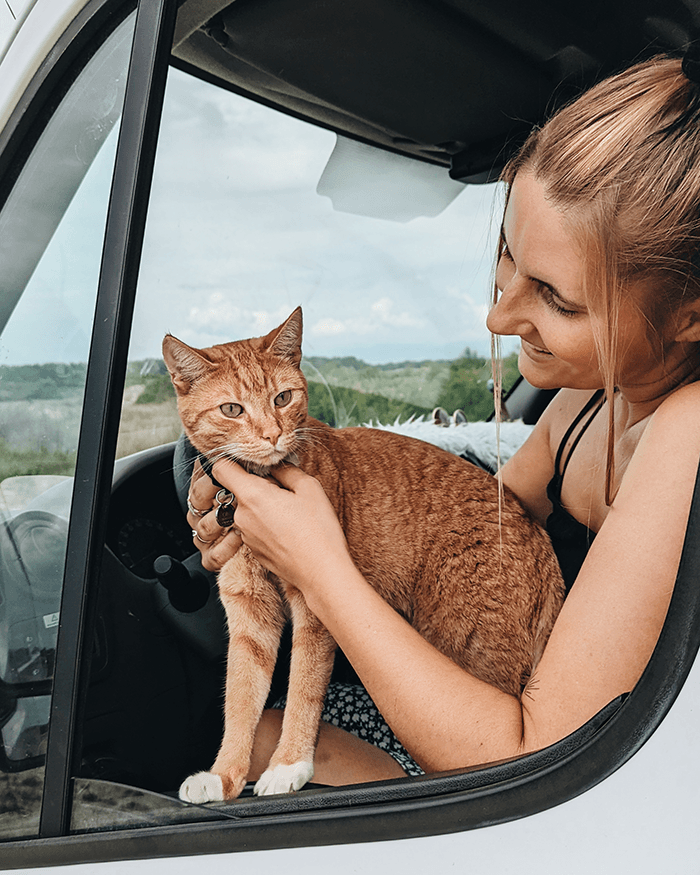
Camping can be fun for cats used to the outdoors. Use secure carriers or leashes to keep cats safe. Choose quiet campsites away from loud noises. Bring cozy bedding and food for comfort. Check campsite rules about pets before you go.
Credit: www.vanlifezone.com
Health And Safety Tips
Traveling with a cat needs careful health and safety planning. Cats feel stress in new places. Keeping them safe protects their well-being. Follow simple tips to ensure a smooth trip for both of you.
Vaccinations And Vet Checkups
Visit the vet before traveling. Check if vaccinations are up to date. Shots protect cats from diseases during travel. Ask the vet for travel advice. Get a health certificate if required. Healthy cats handle travel better and stay safe.
Preventing Escape And Lost Pets
Use a sturdy carrier for your cat. Keep the carrier closed at all times. Never let your cat roam freely outside. Use a harness and leash during breaks. Attach ID tags with your contact details. Microchip your cat for extra safety.
Emergency Preparedness
Pack a first aid kit for your cat. Include items like bandages, tweezers, and antiseptic. Know the location of vets near your travel route. Have emergency contacts saved on your phone. Prepare for sudden health issues or accidents. Quick action can save your cat’s life.
Legal Considerations When Traveling With Cats
Traveling with a cat requires careful planning and knowledge of legal rules. These rules protect your pet and ensure smooth travel. Ignoring them can cause delays or even refusal at borders. Knowing what laws apply can make your trip easier and safer for your cat.
Pet Travel Regulations
Each country or state sets its own pet travel rules. These rules include vaccination requirements and health certificates. Cats usually need proof of rabies vaccination. A vet must provide a health certificate shortly before travel. Airlines may also have specific rules for pets on board.
Quarantine Rules
Some places require cats to stay in quarantine after arrival. This helps stop the spread of diseases. Quarantine can last from a few days to several weeks. The length depends on the destination’s laws and your cat’s health records. Planning for quarantine time is important to avoid surprises.
International Travel Requirements
International travel has extra legal steps for cats. You may need an import permit for your pet. Microchipping is often required for identification. Some countries ask for blood tests to check for diseases. Always check the destination’s official pet import rules well ahead of your trip.
Stories From Cat Travelers
Many cat owners have shared their travel stories with their furry friends. These tales show how cats can enjoy trips just like dogs. Traveling with a cat is possible and can be rewarding.
Each journey comes with its own moments of joy and struggle. Learning from these stories helps others plan better trips. The experiences also reveal how cats react to new places.
Successful Adventures
Some cats have traveled across states and even countries. Owners say calm cats adapt well to car rides and new surroundings. A favorite story is of a cat who flew in a carrier and stayed relaxed throughout the flight.
Many cats enjoy quiet walks on a leash during vacations. These trips create strong bonds between cats and their owners. Positive experiences make future travels easier and fun.
Challenges Faced
Not all trips go smoothly with cats. Some cats get scared by loud noises or unfamiliar smells. Owners face problems like cats hiding or refusing to eat. Finding safe places for bathroom breaks can be tricky.
Traveling by plane can cause stress for some cats. Changes in routine sometimes upset their mood. Owners must be patient and ready to handle surprises.
Tips From Experienced Owners
Start with short trips to help your cat get used to travel. Use comfortable carriers that allow enough space and ventilation. Bring favorite toys and blankets to create a familiar environment.
Keep your cat’s feeding schedule regular during trips. Give breaks for water and a chance to stretch legs. Speak softly to calm your cat and reduce stress.
Plan your route with pet-friendly stops. Always carry a first aid kit for emergencies. These small steps make traveling with cats safer and happier.
Credit: www.newsweek.com
Frequently Asked Questions
Do People Often Travel With Their Cats?
Yes, many cat owners travel with their cats for vacations or relocations. Proper preparation ensures a safe trip.
What Are The Best Travel Methods For Cats?
Car travel with carriers is most common. Air travel is also possible with proper documentation and pet-friendly airlines.
How Can I Prepare My Cat For Travel?
Acclimate your cat to a carrier, pack essentials, and consult a vet for health advice before travel.
Are There Special Travel Products For Cats?
Yes, carriers, calming sprays, portable litter boxes, and travel bowls make cat travel easier and stress-free.
Conclusion
Traveling with a cat is possible and many people do it. It takes planning and patience to keep your cat calm. Use a comfy carrier and bring familiar toys or blankets. Always check the rules for pets where you go.
Small steps make the journey easier for both of you. Enjoy the adventure and create good memories together. Traveling with your cat can be a rewarding experience. Give your pet love and care throughout the trip. Safe travels and happy moments with your feline friend!