
Have you ever wondered how long a cat’s breeding season lasts? If you have a cat or are thinking about getting one, knowing this can make a big difference.
Understanding your cat’s breeding cycle helps you take better care of her health and avoid surprises. You’ll discover the typical length of a cat breeding season and what signs to watch for. Keep reading to learn everything you need to know to stay prepared and keep your feline friend happy.
Credit: nexus-pets.com
Cat Breeding Basics
Understanding cat breeding starts with knowing the basics. This helps pet owners and breeders care for cats better. Cats do not breed all year. Their breeding happens during specific times.
Knowing these times helps manage cat populations and ensures healthy kittens. Let’s explore what breeding season means and what affects it.
What Is Breeding Season?
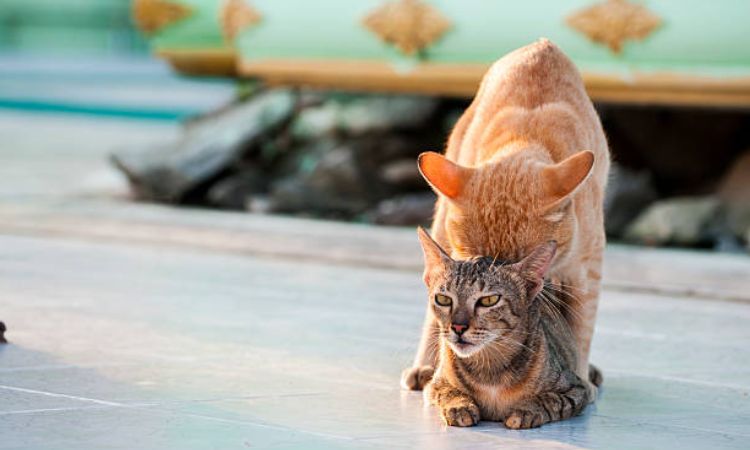
Breeding season is the time when cats can mate and have kittens. Female cats enter heat cycles, called estrus, during this time. They are fertile and ready to mate.
Male cats become more active and look for females in heat. The breeding season usually starts in spring and ends in fall. It depends on daylight and temperature.
Factors Influencing Breeding
Several factors affect when cats breed. One main factor is daylight. Longer days in spring trigger breeding behavior. Shorter days in fall stop it.
Temperature also matters. Warmer weather encourages breeding. Indoor cats may breed all year due to artificial light and warmth.
Age and health of the cat influence breeding too. Young and healthy cats breed more easily. Stress and poor diet can delay or stop breeding.
Typical Breeding Season Length
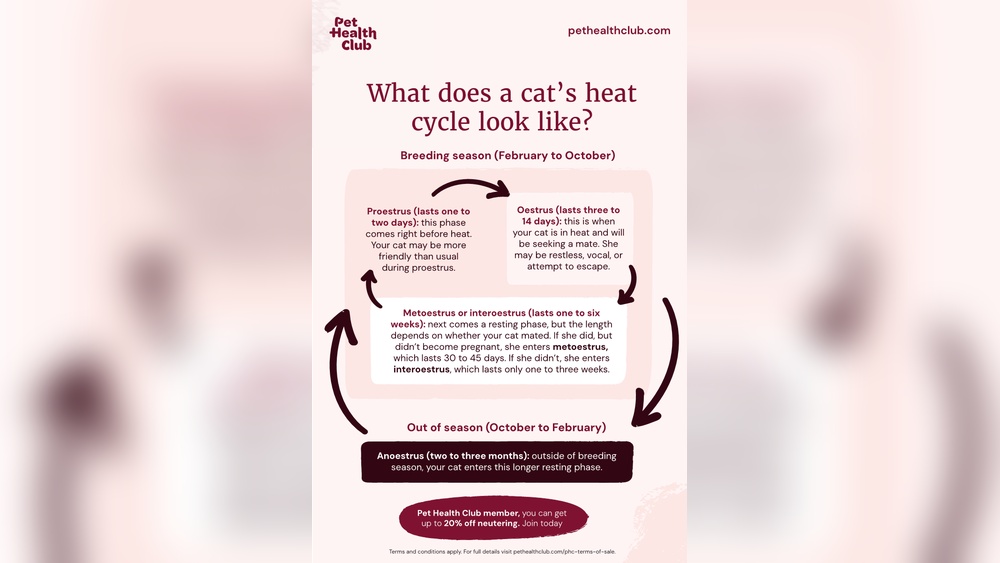
Cats do not have a fixed breeding season like some animals. Their breeding season can last several months. It depends on light and temperature. These factors affect the cat’s hormone cycle. Most cats breed during the warmer months when days are longer.
Understanding the typical length of the breeding season helps cat owners and breeders plan better. It can also help in managing cat populations and health.
Average Duration
The average breeding season for cats lasts about six months. It usually starts in early spring and ends in late fall. During this time, female cats come into heat repeatedly. Each heat cycle lasts about a week. Cats can have multiple litters in one season.
Variations By Breed
Some cat breeds have shorter or longer breeding seasons. Breeds from warmer climates often have longer seasons. For example, Siamese cats may breed almost year-round. Breeds from colder areas may have shorter seasons. These differences are due to natural adaptation to their environment.
Environmental Influences
Cats’ breeding seasons change based on their surroundings. Their environment plays a big role in when they are ready to mate. Light and temperature mainly affect these changes. Different living conditions also change the length of the breeding season.
Understanding how the environment affects cats helps pet owners manage breeding better. It also explains why some cats breed year-round while others have shorter seasons.
Role Of Light And Temperature
Light is a key trigger for cat breeding. Longer daylight hours tell cats that spring and summer are near. This signal starts the breeding season. When days grow shorter, the breeding activity slows down or stops.
Temperature also matters. Warmer weather supports breeding. Cold temperatures make cats less active and reduce their chances to breed. These natural signals help cats time their breeding for the best survival of kittens.
Indoor Vs Outdoor Cats
Indoor cats often have a different breeding season than outdoor cats. Indoor cats get steady light and warmth all year. This can make their breeding season longer or even year-round.
Outdoor cats follow natural light and temperature changes. Their breeding season is shorter and matches the natural cycle of the seasons. This difference is important for cat owners to know. It helps in planning care and managing cat populations.
Credit: www.purina.com
Signs Of Heat In Cats
Cats in heat show clear signs that tell you they are ready to mate. Understanding these signs helps you care for your cat better. These signs fall into two groups: behavioral changes and physical indicators.
Behavioral Changes
Cats in heat become more vocal than usual. You might hear loud meowing or yowling. They also show more affection, rubbing against furniture or people. Some cats try to escape the house to find mates. Restlessness and pacing are common signs too. They may also raise their hindquarters when petted.
Physical Indicators
The cat’s tail position changes often during heat. She may hold it to the side, exposing her rear. Swelling of the genital area is another sign. You might notice a slight discharge from the vulva. These signs usually last several days each cycle.
Breeding Frequency And Cycles
Understanding a cat’s breeding frequency and cycles helps in caring for them better. Female cats go through natural stages that prepare them to mate. These cycles repeat regularly during the breeding season. Knowing about these cycles can guide pet owners in managing their cats’ health and behavior.
Each cycle involves changes in hormones, which affect the cat’s mood and actions. The cycles continue until the cat becomes pregnant or the breeding season ends. Let’s explore how these cycles work and how often they occur.
Estrus Cycle Explained
The estrus cycle is the heat cycle in female cats. It starts when a cat becomes sexually mature, usually around six months old. The cycle has several phases, but the most important is estrus, or heat. During estrus, the cat is fertile and ready to mate.
This phase lasts about four to seven days. If the cat does not mate, the cycle will repeat. The cycle repeats every two to three weeks during the breeding season. Hormones cause physical and behavioral changes, such as loud vocalizing and restlessness.
How Often Cats Go Into Heat
Cats can go into heat multiple times in a single breeding season. Typically, a cat may experience heat every two to three weeks. The breeding season usually lasts from early spring to late fall. This means a cat can have up to six or more cycles in one season.
Indoor cats with artificial light may have longer or year-round cycles. Outdoor cats usually follow natural daylight patterns. Without mating, the heat cycles continue until the season ends or the cat becomes pregnant.

Credit: vetster.com
Impact Of Age And Health
Age and health play a big role in a cat’s breeding season. They affect how long and how often a cat can mate. Younger cats and older cats have different breeding patterns. A cat’s health also changes the length of the breeding season.
Breeding Season In Kittens Vs Adults
Kittens usually start their first heat around six months old. Their breeding season is not as strong as adults. Young cats may have irregular cycles. Adult cats have clearer, more regular heat cycles. They can breed several times a year. Older cats might have shorter or fewer cycles. Age changes how a cat’s body reacts to breeding.
Health Factors Affecting Breeding
Good health is key for a strong breeding season. Illness can stop or shorten heat cycles. Cats with poor nutrition may not cycle well. Stress and injury also affect breeding. Healthy cats have longer, more frequent breeding seasons. Regular vet checks help keep cats healthy. Strong health means better chances for breeding success.
Managing Breeding Season
Managing a cat’s breeding season helps keep both cats and owners calm. It reduces stress for your pets and controls the cat population. Understanding how to handle this period is important for pet health and home peace.
Proper care during breeding season can prevent unwanted litters. It also helps maintain your cat’s well-being. Let’s explore key ways to manage this time effectively.
Spaying And Neutering Benefits
Spaying and neutering stop cats from reproducing. These procedures lower the risk of some diseases. They can reduce aggressive behavior and roaming tendencies.
Fixed cats tend to be calmer and healthier. They avoid heat cycles that cause loud yowling and restlessness. This helps keep your home quieter and your cat happier.
Caring For Pregnant Cats
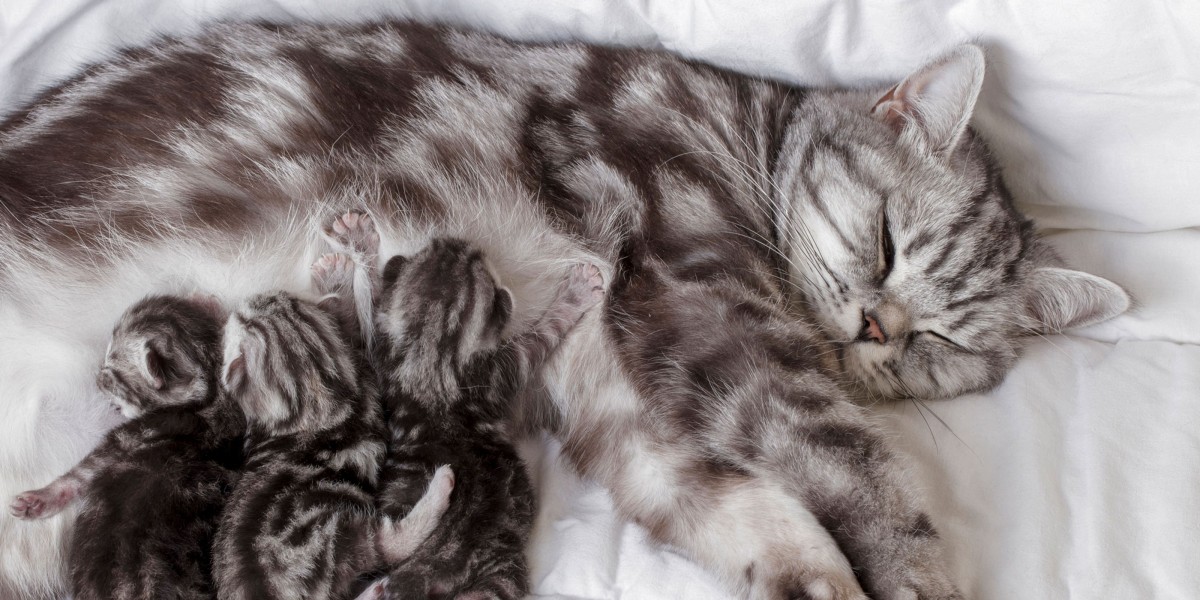
Pregnant cats need extra care and quiet space. Provide a warm, safe area for them to rest. Feed a high-quality diet rich in nutrients.
Regular vet visits ensure the cat and kittens stay healthy. Avoid loud noises and stressful situations. Gentle handling supports a smooth pregnancy and delivery.
Frequently Asked Questions
How Long Does A Cat Breeding Season Usually Last?
A cat breeding season typically lasts from early spring to late fall. It spans about 6 to 9 months, depending on climate and environment. Warmer regions may have longer breeding seasons, while colder areas see shorter periods.
When Do Cats Enter Their Breeding Season?
Cats usually enter breeding season in early spring, around March or April. This period coincides with increased daylight hours, which triggers hormonal changes. It continues through summer and ends by late fall.
How Often Do Cats Go Into Heat During Breeding Season?
Female cats can go into heat every 2 to 3 weeks during breeding season. Each heat cycle lasts about 4 to 7 days. If not bred, they will repeat cycles until the season ends or pregnancy occurs.
Does Breeding Season Affect Indoor Cats Too?
Yes, indoor cats can experience breeding season behaviors if exposed to natural light cycles. Artificial lighting can sometimes disrupt this cycle. However, indoor cats may have less pronounced or irregular heat cycles compared to outdoor cats.
Conclusion
Cat breeding season usually lasts several months each year. Most cats breed in spring and summer when days are longer. This helps kittens grow in warmer weather. Some cats can breed more than once a year, especially in mild climates.
Understanding the season helps pet owners care for their cats better. It also helps avoid unwanted litters. Knowing this timing keeps cats healthy and happy. Remember, caring for cats means knowing their natural cycles well. That’s the key to responsible pet ownership.