

Have you ever wondered just how many different cat breeds exist across the world? If you’re curious about the variety of feline friends out there, you’re in the right place.
From fluffy to sleek, tiny to large, cats come in many shapes, sizes, and personalities. Understanding the number of cat breeds can change the way you see your own pet and open your eyes to new possibilities. Keep reading to discover the fascinating world of cat breeds and find out which one might be the perfect match for you.
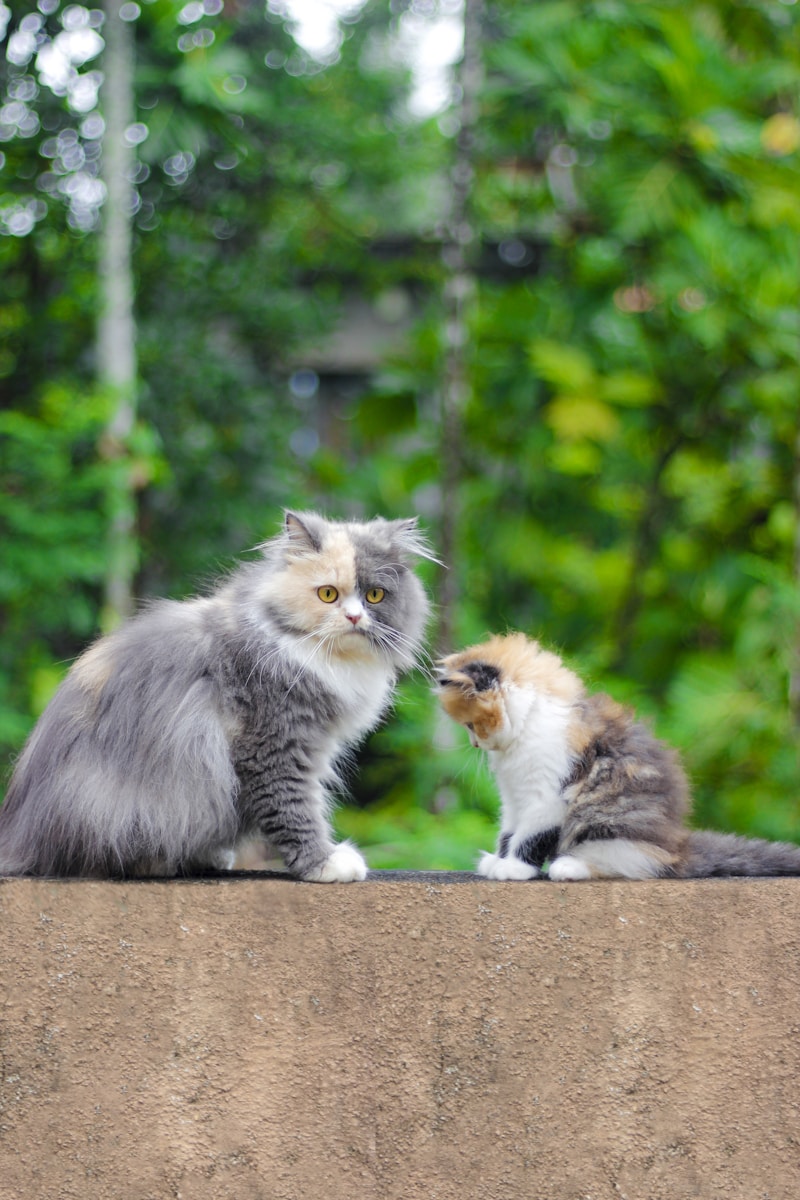
Credit: katesk9petcare.com
Global Cat Breed Count
Cats come in many shapes, sizes, and colors. Each breed has unique traits and history. Knowing how many cat breeds exist helps cat lovers appreciate this diversity.
The global count of cat breeds varies. Different organizations recognize different numbers. Some breeds are popular worldwide, while others are rare or local.
Official Cat Breed Lists
Major cat associations list recognized breeds. The International Cat Association (TICA) counts over 70 breeds. The Cat Fanciers’ Association (CFA) recognizes about 44 breeds. These lists change as new breeds emerge or gain acceptance.
Factors Affecting Breed Counts
Breed counts depend on criteria like genetics and appearance. Some breeds are hybrids or new creations. Some organizations include experimental breeds. Others only list established breeds with stable traits.
Rare And Local Cat Breeds
Some breeds exist only in small regions. These rare breeds often have few registered cats. They may not appear on global lists. Their unique traits add to the world’s cat diversity.
Major Cat Breed Groups
Cat breeds around the world fall into three main groups. Each group has unique traits and origins. Knowing these groups helps understand the variety of cats.
Natural Breeds
Natural breeds come from wild cats that adapted to their homes. These cats changed over time without human help. Examples include the Maine Coon and the Norwegian Forest Cat. They often have thick coats and strong bodies.
Hybrid Breeds
Hybrid breeds result from crossing domestic cats with wild cats. This mix gives them wild looks but gentle behavior. The Bengal and Savannah cats belong here. These cats are active and need space to play.
Man-made Breeds
Man-made breeds come from careful breeding by humans. Breeders select traits like color or personality. The Siamese and Persian cats are famous examples. They often have unique features and calm temperaments.
Popular Cat Breeds Worldwide
Many cat breeds charm people around the world. Each breed has unique traits and looks. Some cats are known for their beauty. Others for their friendly nature or playful spirit. Here are some popular cat breeds loved globally.
Siamese
Siamese cats have striking blue eyes and sleek bodies. They are very vocal and social. These cats love to be around people. Their short coat has a cream color with dark points. Siamese cats are playful and intelligent pets.
Maine Coon
Maine Coons are large cats with long, thick fur. They have big paws and tufted ears. These cats are gentle giants. Maine Coons enjoy playing and are good with children. Their friendly nature makes them great companions.
Persian
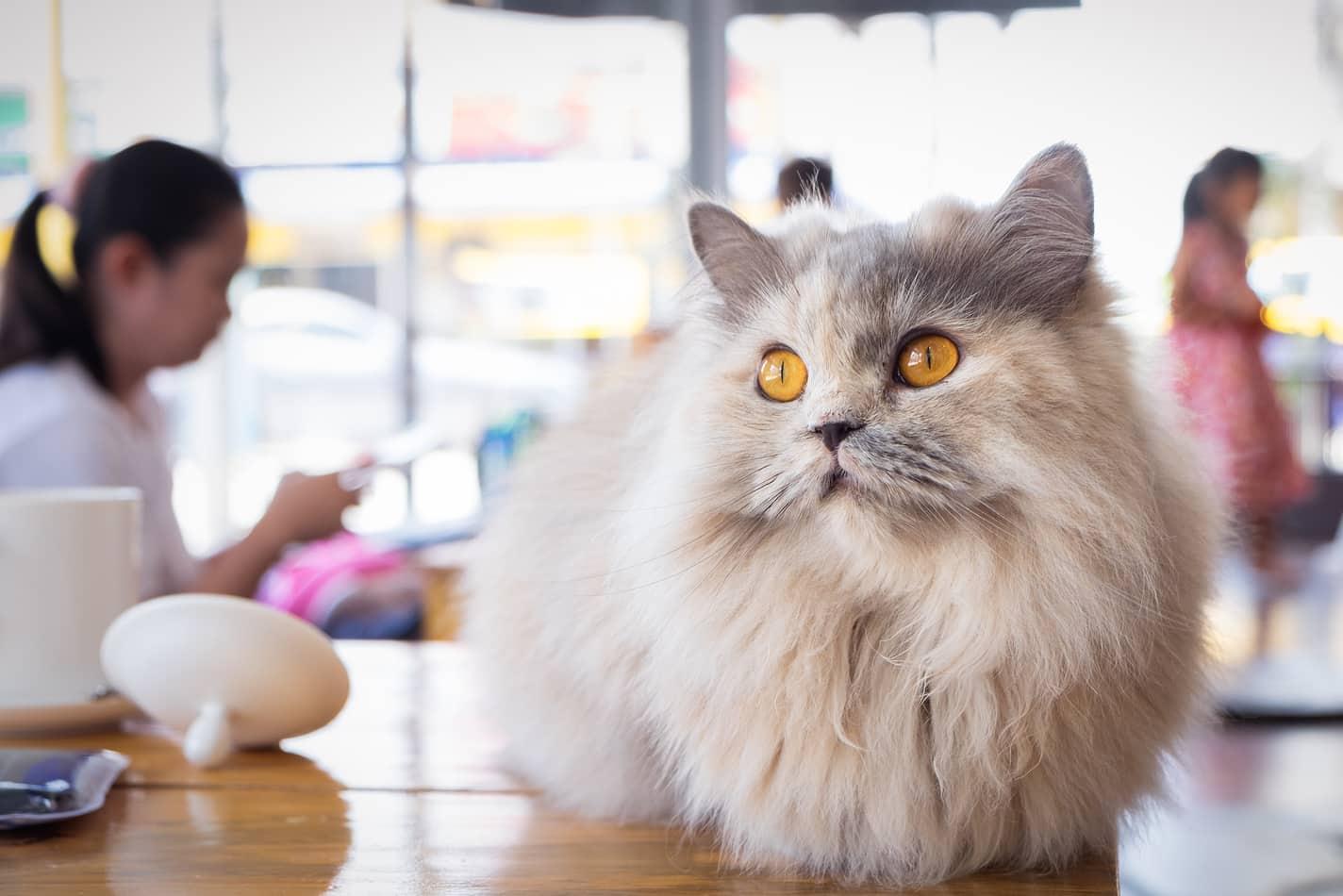
Persians have long, fluffy coats and flat faces. They look very elegant and calm. These cats prefer quiet homes and gentle handling. Persians need regular grooming because of their thick fur. They are quiet and loving pets.
Bengal
Bengal cats have a wild appearance with spotted coats. They are active and love to climb. Bengals enjoy playing and need lots of attention. Their unique look comes from crossing domestic cats with wild cats. Bengals are smart and curious animals.
Credit: www.hillspet.com.au
Rare And Exotic Cat Breeds
Rare and exotic cat breeds attract many cat lovers. These cats have unique looks and traits. They often come from special places. Their stories and appearances make them stand out in the cat world.
Many rare breeds are hard to find. Some are new, while others have a long history. They offer variety beyond common cat breeds. Let’s explore some of the most fascinating rare and exotic cats.
Kurilian Bobtail
The Kurilian Bobtail has a short, fluffy tail. It looks like a rabbit’s tail. This breed comes from the Kuril Islands, between Russia and Japan. Kurilian Bobtails are strong and good hunters. They love water and can swim well. Their friendly nature makes them great pets.
Serengeti
The Serengeti cat has long legs and large ears. It looks like a small wild cat. This breed was created to look like the African serval. Serengetis are active and playful. They enjoy climbing and running. Their spotted coat is very eye-catching.
Peterbald
The Peterbald is a hairless or short-haired breed from Russia. It has a slim body and big ears. Peterbalds are very social and love attention. They often act like dogs, following their owners around. Their smooth skin feels warm and soft to touch.
Cat Breed Recognition Organizations
Cat breed recognition organizations play a key role in identifying and classifying cat breeds worldwide. These groups set the standards for each breed’s appearance and traits. They help cat lovers, breeders, and judges understand the differences between breeds. Each organization has its own list of recognized breeds. This affects how many cat breeds are officially counted across the world.
Cfa
The Cat Fanciers’ Association (CFA) is one of the oldest cat breed organizations. Founded in 1906, it focuses mainly on North America. CFA recognizes about 45 different cat breeds. It sets strict rules for breed standards and organizes cat shows. Their standards guide breeders and help maintain breed quality.
Tica
The International Cat Association (TICA) is known for its global reach. Started in 1979, TICA recognizes more than 70 cat breeds. It allows new breeds to be shown and judged during development. TICA promotes breed diversity and supports both pedigreed and non-pedigreed cats.
Fife
The Fédération Internationale Féline (FIFe) is a European-based cat organization. It was formed in 1949 and includes many countries. FIFe recognizes around 50 cat breeds. The group focuses on breed standards and international cat shows. FIFe’s work helps unify breed rules across member countries.
Wcf
The World Cat Federation (WCF) is a large international cat group. Founded in 1988, it works mainly in Europe and South America. WCF recognizes about 70 cat breeds. It promotes breed standards and organizes many cat events worldwide. WCF supports breeders and cat owners with education and resources.
Factors Affecting Breed Classification
Classifying cat breeds is not always simple. Various factors affect how experts identify and count breeds worldwide. These factors shape the way breeds are recognized and defined by different organizations.
Understanding these factors helps explain why the number of cat breeds varies between sources. Some breeds may be counted separately, while others are grouped together. The following sections highlight the key elements influencing breed classification.
Genetic Differences
Genetic makeup is the main factor in breed classification. Each breed has unique genes that affect its appearance and behavior. Scientists study DNA to find these differences.
Some breeds share similar genes, making classification tricky. Minor genetic changes can create new breeds over time. Genetic testing helps confirm which cats belong to which breed.
Geographical Influence
Where a cat lives affects its breed status. Many breeds come from specific regions or countries. Local climate and environment shape the cat’s traits.
Some breeds spread worldwide, but others remain rare in their home area. This can affect how breed organizations recognize them. Geographic isolation may lead to new breeds forming.
Breed Standards
Breed standards are official rules for identifying cat breeds. Organizations create these standards to describe each breed’s look and personality. They include details like fur color, eye shape, and size.
Different groups may have different standards for the same breed. This causes variations in breed recognition. Breeders follow these standards to keep breed traits consistent.
How New Breeds Emerge
New cat breeds appear over time through different natural and human-driven methods. These processes change the cat’s traits and create unique breeds. Understanding how new breeds form helps appreciate the diversity in the cat world.
Selective Breeding
Selective breeding involves choosing cats with specific traits to mate. Breeders focus on features like fur color, pattern, or behavior. Over generations, these traits become stronger in the breed. This method helps develop breeds with clear, distinct characteristics.
Genetic Mutations
Sometimes, new traits come from genetic mutations. These changes happen naturally in a cat’s DNA. If a mutation creates a desirable trait, breeders may try to keep it. Mutations can lead to unique looks or health traits in new breeds.
Crossbreeding
Crossbreeding mixes two different cat breeds. This combines traits from both parents. The goal is to create a new breed with features from each. Crossbreeding expands the variety of cats and introduces fresh traits.
Credit: kaleela.com
Choosing The Right Cat Breed
Choosing the right cat breed is important for a happy pet and owner. Each breed has unique needs and traits. Knowing these helps find a cat that fits your lifestyle. This makes caring for your cat easier and more enjoyable. Think about personality, care needs, and your living space.
Personality Traits
Cat breeds differ in how they act and behave. Some cats are playful and active. Others prefer quiet and calm times. Some breeds love being around people. Others enjoy alone time. Understanding a breed’s personality helps avoid surprises. It makes living with your cat better.
Care Requirements
Different breeds need different levels of care. Some cats need daily brushing because of long hair. Others shed less and need less grooming. Some cats need special diets or health checks. Knowing care needs helps prepare for pet ownership. It keeps your cat healthy and happy.
Living Environment
Your home affects which cat breed suits you. Some cats do well in small apartments. Others need space to run and climb. Some breeds adapt well to families with children. Others prefer quiet homes without much noise. Matching your cat’s needs to your home makes life easier for both.
Frequently Asked Questions
How Many Cat Breeds Exist Worldwide?
There are approximately 70 to 75 recognized cat breeds globally. Different cat associations may list slightly varied numbers due to classification differences.
Which Cat Breed Is The Most Popular Globally?
The Domestic Shorthair is the most common and popular cat breed worldwide. Its adaptability and friendly nature make it a favorite pet.
How Are Cat Breeds Officially Recognized?
Cat breeds are recognized by organizations like CFA and FIFe. Recognition depends on breed standards, genetics, and consistent traits over generations.
Do New Cat Breeds Still Emerge Today?
Yes, new cat breeds are developed through selective breeding. Breeders focus on unique traits, health, and temperament to establish new breeds.
Conclusion
Cats come in many breeds, each with unique traits. Over 70 recognized cat breeds exist worldwide. Some are common, while others are rare and special. Knowing these breeds helps us understand cats better. Every breed has its own charm and personality.
Whether you want a playful or calm cat, there is a breed for you. Exploring cat breeds can be fun and interesting. The world of cats is rich and full of variety. Keep learning to appreciate these wonderful animals more.