
Have you ever wondered how many different cat breeds exist? If you’re a cat lover, knowing the variety can help you appreciate these furry friends even more.
From fluffy to sleek, playful to calm, each breed has its own unique charm. You’ll discover just how many cat breeds there really are and what makes each one special. Keep reading—you might find your perfect feline match!
Credit: catopedea.com
Cat Breed Count
The number of cat breeds worldwide varies depending on different factors. Cat breed count is not fixed. It changes based on how breeds are recognized and classified. Each cat registry has its own list of breeds. Some include rare breeds, while others focus on popular ones. Understanding these differences helps to know the true variety of cat breeds.
Recognized Cat Breeds Worldwide
Cat breed recognition depends on official cat organizations. The International Cat Association (TICA) recognizes over 70 breeds. The Cat Fanciers’ Association (CFA) lists about 45 breeds. The Fédération Internationale Féline (FIFe) accepts around 50 breeds globally. Each organization sets its own breed standards. These standards decide which cats count as a breed.
Some breeds appear in many registries, like the Siamese or Persian. Others may only be recognized by one organization. Rare breeds can be excluded from some lists. This causes variation in the total count of cat breeds worldwide.
Variations Among Cat Registries
Each cat registry has unique rules for breed recognition. Some accept new breeds faster than others. Some require strict genetic proof before recognizing a breed. This affects how many breeds each registry lists. For example, TICA includes newer breeds like the Toyger. CFA tends to be more conservative in breed acceptance.
These differences mean breed counts vary. A breed accepted by one registry may not be recognized by another. Some registries group similar cats as one breed. Others split them into several distinct breeds. This makes the total number of cat breeds flexible and always changing.
Credit: www.mainecooncentral.com
Popular Cat Breeds
Cats come in many shapes, sizes, and personalities. Popular cat breeds are loved for their unique looks and friendly nature. Some breeds are common household pets. Others are rarer and have exotic features. Each breed has its own charm and story.
Top Domestic Cat Breeds
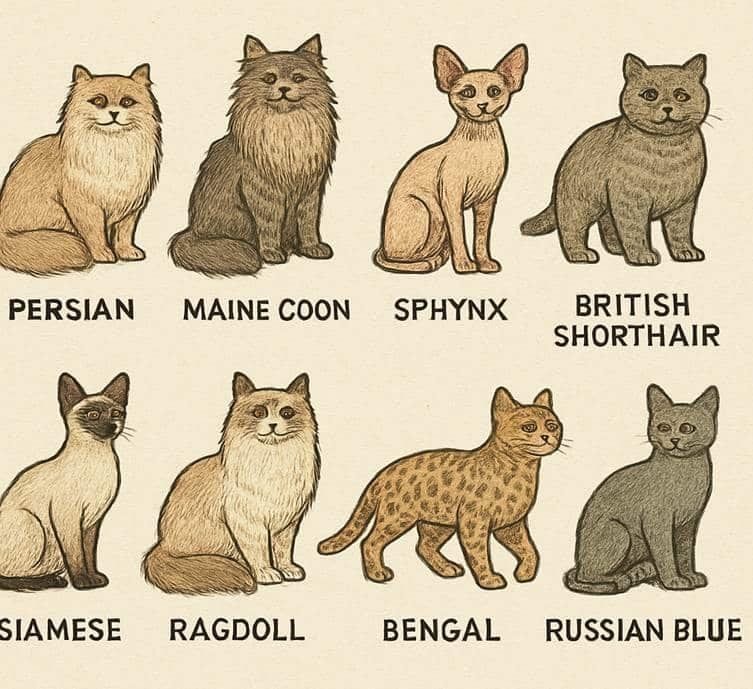
Domestic cats are the most common pets worldwide. The American Shorthair is strong and friendly. The British Shorthair is round-faced and calm. The Maine Coon is large with long fur and a gentle heart. The Siamese is vocal and loves attention. These breeds fit well in family homes and are easy to care for.
Famous Exotic Breeds
Exotic breeds have striking looks and unusual traits. The Bengal cat has wild leopard-like spots. The Sphynx is hairless and warm to touch. The Scottish Fold has folded ears that give a unique look. The Russian Blue has a shiny blue-gray coat and bright green eyes. These cats attract attention and add variety to the cat world.
Breed Categories
Cat breeds are grouped into different categories based on their fur type and appearance. These categories help identify cats by their coat length and texture. Understanding these groups makes it easier to learn about the many breeds that exist.
Each category has unique traits that make the cats special. Some have short fur, others long fur, and a few have no fur at all. Let’s explore these main breed categories.
Short-haired Cats
Short-haired cats have coats that are sleek and smooth. Their fur is easy to care for and does not tangle. Many popular breeds belong to this group, like the American Shorthair and Burmese. These cats are active and playful. Their short fur helps them stay cool in warm weather.
Long-haired Cats
Long-haired cats have thick, flowing coats that look soft and fluffy. They need regular grooming to avoid mats and tangles. Breeds such as the Persian and Maine Coon fit here. These cats often look very elegant and calm. Their long fur keeps them warm in cold climates.
Hairless Cat Varieties
Hairless cats have little or no fur on their bodies. They feel warm and smooth to the touch. The Sphynx is the most famous hairless breed. These cats need special skin care to stay healthy. Hairless cats are friendly and love attention from their owners.

Credit: www.embracepetinsurance.com
Choosing The Right Breed
Choosing the right cat breed is important for a happy home. Each breed has unique traits that suit different lifestyles. Understanding these traits helps you find a cat that fits well with your family and daily routine. Focus on key factors like personality and care needs to make a smart choice.
Temperament And Personality
Every cat breed shows different behavior patterns. Some breeds are playful and energetic. Others prefer quiet and calm environments. Some cats enjoy being around people often. Others like more alone time. Think about how active you are and how much attention you can give. This helps match you with a cat that fits your energy and mood.
Care And Maintenance Needs
Cat breeds differ in grooming and health needs. Some have long fur that requires daily brushing. Others have short fur and need less care. Some breeds need special diets or regular vet visits. Consider how much time you can spend on care. Choose a breed that matches your ability to keep them healthy and happy.
Rare And Unique Breeds
Rare and unique cat breeds capture the imagination of many cat lovers. These breeds often have unusual features and limited numbers. They stand out from common breeds and offer something special to pet owners. Some of these cats are endangered, making them even more precious.
Exploring these rare breeds reveals fascinating stories and distinct traits. Their rarity makes them a treasure for collectors and enthusiasts. Understanding these cats helps protect their future.
Endangered Cat Breeds
Some cat breeds face the risk of disappearing forever. These endangered cats have very small populations. Breeds like the Kurilian Bobtail and Sokoke are examples. Their habitat or breeding numbers are often limited. Efforts by breeders and animal lovers aim to save them. Preserving these breeds keeps genetic diversity alive. It also honors their unique history and traits.
Unusual Physical Traits
Unique breeds often show strange or rare physical features. The Sphynx has almost no hair, giving it a striking look. The Scottish Fold has folded ears that make it stand out. Other breeds have extra toes, curly fur, or odd eye colors. These traits make each breed special and easy to recognize. They attract people who want a cat unlike any other.
Breed Origins
Cat breeds come from many different places and times. Each breed has a story about how it began. These origins help explain why cats look and act the way they do. Understanding breed origins reveals the rich history behind each type of cat.
Historical Backgrounds
Cat breeds often trace back centuries. Some breeds were prized by ancient civilizations. Others were bred for special skills or looks. For example, Siamese cats were favored in Thailand royal courts. Persian cats were popular in Europe during the 1600s. These stories show how humans shaped cat breeds over time.
Geographic Roots
Many breeds have clear geographic roots. The Maine Coon comes from the United States’ northeast. The Russian Blue originates in northern Russia. These locations shaped the cats’ features and behavior. Climate and environment influenced their fur, size, and temperament. Geography plays a key role in the diversity of cat breeds.
Breed Identification Tips
Identifying cat breeds can be tricky. Many cats share similar looks and traits. Knowing a few tips helps you spot breed differences easily. Focus on physical traits and behavior. These clues give a better idea of the cat’s breed.
Physical Features To Look For
Check the cat’s size and body shape. Some breeds are slender, others stocky. Look at the fur length and texture. Short, long, curly, or sleek fur varies by breed. Notice the coat color and pattern. Spots, stripes, or solid colors can be key clues.
Observe the head shape and ear size. Rounded or pointed ears make a difference. Eye color and shape also vary. Some breeds have large, round eyes, others narrow. Tail length and shape can help too. A curled or bushy tail is unique to some breeds.
Behavioral Clues
Each breed acts in its own way. Some cats are very playful and active. Others prefer calm and quiet time. Watch how the cat reacts to people. Friendly or shy behavior points to different breeds. Listen to their sounds too. Some breeds are talkative, others silent.
Notice their energy level during play. High energy cats may need more exercise. Relaxed cats often enjoy cuddling. Behavior gives hints about breed history. It shows how they lived and adapted over time.
Frequently Asked Questions
How Many Cat Breeds Exist Worldwide?
There are approximately 70 to 75 recognized cat breeds globally. Different cat associations may list slightly varied numbers. These breeds vary in size, coat type, and personality traits, offering a wide range of choices for cat lovers.
What Are The Most Popular Cat Breeds?
Popular cat breeds include the Persian, Maine Coon, Siamese, and Ragdoll. These breeds are loved for their unique appearances and friendly temperaments. Popularity can vary by region and cultural preferences.
How Do Cat Organizations Classify Breeds?
Cat organizations classify breeds based on genetics, physical traits, and lineage. Major bodies like CFA and TICA maintain breed standards to ensure consistency. Classification helps in breed recognition and preservation.
Are New Cat Breeds Still Being Developed?
Yes, new cat breeds are occasionally developed through selective breeding. Breeders aim to introduce unique traits or revive rare characteristics. Each new breed undergoes a recognition process by cat associations.
Conclusion
Cat breeds number in the hundreds worldwide. Each breed has unique looks and traits. Some cats are fluffy, others have short hair. Some love to play, others like to rest. Knowing about breeds helps you pick a pet. It also helps in caring for cats better.
Cats bring joy in many different ways. Exploring breeds can be fun and rewarding. Every cat is special in its own way. Choose the one that fits your lifestyle best.