

Are you passionate about cats and wondering how to turn that love into a rewarding career? Becoming a cat breeder could be the perfect path for you.
But it’s not just about having cute kittens—it takes knowledge, care, and responsibility to breed cats the right way. In this guide, you’ll discover the key steps to start breeding cats successfully, avoid common mistakes, and create a healthy, happy environment for your furry friends.
Ready to learn what it really takes? Keep reading to find out how you can become a confident and ethical cat breeder.
Starting Your Cat Breeding Journey
Starting your cat breeding journey is exciting and requires careful planning. This path needs knowledge, patience, and dedication. Before you begin, you must understand key steps to set a strong foundation. Each choice impacts your success and the health of your cats.
Focus on learning about breeds, their needs, and your goals. Clear planning helps you breed healthy cats that meet standards. This guide helps you start with confidence and care.
Choosing The Right Cat Breed
Select a breed that fits your lifestyle and interests. Some breeds need more care or space than others. Think about grooming, health issues, and temperament. Choose a breed you love and can care for well. This choice shapes your breeding experience.
Researching Breed Standards
Breed standards describe ideal traits for each cat breed. Study these rules carefully. They cover size, color, coat, and behavior. Knowing standards helps you breed cats that meet expectations. This knowledge also guides you in selecting breeding pairs.
Setting Clear Breeding Goals
Define what you want to achieve with breeding. Goals might include improving health, appearance, or temperament. Clear goals guide your decisions and efforts. They keep you focused on producing quality kittens. Write down your goals and review them often.
Preparing For Breeding
Preparing for breeding is an important step in becoming a successful cat breeder. It helps ensure the health and safety of both cats and kittens. Proper preparation can lead to healthy litters and happy cats. Take time to plan and organize everything before starting the breeding process.
Health Checks And Vaccinations
Start with a full health check for your cats. A vet can check for diseases and parasites. Vaccinations protect cats from common illnesses. Keep vaccination records updated and ready. Healthy cats are more likely to have healthy kittens. Regular vet visits are a must before breeding.
Selecting Breeding Cats
Choose cats with strong health and good temperaments. Look for traits you want to pass on to kittens. Avoid cats with genetic problems or bad behavior. Age matters; cats should be mature but not too old. Select cats with good physical features for the breed.
Creating A Safe Breeding Environment
Prepare a clean, quiet space for the breeding cats. Provide comfortable bedding and proper temperature control. Keep the area free from hazards and stress. Make sure cats have enough food and fresh water. A calm environment helps cats feel safe and relaxed.
Managing The Breeding Process
Managing the breeding process is a key part of becoming a successful cat breeder. It requires careful attention to your cat’s health and timing. Understanding each step helps ensure healthy kittens and happy cats.
Tracking Heat Cycles
Knowing your female cat’s heat cycle is essential. Heat cycles usually last 7 to 10 days. Signs include increased vocalization, restlessness, and rubbing against objects. Track these signs daily. Keep a calendar or journal to note the start and end dates. Accurate tracking helps you plan the best time for mating.
Mating Techniques
Introduce the male and female cats in a calm space. Allow them to sniff and explore each other slowly. Do not force mating; it must happen naturally. You may need to supervise to avoid fights. Multiple mating sessions over a few days improve chances of pregnancy. Always keep the environment quiet and stress-free during this time.
Pregnancy Care
Once your cat is pregnant, provide a quiet, warm area for her to rest. Feed her high-quality food with extra nutrients. Visit the vet for check-ups to monitor her health. Watch for any signs of illness or distress. Prepare a safe nesting box for the kittens before birth. Proper care during pregnancy leads to healthy kittens and a strong mother.

Credit: www.amazon.com
Caring For Kittens
Caring for kittens is a key part of becoming a cat breeder. Healthy kittens grow into strong cats. They need special care in their first weeks. Small steps help them thrive and develop well.
Understanding kitten needs helps breeders provide the best start. Care affects their health, behavior, and social skills. Let’s explore the main areas of kitten care.
Neonatal Care Basics
Kittens need warmth and cleanliness in their first days. Keep their bedding dry and cozy. Use a heating pad or warm water bottle with a towel. Avoid direct heat to prevent burns.
Watch kittens closely for feeding and breathing. Newborns sleep most of the time. Check their weight daily to ensure steady growth. If a kitten seems weak, contact a vet fast.
Socialization And Handling
Start gentle handling early to build trust. Hold kittens softly for short times several times a day. This helps them get used to people and touch. Early socialization reduces fear and stress later.
Expose kittens to quiet sounds and gentle play. Let them explore safe spaces under supervision. This builds confidence and good behavior. Avoid rough play or loud noises that scare them.
Weaning And Nutrition
Begin weaning at about four weeks old. Offer soft kitten food mixed with water or formula. Gradually reduce liquid to encourage eating solid food. Feed small amounts often to meet their energy needs.
Provide fresh water at all times. Choose high-quality kitten food with balanced nutrients. Good nutrition supports healthy growth and development. Monitor eating habits and adjust as needed.
Legal And Ethical Considerations
Starting as a cat breeder requires more than love for cats. Legal and ethical rules protect cats and breeders. Understanding these rules helps avoid problems. It also ensures the cats live happily and healthily. This section covers important legal and ethical points to guide you.
Licenses And Permits
Many places require special licenses for cat breeding. These licenses prove you meet health and safety rules. Check local laws to know which permits you need. Applying early saves time and avoids fines. Renew licenses as required to keep your business legal.
Animal Welfare Laws
Animal welfare laws protect cats from harm and neglect. These laws cover housing, food, and medical care. Breeders must provide clean and safe environments. Regular veterinary check-ups keep cats healthy. Following these laws prevents cruelty and legal trouble.
Ethical Breeding Practices
Ethical breeding means putting cats’ well-being first. Avoid breeding cats with genetic problems. Choose healthy cats with good temperaments. Do not breed too often; allow rest for females. Find good homes for kittens, ensuring they get proper care. Ethical breeders help improve cat health and happiness.
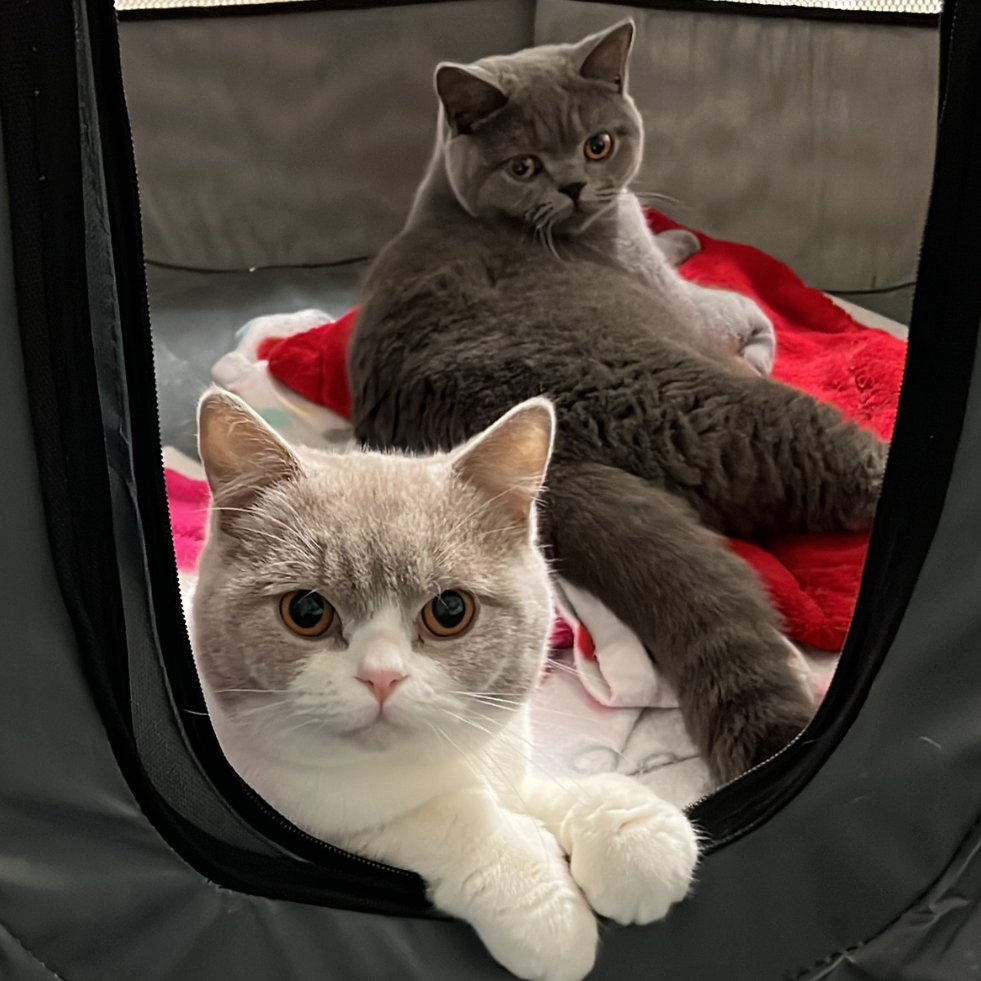
Credit: www.catbreedingforbeginners.com
Marketing And Selling Kittens
Marketing and selling kittens is a key part of being a successful cat breeder. It helps you find the right homes for your kittens. Good marketing builds trust and shows your care for the animals. Selling kittens responsibly means ensuring they go to loving families.
Each step in this process affects your reputation and future sales. Clear communication and honesty attract serious buyers. Let’s explore how to build a strong reputation, find good homes, and set fair prices.
Building A Reputation
Reputation is everything in cat breeding. Share photos and stories of your cats online. Use social media and breeder websites to reach people. Show your knowledge and love for the breed. Answer questions quickly and politely. Happy buyers will recommend you to others. Always be honest about the kitten’s health and traits. A good reputation leads to more trust and sales.
Finding Good Homes
Not every inquiry is the right match. Ask potential buyers about their home and experience with cats. Explain the needs of the breed clearly. Offer advice on kitten care and feeding. Make sure buyers understand the time and cost involved. A good home keeps the kitten safe and happy. Follow up with buyers after the sale to see how the kitten is doing. This shows you care beyond the sale.
Pricing Strategies
Set prices based on breed, health, and pedigree. Research other breeders’ prices to stay fair. Avoid setting prices too low or too high. Low prices can make people doubt quality. High prices may scare away buyers. Include costs like vaccinations and vet visits in the price. Be clear about what the price covers. Transparent pricing builds trust and helps buyers decide quickly.
Continuous Learning And Improvement
Becoming a successful cat breeder requires ongoing learning. The world of cat breeding changes often. New health discoveries and breeding techniques appear regularly. Staying updated helps you breed healthier cats. It also improves your knowledge and skills. Continuous learning makes your breeding efforts more effective and rewarding.
Joining Breeder Associations
Joining a breeder association connects you with experts. These groups share valuable information and resources. You gain access to breeding guidelines and support. Associations often offer newsletters and forums to discuss challenges. Being part of a community helps you grow as a breeder. It also builds your reputation and trustworthiness.
Attending Workshops And Shows
Workshops teach practical skills and latest breeding methods. Shows let you meet other breeders and see top cats. You learn about breed standards and judging criteria. These events provide chances to ask questions and get advice. Visiting often sharpens your understanding and networking. Exposure to real-world breeding improves your confidence.
Keeping Up With Health Advances
Health is a key part of responsible breeding. New tests and treatments appear regularly. Reading scientific papers and veterinary updates helps. You spot early signs of illness and prevent problems. Staying informed protects your cats and future kittens. It also shows buyers you care about your cats’ wellbeing.

Credit: www.catbreedingforbeginners.com
Frequently Asked Questions
What Qualifications Do I Need To Become A Cat Breeder?
You need knowledge of cat genetics, health, and breeding ethics. Experience with cats is essential. Some regions require licenses or permits. Joining breeder associations helps gain credibility and support.
How Much Does It Cost To Start Cat Breeding?
Initial costs include cat purchase, veterinary care, and supplies. Expect expenses for registration, equipment, and marketing. Budget for ongoing food, medical, and grooming needs. Costs vary by breed and location.
How Can I Ensure Healthy Kittens?
Select healthy breeding cats with good genetics. Provide proper nutrition and regular vet checkups. Maintain a clean, safe environment for mothers and kittens. Monitor kittens closely for early health issues.
What Legal Requirements Exist For Cat Breeders?
Requirements vary by region but often include licensing. You must follow animal welfare and breeding regulations. Proper record-keeping and sales documentation are essential. Check local laws before starting your breeding business.
Conclusion
Becoming a cat breeder takes time, care, and patience. You must learn about cat health and breed standards. Providing a safe and loving home is important. Keep records and follow breeding rules. Stay ready to solve problems and help cats grow healthy.
Enjoy the process and the joy cats bring. This path needs effort, but it can be very rewarding. Start small, keep learning, and love what you do.