
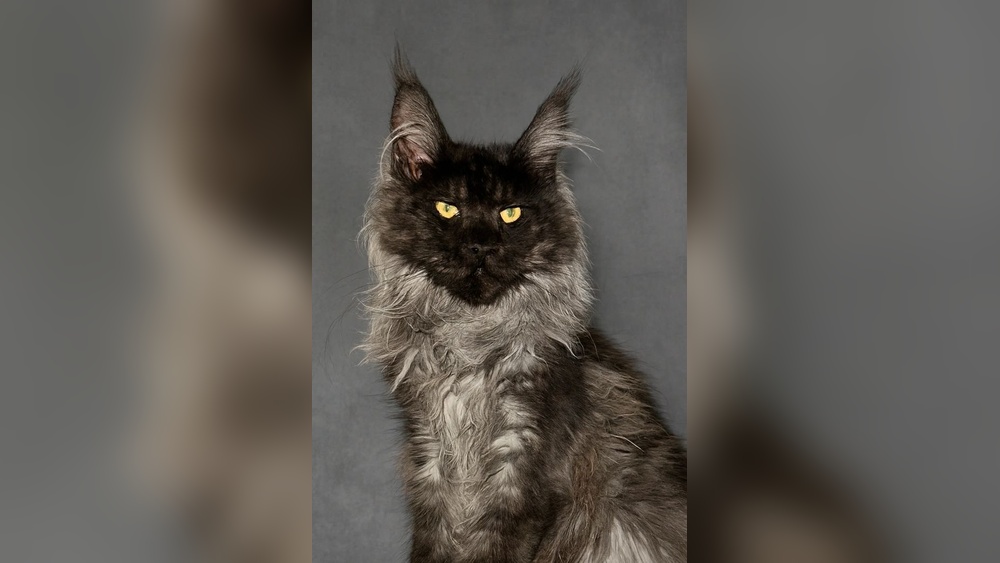
Are you passionate about Maine Coon cats and dreaming of turning that passion into a rewarding hobby or even a career? Becoming a Maine Coon cat breeder isn’t just about having beautiful cats; it’s about understanding their unique needs, health, and personality.
If you want to know how to start, what to expect, and how to do it right, this guide will give you clear, simple steps to help you succeed. Keep reading to discover everything you need to know to become a responsible and successful Maine Coon breeder.
Choosing Maine Coon Cats
Choosing the right Maine Coon cats for breeding is the first step. This choice affects the health and quality of future kittens. Picking good cats means better chances of success as a breeder.
Consider many factors. Health, traits, and pedigree all matter. Each plays a role in creating strong, beautiful Maine Coons.
Selecting Healthy Breeding Cats
Start with cats that are free from diseases. Check their medical history carefully. Vaccinations and regular vet visits are musts. Avoid cats with genetic or chronic illnesses. Healthy cats breed healthier kittens. Look for strong bodies and clear eyes. Active cats with good weight show good health.
Traits Of Top Maine Coons
Choose cats with classic Maine Coon features. Large size and muscular build stand out. Look for tufted ears and bushy tails. Their fur should be thick and shiny. Friendly and calm behavior is key. Maine Coons are known for being gentle giants. Their personality matters as much as looks.
Pedigree And Genetic Considerations
Study the cat’s family tree closely. Good pedigree lowers risks of health problems. Avoid inbreeding to keep genes strong. Use genetic tests to spot hidden issues. Understand traits passed from parents to kittens. Strong genetics lead to better breeding results.
Preparing Your Breeding Space
Preparing your breeding space is a key step in becoming a Maine Coon cat breeder. A well-organized area helps your cats feel secure and comfortable. It also supports healthy breeding and care. This section covers how to set up a proper space for your Maine Coons.
Creating A Safe Environment
Choose a quiet, low-traffic room for breeding. Ensure the space is free of hazards like sharp objects or toxic plants. Good ventilation is important for fresh air. Temperature should stay steady, not too hot or cold. Provide cozy hiding spots for your cats to relax. Safety reduces stress and helps cats breed successfully.
Essential Supplies For Breeding
Stock up on essential items before breeding starts. A sturdy litter box with clean litter is a must. Provide fresh water and high-quality food for nutrition. Soft bedding keeps mother cats and kittens comfortable. Use separate feeding bowls for different cats. Keep toys and scratching posts to keep cats active and happy.
Maintaining Cleanliness And Hygiene
Cleanliness is vital for healthy cats and kittens. Clean litter boxes daily to prevent odors and germs. Wash bedding regularly to remove dirt and hair. Disinfect feeding areas and water bowls often. Use pet-safe cleaning products only. Regular cleaning helps avoid infections and keeps your space pleasant.
Breeding Basics
Starting as a Maine Coon cat breeder involves learning the breeding basics. Understanding these basics helps ensure healthy cats and successful litters. Breeding requires attention to your cat’s health and natural cycles. Careful timing and management improve the chances of good matches and happy kittens.
Understanding Cat Reproductive Cycles
Cats have specific reproductive cycles called estrous cycles. Female cats go into heat several times a year. Each heat period lasts about 4 to 7 days. Knowing when your female cat is in heat is important. Signs include vocalizing, restlessness, and rubbing against objects. Tracking these signs helps plan the breeding process well.
Timing The Mating Process
Timing is key for successful mating. The best time is during the female’s heat cycle. The ideal moment is usually 2 to 3 days after heat starts. Mating too early or too late can reduce chances of pregnancy. Observing your cat closely helps catch the right timing. Patience and care make a big difference.
Managing Mating And Compatibility
Not all cats get along well for mating. Compatibility between the male and female is crucial. Watch their behavior during introductions. Calm and gentle interactions show good compatibility. Avoid forcing cats to mate if they show stress. Creating a safe, quiet environment helps mating go smoothly. Proper management leads to healthier kittens and less stress.

Credit: www.embracepetinsurance.com
Caring For Pregnant Cats
Caring for pregnant Maine Coon cats is key to healthy kittens. This time needs special attention and care. Pregnant cats need good food, health checks, and a calm space. Proper care helps the mother and her kittens stay strong. Knowing what to do during pregnancy can prepare you for a smooth birth.
Nutrition And Health Monitoring
Pregnant cats need more nutrients than usual. Feed high-quality, protein-rich food made for pregnant cats. Small, frequent meals help with digestion. Fresh water must always be available. Watch for any signs of illness or discomfort. Schedule regular vet visits to check the cat’s health. Keep vaccinations and parasite control up to date.
Recognizing Pregnancy Signs
Look for changes in behavior and body shape. Pregnant cats may become more affectionate or hide more often. Their nipples will grow pinker and larger. The belly will swell and become rounder after a few weeks. Weight gain is steady but gradual. If you suspect pregnancy, visit the vet to confirm it.
Preparing For Kitten Birth
Set up a quiet, warm nesting area for the cat. Use soft blankets or towels for comfort. Keep this space clean and away from noise. Learn the signs of labor, like restlessness or pacing. Have your vet’s contact ready for emergencies. Stay calm and give the cat space during delivery.
Kitten Care And Development
Proper kitten care is key to raising healthy Maine Coon cats. Early development shapes their behavior and health. Each stage requires special attention and care.
Knowing how to care for newborns helps ensure they grow strong. Socializing kittens builds their confidence and trust. Watching their growth helps catch problems early.
Neonatal Care Essentials
Newborn kittens need warmth and cleanliness. Keep their environment cozy, around 85-90°F (29-32°C). Use soft bedding and change it often. Check kittens regularly for feeding and breathing. Help the mother cat with grooming if needed. Provide a quiet place free from noise and stress. Avoid handling too much in the first week.
Socializing And Handling Kittens
Start gentle handling after the first week. Touch kittens softly to build trust. Introduce them to different sounds and sights. Play with them daily to encourage activity. Teach them to be comfortable with humans. This reduces fear and aggression later. Let them explore safely as they grow. Positive early experiences shape friendly adult cats.
Monitoring Growth And Health
Weigh kittens every day to track growth. Healthy kittens gain weight steadily. Look for signs of illness like coughing or diarrhea. Check their eyes and ears for cleanliness. Keep vaccinations and vet visits on schedule. Note changes in behavior or appetite. Early action helps prevent serious health issues. Keep detailed records for each kitten’s progress.

Credit: www.amazon.com
Health Testing And Genetics
Health testing and genetics play a key role in breeding healthy Maine Coon cats. Responsible breeders focus on these areas to avoid passing diseases to kittens. This section explains the main health tests and the importance of genetics. It also covers ways to prevent hereditary problems in your breeding program.
Screening For Common Diseases
Maine Coons face certain health risks. Screening helps find these early. Tests include heart checks and kidney function. Hypertrophic cardiomyopathy (HCM) is a common heart disease in Maine Coons. Regular heart ultrasounds detect HCM before symptoms show. Another concern is hip dysplasia, which affects joints. X-rays can identify this problem. Testing ensures cats are healthy before breeding.
Genetic Testing Importance
Genetic tests reveal if cats carry hidden genes for diseases. This helps avoid breeding cats with harmful genes. DNA tests are simple and fast. They check for conditions like spinal muscular atrophy (SMA) and polycystic kidney disease (PKD). Knowing genetic status helps plan safe pairings. It reduces the risk of sick kittens. Genetic tests improve the health quality of future litters.
Preventing Hereditary Issues
Good breeders choose cats with clean health records. Avoid breeding cats with known hereditary problems. Keep detailed health and genetic records for each cat. Use test results to select mates carefully. This lowers the chance of inherited diseases. Focus on strong, healthy bloodlines. Regular testing and smart breeding protect the breed’s future. Healthy kittens start with responsible breeding choices.
Legal And Ethical Responsibilities
Becoming a Maine Coon cat breeder carries important legal and ethical duties. These responsibilities protect the cats and ensure a healthy breeding environment. Understanding these duties helps maintain high standards and builds trust with buyers.
Licensing And Registration
Every breeder must have the right licenses to operate legally. These licenses vary by location and type of breeding. Registering your cattery with recognized cat associations is essential. This registration confirms your commitment to proper breeding practices.
Licenses help track breeders and prevent illegal activities. They also assure buyers that your Maine Coon cats come from a reliable source.
Animal Welfare Standards
Good breeders provide clean, safe, and comfortable homes for their cats. Proper nutrition, regular vet visits, and social interaction are vital. Sick or injured cats must get prompt care. Avoid overcrowding to reduce stress and illness.
These welfare standards protect the health and happiness of Maine Coon cats. Ethical breeders respect the needs of each cat and kitten.
Responsible Breeding Practices
Breeding requires careful selection to avoid genetic problems. Test parent cats for hereditary diseases before breeding. Breed only healthy cats with good temperaments and strong genetics. Limit the number of litters to protect the mother’s health.
Keep detailed records of all breeding activities. This transparency helps maintain breed quality and supports future breeders.
Marketing And Selling Kittens
Marketing and selling Maine Coon kittens requires careful planning and honest communication. Good marketing helps you find loving homes for your kittens. Selling kittens is not just about money. It is about matching the right kitten with the right family. This builds trust and protects the breed’s reputation.
Building A Reputation
Reputation grows from trust and quality. Show your care for Maine Coon cats clearly. Share stories and pictures of healthy, happy kittens. Talk about your breeding practices openly. Answer questions with honesty and patience. Join cat breeding groups and forums to connect with others. Positive reviews from buyers help a lot. A strong reputation brings more serious buyers.
Creating Effective Listings
Write clear and simple listings for each kitten. Include the kitten’s age, health status, and personality traits. Use good photos that show the kitten’s size and fur. Mention any vaccinations or vet visits. Explain your terms for sale, like deposits or contracts. Keep the tone friendly and professional. Good listings attract buyers quickly and reduce confusion.
Screening Potential Buyers
Check buyers carefully before selling a kitten. Ask about their home and experience with cats. Find out if they understand Maine Coon needs. Make sure they can provide a safe and loving home. Be ready to say no if you are unsure. A careful screening protects your kittens from harm. It also keeps the breed respected and loved.
Continuous Learning And Networking
Continuous learning and networking play a key role in becoming a successful Maine Coon cat breeder. The world of cat breeding changes often. New health research, breeding techniques, and show standards appear regularly. Connecting with other breeders and experts helps you stay informed. Building a strong network improves your skills and reputation.
Joining Breeder Associations
Breeder associations offer valuable resources and support. These groups provide access to breeding guidelines and health information. Members share advice and experiences. Joining an association shows your commitment to ethical breeding. It also connects you to a community of like-minded breeders. Some associations offer certification programs to boost your credibility.
Attending Cat Shows And Events
Cat shows are perfect for learning and networking. You see different Maine Coon cats and breeding styles. Judges offer feedback on your cats’ qualities. Events gather breeders, vets, and cat lovers. Talking to others helps you learn practical tips. You also find potential buyers or partners. Regular attendance builds your reputation in the Maine Coon community.
Staying Updated On Breeding Trends
Breeding trends can affect your success and cat health. New discoveries about genetics and care appear often. Reading breed magazines, research papers, and online forums keeps you informed. Follow trusted sources for the latest news. Adapting to new trends improves your breeding program. It helps you produce healthy, well-tempered Maine Coons that meet breed standards.
Credit: www.lovinglynx.com
Frequently Asked Questions
What Qualifications Are Needed To Breed Maine Coon Cats?
Breeding Maine Coons requires knowledge of genetics, cat health, and breed standards. Experience with cat care and responsible breeding practices is essential. Some regions may require licenses or permits for breeding.
How Do I Find Healthy Maine Coon Breeding Cats?
Look for cats with clean health records, vaccinations, and no genetic diseases. Choose cats with good temperament and meet Maine Coon breed standards. Reputable breeders and veterinarians can help verify health status.
What Are Common Challenges In Maine Coon Breeding?
Challenges include managing health issues, genetic defects, and ethical breeding practices. It also requires time, effort, and financial investment. Ensuring kittens’ socialization and finding good homes are important.
How Much Does It Cost To Start Maine Coon Breeding?
Initial costs include purchasing quality cats, veterinary care, and breeding supplies. Expenses range widely but expect several thousand dollars for a proper start. Ongoing costs include food, health checks, and kitten care.
Conclusion
Becoming a Maine Coon cat breeder takes patience and care. Learn about the breed’s needs and health first. Keep your cats happy and safe every day. Find a good vet and build trust with buyers. Stay honest and follow all breeding rules.
Enjoy watching your cats grow and thrive. This journey can be rewarding and full of joy. Take small steps and keep learning as you go. Success comes with time and dedication.