
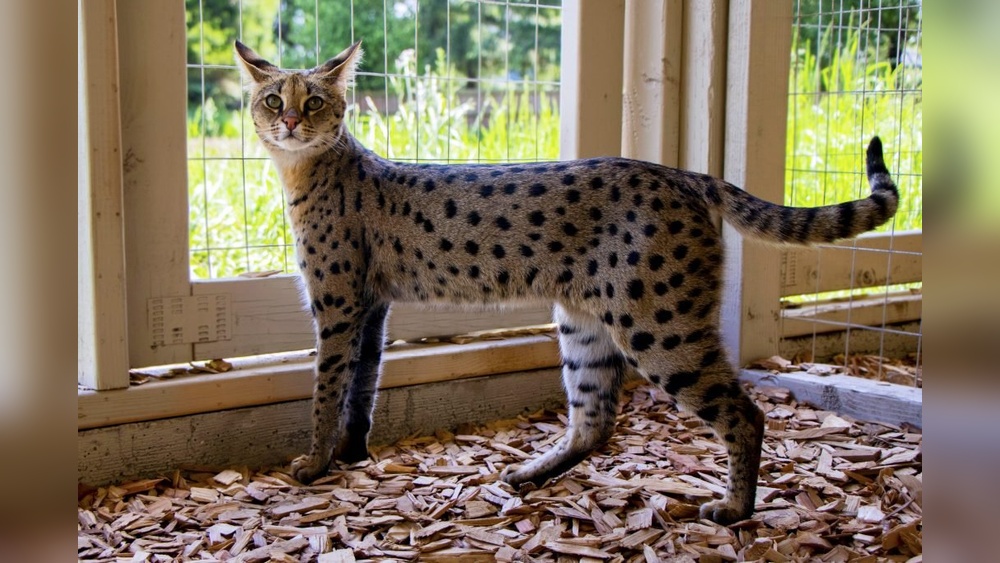
Are you fascinated by Savannah cats and dreaming of turning that passion into a rewarding breeding venture? Becoming a Savannah cat breeder isn’t just about love for these stunning cats—it’s about understanding the breed, caring for their unique needs, and building a responsible breeding practice.
If you want to know exactly what it takes to start, grow, and succeed as a Savannah cat breeder, this guide is made for you. Keep reading, and you’ll discover the essential steps to make your dream a reality while ensuring the health and happiness of your cats.
Choosing Savannah Cats
Choosing the right Savannah cats is key to starting a good breeding program. The breed’s unique traits need careful selection. Focus on cats that show strong health, good behavior, and clear lineage. This helps create healthy kittens that meet breed standards.
Selecting Breeding Stock
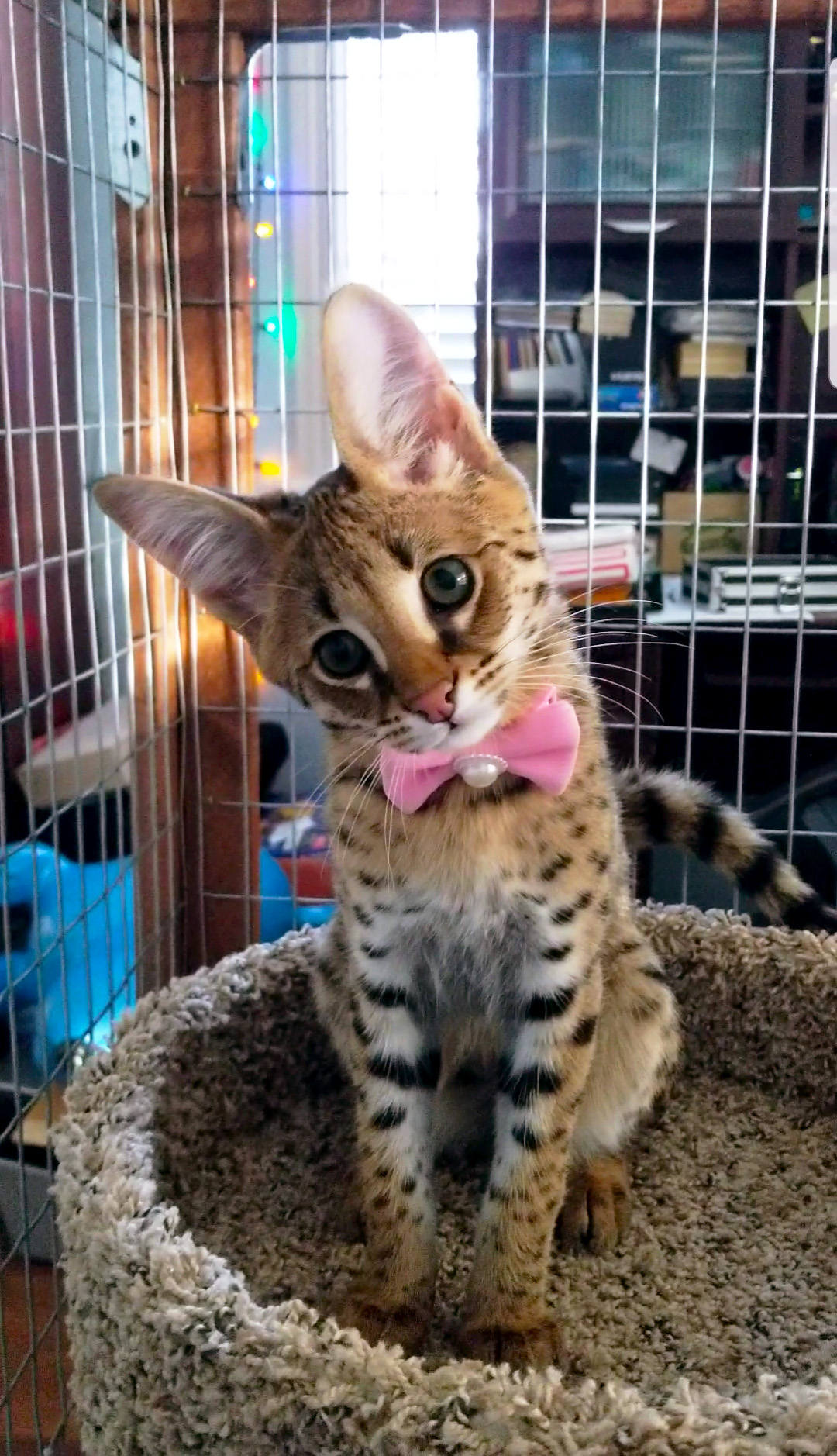
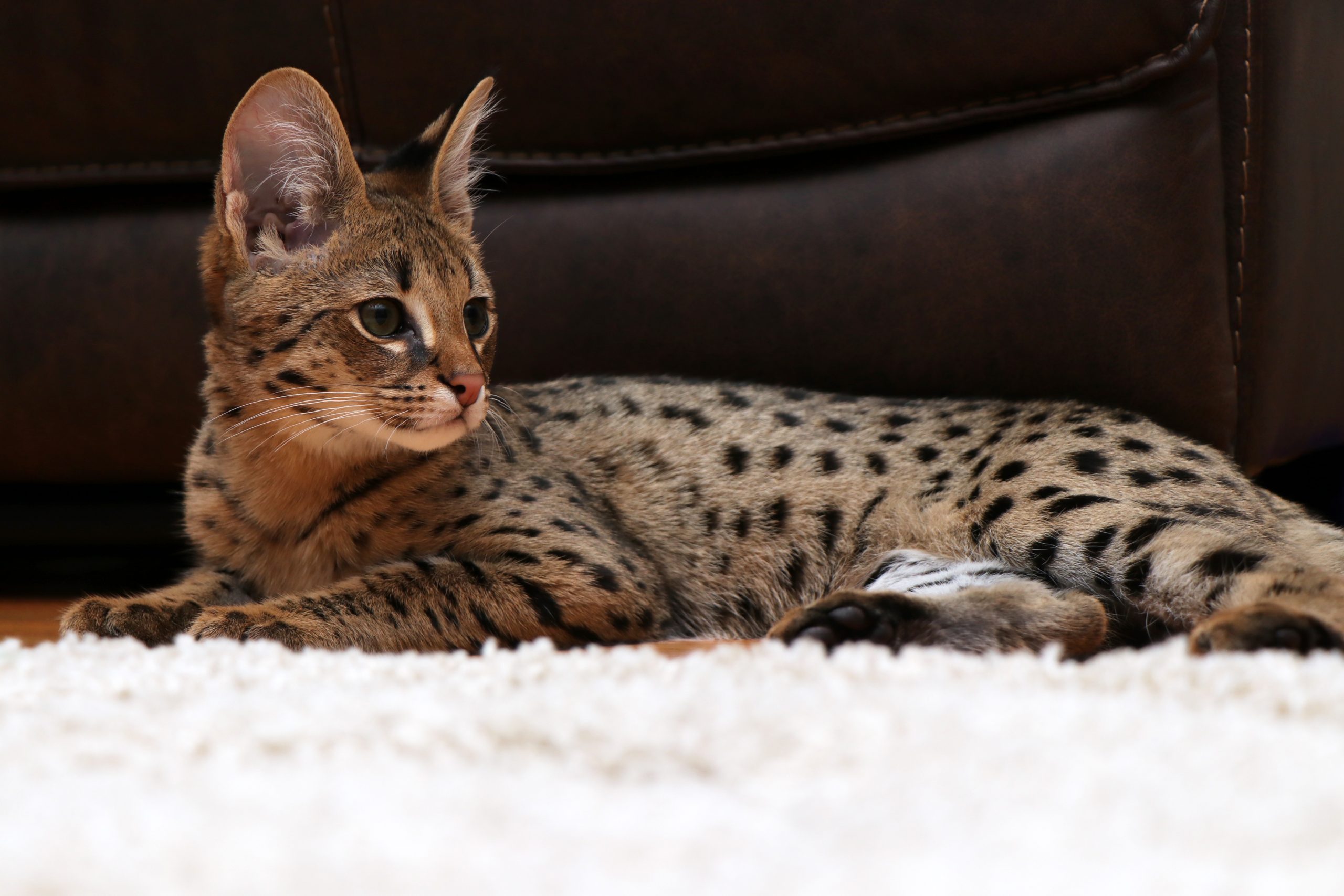
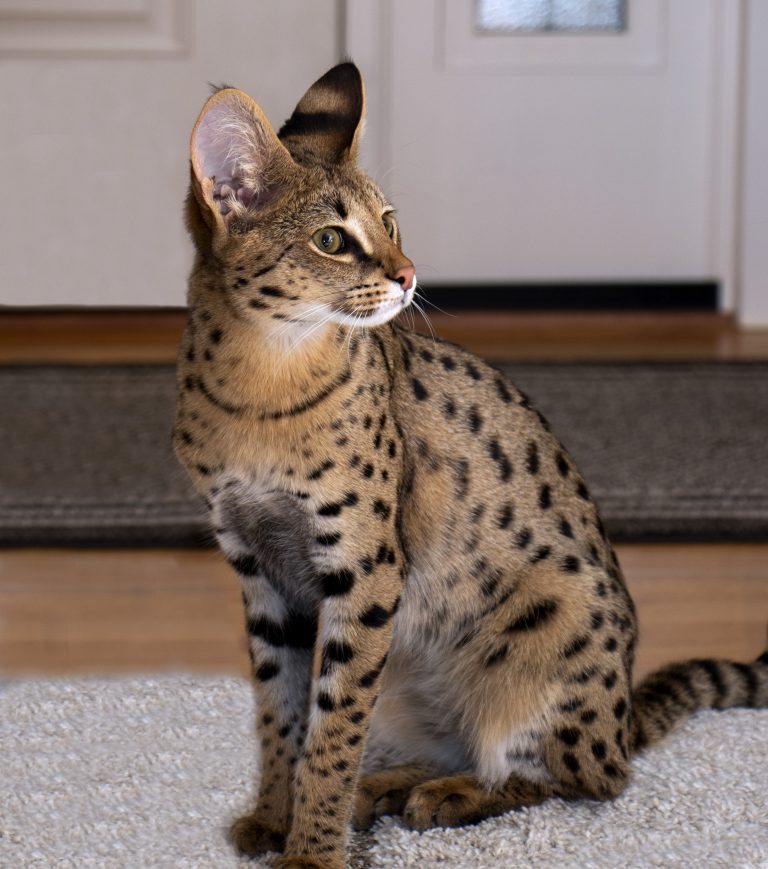
Choose cats with excellent physical features. Look for tall, lean bodies with large ears and spotted coats. These traits represent the wild look of Savannah cats. Select cats with strong genetic backgrounds to reduce health risks. Avoid animals with signs of illness or poor behavior. This ensures better offspring quality.
Understanding Cat Generations
Savannah cats have different generations, from F1 to F5 and beyond. F1 cats are the closest to their wild ancestors. Later generations look more like domestic cats. Each generation has unique care and breeding needs. Knowing generations helps you plan your breeding goals clearly. It also guides you in selecting the right mates.
Health And Temperament Traits
Health is crucial. Check for common Savannah cat health issues before breeding. Test for genetic diseases and ensure vaccinations are up to date. Temperament matters too. Choose cats that are friendly and social. Calm cats make better parents and pets. Good behavior traits pass on to kittens, creating a better breed reputation.
Credit: growingupsavannah.com
Setting Up Your Breeding Space
Setting up your breeding space is the first step to becoming a successful Savannah cat breeder. This space should be safe, clean, and comfortable for your cats. A well-prepared area helps keep the cats healthy and happy. It also makes breeding easier and more efficient.
Creating A Safe Environment
Choose a quiet room away from loud noises and heavy foot traffic. Make sure the area has good ventilation but no drafts. Keep the space free from harmful objects or plants. Provide soft bedding and cozy hiding spots. This creates a calm and secure place for the cats.
Essential Supplies And Equipment
Stock the space with litter boxes, food bowls, and fresh water dishes. Use high-quality cat food suited for breeding cats. Have a scale to monitor the cats’ weight. Prepare nesting boxes for pregnant females. Include toys and scratching posts to keep cats active.
Sanitation And Hygiene Practices
Clean the room daily to remove waste and dirt. Disinfect surfaces regularly to prevent illness. Wash bedding and blankets often. Use safe cleaning products that do not harm cats. Keep litter boxes clean to avoid odors and infections.
Breeding Process Basics
Breeding Savannah cats requires a clear understanding of the breeding process basics. Knowing how to manage the female’s cycle and handle mating is essential. Good timing and proper care lead to healthier kittens and a smoother breeding experience.
Each step must be done carefully and with patience. This section explains important parts of the breeding process to help you start on the right path.
Timing The Mating Cycle
Timing is key in breeding Savannah cats. Female cats go through heat cycles every few weeks during breeding season. The best time to mate is during the female’s fertile window. This usually lasts a few days after she enters heat. Tracking these cycles helps plan the mating day well.
Signs Of Heat And Fertility
Recognizing heat signs is important for successful breeding. A female in heat may become more vocal and affectionate. She might also lift her tail or show restlessness. These signs show she is ready for mating. Checking for fertility helps avoid missed chances.
Mating Techniques And Tips
Introduce the male and female in a calm, quiet space. Let them meet slowly to avoid stress. Watch their behavior closely during the first meeting. If they show interest, allow them to mate naturally. Do not force the process. Sometimes multiple attempts are needed for success.
Pregnancy And Kitten Care
Pregnancy and kitten care are crucial steps in Savannah cat breeding. Proper attention ensures the health of the mother and her kittens. This phase requires patience and careful observation. A calm environment helps reduce stress for the mother. Knowledge of the process prepares you for any challenges ahead.
Monitoring The Mother Cat
Watch the mother cat closely every day. Check her eating habits and energy levels. Note any changes in behavior or health. Keep a record of her weight gain during pregnancy. Regular vet visits are important to ensure her well-being. Provide a quiet, warm place for her to rest.
Preparing For Birth
Create a safe nesting area for the mother cat. Use soft blankets and keep the space clean. Ensure the area is away from noise and disturbances. Have clean towels and heating pads ready. Know the signs of labor, such as restlessness or nesting. Contact a vet if labor lasts too long or seems difficult.
Caring For Newborn Kittens
Check the kittens regularly to ensure they are warm and feeding. Keep the nesting box clean and dry. Handle the kittens gently and avoid loud noises. Watch for signs of illness or weakness in kittens. Help the mother if she struggles to feed or clean them. Early vet check-ups help catch health problems fast.
Health Management
Managing the health of Savannah cats is key to successful breeding. Healthy cats grow well and have strong babies. Careful health management protects your cats from diseases and keeps your breeding program reliable. It starts with good vaccination, understanding common health risks, and regular vet visits. These steps help maintain a happy and healthy cattery.
Vaccination Schedules
Vaccines protect Savannah cats from many serious illnesses. Follow a clear vaccination schedule for kittens and adults. Begin vaccinations at six to eight weeks old. Boosters are needed every few weeks until four months old. Adult cats require yearly vaccines to stay protected. Ask your vet for the right vaccines in your area.
Common Health Issues
Savannah cats can face health problems like kidney disease and heart issues. Parasites such as fleas and worms also affect them. Watch for signs of illness like poor appetite or lethargy. Early detection helps prevent serious problems. Healthy diet and clean living space reduce health risks.
Regular Vet Checkups
Routine vet visits keep your cats in top condition. Schedule checkups at least twice a year. Vets check for hidden health issues and update vaccines. They provide advice on diet and care. Regular exams catch problems early and save costs later.
Credit: growingupsavannah.com
Legal And Ethical Considerations
Becoming a Savannah cat breeder involves more than caring for cats. Legal and ethical rules guide breeders to protect animals and buyers. Understanding these rules helps keep breeding safe and fair. These rules also help maintain the breed’s health and reputation. Below are important points to know before starting.
Breeding Regulations
Breeders must follow local and national laws about animal breeding. These laws include permits, health checks, and record keeping. Some places require special licenses to breed Savannah cats. Ignoring rules can lead to fines or losing the right to breed. Know your area’s laws before starting your breeding program.
Ethical Breeding Practices
Ethical breeders focus on cats’ health and well-being. They avoid breeding cats with genetic problems. Regular health tests protect future kittens. Breeders must provide good care and clean homes. Socializing kittens helps them grow friendly and confident. Ethical breeding supports the long-term health of the Savannah breed.
Contracts And Agreements
Contracts protect both the breeder and the buyer. They include details about kitten health, vaccinations, and returns. Clear agreements explain spaying or neutering requirements. Contracts prevent misunderstandings and legal issues. Always use written agreements for every sale.
Marketing And Selling Kittens
Marketing and selling Savannah kittens is a key part of becoming a successful breeder. You need to find good homes for your kittens. This means telling people about your cats in a clear and honest way. Building trust with buyers helps your business grow. It also keeps your kittens safe and happy.
Building A Reputation
Start by showing your knowledge and care for Savannah cats. Share photos and stories about your cats’ health and behavior. Answer questions quickly and honestly. Word of mouth spreads fast in the cat community. Happy buyers often tell their friends. A strong reputation brings serious buyers to you.
Effective Advertising
Use simple ads with clear pictures of your kittens. Post on pet websites and social media pages popular with cat lovers. Write about your kittens’ traits, health checks, and care routines. Avoid complicated words. Be honest about what buyers can expect. This helps interested people trust your ads and reach out.
Screening Potential Buyers
Ask questions to know who will adopt your kittens. Find out about their home, other pets, and experience with cats. Make sure they can care for a Savannah cat’s needs. Say no if you have doubts. Protect your kittens by choosing only responsible owners. This keeps your cats safe and loved.
Continuous Learning
Becoming a successful Savannah cat breeder requires ongoing learning. The breed is unique and demands special care. Staying informed helps you provide the best for your cats. Learning never stops in this field.
Joining Breeder Communities
Breeder communities offer valuable support. You can share experiences and learn from others. These groups often discuss challenges and solutions. Joining them builds your network and knowledge. It also keeps you connected to the Savannah cat world.
Attending Workshops
Workshops provide hands-on learning opportunities. Experts teach about breeding techniques and cat health. You gain practical skills and updated information. Attending workshops helps you improve your breeding practices. It also shows your commitment to quality breeding.
Staying Updated On Breed Standards
Breed standards guide how Savannah cats should look and act. These standards can change over time. Staying updated ensures your breeding meets current expectations. It helps maintain the breed’s quality and reputation. Regularly check official breed organization websites for updates.
Credit: 1elitesavannah.com
Frequently Asked Questions
What Qualifications Do I Need To Breed Savannah Cats?
You need knowledge of Savannah cat genetics and breeding ethics. Experience with cat care and health management is essential. Certifications in animal breeding or veterinary assistance can help establish credibility. Joining breeder associations improves networking and learning opportunities.
How Do I Find Healthy Savannah Cats For Breeding?
Look for reputable breeders with health clearances and good reputations. Ensure cats have genetic testing and vaccinations. Check for proper socialization and temperament. Avoid purchasing cats from unknown or unverified sources to ensure quality.
What Legal Permits Are Required For Savannah Cat Breeding?
Check local and state regulations for animal breeding licenses. Some areas require permits specific to exotic or hybrid cats. Compliance with zoning laws and animal welfare standards is mandatory. Consult local authorities to avoid legal issues.
How Can I Ensure Successful Savannah Cat Breeding?
Provide a safe, clean, and stress-free environment. Monitor cat health and nutrition closely. Schedule regular veterinary check-ups and genetic screening. Understand feline reproductive cycles and timing for mating. Educate yourself continuously on best breeding practices.
Conclusion
Becoming a Savannah cat breeder takes patience and care. Learn about the breed’s needs and health first. Find good cats to start your breeding program. Keep their environment clean and safe at all times. Always treat cats with kindness and respect.
Breeding responsibly helps keep Savannah cats healthy. Take time to study and prepare well. Enjoy the process and watch your cats grow. This path can be rewarding with the right effort. Stay committed and focused on your goals.