
Are you looking for a fun and simple way to keep your cat entertained? Creating your own cat toy is easier than you think, and it can bring hours of joy to your furry friend.
Plus, making a toy yourself lets you customize it to your cat’s favorite games and textures. In this guide, you’ll discover easy steps to craft a toy that your cat will love—using materials you probably already have at home. Ready to see your cat’s eyes light up with excitement?
Let’s get started!
Choosing Safe Materials
Choosing safe materials is the first step in making a cat toy. Cats explore toys with their mouths and paws. Unsafe materials can harm them. Use fabrics and fillings that keep your pet safe and happy. Pay attention to small parts that cats might swallow. Pick materials that last long and do not hurt the environment.
Non-toxic Fabrics And Fillings
Always select fabrics that are free from harmful chemicals. Cotton, felt, and fleece are good choices. These fabrics feel soft and are safe to chew. For fillings, use natural options like wool or cotton stuffing. Avoid synthetic fillers that may cause allergies or choking. Make sure the materials do not have dyes or scents that irritate cats.
Avoiding Small Parts
Small parts can be dangerous for cats. Buttons, beads, and bells can come loose and cause choking. Instead, sew pieces tightly or use embroidery for eyes and noses. Ensure no parts can break off easily. Larger parts reduce the risk of swallowing. Keep the toy simple and secure for safe play.
Sustainable Options
Choose materials that are kind to the planet. Organic fabrics reduce chemical use and pollution. Recycled fabrics save waste from landfills. Natural fillings like dried herbs can add scent and interest. Using sustainable materials helps both your cat and the environment. It also makes your toy more unique and eco-friendly.
Credit: www.walmart.com
Simple Toy Designs
Creating simple cat toys is a fun and easy way to keep your pet happy. You do not need special tools or materials. Everyday household items can turn into exciting toys. These toys encourage cats to play and stay active. Each design is quick to make and safe for your cat.
Feather Wand
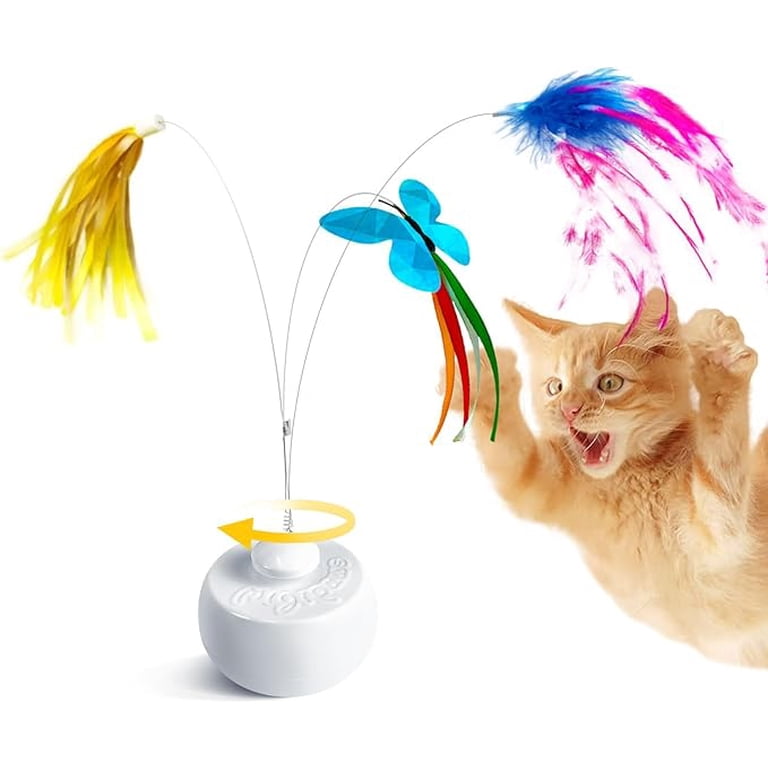
Use a stick or a pencil as the base. Tie a few feathers to one end with string or tape. Move the wand slowly to catch your cat’s attention. Cats love to chase and pounce on feathers. This toy helps improve your cat’s hunting skills and keeps them entertained.
Sock Ball
Take an old sock and fill it with soft materials like cotton or fabric scraps. Tie the open end tightly to keep the filling inside. You can add a small bell for extra fun sounds. Toss the ball gently for your cat to chase. This soft toy is perfect for batting and carrying around.
Paper Bag Tunnel
Use a clean paper bag and cut holes on the sides if needed. Lay the bag on its side to make a tunnel. Cats love hiding and running through tunnels. The crinkly sound of the bag adds excitement. This simple toy encourages exploration and playful behavior.
Interactive Toys
Interactive toys keep cats active and mentally sharp. They challenge your cat to think and move. This type of play helps reduce boredom and stops bad behavior. Making your own interactive toys is simple and fun. It also lets you control the materials used, keeping your cat safe.
Diy Puzzle Feeders
Puzzle feeders make cats work for their food. Use a small box or container with holes. Place dry food or treats inside. Your cat will push and paw to get the treats out. This keeps them busy and slows down fast eaters. Use safe materials and smooth edges for safety.
Hidden Treat Boxes
Hidden treat boxes hide snacks inside a small container. Cut small holes just big enough for paws. Your cat will explore and dig to find the treats. This toy encourages natural hunting skills. Use a sturdy box and check it often for wear.
String And Bell Toys
String and bell toys are simple but fun. Tie a small bell to a string or ribbon. Drag the string slowly across the floor for your cat to chase. The sound of the bell excites your cat’s senses. Always supervise play to avoid swallowing string.
Using Household Items
Creating cat toys at home can be fun and simple. Many household items can turn into exciting playthings. These toys keep your cat active and entertained without spending money. Small efforts make a big difference in your cat’s happiness.
Cardboard Creations
Cardboard is easy to find and very safe for cats. Cut pieces into shapes like tunnels or boxes. Cats love hiding and exploring inside cardboard spaces. Add holes or flaps for extra fun. Use scraps to make small balls or shapes. Cardboard toys are light and easy to replace.
Bottle Cap Toys
Plastic bottle caps make great toys for cats. They are small and easy to bat around. Clean the caps thoroughly before use. You can add a bell inside for sound. Toss them on the floor to encourage chasing. Always watch your cat to avoid swallowing small parts.
Ribbon And Yarn Ideas
Ribbons and yarn bring movement that cats enjoy. Tie a ribbon to a stick for interactive play. Move it slowly to mimic prey animals. Create small balls by wrapping yarn tightly. Avoid letting your cat swallow loose threads. These toys are perfect for short, fun sessions.
Customizing For Your Cat
Creating a toy that fits your cat’s unique likes makes playtime fun and safe. Customizing the toy helps keep your cat interested and happy. Simple changes can make a big difference in how much your cat enjoys the toy.
Considering Cat’s Preferences
Every cat has favorite ways to play. Some cats chase moving toys. Others like to bat or chew. Watch your cat’s behavior to find these preferences. Use this info to design a toy that matches their style. This makes the toy more exciting and engaging.
Adjusting Toy Size And Texture
Size matters for comfort and safety. Small cats need smaller toys they can carry easily. Bigger cats might like larger toys to bat around. Texture is key too. Soft fabrics are great for gentle cats. Rough or crinkly materials attract active chewers. Match size and texture to your cat’s habits.
Incorporating Catnip
Catnip is a natural way to boost play interest. Sprinkle dried catnip inside the toy or sew a small pouch. Some cats go wild for the smell and will play longer. Use catnip sparingly to keep it special. Not all cats react to catnip, so test first before adding a lot.

Credit: www.amazon.com
Safety Tips For Diy Toys
Making toys for your cat can be fun and rewarding. Safety is very important when creating DIY toys. Unsafe toys can hurt your cat or cause choking. Use safe materials and check toys often. Keep your cat safe during playtime.
Regular Inspection
Check DIY toys before each play session. Look for loose parts or frayed edges. Remove toys with broken pieces immediately. Small parts can be swallowed and cause harm. Regular checks keep toys safe and enjoyable.
Supervised Playtime
Always watch your cat while it plays with homemade toys. Supervision prevents accidents or swallowing small parts. It helps you notice signs of wear early. Play together to strengthen your bond and keep your cat safe.
Proper Cleaning Methods
Clean DIY toys regularly to avoid germs. Use mild soap and warm water for washing. Rinse toys well to remove soap residue. Let toys dry completely before giving them to your cat. Clean toys keep your cat healthy and happy.
Encouraging Play And Exercise
Encouraging play and exercise keeps your cat healthy and happy. Cats need movement to stay fit and avoid boredom. Creating toys that invite activity helps them enjoy playtime more. Active cats are less likely to develop behavior problems. Simple ideas can make a big difference in their daily routine.
Rotating Toys
Change toys often to keep your cat’s interest alive. Rotate different toys every few days to avoid boredom. New scents and shapes attract their attention. This keeps cats curious and eager to play. Avoid leaving all toys out at once. A fresh toy feels exciting and fun.
Interactive Play Sessions
Spend time playing with your cat using toys. Use wand toys or string to mimic prey movements. Move toys slowly, then quickly to catch their eye. This encourages chasing and pouncing, great exercise for cats. Short, frequent play sessions work best. Cats enjoy attention and activity combined.
Rewarding Playtime
Give your cat treats or praise after play. Rewards make playtime more enjoyable and positive. Use small treats to avoid overfeeding. This encourages your cat to play more often. Rewarding good behavior builds trust and fun. Play becomes a happy routine for both.

Credit: www.ebay.com
Frequently Asked Questions
What Materials Do I Need To Create A Cat Toy?
You need safe, non-toxic materials like fabric, feathers, yarn, and small bells. Avoid sharp or harmful items. Use household items to keep costs low and ensure safety. Always supervise your cat during play to prevent accidents.
How Can I Make A Simple Cat Toy At Home?
A basic cat toy can be made by tying feathers or yarn to a string. Attach it to a stick or use it as a dangling toy. This stimulates your cat’s hunting instincts and encourages active play.
Are Homemade Cat Toys Safe For Cats?
Yes, homemade toys are safe if made with non-toxic, pet-friendly materials. Avoid small parts that cats can swallow. Regularly inspect toys for wear and tear to prevent choking hazards or injuries.
How Do I Keep My Cat Interested In Homemade Toys?
Rotate toys regularly to maintain your cat’s interest. Add new scents or textures for variety. Engage with your cat during playtime to strengthen your bond and stimulate their natural curiosity.
Conclusion
Creating a cat toy can be simple and fun. Use safe materials your cat likes. Watch how your cat plays and learns. Homemade toys keep your pet happy and active. Try different ideas to find what works best. Your cat will enjoy new surprises every day.
Making toys also saves money and time. Give your cat love with each toy you make. Keep playtime joyful and safe for your furry friend.