
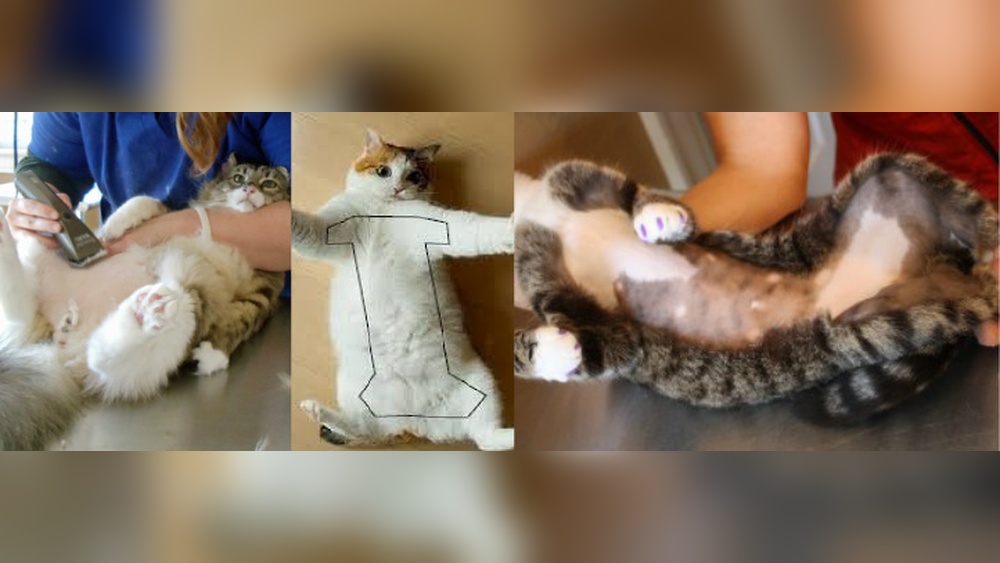
Grooming your cat’s belly can feel tricky, but it doesn’t have to be. You might worry about your furry friend scratching or squirming, but with the right approach, it can become a calm and even enjoyable moment for both of you.
Imagine having a smooth, tangle-free belly fur to pet and admire without the stress. In this guide, you’ll discover simple steps to make belly grooming safe and easy. Keep reading, and you’ll soon master the art of caring for your cat’s softest spot with confidence.

Credit: www.wikihow.com
Preparing Your Cat
Preparing your cat for belly grooming is important for a smooth session. Cats can be sensitive about their bellies, so patience helps. Creating comfort builds trust and makes grooming easier. Follow these steps to get your cat ready.
Choosing The Right Time
Pick a time when your cat feels relaxed. After a meal or nap is best. Avoid times when your cat is playful or restless. A calm cat is more likely to stay still. Watch for signs of contentment like purring or slow blinking.
Setting Up A Calm Environment
Find a quiet spot free from noise and distractions. Soft lighting helps your cat stay calm. Use a comfy blanket or cushion for your cat to lie on. Speak softly and move slowly to avoid startling your cat. Keep other pets away during grooming.
Gathering Necessary Tools
Have all grooming tools ready before you start. Use a soft brush or comb made for cats. Keep grooming wipes or a damp cloth nearby. Avoid sharp or harsh tools that may hurt your cat. Having everything close saves time and stress.

Credit: www.wikihow.com
Approaching The Belly
Approaching your cat’s belly for grooming requires care and patience. The belly is a sensitive area, and many cats feel vulnerable when touched there. Taking slow, gentle steps helps your cat feel safe. This approach builds a positive experience for both of you.
Start by observing your cat closely. Notice how they react to your presence and touch. This understanding guides your actions during grooming. Respecting your cat’s comfort level is key to success.
Reading Your Cat’s Body Language
Watch your cat’s ears, eyes, and tail carefully. Ears turned back or flattened show discomfort. Wide eyes and a twitching tail can mean anxiety. A relaxed cat has soft eyes, still ears, and a calm tail. Recognizing these signs helps you decide when to proceed or pause.
Introducing Gentle Touch
Begin by stroking areas your cat enjoys, like the head or back. Use slow, light strokes to avoid startling them. Gradually move your hand toward the belly. Let your cat sniff your hand before touching. Soft, brief touches on the belly help them get used to the feeling.
Building Trust Gradually
Do not rush the process. Groom belly only when your cat feels calm and trusting. Praise your cat with soothing words during grooming. Give treats after gentle belly touches to create positive links. Regular, short sessions work better than long ones. Patience grows trust and comfort over time.
Effective Grooming Techniques
Grooming a cat’s belly requires care and patience. The belly is a sensitive area. Using the right techniques helps keep your cat comfortable. It also makes grooming easier and safer. Follow these tips to groom your cat’s belly effectively.
Using The Right Brush
Choose a soft-bristle or rubber brush for the belly. These brushes are gentle on delicate skin. Avoid stiff brushes that can hurt your cat. A small brush fits better on the belly area. Brush lightly to avoid startling your pet. Regular brushing prevents fur from matting and keeps skin healthy.
Dealing With Tangles And Mats
Gently separate tangles with your fingers first. Use a wide-tooth comb to ease out mats slowly. Never pull hard on knots; it causes pain. For tough mats, trim carefully with blunt scissors. Be cautious to avoid cutting the skin. Patience is key to handling mats on the belly.
Handling Sensitive Areas
Speak softly to calm your cat during grooming. Hold your cat gently but firmly to prevent sudden moves. Start brushing at the edges of the belly. Gradually move toward the center as your cat relaxes. Watch for signs of discomfort and stop if needed. Respect your cat’s limits to build trust.

Credit: www.youtube.com
Maintaining Comfort And Safety
Grooming a cat’s belly requires care and attention. The belly is a sensitive area for many cats. Keeping your cat comfortable and safe during grooming helps build trust. It also makes grooming easier for both of you. Understanding your cat’s reactions is key to a calm grooming session.
Recognizing Signs Of Discomfort
Watch your cat’s body language closely. Ears flattening or tail twitching shows unease. Sudden movements or trying to escape means discomfort. Vocal sounds like growling or hissing are clear warnings. Stop immediately if your cat shows any signs of pain.
Avoiding Overstimulation
Some cats tolerate only light touch on their belly. Avoid pressing too hard or brushing too fast. Pay attention to how your cat reacts to each stroke. Slow, gentle strokes work best. Stop before your cat feels overwhelmed or irritated.
Keeping Sessions Short And Positive
Limit grooming sessions to a few minutes. Short sessions help keep your cat calm and relaxed. Use a soft voice and gentle praise during grooming. End on a good note with a treat or petting. This encourages your cat to enjoy future belly grooming.
Aftercare Tips
After grooming your cat’s belly, proper care helps keep your cat happy and healthy. This stage is important for your cat’s comfort and health. It also makes future grooming easier and more pleasant. Follow simple steps to care for your cat after grooming.
Rewarding Your Cat
Give your cat a treat after grooming. This creates a positive feeling. Speak softly and pet your cat gently. Praise helps your cat relax and enjoy grooming next time. Short play sessions can also be a good reward.
Cleaning Grooming Tools
Clean your brushes and combs after each use. Remove hair and dirt carefully. Use warm water and mild soap to wash tools. Dry them well before storing. Clean tools prevent skin problems and keep grooming safe.
Scheduling Regular Grooming
Set a regular grooming schedule for your cat. Frequent grooming helps keep the belly clean and soft. It reduces hair mats and skin issues. Regular sessions make your cat used to grooming. This lowers stress for both of you.
Frequently Asked Questions
How Often Should I Groom My Cat’s Belly?
Groom your cat’s belly once or twice a week. Regular grooming prevents matting and reduces shedding. Adjust frequency based on your cat’s fur type and comfort level.
What Tools Are Best For Grooming A Cat’s Belly?
Use a soft-bristle brush or a grooming glove. These tools gently remove loose fur without irritating the skin. Avoid harsh brushes to keep your cat comfortable.
How Can I Calm My Cat During Belly Grooming?
Speak softly and pet your cat gently before grooming. Offer treats and take breaks if your cat becomes restless. Patience creates a positive grooming experience.
Is It Safe To Shave A Cat’s Belly Fur?
Shaving can cause skin irritation and stress. Only shave if advised by a vet, typically for medical reasons. Otherwise, regular brushing is safer and effective.
Conclusion
Grooming your cat’s belly helps keep their fur clean and healthy. Take your time and be gentle to build trust. Use soft brushes and calm strokes to avoid stress. Regular grooming reduces hairballs and skin problems. Watch your cat’s reactions and stop if they seem upset.
A happy cat enjoys belly grooming more often. Start slow, stay patient, and enjoy this bonding time together. Small steps lead to great results for both you and your pet.