
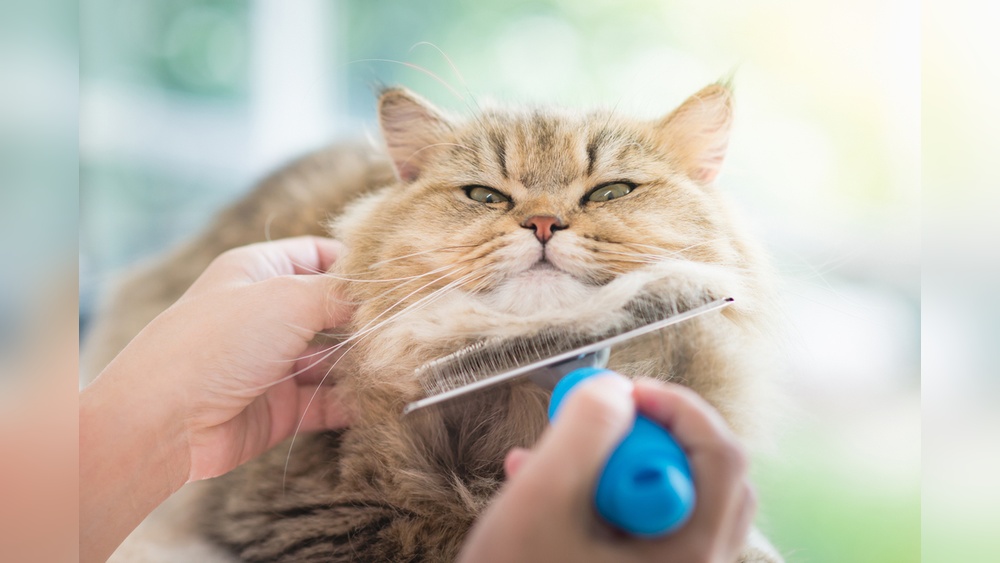
If you have a longhaired cat, you know how beautiful—and how much work—their coat can be. Tangled fur, mats, and shedding can quickly turn grooming into a challenge.
But don’t worry; with the right steps, you can keep your cat’s coat soft, shiny, and healthy. Imagine your cat feeling comfortable and looking their best every day. This guide will show you simple, effective ways to groom your longhaired cat, saving you time and stress.
Ready to make grooming easier and more enjoyable for both you and your furry friend? Let’s get started!
Credit: www.petassure.com
Choosing The Right Tools
Choosing the right tools is very important for grooming a longhaired cat. The right tools make brushing easier and keep your cat comfortable. Using poor tools can hurt your cat or cause stress. Good tools help remove tangles and loose hair gently. They also keep your cat’s coat shiny and healthy. Spend time picking tools that suit your cat’s fur type and skin sensitivity.
Types Of Brushes And Combs
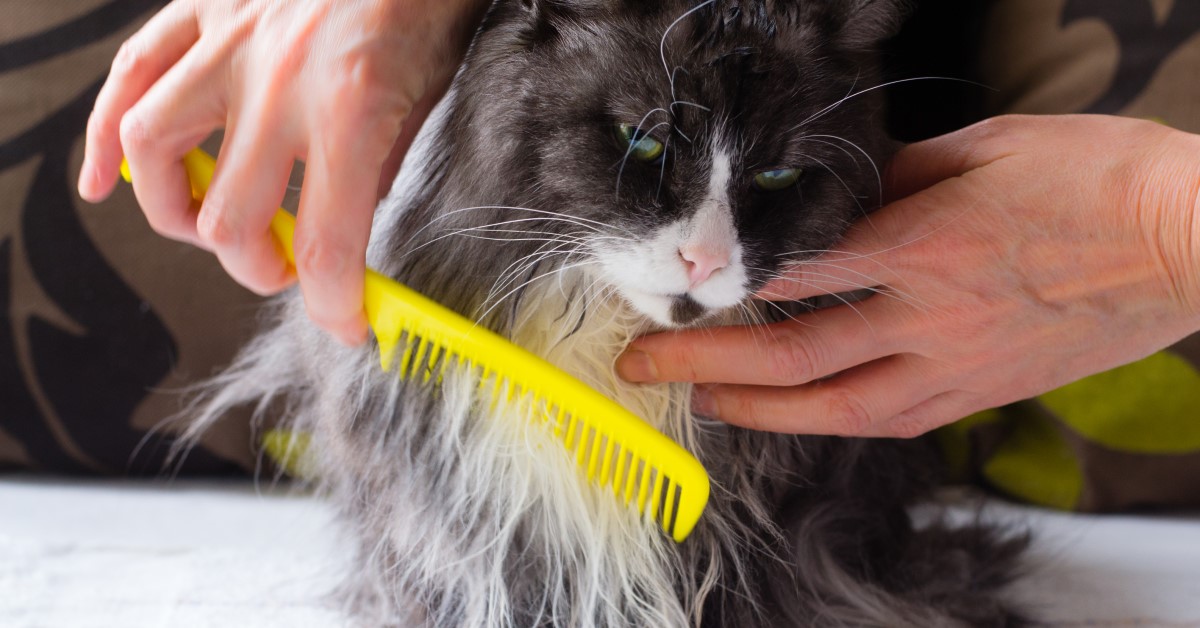
Longhaired cats need brushes that reach deep into their thick fur. Slicker brushes work well to remove mats and loose hair. They have fine, short wires close together. Wide-tooth combs help untangle knots without pulling too hard. Use a comb after brushing to catch small tangles. Pin brushes are soft and gentle for daily grooming. Choose brushes with comfortable handles for better control.
Grooming Gloves And Accessories
Grooming gloves are soft and fit over your hand like a mitten. They remove loose hair while petting your cat. Gloves are great for shy or nervous cats. Nail clippers designed for cats keep claws short and safe. A deshedding tool helps reduce shedding by reaching under the fur. Keep all tools clean and store them in one place. This makes grooming easier and faster each time.

Credit: masterclip.co.uk
Preparing Your Cat For Grooming
Preparing your longhaired cat for grooming helps make the process smooth and stress-free. Cats can feel nervous or scared during grooming. Taking time to prepare them calms their nerves. This also builds trust between you and your cat. Start by setting the right mood and creating comfort. These steps help your cat stay relaxed throughout grooming.
Creating A Calm Environment
Choose a quiet room with few distractions. Turn off loud noises like TVs or radios. Soft, natural light is best for visibility and calmness. Avoid sudden movements or loud voices near your cat. Prepare all grooming tools before you begin. This prevents interruptions that may scare your cat. A calm space helps your cat feel safe and secure.
Getting Your Cat Comfortable
Let your cat explore the grooming area first. Allow them to sniff the brush and tools. Gently pet your cat to ease tension. Speak softly to reassure your cat during this time. Offer a small treat to create a positive link with grooming. Short, gentle sessions work better than long ones. Comfort helps your cat enjoy grooming more each time.
Brushing Techniques
Brushing a longhaired cat needs care and patience. It helps keep your cat’s coat clean and healthy. Using the right brushing techniques reduces hair tangles and mats. Regular brushing also limits shedding and hairballs. The coat stays shiny and soft with proper care.
Detangling Knots And Mats
Start by gently feeling your cat’s fur for knots. Use your fingers to loosen small tangles before brushing. For tougher mats, use a wide-tooth comb carefully. Hold the fur close to the skin to avoid pulling. Work slowly and patiently to prevent hurting your cat. Break big mats into smaller parts for easier removal.
Brushing In The Direction Of Hair Growth
Brush your cat’s fur in the direction it grows. This method avoids damage and makes brushing smooth. Use soft, slow strokes to keep your cat calm. Start from the head and move toward the tail. Be gentle around sensitive areas like the belly and legs. Regular brushing keeps the coat tidy and reduces knots.
Bathing Your Longhaired Cat
Bathing a longhaired cat can be a challenge but is sometimes necessary. Regular baths keep their coat clean and healthy. Long fur traps dirt and oils more than short fur. Bathing helps remove mats and loose hair. It also reduces shedding and hairballs.
Patience and gentle handling are key during baths. The right products and steps make the process easier. Prepare your cat and your supplies before starting. A calm environment helps your cat feel safe.
Choosing The Right Shampoo
Pick a shampoo made just for cats. Human or dog shampoo can irritate their skin. Look for shampoos with mild, natural ingredients. Avoid products with harsh chemicals or strong scents. Shampoos that moisturize help prevent dry skin. Some shampoos target fleas or skin problems. Choose one that fits your cat’s needs.
Bathing Steps And Tips
Brush your cat before the bath to remove knots. Use warm water, not too hot or cold. Wet your cat’s fur gently with a cup or sprayer. Apply shampoo carefully, avoiding eyes and ears. Massage shampoo into the coat with your fingers. Rinse thoroughly to remove all soap. Leftover soap can cause irritation.
Dry your cat with a soft towel after the bath. Keep your cat warm until fully dry. Use a hairdryer only if your cat tolerates it. Praise and treats calm your cat throughout the process. Repeat baths every few weeks or as needed.
Trimming And Clipping
Trimming and clipping are important parts of grooming a longhaired cat. These steps help keep your cat comfortable and clean. They also prevent mats and tangles. Regular trimming removes excess hair and reduces shedding. Clipping requires care to avoid hurting your cat. Patience and the right tools make the process smooth and safe.
When And How To Trim
Trim your cat’s fur every few months or when you see mats. Focus on areas like the belly, behind the ears, and under the legs. Use sharp, clean scissors made for pets. Cut small amounts at a time to avoid mistakes. Hold the fur gently and trim in the direction of hair growth. Always keep your cat calm and still during trimming.
Safe Clipping Practices
Choose clippers designed for cats with quiet motors. Test the clippers on a small patch first. Keep the blades clean and oiled to prevent pulling. Move slowly and gently to avoid cutting the skin. Never clip near sensitive areas like the face or genitals without experience. Stop if your cat shows signs of stress. Reward your cat with treats after each session.
Caring For The Coat Between Grooming
Longhaired cats need care even between grooming sessions. Their thick coats can trap dirt, dust, and loose hair. Regular attention keeps the fur clean and healthy. It also helps avoid mats and tangles. Simple daily habits make a big difference for your cat’s comfort and coat condition.
Regular Spot Cleaning
Check your cat’s coat daily for small dirty spots. Use a damp cloth or pet wipe to clean these areas gently. Focus on places like the paws, under the tail, and around the face. Spot cleaning removes dirt before it spreads or sticks deeply. This keeps your cat feeling fresh without a full bath.
Maintaining Coat Health
Brushing your cat regularly helps keep their coat shiny and smooth. Use a wide-toothed comb or soft brush designed for long fur. This removes loose hair and prevents mats from forming. Healthy skin produces a glossy coat. Feed your cat a balanced diet with omega fatty acids. These nutrients support skin and fur health naturally.
Dealing With Common Grooming Challenges
Grooming a longhaired cat can be tricky. Many cats do not like being brushed. Their fur can also cause hairballs and heavy shedding. Understanding common grooming challenges helps keep your cat healthy and happy.
Patience is key. Small steps make grooming easier for both of you. Use gentle tools and calm voices to create a good experience. Regular care reduces problems and keeps your cat’s coat shiny.
Handling Resistant Cats
Some cats fight grooming time. They may scratch or run away. Start with short sessions to build trust. Let your cat sniff the brush first. Use soft strokes and praise your cat often.
Try grooming after meals when cats feel relaxed. If your cat is very upset, stop and try again later. Use treats as rewards to encourage good behavior. Consistency helps cats accept grooming as normal.
Preventing Hairballs And Shedding
Long hair can cause hairballs. Brush your cat daily to remove loose fur. This stops your cat from swallowing too much hair. Use a grooming tool designed for long coats.
Keep your home clean by vacuuming often. Provide fresh water and a healthy diet to reduce shedding. Regular grooming lowers hairball problems and keeps fur smooth. Your cat will feel more comfortable and look better too.
Credit: meowtel.com
Frequently Asked Questions
How Often Should I Groom A Longhaired Cat?
Longhaired cats need grooming daily or at least every other day. Regular brushing prevents mats, tangles, and hairballs. It also keeps their coat healthy and shiny. Consistent grooming reduces shedding and promotes bonding between you and your cat.
What Tools Are Best For Grooming Longhaired Cats?
Use a slicker brush, wide-tooth comb, and grooming scissors. These tools help remove tangles, loose fur, and mats gently. A de-matting comb works well for stubborn knots. Always choose tools designed specifically for cats to avoid discomfort.
How Do I Prevent Mats In My Cat’s Fur?
Brush your cat’s fur daily to avoid mats forming. Focus on areas prone to tangles like behind ears and under legs. Regular grooming sessions keep the coat smooth and mat-free. If mats occur, carefully cut them out or seek professional help.
Can Grooming Help Reduce Longhaired Cat Shedding?
Yes, regular grooming significantly reduces shedding by removing loose hair. Brushing daily stops excess fur from spreading around your home. It also helps detect skin issues early. Grooming keeps your cat comfortable and your house cleaner.
Conclusion
Grooming a longhaired cat takes time and patience. Regular brushing keeps their coat clean and healthy. It also helps stop mats and tangles from forming. Use gentle strokes to avoid hurting your cat. Check their skin for any signs of irritation or fleas.
Make grooming a calm and positive experience for your pet. A well-groomed cat feels comfortable and looks great. Keep these simple steps in mind for happy, healthy fur. Your longhaired friend will thank you with purrs and love.