
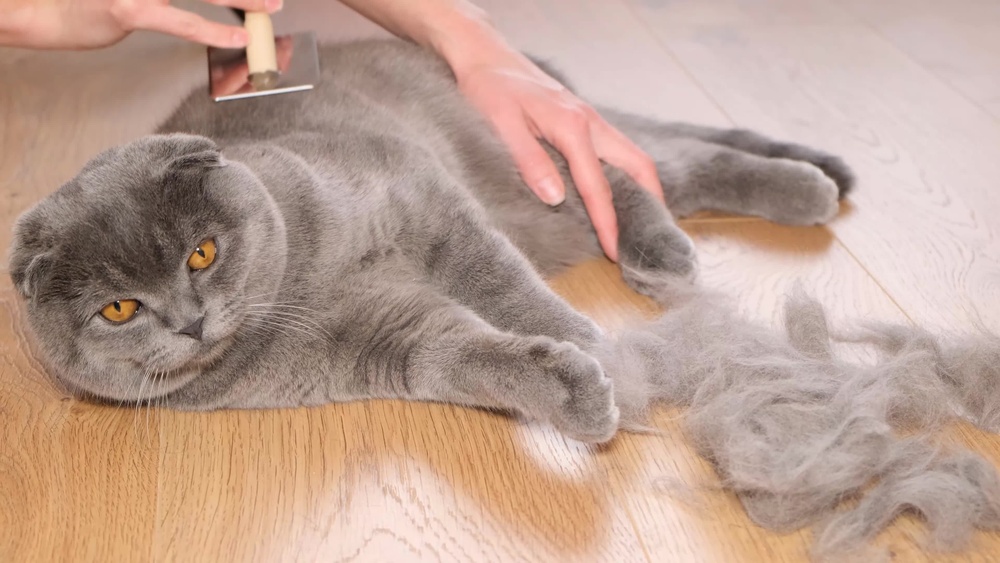
If you have a short-haired cat, you might think grooming is simple. But did you know that even short fur needs the right care to stay healthy and shiny?
You want your cat to look and feel their best without causing stress or discomfort. In this guide, you’ll discover easy steps to groom your short-haired cat like a pro. By the end, you’ll have the confidence to keep your furry friend clean, happy, and comfortable every day.
Ready to learn how? Let’s dive in!
Choosing The Right Tools
Choosing the right tools helps make grooming your short-haired cat easier. The right tools keep your cat comfortable and healthy. This section explains which tools work best for short hair cats. Learn about brushes, gloves, combs, and nail clippers.
Brush Types For Short Hair
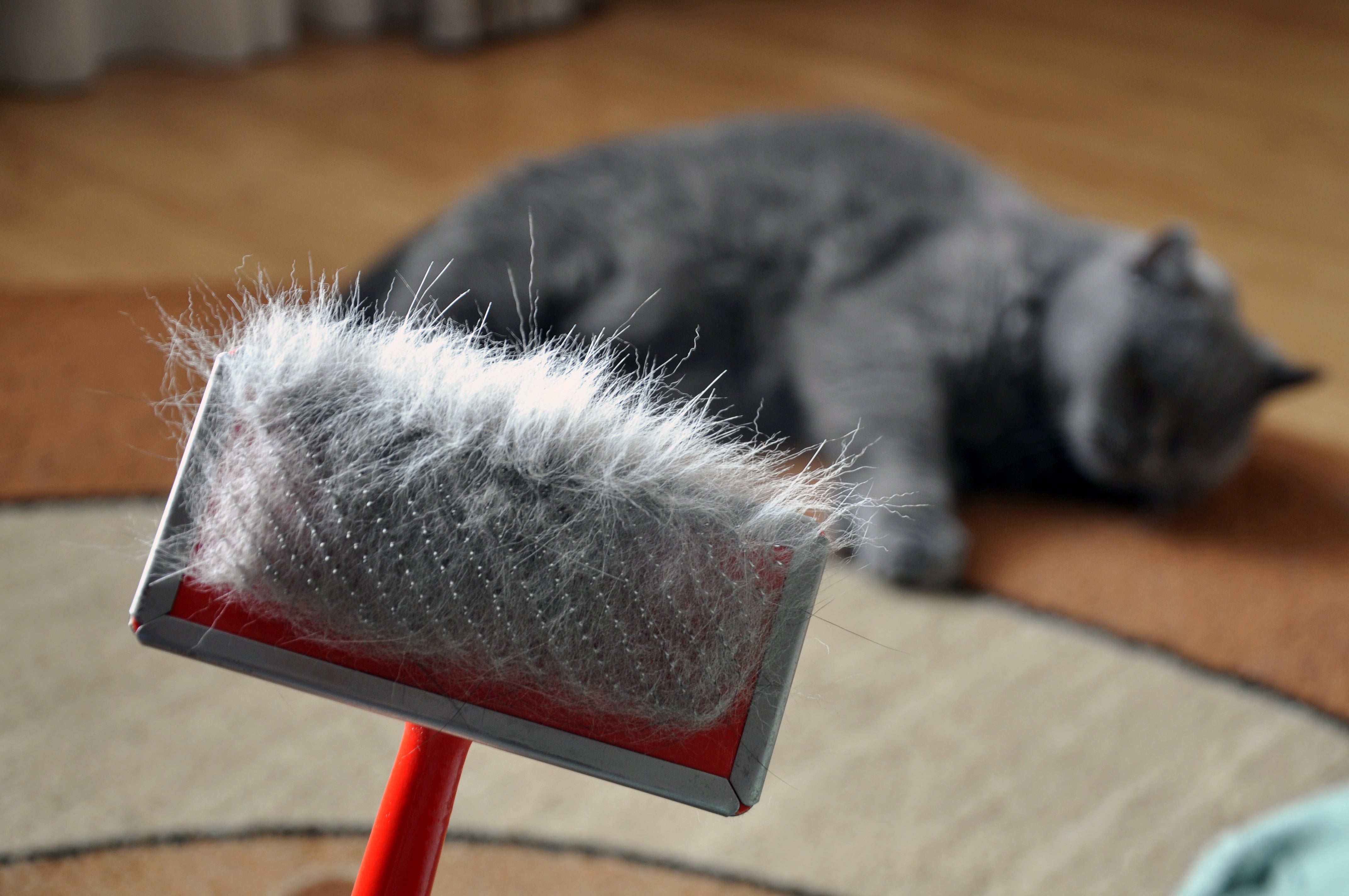
Soft bristle brushes work well for short hair cats. They remove loose fur without hurting the skin. Rubber brushes also help by massaging the skin gently. Slicker brushes are good for removing small mats and dirt. Choose a brush with a comfortable handle for better control.
Grooming Gloves And Combs
Grooming gloves let you pet your cat while removing loose hair. They are great for shy or nervous cats. Combs with wide teeth help untangle small knots. Use a fine-tooth comb to catch tiny debris. These tools are easy to use and gentle on your cat.
Nail Clippers And Other Essentials
Use small nail clippers made for cats to trim nails safely. Sharp clippers give clean cuts and prevent splitting. Have styptic powder ready to stop bleeding from accidental cuts. Keep a soft towel handy for calming your cat during grooming. A good grooming kit keeps your cat healthy and happy.

Credit: www.groomertogroomer.com
Brushing Techniques
Brushing a short-haired cat is simple but important. It keeps their coat clean and healthy. Proper brushing removes loose hair and dirt. It also helps reduce shedding and hairballs. Using the right techniques makes grooming pleasant for your cat.
Frequency Of Brushing
Brush your short-haired cat two to three times a week. This routine keeps their coat smooth and shiny. Regular brushing prevents hair from matting. It also reduces the amount of fur around the house. Increase brushing during shedding seasons for best results.
Gentle Strokes And Direction
Use soft, gentle strokes when brushing your cat. Start at the head and move toward the tail. Brush in the direction of hair growth. This feels comfortable and avoids pulling on the skin. Always be patient and calm to keep your cat relaxed.
Dealing With Shedding
Short-haired cats shed regularly. Brushing helps catch loose hair before it falls. Use a brush designed for short fur to remove shedding hair. Clean the brush often to keep it effective. Regular grooming reduces hairballs and keeps your home cleaner.
Bathing Your Cat
Bathing a short hair cat can be a gentle and stress-free experience. Many cats groom themselves well, but occasional baths help keep their coat clean and healthy. Knowing the right time and method to bathe your cat ensures comfort for both of you.
When To Bathe Short Hair Cats
Short hair cats rarely need frequent baths. Bathe your cat only if it gets very dirty or smells bad. Sometimes, skin problems or fleas require a bath. Avoid bathing too often as it may dry out their skin.
Selecting Cat-friendly Shampoo
Use shampoos made specifically for cats. Human or dog shampoos can harm their skin. Choose a mild, fragrance-free shampoo. Check the label for safe ingredients. A good shampoo keeps the coat soft and clean without irritation.
Safe Bathing Steps
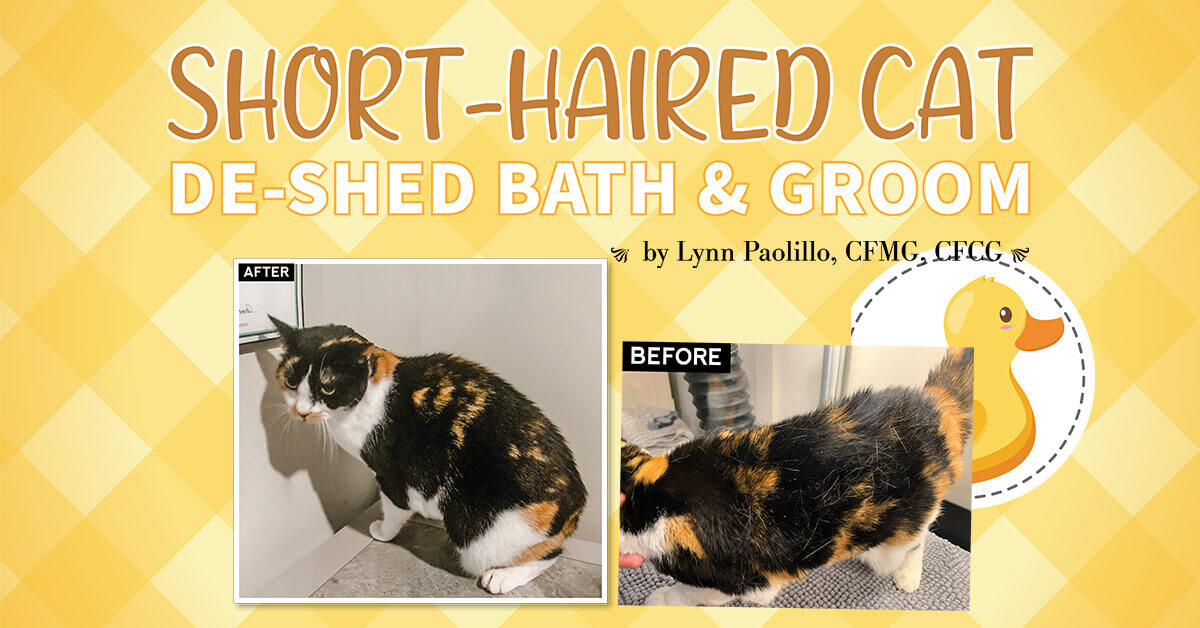
Prepare everything before starting. Use lukewarm water and a small tub or sink. Gently wet your cat, avoiding the face and ears. Apply shampoo and massage softly. Rinse well to remove all soap. Dry your cat with a soft towel. Speak calmly to keep your cat relaxed.
Credit: www.groomertogroomer.com
Maintaining Skin Health
Maintaining your short hair cat’s skin health is very important. Healthy skin helps your cat feel comfortable and look good. It also prevents infections and other problems. Regular care keeps the skin strong and free from issues. Pay close attention to your cat’s skin during grooming sessions.
Checking For Irritations
Look carefully at your cat’s skin each time you groom. Check for redness, bumps, or sores. These signs may show irritation or allergies. Gently part the fur to see the skin clearly. If you find any unusual spots, watch them closely. Consult a vet if the irritation grows or does not heal.
Managing Dry Skin
Dry skin can make your cat itchy and uncomfortable. It may cause flakes or dandruff on the fur. Use a gentle, cat-safe moisturizer or oil to soothe dry skin. Keep your home humidity balanced to avoid dryness. A healthy diet with omega fatty acids can also improve skin condition.
Preventing Parasites
Parasites like fleas and ticks harm your cat’s skin. These pests cause itching and infections. Use vet-recommended flea and tick preventatives regularly. Check your cat’s skin and fur for any signs of parasites. Clean your cat’s bedding and living area often to reduce risk.
Nail And Ear Care
Nail and ear care is important for your short hair cat’s health. Clean ears and trimmed nails keep your cat comfortable. They also prevent infections and injuries. Regular care makes your cat happy and active.
Trimming Nails Safely
Use a small nail clipper for cats. Hold your cat’s paw gently but firmly. Trim only the sharp tip of each nail. Avoid the pink part inside the nail. This part is sensitive and bleeds easily. Stop if your cat struggles or feels pain. Give treats to keep the experience positive.
Cleaning Cat Ears
Check ears weekly for dirt or wax. Use a soft cloth or cotton ball dampened with a vet-approved cleaner. Wipe the outer ear gently. Never insert anything deep into the ear canal. Clean only the visible part of the ear. This helps prevent discomfort and infections.
Recognizing Signs Of Infection
Look for redness or swelling in the ears. Notice if your cat scratches ears more than usual. Watch for bad smells or dark discharge. Check if your cat shakes its head often. These signs may mean an infection. Visit your vet promptly for treatment.
Credit: petlibro.com
Diet And Hydration Tips
Good grooming starts with proper diet and hydration. Healthy food and enough water keep your short-haired cat’s coat bright and skin soft. Feeding the right nutrients supports natural shine. Drinking enough water prevents dry skin and fur problems.
Foods For A Shiny Coat
Choose foods rich in omega-3 and omega-6 fatty acids. Fish like salmon and sardines are great sources. These fats help make fur smooth and shiny. Protein is also important. It supports hair growth and strength. Include high-quality cat food with balanced nutrients. Fresh meat and fish work well too.
Importance Of Water Intake
Water keeps your cat’s skin hydrated and healthy. Cats often drink little water, so encourage more. Provide fresh, clean water daily. Use a water fountain to attract your cat. Wet cat food can also increase water intake. Proper hydration reduces shedding and dry patches.
Supplements For Skin And Fur
Some cats benefit from added supplements. Fish oil capsules boost omega-3 levels. Vitamin E supports skin repair and reduces inflammation. Always check with your vet before adding supplements. Too much can harm your cat. Use supplements as part of a balanced diet.
Handling Grooming Challenges
Grooming a short hair cat can be tricky. Cats may not always enjoy being brushed or handled. Some cats feel scared or nervous during grooming. Knowing how to handle these challenges helps make grooming easier and safer. Patience and calmness are key to keeping your cat relaxed.
Calming Anxious Cats
Start by creating a quiet, comfortable space for grooming. Speak softly to soothe your cat’s nerves. Use slow, gentle movements to avoid startling your pet. Give your cat short breaks if it seems stressed. Offering a favorite treat can help calm anxiety. Try to groom your cat when it is relaxed or sleepy.
Dealing With Resistance
Some cats resist grooming by scratching or biting. Stay calm and avoid sudden moves. Use a soft brush designed for short hair cats. Gently hold your cat but do not squeeze. Stop grooming if your cat becomes aggressive. Try again later with a shorter grooming session. Positive reinforcement helps your cat accept grooming over time.
Professional Grooming Help
Sometimes, professional groomers handle difficult cats best. Groomers have experience with anxious or resistant pets. They use tools and techniques that keep cats safe and calm. Regular visits to a groomer can reduce your cat’s stress at home. Ask your vet for groomer recommendations. Professional help ensures your cat’s coat stays healthy and clean.
Frequently Asked Questions
How Often Should I Groom My Short Hair Cat?
Groom your short hair cat once a week to remove loose fur and dirt. Regular grooming reduces shedding and prevents hairballs. It also helps maintain a healthy coat and skin.
What Tools Are Best For Grooming Short Hair Cats?
Use a soft-bristle brush or rubber grooming mitt. These tools gently remove loose fur without irritating your cat’s skin. Avoid harsh brushes to keep grooming comfortable and effective.
Can Grooming Improve My Short Hair Cat’s Health?
Yes, grooming stimulates blood circulation and distributes natural oils. This keeps your cat’s coat shiny and skin healthy. It also helps detect skin issues or parasites early.
How Do I Make Grooming Stress-free For My Cat?
Create a calm environment and use gentle strokes. Start grooming sessions short and gradually increase time. Offer treats and praise to make grooming positive and enjoyable.
Conclusion
Grooming a short hair cat keeps them clean and healthy. Regular brushing removes loose fur and prevents hairballs. Check their skin for any signs of irritation or fleas. Use gentle tools to avoid hurting your cat. Keep grooming sessions short and calm for comfort.
This simple care routine strengthens your bond with your pet. Enjoy the time spent together. Your cat will look and feel great with regular grooming.