
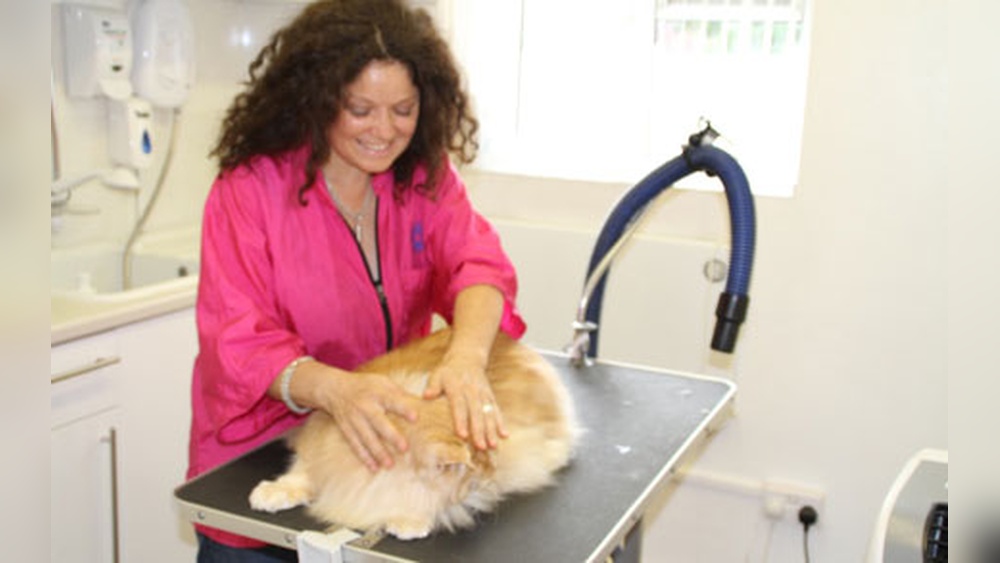
Grooming a difficult cat can feel like a battle you’re not sure you’ll win. You want your furry friend to look and feel their best, but their resistance makes every brushing session a challenge.
If you’ve ever struggled with a cat who scratches, hides, or simply refuses to stay still, you’re not alone. The good news is, there are ways to make grooming easier and less stressful for both of you. Keep reading, and you’ll discover simple, effective tips that can turn grooming time into a calmer, more enjoyable experience for your cat—and for you.
Recognizing Difficult Cat Behaviors
Recognizing difficult cat behaviors is the first step in grooming your pet successfully. Cats show discomfort in many ways. Knowing these signs helps you handle grooming with care. It also reduces stress for both you and your cat. Pay close attention to how your cat reacts. This helps you spot trouble before it starts.
Common Signs Of Grooming Resistance
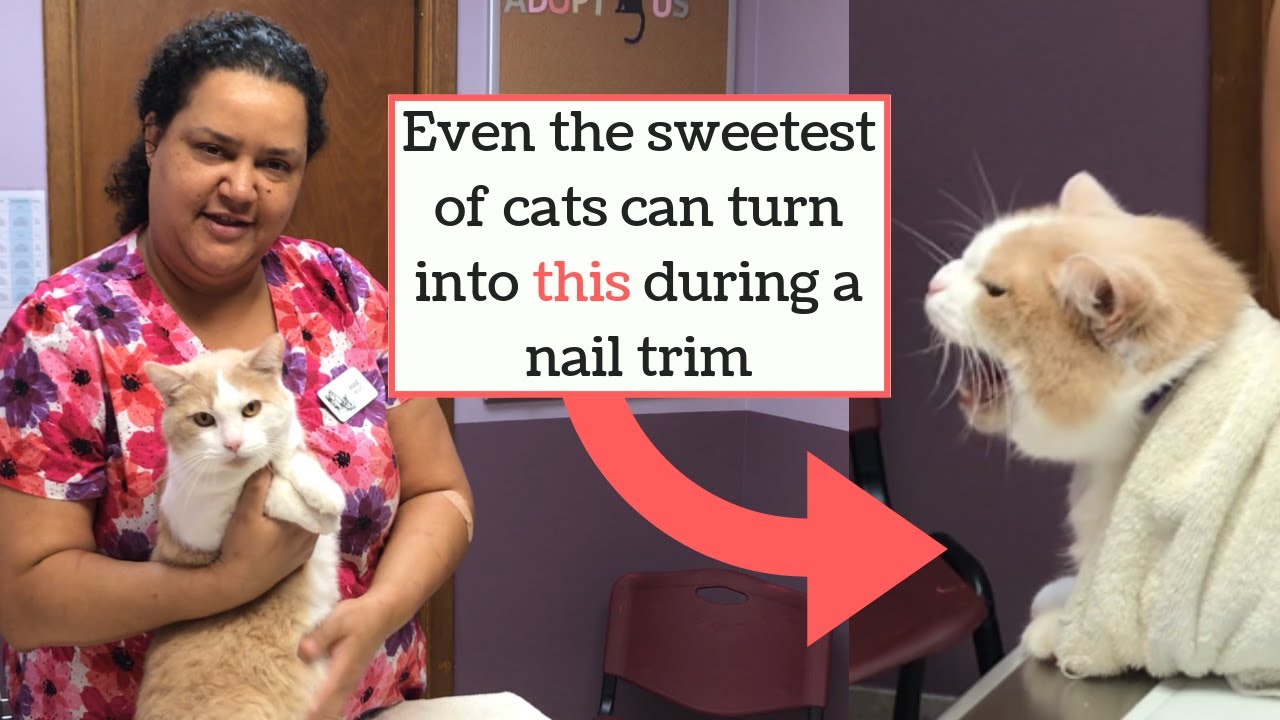
Many cats resist grooming in clear ways. They may hiss, growl, or swipe their paws. Some try to run away or hide. Ears pinned back or a twitching tail also show irritation. Watch for sudden biting or scratching. These signs mean your cat feels unsafe or annoyed. Recognizing these behaviors early helps you stop problems quickly.
Understanding Cat Stress Triggers
Stress triggers vary for each cat. Loud noises, unfamiliar smells, or strange places can upset them. Grooming tools like brushes or clippers might scare some cats. Being held too tightly or for too long causes stress. Changes in routine can also make cats anxious. Knowing what upsets your cat helps you create a calm grooming time. Keep the environment quiet and gentle to ease their nerves.

Credit: www.catbehaviourist.com
Preparing For Grooming Sessions
Preparing for grooming sessions helps make the process easier for both you and your cat. A difficult cat needs patience and a good setup. Taking time to prepare reduces stress and helps your cat stay calm.
Setting the right mood and having the right tools can change how your cat reacts. Preparation is key to a smoother grooming experience.
Creating A Calm Environment
Choose a quiet room with few distractions. Soft lighting helps your cat feel safe. Avoid loud noises and sudden movements. Speak in a gentle voice to soothe your cat.
Keep the room warm and comfortable. A calm environment lowers your cat’s anxiety. This makes grooming less stressful and easier to manage.
Gathering The Right Tools
Use tools designed for cats. A gentle brush or comb works best. Have nail clippers and grooming wipes ready. Keep treats nearby to reward good behavior.
Check tools before grooming to avoid surprises. Sharp or broken tools can hurt your cat. Proper tools make grooming quicker and safer.
Techniques For Stress-free Grooming
Grooming a difficult cat requires calm and clear techniques. Stress-free grooming helps your cat stay relaxed and safe. Using the right methods makes grooming easier for both of you. It builds trust and reduces fear during grooming sessions.
Gentle Handling Methods
Hold your cat gently but firmly. Avoid tight grips that cause discomfort. Support your cat’s body to make it feel secure. Use soft, slow movements to avoid startling your cat. Keep your hands warm to prevent surprise. Take breaks if your cat shows signs of stress. Speak softly to calm your cat during grooming.
Using Positive Reinforcement
Reward your cat with treats after grooming. Praise your cat with a calm, happy voice. Give small treats often to encourage good behavior. Use toys to distract your cat during grooming. Celebrate small progress to build confidence. Positive reinforcement makes grooming a pleasant experience. Over time, your cat will learn to enjoy grooming.
Credit: www.youtube.com
Managing Aggression And Anxiety
Managing aggression and anxiety in difficult cats is key to successful grooming. Cats may act out due to fear or pain. Understanding their feelings helps keep grooming safe and calm.
Patience and gentle handling reduce stress. Recognizing signs of aggression, like hissing or swatting, allows you to act carefully. Creating a quiet, safe space helps your cat feel more secure.
Safe Restraint Options
Use soft towels to gently wrap your cat. This prevents scratches and keeps them calm. Avoid tight holds that cause panic. A cat grooming bag can limit movement safely. Always support your cat’s body to avoid injury. Use slow, gentle movements to avoid startling them. Let your cat relax between grooming sessions.
When To Seek Professional Help
Seek help if your cat is very aggressive. A groomer or vet has tools and experience. They can trim nails or handle mats safely. Professionals know how to calm anxious cats. Persistent stress or injuries need expert care. Don’t risk harm to you or your cat. Trust trained hands to make grooming easier.
Alternatives To Traditional Grooming
Grooming a difficult cat can be stressful for both you and your pet. Traditional grooming methods like brushing or bathing may not work well with some cats. Thankfully, there are other ways to keep your cat clean and comfortable without causing stress. These alternatives can help maintain your cat’s hygiene in a gentle and easy way.
Waterless Shampoo And Wipes
Waterless shampoos and wipes are gentle options for cleaning your cat. They do not require water or rinsing. Just apply the shampoo or wipe your cat’s fur to remove dirt and odors. This method is quick and less scary for cats afraid of water. It helps keep their coat fresh between full baths.
Use wipes made for cats to avoid skin irritation. Waterless shampoo can be sprayed or rubbed into the fur. Both options help reduce shedding and keep your cat feeling clean. They are ideal for cats who resist regular grooming sessions.
Professional Grooming Services
Professional groomers have experience handling difficult cats. They use special tools and techniques to make grooming safer and easier. Groomers can trim nails, clean ears, and brush out mats. They can also give baths without stressing your cat.
Taking your cat to a groomer can save time and effort. Groomers know how to calm anxious cats during grooming. Regular visits help keep your cat healthy and comfortable. Choose a groomer who treats cats with care and patience.
Maintaining Regular Grooming Habits
Maintaining regular grooming habits is key to managing a difficult cat’s coat and health. Consistent grooming helps keep fur clean and reduces mats and tangles. It also creates a calm time for you and your cat to bond. Even the most stubborn cats can learn to accept grooming with steady practice.
Establishing A Routine
Set a specific time for grooming each day or week. Choose a quiet spot where your cat feels safe. Use the same brush and tools to build familiarity. Keep sessions short at first—just a few minutes. Gradually increase the time as your cat grows more comfortable. A routine helps your cat know what to expect and reduces stress.
Monitoring Cat’s Health Through Grooming
Grooming is a good chance to check your cat’s health. Look for skin problems like redness or bumps. Check for fleas, ticks, or other pests. Notice changes in fur texture or hair loss. Watch your cat’s behavior during grooming for signs of pain. Early detection of problems can prevent serious health issues. Regular grooming keeps your cat both clean and healthy.
Credit: www.cuttingcrap.com
Frequently Asked Questions
How Can I Calm My Difficult Cat For Grooming?
Use gentle tones and slow movements to soothe your cat. Offer treats and take breaks to reduce stress during grooming sessions.
What Tools Are Best For Grooming A Difficult Cat?
Use soft brushes, grooming gloves, and detangling combs. Choose tools designed for sensitive skin and avoid causing discomfort.
How Often Should I Groom A Difficult Cat?
Groom your cat at least once a week. Frequent grooming prevents matting and reduces shedding, making sessions easier over time.
What If My Cat Resists Grooming Completely?
Try short sessions and reward your cat with treats. Consult a vet or professional groomer for help if needed.
Conclusion
Grooming a difficult cat takes patience and calm. Start slow and use gentle strokes. Let your cat get used to the brush over time. Reward good behavior with treats or praise. Keep sessions short to avoid stress. Regular grooming helps your cat stay clean and healthy.
It also builds trust between you two. Remember, every cat is different. Find what works best for your pet. Consistency is key to success. Enjoy the bonding moments during grooming. Your cat will thank you with a happy purr.