
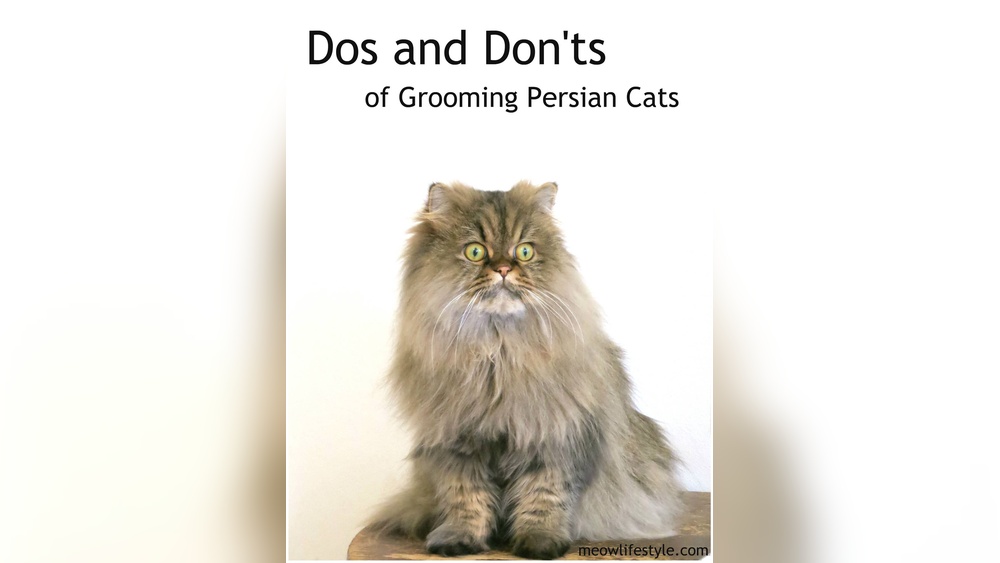
If you have a domestic longhair cat, you know how beautiful—and sometimes challenging—their fur can be. Grooming your fluffy friend isn’t just about keeping them looking good; it’s about their health and happiness too.
But where do you start? What tools do you need? And how can you make grooming a stress-free experience for both of you? This guide will walk you through easy, practical steps to keep your longhaired cat’s coat shiny, tangle-free, and comfortable.
Keep reading, and you’ll discover how simple grooming can strengthen your bond and make your cat purr with contentment.

Credit: www.youtube.com
Choosing The Right Tools
Choosing the right tools makes grooming your longhair cat easier and more effective. Proper tools help remove loose fur and prevent mats. They keep your cat comfortable during grooming sessions. Using the right brushes and combs reduces hairballs and skin problems. Invest in quality tools to protect your cat’s beautiful coat.
Brush Types For Longhair Cats
Slicker brushes have fine wires to remove loose hair and tangles. They work well on thick and dense fur. Pin brushes have longer pins and help smooth the coat. Use a bristle brush to remove dirt and add shine. Each brush type suits different grooming needs.
Grooming Gloves And Combs
Grooming gloves are gentle and great for shy cats. They help remove loose fur while petting your cat. Metal combs have wide and narrow teeth to detangle mats. Use combs to check for fleas or skin problems. These tools make grooming less stressful for cats.
Clippers And Scissors
Clippers trim thick mats and long fur in sensitive areas. Choose quiet, sharp clippers to avoid scaring your cat. Use rounded-tip scissors for careful trimming around eyes and paws. Scissors help shape the fur and remove small knots. Always handle clippers and scissors with care.
Establishing A Grooming Routine
Establishing a grooming routine helps keep your Domestic Longhair cat healthy and happy. Regular grooming prevents mats and tangles in their long fur. It also reduces shedding and hairballs. Creating a routine makes grooming easier for both you and your cat. Cats feel more comfortable when they expect grooming sessions. Consistency is key to building trust and cooperation.
Frequency Of Brushing
Brush your Domestic Longhair cat at least three times a week. Daily brushing works best during shedding seasons. Regular brushing stops mats from forming. It also spreads natural oils for a shiny coat. Pay extra attention to areas behind ears and under legs. These spots get tangled easily.
Best Time For Grooming Sessions
Choose a time when your cat is calm and relaxed. After a nap or playtime works well. Avoid grooming when your cat is very active or hungry. Short sessions of five to ten minutes keep your cat happy. Gradually increase time as your cat gets used to grooming.
Creating A Calm Environment
Find a quiet place free from loud noises and distractions. Use soft lighting and a comfortable surface for your cat. Speak gently and move slowly to keep your cat calm. Keep grooming tools ready to avoid interruptions. Reward your cat with treats or gentle petting after each session.
Brushing Techniques
Brushing your domestic longhair cat is key to keeping its coat healthy. It removes loose fur and stops mats from forming. Proper brushing also helps your cat feel calm and loved. Use the right techniques for best results.
Detangling Knots And Mats
Start by gently feeling for knots in your cat’s fur. Use your fingers to loosen small tangles first. For bigger mats, use a wide-tooth comb carefully. Hold the fur near the skin to avoid pulling. Work slowly and patiently to prevent hurting your cat.
Brushing In The Direction Of Fur Growth
Always brush in the same direction as your cat’s fur grows. This method helps remove dirt and loose hair more easily. It also keeps the coat smooth and shiny. Use long, gentle strokes with a soft brush for the best effect.
Handling Sensitive Areas
Some areas, like the belly and behind the ears, are more sensitive. Brush these spots very gently to avoid startling your cat. Use a soft brush or your fingers if needed. Pay attention to your cat’s reactions and stop if it feels uncomfortable.
Bathing Your Longhair Cat
Bathing your domestic longhair cat can help keep its coat clean and healthy. Regular baths remove dirt, loose hair, and reduce mats. Many cats dislike water, so gentle care is important. Prepare everything before starting to make the process smooth and calm.
Choosing Cat-friendly Shampoo
Pick a shampoo made just for cats. Human shampoos or dog shampoos can harm your cat’s skin. Look for gentle formulas that clean without drying. Avoid products with strong scents or harsh chemicals. A mild, hypoallergenic shampoo works best for sensitive skin.
Bathing Steps And Tips
Brush your cat before the bath to remove loose hair. Use lukewarm water to keep your cat comfortable. Wet your cat slowly and avoid the face. Apply shampoo gently, lathering carefully. Rinse thoroughly to remove all soap. Keep calm and speak softly to soothe your cat.
Drying Without Stress
Use a soft towel to pat your cat dry. Avoid rubbing hard to prevent tangles. A quiet room helps your cat relax. If using a hairdryer, choose low heat and noise settings. Let your cat air dry in a warm place if it prefers. Reward your cat with treats after drying.
Dealing With Shedding And Hairballs
Dealing with shedding and hairballs is a common challenge for owners of Domestic Longhair cats. These cats have thick, long fur that sheds frequently. Loose hair can end up all over your home. Hairballs form when cats swallow loose fur during grooming. Managing shedding and hairballs helps keep your cat healthy and your home clean.
Preventing Excessive Shedding
Regular brushing removes loose fur before it falls out. Use a wide-toothed comb or slicker brush. Brush your cat at least three times a week. During heavy shedding, increase brushing frequency daily. Grooming also reduces mats and tangles. Clean your cat’s bedding often to remove shed hair.
Managing Hairballs
Hairballs form when cats swallow fur while grooming. They can cause coughing or vomiting. Gently brushing your cat reduces the amount of loose fur swallowed. Provide plenty of fresh water to help fur pass through digestion. Special hairball remedies or gels can soothe your cat’s stomach. Observe your cat for frequent hairball problems and seek vet advice if needed.
Diet And Supplements For Healthy Fur
A balanced diet supports healthy skin and fur. Foods rich in omega-3 and omega-6 fatty acids improve coat quality. Consult your vet about supplements like fish oil. Proper nutrition reduces shedding and hairball issues. Avoid sudden diet changes to prevent stomach upset. Healthy fur means less shedding and fewer hairballs over time.

Credit: www.gettyimages.com
Maintaining Paw And Nail Care
Maintaining your Domestic Longhair cat’s paws and nails is a key part of grooming. Healthy paws help your cat move with comfort and prevent infections. Regular care keeps nails strong and avoids damage to furniture or skin.
Check your cat’s paws every few days. Look for dirt, cuts, or swelling. Clean paws keep your cat happy and active. Pay attention to the nails too. Long nails can cause pain or get caught on things.
Trimming Nails Safely
Use a special cat nail clipper. Hold your cat’s paw gently but firmly. Cut only the sharp tip. Avoid the pink part inside the nail. It has blood vessels and nerves. Cutting it hurts your cat and causes bleeding.
Trim nails every two weeks. If your cat resists, try trimming one or two nails each day. Reward your cat with gentle petting or treats. This helps make nail trimming a calm routine.
Cleaning Paw Pads
Use a soft, damp cloth to clean paw pads. Wipe away dirt and debris gently. Dry the pads well after cleaning. Wet paws can lead to irritation or infection.
Check the pads for cracks or dryness. Apply a small amount of pet-safe balm if needed. Keep the area moisturized to avoid discomfort.
Checking For Injuries
Look closely at each paw for cuts, swelling, or redness. Injuries can cause limping or licking. Small cuts may heal on their own, but deep wounds need a vet.
Check between the toes as well. Foreign objects like thorns or splinters can get stuck. Remove any debris carefully to prevent infection.
Recognizing Skin And Coat Issues
Recognizing skin and coat issues in your domestic longhair cat is important. Healthy fur and skin show your cat’s well-being. Notice changes early to keep your cat comfortable. Regular grooming helps you spot problems quickly. Catching issues early can prevent serious health risks.
Signs Of Irritation Or Infection
Watch for redness or swelling on the skin. Your cat may scratch or lick one spot often. Bald patches or scabs can appear. Look for unusual bumps or sores. Foul smell or discharge is a warning sign. These symptoms suggest irritation or infection.
When To Visit The Vet
Take your cat to the vet if you see wounds that do not heal. Persistent itching or hair loss needs professional care. Any signs of pain or discomfort must be checked. Sudden changes in skin color or texture require vet attention. Early treatment helps avoid bigger problems.
Preventing Parasites
Parasites harm your cat’s skin and coat. Fleas, ticks, and mites cause itching and infections. Use vet-approved treatments regularly. Clean your cat’s bedding often. Keep your home environment free of pests. Prevention protects your cat’s health and comfort.
Credit: www.litter-robot.com
Encouraging Positive Grooming Habits
Encouraging positive grooming habits helps your Domestic Longhair cat enjoy grooming. It makes the process easier and less stressful. Cats respond well to gentle care and patience. Creating a calm environment helps your cat feel safe. Positive experiences build a strong bond between you and your pet.
Using Treats And Rewards
Use small treats to reward good behavior during grooming. Treats motivate your cat to stay calm and cooperative. Give a treat after each grooming step. This shows your cat that grooming leads to something nice. Avoid giving too many treats to keep it special.
Building Trust During Grooming
Start grooming slowly, with short sessions. Speak softly to your cat to keep it relaxed. Let your cat sniff the brush before using it. Gently pet your cat before grooming to build trust. Over time, increase grooming length as your cat feels comfortable.
Handling Uncooperative Cats
Stay calm and patient if your cat resists grooming. Try distracting your cat with toys or treats. Use a towel to gently hold your cat if needed. Stop grooming if your cat gets very stressed. Try again later with a gentler approach. Consistency helps most cats become more cooperative.
Frequently Asked Questions
How Often Should I Groom My Domestic Longhair Cat?
You should groom your Domestic Longhair cat at least 3-4 times a week. Regular grooming prevents matting and reduces shedding.
What Tools Are Best For Grooming Domestic Longhair Cats?
Use a wide-tooth comb, slicker brush, and grooming scissors. These tools help detangle fur and remove loose hair effectively.
How Can I Prevent Mats In My Cat’s Fur?
Brush your cat’s fur regularly and gently detangle knots. Keeping fur clean and dry also helps prevent matting.
Is It Necessary To Bathe A Domestic Longhair Cat?
Bathing is only needed occasionally or if the cat is dirty. Use cat-safe shampoo and avoid frequent baths to protect natural oils.
Conclusion
Grooming your domestic longhair cat keeps their coat healthy and shiny. It also helps reduce shedding and mats. Regular brushing makes your cat feel loved and calm. Clean ears and trimmed nails prevent discomfort and illness. Remember to be gentle and patient during grooming.
Small, daily care routines work best for your cat’s happiness. Enjoy the bonding time with your furry friend. Keep grooming simple and consistent for the best results. Your longhair cat will thank you with a soft, beautiful coat.