
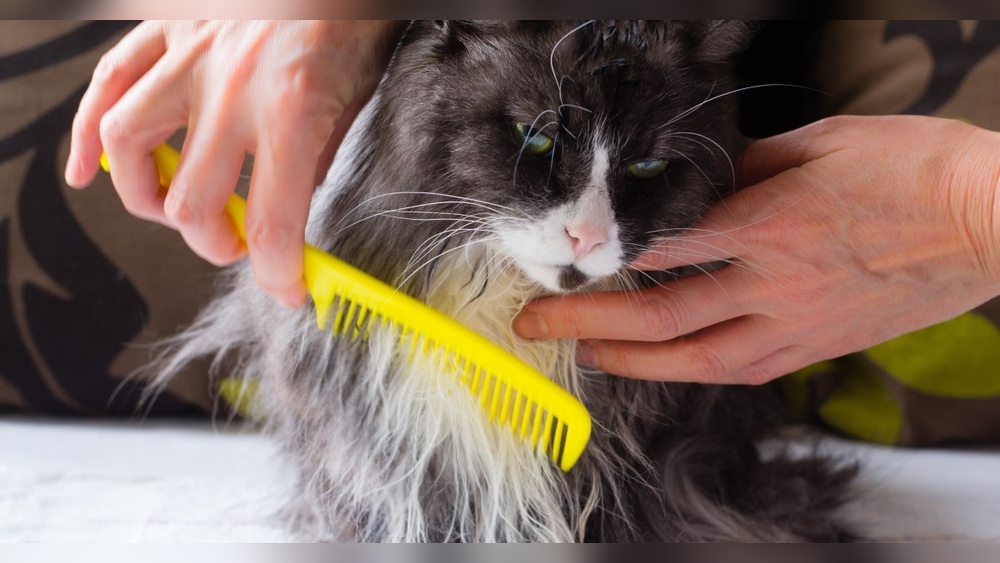
If you have a long-haired cat, you know how tricky it can be to keep their fur clean and tangle-free. Grooming your cat not only helps them look great but also keeps them healthy and comfortable.
But where do you start? How can you make grooming easy and stress-free for both you and your furry friend? This video guide will show you simple, step-by-step techniques to groom your long-haired cat like a pro. Keep reading to discover tips that will save you time and keep your cat happy during every grooming session.
Choosing The Right Tools
Choosing the right tools makes grooming easier for you and your cat. Long-haired cats need special brushes and accessories. Using the correct tools helps prevent hair tangles and mats. It also keeps your cat comfortable during grooming.
Brush Types For Long Fur
Slicker brushes work well for removing loose fur and dirt. They have fine, short wires close together. A wide-toothed comb untangles knots without pulling the fur. Pin brushes help smooth the coat and add shine. Choose brushes with soft tips to protect your cat’s skin. Each brush type serves a different purpose during grooming.
Essential Grooming Accessories
Besides brushes, some accessories make grooming complete. Grooming gloves remove loose hair while petting your cat. Nail clippers keep your cat’s claws trimmed and safe. A detangling spray helps loosen stubborn mats. A grooming table or non-slip mat keeps your cat steady. These tools support a smooth, stress-free grooming session.
Preparing Your Cat
Preparing your long-haired cat for grooming is important. It helps make the process smooth and stress-free. Taking time before grooming sets a positive tone for your cat. Preparation can reduce fear and make your cat more relaxed. This section covers how to get your cat ready for grooming.
Creating A Calm Environment
Choose a quiet room for grooming. Avoid loud noises or sudden sounds. Soft lighting helps keep your cat calm. Remove distractions like other pets or toys. Use a soft blanket or towel for comfort. A calm place helps your cat stay still. This makes grooming easier and safer.
Getting Your Cat Comfortable
Let your cat explore the grooming area first. Speak softly and move slowly around your cat. Gently pet your cat to build trust. Offer small treats to create positive feelings. Use a brush to touch your cat lightly. Stop if your cat shows signs of stress. Repeat these steps before each grooming session. Comfort leads to better grooming results.
Brushing Techniques
Brushing long-haired cats needs care and patience. Good brushing keeps their coat clean and healthy. It also stops mats and tangles from forming. Using the right brushing techniques makes grooming easier for you and your cat.
Start slowly and be gentle. Long hair can easily tangle and pull. Knowing how to brush well helps your cat feel safe and calm during grooming.
Detangling Knots Safely
Knots and tangles need careful handling. Use your fingers first to loosen small knots. Hold the hair close to the skin. This reduces pulling and pain.
Use a wide-toothed comb for bigger tangles. Work on small sections at a time. Move slowly and gently to avoid hurting your cat. Never cut knots with scissors. This can cause injury.
Brushing Direction And Speed
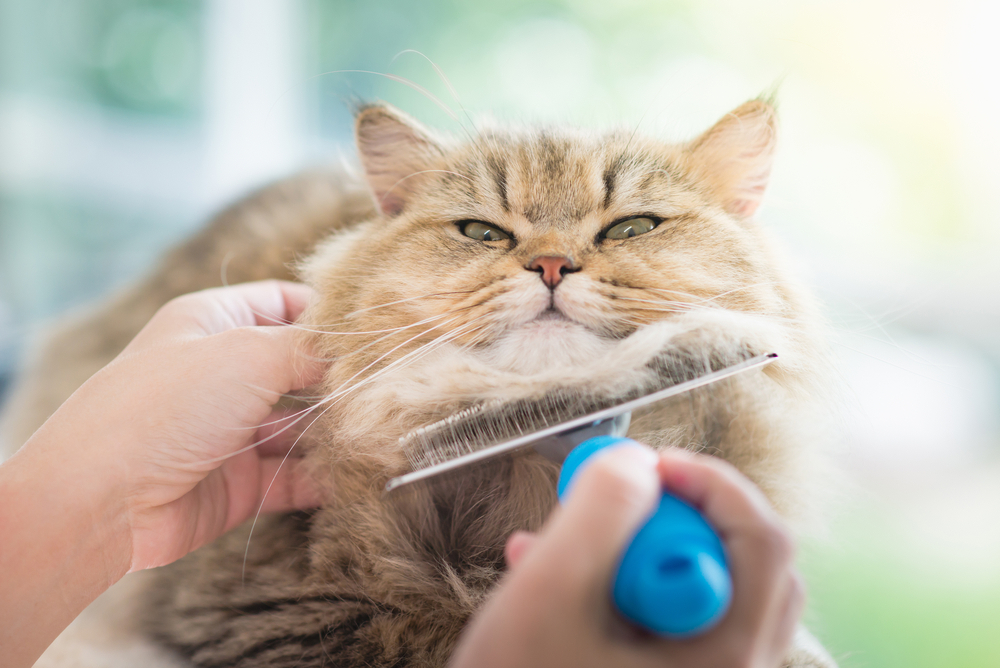
Brush in the direction of hair growth. This helps remove loose fur and dirt. Start from the head and move toward the tail. Use slow, steady strokes.
Fast brushing can scare your cat. Keep your pace calm and soft. Watch your cat’s reaction. Stop if they seem uncomfortable or stressed.
Credit: unionlakepetservices.com
Bathing Long Haired Cats
Bathing long haired cats can be a challenge but is important for their health. Their thick fur traps dirt and oils, which can cause mats and skin problems. Regular baths help keep their coat clean, soft, and shiny. It also reduces shedding and helps control hairballs. Many cats dislike water, so patience and care are key during the process.
When To Bathe Your Cat
Bathe your cat only when necessary. Cats usually clean themselves well. Bathing too often can dry their skin. Use a bath when your cat is very dirty or smells bad. Also bathe if your cat has fleas or a skin condition. For long haired cats, bathing every four to six weeks is often enough. Always check with a vet if unsure.
Step-by-step Bathing Process
Start by brushing your cat to remove tangles and loose fur. Fill a sink or tub with a few inches of warm water. Test the water temperature to make sure it is not hot. Gently place your cat in the water and speak softly to calm them. Use a cat-safe shampoo, avoiding the eyes and ears. Lather carefully and rinse well to remove all soap. Wrap your cat in a towel and dry gently. Use a brush again once the fur is dry to keep it smooth.
Dealing With Mats And Tangles
Mats and tangles are common problems in long-haired cats. They form when fur twists and knots tightly. These can hurt your cat’s skin and cause discomfort. Regular grooming helps keep mats away. But sometimes, mats need special care to remove safely.
Patience is key. Work slowly and gently to avoid hurting your cat. Use the right tools and techniques for best results. This section covers how to handle mats and stop them from coming back.
Tools For Mat Removal
Choose tools made for long-haired cats. A wide-toothed comb helps loosen small tangles. Use a mat splitter or dematting comb for tougher mats. These tools cut mats without pulling the fur too hard.
Scissors can be used carefully for very tight mats. Hold the fur away from the skin before cutting. Avoid using regular human brushes. They can hurt your cat’s skin or fur.
Preventing Future Mats
Brush your cat’s fur daily. This keeps the coat smooth and tangle-free. Focus on areas that mat easily, like behind ears and under legs. Check your cat’s fur after playtime or outdoor walks.
Baths with gentle shampoo can help keep fur clean and soft. Dry your cat well after baths. A clean, dry coat reduces matting risk. Regular grooming sessions build trust and make mat removal easier.

Credit: www.youtube.com
Trimming And Clipping Tips
Trimming and clipping long-haired cats helps keep their fur clean and tangle-free. It also prevents mats and reduces shedding. This section shares simple tips for trimming and using clippers safely. Follow these steps to keep your cat calm and comfortable during grooming.
Safe Areas To Trim
Focus on areas where mats often form. Trim around the neck, belly, and under the legs. These spots get dirty and tangled easily. Avoid cutting too close to the skin. Be careful near sensitive spots like the face and paws. Use scissors with rounded tips for safety. Trim small sections at a time to avoid stress.
Using Clippers Effectively
Choose clippers designed for pets. They should be quiet and sharp. Start with a low speed to keep your cat calm. Hold the skin tight to avoid cuts. Move the clippers in the direction of hair growth. Take breaks if your cat gets nervous. Clean the clippers after each use to keep them working well.
Maintaining Coat Health
Maintaining the coat health of long-haired cats is very important. Their fur needs extra care to stay soft and shiny. Healthy fur also means a happy cat. Proper care stops mats and tangles from forming. It keeps your cat comfortable and clean.
Diet And Hydration
A good diet helps your cat’s fur stay strong. Feed high-quality food rich in proteins and omega fatty acids. These nutrients support healthy skin and shiny fur. Water is just as important. Cats need fresh water every day. Proper hydration keeps their skin moist and reduces dryness.
Regular Grooming Schedule
Brush your long-haired cat often. Daily brushing stops tangles and mats from forming. Use a brush made for long fur. It removes loose hair and dirt. Grooming also helps spread natural oils through the coat. This makes the fur soft and shiny. Set a regular grooming time your cat enjoys.

Credit: www.amazon.com
Handling Common Grooming Challenges
Grooming long-haired cats can be tricky. Many cats do not like brushing or handling. Some may get nervous or try to run away. Knowing how to handle these common problems helps make grooming easier. It keeps your cat calm and safe. Spotting skin problems early protects your cat’s health.
Dealing With Uncooperative Cats
Some cats resist grooming strongly. They might hiss, scratch, or wiggle a lot. Stay calm and gentle. Use a soft voice to soothe your cat. Take breaks if your cat gets stressed. Try brushing for a few minutes each day. This builds trust slowly. Offering treats can encourage good behavior. Use grooming tools that are smooth and quiet. Never force your cat. Patience is key to success.
Recognizing Skin Issues
Check your cat’s skin during grooming. Look for redness, bumps, or flakes. Dry patches or hair loss need attention. These signs can mean allergies or infections. Cats may lick or scratch these spots often. If you see sores or swelling, contact a vet. Early treatment prevents serious problems. Clean your grooming tools to avoid spreading infections. Regular skin checks keep your cat healthy and happy.
When To Seek Professional Help
Long-haired cats need regular grooming to stay healthy. Some grooming tasks can be tricky at home. Knowing when to seek professional help is important. Professionals have the right tools and skills. They can handle tough mats, skin problems, and anxious cats safely.
Signs You Need A Groomer
Severe mats that you cannot remove need expert care. Cats with skin irritation or wounds require gentle cleaning. If your cat resists grooming or becomes stressed, a groomer can help. Excessive shedding or hairballs might mean your cat needs a deep grooming session. Notice if your cat’s nails are too long or sharp. These are good reasons to visit a groomer.
Choosing The Right Grooming Service
Look for groomers experienced with long-haired cats. Check if they use pet-safe products and tools. A calm and clean environment helps reduce your cat’s stress. Read reviews and ask for recommendations from other cat owners. Confirm the groomer can handle special needs or health issues. Choose a place that values your cat’s comfort and safety.
Frequently Asked Questions
How Often Should I Groom My Long-haired Cat?
Groom your long-haired cat daily to prevent mats and tangles. Regular brushing reduces shedding and hairballs. Consistent grooming keeps their coat healthy and shiny.
What Tools Are Best For Grooming Long-haired Cats?
Use a slicker brush, wide-tooth comb, and grooming scissors. These tools effectively remove tangles and loose hair. Choose gentle tools to avoid skin irritation.
How Do I Prevent Mats In My Cat’s Fur?
Brush your cat daily and check for knots. Use detangling spray if needed. Trim mats carefully or seek professional grooming to avoid discomfort.
Can Grooming Reduce Shedding In Long-haired Cats?
Yes, regular grooming removes loose hair and reduces shedding. It also helps control hairballs by eliminating swallowed fur. Grooming keeps your home cleaner too.
Conclusion
Grooming long-haired cats keeps their coats healthy and clean. Regular brushing prevents mats and reduces shedding. It also helps your cat feel comfortable and loved. Use gentle strokes and be patient during grooming sessions. Watch the video to see easy steps in action.
With care and time, grooming becomes a pleasant routine. Your cat will thank you with a soft, shiny coat. Keep tools ready and check your cat’s skin often. Enjoy bonding moments while caring for your furry friend.