
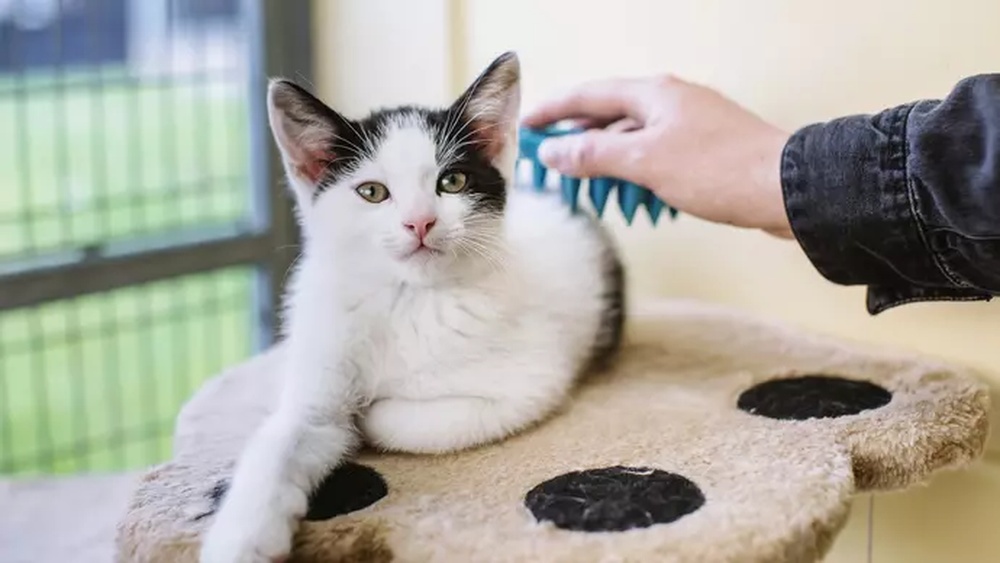
Grooming your cat might seem simple, but doing it the right way makes all the difference. When you learn how to groom your cat properly, you keep them healthy, comfortable, and happy.
Plus, it’s a great way to bond with your furry friend. If you want to avoid mats, reduce shedding, and make your cat’s coat shine, this guide is exactly what you need. Keep reading, and you’ll discover easy tips that make grooming a stress-free experience for both you and your cat.
Credit: www.purina.com
Choosing The Right Grooming Tools
Choosing the right grooming tools helps keep your cat healthy and happy. Proper tools make grooming easier and more comfortable. Cats have different coat types. Using the correct brush and supplies saves time and prevents skin problems. Safe nail clippers protect your cat’s paws and reduce stress. Understanding the tools is the first step to good grooming.
Brush Types For Different Coats
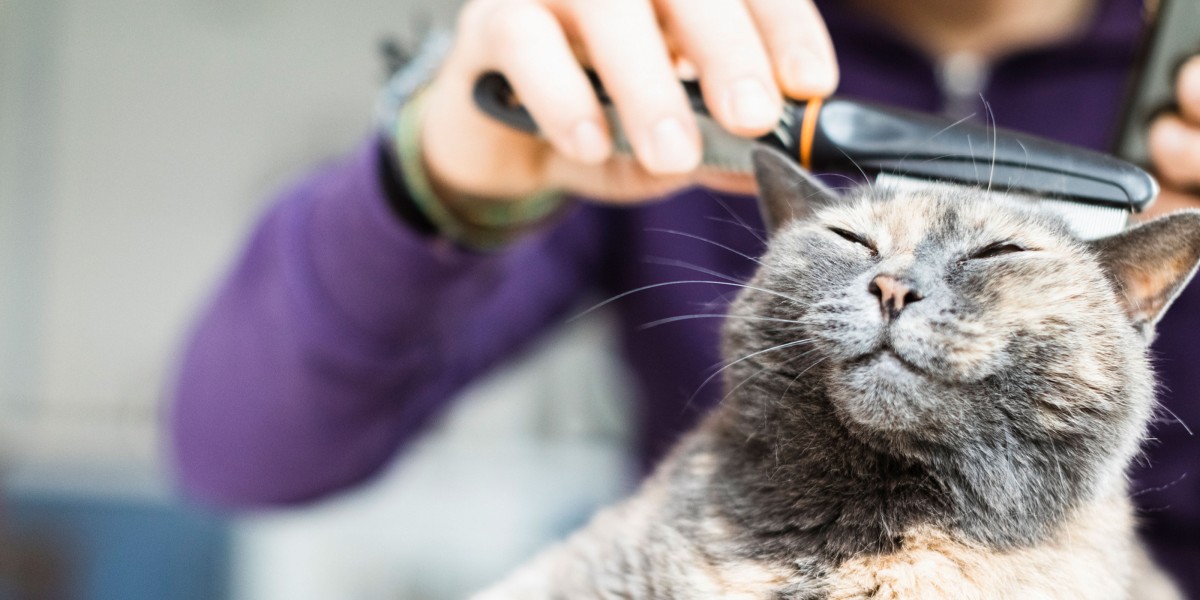
Short-haired cats need a soft bristle brush. It removes loose hair and dirt gently. Long-haired cats benefit from a slicker brush. This brush detangles knots and mats without pulling. A comb with wide and narrow teeth works well for both coats. It helps find small tangles and removes loose fur. Choose brushes based on your cat’s coat length and thickness.
Essential Grooming Supplies
Besides brushes, keep grooming wipes and gentle shampoo. Wipes clean your cat’s face and paws between baths. Use shampoo made for cats only. It keeps their skin safe and fur shiny. Nail files smooth sharp edges after trimming. A soft towel helps calm your cat during grooming. Keep all supplies clean and ready for use.
Safe Nail Clippers And Trimmers
Use nail clippers designed for cats. They cut nails cleanly without crushing. Avoid human nail scissors or large clippers. These can hurt your cat’s paws. Trim nails slowly and carefully to avoid cutting the quick. Nail trimmers with a guard help prevent over-cutting. Regular trimming stops nails from growing too long or sharp.
Credit: www.aspca.org
Brushing Techniques For Cats
Brushing your cat is important for their health and happiness. It helps keep their coat clean and reduces hairballs. Learning the right brushing techniques makes grooming easier for you and your cat. Regular brushing also builds trust and strengthens your bond.
Daily Brushing Benefits
Brushing your cat every day removes loose fur and dirt. It helps stop hair from matting and tangling. Daily brushing lowers shedding around your home. It also spreads natural oils, making your cat’s coat shiny. This simple habit keeps your cat comfortable and healthy.
Handling Mats And Tangles
Mats and tangles can hurt your cat if not handled gently. Use a wide-tooth comb to loosen knots slowly. Hold the fur close to the skin to avoid pulling. Cut stubborn mats carefully with scissors or seek a groomer’s help. Always be patient and calm during this process.
Brushing Long Vs Short Hair
Long-haired cats need longer, softer brushes to reach through thick fur. Brush in the direction of hair growth to avoid pain. Short-haired cats benefit from bristle brushes that remove loose hair quickly. Adjust your brushing tools and time based on your cat’s coat type.
Bathing Your Cat Safely
Bathing your cat can be a tricky task. Cats usually clean themselves well. But sometimes, they need a bath to stay healthy and clean. Bathing your cat safely means keeping them calm and using the right products. This section will guide you through the best way to bathe your cat without stress.
When To Bathe Your Cat
Most cats do not need regular baths. Only bathe your cat if they are very dirty or have fleas. If your cat has a skin problem, a vet may suggest baths. Avoid bathing kittens under 8 weeks old. Also, do not bathe cats that are very old or sick unless a vet advises it.
Step-by-step Bathing Process
Start by brushing your cat to remove loose fur. Use warm water, not hot or cold. Place your cat in a sink or small tub. Wet their fur gently, avoiding the head and ears. Apply a small amount of shampoo and lather carefully. Rinse all shampoo out to avoid skin irritation. Use a towel to dry your cat well. Keep your cat warm until fully dry.
Choosing Cat-friendly Shampoos
Pick shampoos made specifically for cats. Human shampoos can harm your cat’s skin. Look for shampoos that are gentle and fragrance-free. Avoid products with harsh chemicals or insecticides. If your cat has sensitive skin, use hypoallergenic shampoos. Always read the label to ensure safety for cats.
Trimming Nails Without Stress
Trimming your cat’s nails can be a calm and simple task. Many cats feel nervous or scared during nail trims. This makes the process hard for both you and your pet. Knowing how to trim nails without stress helps keep your cat safe and relaxed. A calm approach builds trust and makes future trims easier.
Signs Your Cat Needs A Nail Trim
Check your cat’s nails regularly. Long nails can catch on fabric or carpet. You might hear clicking sounds on hard floors. Sharp nails can scratch skin or furniture. If your cat’s nails touch the ground, they need trimming. Look for curved or broken nails too. These signs mean it is time to trim.
How To Trim Nails Properly
Use a small, sharp nail clipper made for cats. Hold your cat gently but firmly. Press the paw pad to show the nail. Cut only the sharp tip of the nail. Avoid the pink part inside the nail. This part has blood vessels and nerves. Cutting it causes pain and bleeding. Trim nails in a quiet place. Speak softly to keep your cat calm.
Managing Nervous Or Resistant Cats
Start slow and be patient. Try trimming one or two nails each day. Give treats or praise to reward calm behavior. Use a towel to wrap your cat if needed. This helps keep claws away from you. Stop if your cat gets too scared. Try again later after a break. Gentle touch and calm voice help reduce stress.
Cleaning Ears And Eyes
Cleaning your cat’s ears and eyes is important for their health. Dirt and wax can build up and cause discomfort. Regular care helps prevent infections and keeps your pet happy.
Be gentle and patient during cleaning. Cats can be sensitive, so use soft materials and avoid harsh chemicals. Watch your cat’s reaction to avoid stress or pain.
Safe Ear Cleaning Methods
Use a damp cotton ball or soft cloth. Avoid cotton swabs as they can hurt the ear canal. Gently wipe the visible part of the ear.
If wax is heavy, use a vet-approved ear cleaner. Apply a few drops, massage the base of the ear, then wipe away loosened wax. Never force anything deep inside.
Recognizing Signs Of Infection
Look for redness, swelling, or bad smell in ears. Scratching or shaking the head often means discomfort. Check eyes for redness, discharge, or constant blinking.
If you notice any signs, consult a vet quickly. Early treatment prevents serious problems. Don’t ignore unusual behaviors related to ears or eyes.
Gentle Eye Care Tips
Use a clean, damp cloth to wipe around the eyes. Wipe from the corner outward to remove dirt. Avoid touching the eyeball directly.
Remove tear stains gently with a soft cloth. Keep the fur trimmed near the eyes to stop irritation. Use only products safe for cats.
Dealing With Shedding And Hairballs
Shedding and hairballs are common problems for cat owners. Cats shed fur naturally to keep their coat healthy. Sometimes, shedding increases during seasonal changes. Hairballs form when cats swallow loose fur while grooming. These can cause discomfort and mess around the house. Managing shedding and hairballs helps keep your cat happy and clean.
Controlling Excess Shedding
Brush your cat regularly to remove loose fur. Use a brush suited to your cat’s fur type. Short-haired cats need a soft brush. Long-haired cats need a comb or slicker brush. Brushing reduces loose fur on furniture and clothes. It also lowers the amount of fur your cat swallows. Aim to brush your cat at least twice a week.
Preventing Hairballs Naturally
Provide your cat with plenty of water to help fur pass through the digestive system. Play with your cat daily to reduce stress. Stress can increase grooming and fur swallowing. Use hairball control treats or supplements. These products help hair move through the gut safely. Keep your cat’s fur clean and free of mats.
Diet Tips To Reduce Hairballs
Feed your cat a balanced diet with high fiber. Fiber helps move swallowed fur through the digestive tract. Choose cat food labeled for hairball control. These foods contain ingredients that reduce hairball formation. Avoid overfeeding to maintain a healthy weight. A healthy cat grooms less and swallows less fur.
Creating A Grooming Routine
Creating a grooming routine helps keep your cat healthy and happy. Regular grooming removes dirt and loose fur. It also prevents mats and tangles. A routine builds trust between you and your cat. It makes grooming less stressful for both of you. Start with small sessions and be patient. Your cat will get used to the process over time.
Setting A Schedule That Works
Pick a time when your cat is calm. After a nap or meal can be good. Keep sessions short, around 5 to 10 minutes. Consistency helps your cat expect grooming. Choose days that fit your own schedule. Twice a week works well for most cats. Long-haired cats may need daily brushing. Adjust the schedule based on your cat’s needs.
Making Grooming Enjoyable For Your Cat
Use gentle strokes and soft brushes. Avoid pulling on mats or tangles. Talk softly to calm your cat. Give treats or small rewards during and after grooming. Stop if your cat shows signs of stress. Let your cat explore the brush first. Turn grooming into a positive time. This builds a good habit and trust.
Monitoring Your Cat’s Coat Health
Check your cat’s fur regularly for changes. Look for bald spots, bumps, or redness. Notice if your cat scratches more than usual. Healthy fur looks shiny and smooth. Matted fur can hide skin problems. Report any unusual signs to your vet. Early care helps prevent serious issues. Grooming time is also a chance to check overall health.

Credit: drelseys.com
Frequently Asked Questions
How Often Should I Groom My Cat?
Groom your cat at least once a week to remove loose fur. Long-haired cats may require daily brushing. Regular grooming prevents mats and reduces shedding. It also helps monitor your cat’s skin and overall health.
What Tools Do I Need To Groom My Cat?
Use a soft-bristle brush for short-haired cats and a slicker brush for long hair. A comb helps remove tangles. Nail clippers and pet-safe wipes are also useful. Choose tools that suit your cat’s fur type and comfort.
How Can I Make Grooming Stress-free For My Cat?
Create a calm environment and use gentle strokes. Start with short sessions and reward your cat with treats. Speak softly and avoid sudden movements. Consistency helps your cat get used to grooming over time.
Can Grooming Prevent Cat Hairballs?
Yes, regular grooming removes loose hair before your cat swallows it. This reduces hairballs and improves digestion. Brushing daily is especially important for long-haired cats prone to hairballs.
Conclusion
Grooming your cat keeps their coat clean and healthy. Regular brushing helps reduce hairballs and shedding. It also creates a strong bond between you and your pet. Use gentle strokes and be patient during grooming sessions. Always check for signs of skin problems or fleas.
Clean your cat’s ears and trim nails carefully. Small, consistent efforts make grooming easier for both of you. Enjoy these moments to show care and love. Your cat will feel comfortable and happy with regular grooming. Simple steps lead to a healthier and shinier coat.