
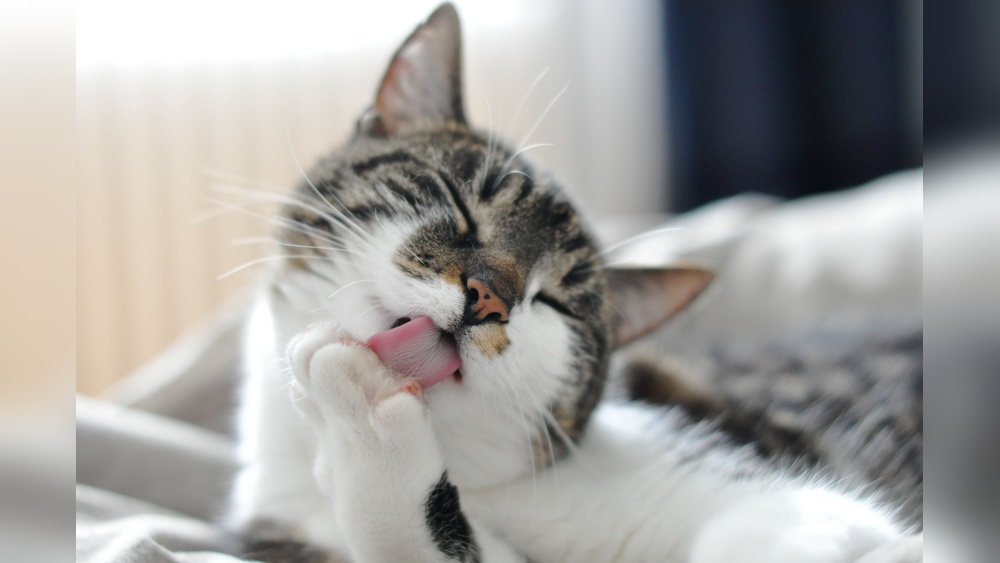
Your cat’s grooming habits say a lot about its health and happiness. But sometimes, your furry friend might need a little help to stay clean and comfortable.
You might wonder how to assist your cat with grooming without stressing them out or taking away their independence. You’ll discover simple, effective ways to support your cat’s natural grooming process. Keep reading to learn how you can make grooming easier and more enjoyable for your beloved pet.

Credit: solidgoldpet.com
Benefits Of Cat Grooming
Cats groom themselves to stay clean and healthy. Grooming helps them remove dirt and loose fur. It also keeps their skin fresh and free from problems. Helping your cat groom can improve its life in many ways.
Maintaining Skin Health
Grooming clears away dead skin cells. It spreads natural oils evenly on their fur. This keeps their skin soft and moist. Healthy skin stops itching and irritation. Grooming lowers chances of skin infections.
Reducing Hairballs
Cats swallow fur when they clean themselves. This fur can form hairballs in their stomach. Regular grooming removes loose hair before swallowing. It lowers hairball formation and discomfort. Hairballs can cause vomiting and blockages.
Preventing Matting
Matting happens when fur tangles and clumps together. It causes pain and skin problems. Grooming stops mats from forming. Smooth fur lets your cat move comfortably. It also keeps your cat looking neat and happy.
Signs Your Cat Needs Grooming Help
Cats usually groom themselves well. But sometimes, they need help. Knowing the signs helps you keep your cat clean and healthy. Watch for changes in their coat and behavior. These signs tell you when your cat needs grooming help.
Excessive Shedding
Shedding is normal for cats. But too much fur on furniture or clothes means trouble. Excessive shedding can cause skin problems. Your cat might be stressed or sick. Regular brushing helps reduce loose fur and keeps skin healthy.
Visible Mats Or Tangles
Mats and tangles form when fur stays dirty or wet. They can pull on your cat’s skin and hurt. Cats with long hair often get mats. If your cat has clumps of fur, grooming help is needed. Use a gentle brush to remove mats carefully.
Unusual Odors
Healthy cats usually smell clean. Bad smells can mean dirt or skin issues. A strong odor might come from mats or infections. Check your cat’s fur and skin for problems. Bathing and grooming can remove odors and improve health.
Choosing The Right Grooming Tools
Choosing the right grooming tools helps your cat stay clean and healthy. Good tools make grooming easy and comfortable for your cat. They also prevent skin problems and reduce shedding. Each cat needs different tools based on their fur type and habits.
Types Of Brushes And Combs
Brushes come in many styles. Slicker brushes remove loose hair and dirt from thick coats. Bristle brushes work well for short-haired cats. Combs help untangle mats and knots gently. Choose soft bristles for sensitive skin. Use fine-toothed combs for delicate areas like the face.
Grooming Gloves
Grooming gloves fit over your hands. They have soft rubber tips that remove loose hair. Cats often like the gentle massage feeling. Gloves work well for cats that dislike brushes. They also help spread natural oils across the fur, keeping it shiny and smooth.
Nail Clippers And Other Supplies
Nail clippers keep your cat’s claws short and safe. Use clippers made specifically for cats. Keep styptic powder nearby for small cuts. Other helpful supplies include ear cleaners and pet-safe wipes. These tools keep your cat clean and comfortable between baths.
Creating A Grooming Routine
Helping your cat groom itself is easier with a good routine. Cats feel safe and calm when they know what to expect. A steady grooming routine supports their health and happiness. It also builds trust between you and your cat. Start simple and be patient as your cat adjusts.
Best Time For Grooming
Pick a time when your cat is relaxed and quiet. After a nap or meal works well. Avoid grooming during playtime or when your cat is very active. Choose a moment without loud noises or distractions. This helps your cat stay calm and enjoy grooming.
Setting A Calm Environment
Find a quiet, comfortable spot for grooming. Use soft lighting and a warm room. Speak softly and move slowly to avoid startling your cat. Keep grooming tools nearby to stay gentle and steady. A calm place helps your cat feel safe and relaxed.
Frequency And Duration
Groom your cat regularly but keep sessions short. Start with five to ten minutes and watch your cat’s mood. Increase time slowly if your cat stays calm. Grooming every few days is enough for most cats. Short, regular sessions keep grooming stress-free.
Techniques To Encourage Self-grooming
Helping a cat groom itself keeps it healthy and happy. Cats need gentle support to maintain clean fur and skin. Simple techniques can encourage your cat to groom on its own more often. These methods improve comfort and reduce stress for your pet.
Brushing To Stimulate Fur
Brushing your cat regularly helps remove loose hair. It also spreads natural oils across the fur. Use a soft brush designed for cats. Brush gently in the direction of hair growth. This feels good and encourages your cat to groom itself more.
Using Cat-friendly Products
Choose shampoos and sprays made especially for cats. These products are gentle and safe for their skin. Avoid harsh chemicals or strong perfumes. Use grooming wipes or waterless shampoos to freshen fur between baths. These help your cat stay clean and comfortable.
Providing Proper Nutrition
Good food supports healthy skin and shiny fur. Feed a balanced diet rich in vitamins and fatty acids. Proper nutrition strengthens your cat’s coat and reduces skin problems. Healthy cats feel better and groom themselves more often.
Handling Grooming Challenges
Helping a cat groom itself can sometimes be tricky. Cats have different moods and skin types. Some cats may resist grooming, while others have delicate skin. You need patience and care to handle these challenges.
Dealing With Uncooperative Cats
Some cats do not like being brushed or touched. They may scratch or run away. Try to stay calm and gentle. Use soft brushes designed for cats. Let your cat sniff the brush first. Short, slow grooming sessions work best. Give treats and praise to build trust. Avoid forcing your cat to stay still.
Managing Sensitive Skin
Cats with sensitive skin need extra care. Their skin may get red or dry easily. Use gentle, hypoallergenic shampoos if bathing is needed. Avoid over-brushing, which can irritate skin. Check for signs of irritation after grooming. Use soft cloths to clean delicate areas. Keep your cat’s nails trimmed to prevent scratching.
When To Seek Veterinary Help
Sometimes grooming problems need expert help. Look for bald spots, wounds, or constant itching. If your cat resists grooming more than usual, see a vet. Skin infections or allergies may cause discomfort. The vet can recommend treatments or special care. Early help prevents more serious problems later.
Additional Tips For A Healthy Coat
Helping your cat keep a healthy coat goes beyond grooming. Several small habits support their fur’s shine and softness. These tips help your cat stay comfortable and look great.
Hydration Importance
Water helps keep your cat’s skin and coat healthy. Dry skin can cause itching and dull fur. Fresh water should always be available. Wet cat food can also add moisture to their diet. Encourage drinking by placing water bowls in quiet spots.
Regular Vet Checkups
Checkups catch skin problems early. Parasites, allergies, or infections affect fur health. Your vet can suggest treatments or diet changes. Regular visits keep your cat in good shape. Healthy skin means a shiny coat.
Environmental Enrichment
A happy cat grooms better. Stress can cause fur loss or rough patches. Provide toys and safe spaces for play. A calm environment helps reduce anxiety. Enrichment supports overall well-being and healthy fur.

Credit: luckydawgsalongrooming.com
Credit: www.mspca.org
Frequently Asked Questions
How Can I Encourage My Cat To Groom Itself More?
Provide a clean environment and a healthy diet to boost grooming. Regularly brush your cat to reduce shedding and encourage self-cleaning. Ensure your cat feels safe and stress-free, as anxiety can reduce grooming behavior.
What Tools Help Cats Groom More Effectively?
Use a soft-bristle brush or grooming glove to remove loose fur. Nail clippers keep claws trimmed, preventing accidental scratches during grooming. These tools support your cat’s natural grooming routine and keep its coat healthy.
When Should I Assist My Cat With Grooming?
Help your cat if it shows signs of neglect, such as matted fur or excessive dirt. Older or sick cats may need more grooming assistance. Regularly check for skin issues or parasites that your cat might miss.
Can Diet Improve My Cat’s Grooming Habits?
Yes, a balanced diet with essential fatty acids supports skin and coat health. Proper nutrition reduces shedding and itching, making grooming easier. Consult your vet for diet recommendations tailored to your cat’s needs.
Conclusion
Helping your cat groom itself keeps it clean and healthy. Regular brushing supports their natural habits and reduces hairballs. Watch for signs of skin issues or discomfort. Offer gentle help during tough spots like mats or long fur. Keep grooming sessions calm and short to build trust.
Small steps make a big difference in your cat’s care. Caring for your cat’s grooming helps it stay happy every day.