
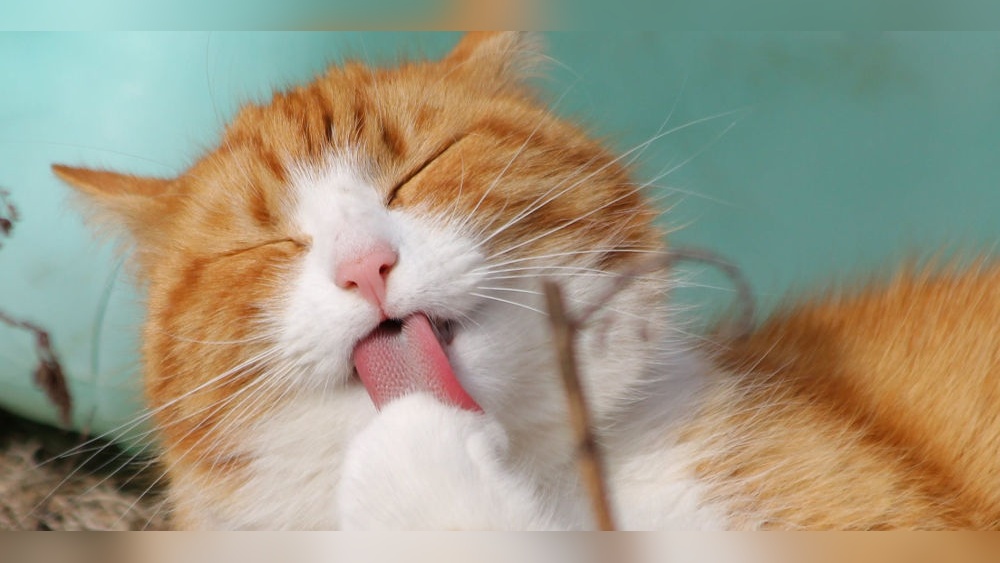
Grooming your cat doesn’t have to be a stressful task for either of you. If you want your furry friend to look and feel their best, learning how to help cat groom is key.
You might be wondering how to make grooming easier, safer, and even enjoyable for your pet. You’ll discover simple steps and helpful tips that will turn grooming time into a bonding moment you both look forward to. Ready to see your cat happy and healthy with a shiny coat?
Let’s dive in!
Benefits Of Regular Grooming
Regular grooming helps keep your cat healthy and happy. It goes beyond just making your cat look good. Grooming supports their overall well-being. It also strengthens your bond with your pet.
Improved Coat Health
Brushing your cat removes dirt and loose fur. It spreads natural oils that shine the coat. A healthy coat feels soft and smooth. It helps protect your cat’s skin from dryness and irritation.
Reduced Shedding
Regular grooming catches loose hair early. This stops excessive fur from falling around the house. Less shedding means less hair on clothes and furniture. It also lowers the chance of hairballs forming in your cat.
Early Detection Of Health Issues
Grooming sessions let you check your cat’s body closely. You can spot lumps, bumps, or skin problems fast. Early detection helps get treatment sooner. It keeps your cat healthier and more comfortable.
Essential Grooming Tools
Grooming your cat keeps them clean and healthy. Using the right tools makes grooming easier and safer. Essential grooming tools help remove loose fur, prevent mats, and keep your cat comfortable. They also protect your cat’s skin and coat. Knowing which tools to use is important for a good grooming session.
Choosing The Right Brush
Select a brush that fits your cat’s coat type. Short-haired cats need a soft bristle brush. Long-haired cats do better with a slicker brush or comb. A good brush removes loose fur and dirt. It stops hairballs and matting. Brush gently to avoid hurting your cat.
Nail Clippers And Trimmers
Use nail clippers made for cats. These tools cut nails safely and cleanly. Trim your cat’s nails regularly to avoid scratching. Hold the paw firmly but gently. Cut only the sharp tip, not the quick inside the nail. Sharp nails can hurt you and your cat.
Cleaning Supplies For Ears And Eyes
Keep your cat’s ears and eyes clean with special supplies. Use cotton balls or pads with a vet-approved cleaner. Wipe away dirt and discharge carefully. Avoid using cotton swabs inside the ear canal. Clean regularly to prevent infections and discomfort.
Preparing Your Cat For Grooming
Preparing your cat for grooming helps make the process easier and less stressful. Cats can feel nervous with new routines and unfamiliar tools. Taking time to prepare sets a calm tone. It also builds trust between you and your cat. Proper preparation helps your cat stay relaxed and enjoy grooming moments.
Creating A Calm Environment
Choose a quiet room free from loud noises. Soft lighting helps your cat feel safe. Remove other pets or distractions nearby. Use a comfortable surface like a soft towel or mat. Keep grooming tools close to avoid leaving your cat alone. Speak softly and move slowly to avoid startling your cat.
Getting Your Cat Comfortable With Touch
Start by gently petting your cat in favorite spots. Gradually touch areas used during grooming, like paws and belly. Use slow, light strokes to build trust. Stop if your cat pulls away or seems scared. Repeat this daily to help your cat accept touch. Reward your cat with treats or praise after petting sessions.
Setting A Grooming Schedule
Choose regular days and times for grooming sessions. Short sessions of 5 to 10 minutes work best. Frequent grooming helps your cat get used to the routine. Stick to the schedule to build consistency. Watch your cat’s reaction and adjust if needed. Consistent grooming reduces mats and keeps your cat healthy.

Credit: www.reddit.com
Step-by-step Grooming Process
Grooming your cat keeps them clean and healthy. A calm, step-by-step approach helps your cat stay relaxed. Follow these simple steps for a smooth grooming routine. Each step builds trust and care between you and your cat.
Brushing Techniques
Choose a brush that fits your cat’s fur type. Start brushing gently from the head to the tail. Use short, soft strokes to avoid hurting your cat. Focus on areas where fur mats, like behind ears and under legs. Brush your cat regularly to reduce shedding and hairballs.
Bathing Your Cat Safely
Fill the sink or tub with warm water, about 3 inches deep. Use cat-friendly shampoo only. Wet your cat slowly, avoiding the face and ears. Apply shampoo and lather gently, then rinse well. Dry your cat with a soft towel. Keep the room warm to prevent chills.
Trimming Nails Without Stress
Pick a quiet, comfortable spot for nail trimming. Hold your cat’s paw gently and press the pad to extend the nails. Trim only the sharp tips, avoiding the pink part called the quick. Use special cat nail clippers for best results. Praise your cat after each paw to keep calm.
Handling Grooming Challenges
Grooming a cat can sometimes be a tough task. Cats may not always enjoy the process. They might resist or get anxious. Challenges can appear with their fur or behavior. Knowing how to handle these issues helps keep grooming safe and calm.
Dealing With Matted Fur
Matted fur is a common problem. It happens when hair tangles and sticks together. Matted fur hurts cats and can cause skin problems. Use a wide-tooth comb to gently work through small mats. For large mats, try trimming carefully with scissors. Never pull hard on mats. It may hurt your cat and make grooming harder.
Managing Aggressive Behavior
Some cats show aggression during grooming. They might scratch or bite. Stay calm and speak softly. Take breaks if your cat gets upset. Use gentle movements and avoid sudden actions. Try giving treats to create a positive link to grooming. If your cat is too stressed, stop and try again later.
When To Seek Professional Help
Professional groomers know how to handle difficult cats. They have special tools and skills. If mats are too big or your cat is very aggressive, visit a groomer. A vet may help if your cat shows pain or skin issues. Getting expert help keeps your cat safe and healthy.

Credit: smoochie-pooch.com
Diet And Grooming Connection
Good grooming starts with good nutrition. A cat’s diet affects its skin and fur health deeply. Healthy foods help maintain a soft, shiny coat. Poor diet can cause dull, dry fur and skin problems. Understanding this connection can improve your cat’s grooming routine.
Nutrition For A Shiny Coat
Protein is the building block of healthy fur. Cats need high-quality protein from meat or fish. Omega-3 and omega-6 fatty acids keep the coat smooth and shiny. Vitamins A and E support skin repair and fur growth. Avoid fillers like corn or wheat that offer little benefit.
Hydration’s Role In Skin Health
Water keeps a cat’s skin soft and elastic. Dehydration makes skin dry and flaky. Wet food helps increase water intake. Fresh water should always be available. Proper hydration supports natural oils that protect fur and skin.
Grooming Tips For Different Cat Breeds
Different cat breeds need different grooming care. Their fur types affect how often and how you groom them. Understanding these needs keeps cats healthy and comfortable.
Here are grooming tips for long-haired, short-haired, and hairless cats.
Long-haired Cats
Long-haired cats need daily brushing to stop mats and tangles. Use a wide-tooth comb or a slicker brush for best results. Check for knots behind ears and under legs. Regular grooming prevents hairballs. Trim hair around the bottom to keep it clean. Bathing once a month helps remove dirt and loose fur.
Short-haired Cats
Short-haired cats need brushing once or twice a week. Use a soft bristle brush to remove loose hair. This reduces shedding and keeps the coat shiny. Check skin for fleas or dryness during grooming. Bathing is rarely needed unless the cat gets very dirty. Regular brushing also helps bond with your cat.
Hairless Cats
Hairless cats need special care. Their skin gets oily and dirty quickly. Wipe their skin with a damp cloth weekly. Bathing every two weeks helps remove oil buildup. Use mild, cat-safe shampoo. Protect their skin from sunburn by limiting sun exposure. Check ears often and clean if needed.

Credit: luckydawgsalongrooming.com
Maintaining Oral Health
Keeping your cat’s mouth healthy is key to their overall well-being. Poor oral health can lead to pain, infections, and even affect their heart and kidneys. Regular care helps prevent these problems and keeps your cat happy.
Oral care starts at home. Simple steps can make a big difference. Cats need gentle and consistent attention to their teeth and gums.
Brushing Your Cat’s Teeth
Brushing your cat’s teeth removes plaque and stops tartar build-up. Use a soft-bristled toothbrush made for cats. Do not use human toothpaste. It can harm your cat.
Start slowly. Let your cat smell and lick the brush first. Gently brush a few teeth at a time. Make it a calm and quiet moment.
Brush teeth two to three times a week. Consistency helps keep their mouth clean and fresh.
Choosing Dental Treats
Dental treats help reduce plaque and freshen breath. Select treats designed specifically for cats. Look for products approved by veterinarians.
Give treats in moderation. Too many can cause weight gain. Use treats as a reward during grooming sessions.
Dental treats support brushing and help maintain oral health between brushings.
Frequently Asked Questions
How Often Should I Groom My Cat?
Groom your cat at least once a week to prevent matting and reduce shedding. Long-haired cats need more frequent grooming. Regular sessions keep your cat’s coat healthy and skin clean. Grooming also helps detect parasites or skin problems early.
What Tools Are Best For Cat Grooming?
Use a soft-bristle brush for short-haired cats and a wide-toothed comb for long hair. Nail clippers and grooming wipes are also helpful. Choose tools designed specifically for cats to ensure comfort and effectiveness during grooming sessions.
How Can I Make Grooming Stress-free For My Cat?
Create a calm environment and groom your cat gently. Use treats to reward good behavior. Start slowly, especially if your cat is new to grooming. Consistency and patience help your cat feel safe and enjoy grooming over time.
Can Grooming Prevent Hairballs In Cats?
Yes, regular grooming reduces loose fur that cats ingest. Brushing removes dead hair and prevents hairballs. This helps maintain your cat’s digestive health and reduces discomfort caused by hairballs.
Conclusion
Helping your cat with grooming keeps them healthy and happy. Regular brushing stops mats and reduces hairballs. Use gentle strokes and be patient with your cat. Clean their ears and trim nails safely. Praise your cat often to build trust.
Small, daily care routines make a big difference. Enjoy these quiet moments together. Your cat will feel loved and look great. Grooming strengthens your bond and supports their well-being. Keep it simple and consistent for the best results.