
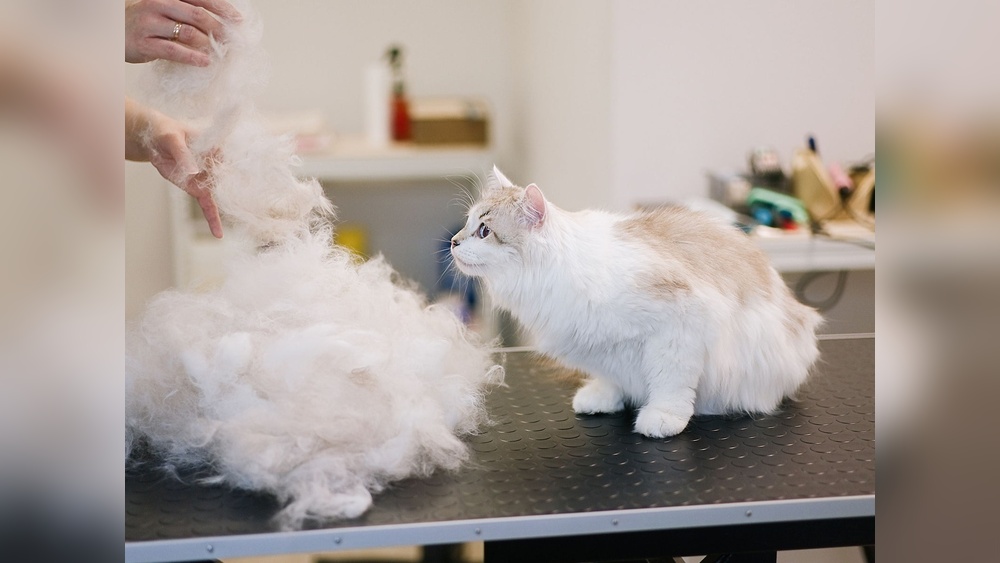
If you have a long-haired cat, you know how tricky grooming can be. Their silky fur can tangle easily, and without the right care, your cat might feel uncomfortable or stressed.
But don’t worry—helping your long-haired cat stay clean and happy is easier than you think. You’ll discover simple, effective tips to make grooming a calm and enjoyable experience for both you and your furry friend. Keep reading to learn how to keep your cat’s coat healthy and beautiful with minimal fuss.
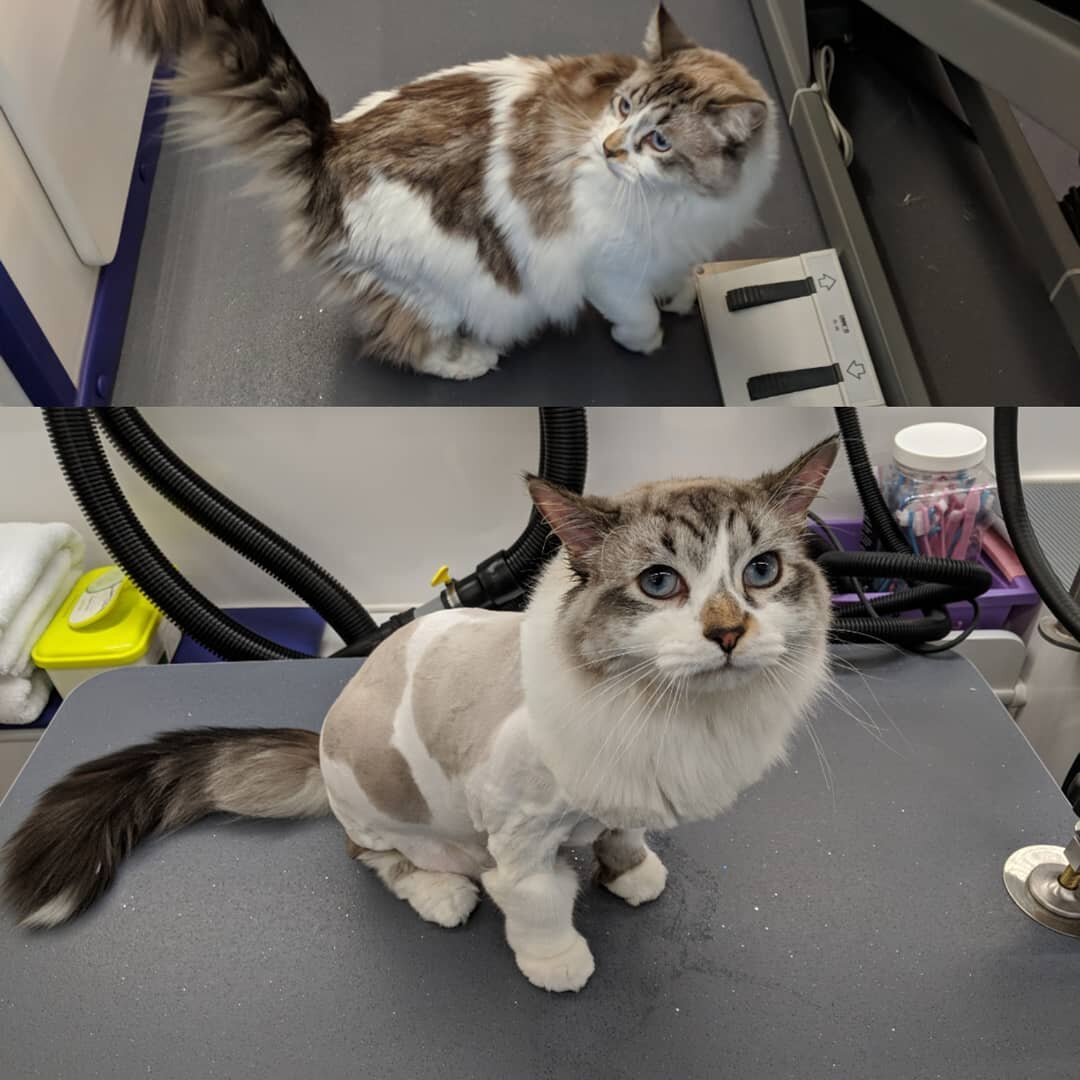
Credit: www.squeakycleangrooming.com
Choosing The Right Grooming Tools
Choosing the right grooming tools makes grooming easier and more effective. Long-haired cats need special care. Their thick fur can tangle and mat quickly. Using the correct tools keeps their coat healthy and shiny. It also makes the grooming process calm and safe.
Combs And Brushes For Long Hair
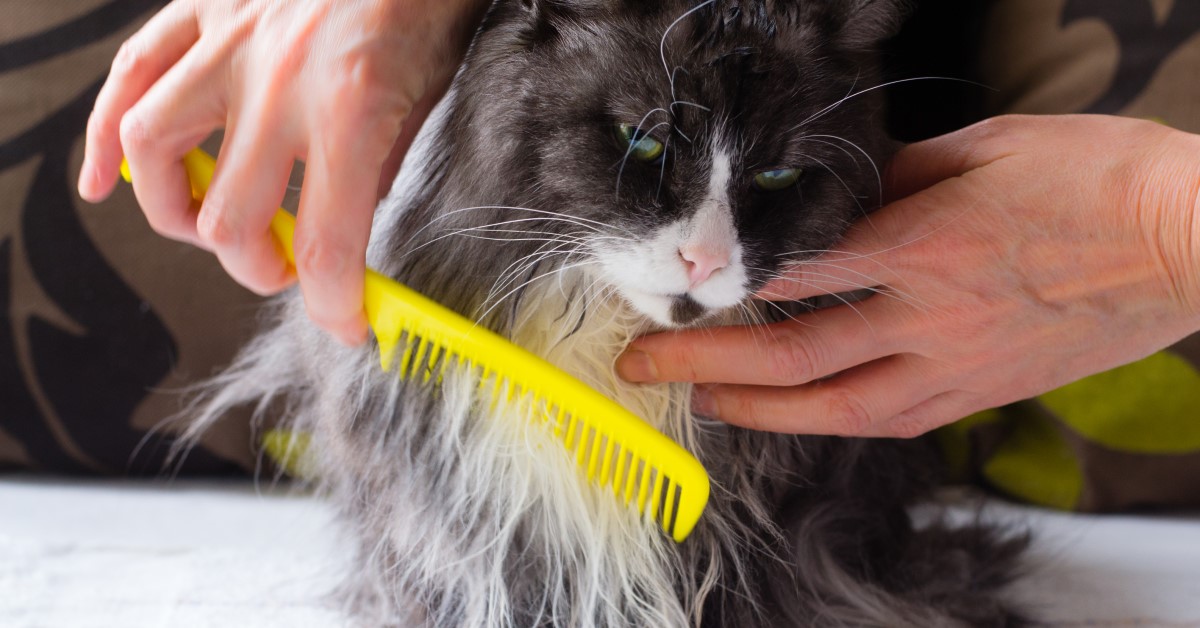
Wide-toothed combs work well for detangling fur gently. They help remove knots without pulling the hair. Slicker brushes have fine wires that reach deep into the coat. They remove loose fur and prevent mats. Regular brushing with these tools stops hair from matting. It also reduces shedding around the house.
Detanglers And Grooming Gloves
Detangling sprays soften tough mats and knots. They make combing less painful for your cat. Grooming gloves feel like petting your cat. They remove loose hair while calming your cat. Gloves are useful for sensitive cats scared of brushes. Both tools help keep the coat smooth and tangle-free.
Nail Clippers And Scissors
Sharp nail clippers keep your cat’s claws short and safe. Long nails can scratch or get caught in fabric. Use clippers designed for cats to avoid injury. Scissors with rounded tips trim fur around paws and ears. This keeps your cat clean and comfortable. Trim carefully to protect delicate skin.
Credit: www.petassure.com
Establishing A Grooming Routine
Establishing a grooming routine helps keep your long-haired cat healthy and happy. Regular grooming removes loose fur, prevents mats, and reduces hairballs. It also builds trust between you and your cat. A steady routine makes grooming easier for both of you.
Start by setting clear times and methods for grooming. Consistency helps your cat get used to the process. Small, calm sessions work best. This section explains how often to groom, the best time of day, and how to create a calm space.
How Often To Groom Your Cat
Long-haired cats need grooming at least three times a week. Daily brushing is ideal for very thick or tangled coats. Regular grooming stops mats and keeps fur soft. Watch your cat’s coat for any changes. Adjust the frequency if the fur becomes oily or dirty.
Best Time Of Day For Grooming
Choose a time when your cat is relaxed. After a nap or playtime works well. Avoid busy or noisy moments. Short sessions, about 5 to 10 minutes, keep your cat calm. Grooming before bedtime can also help your cat settle down.
Creating A Calm Environment
Pick a quiet room with little distraction. Use soft lighting and gentle voices. Sit comfortably and keep grooming tools close. Let your cat explore the brush before starting. Praise and gentle petting help your cat relax. Calm surroundings make grooming a positive experience.
Techniques For Brushing Long Fur
Brushing long fur takes patience and care. It helps keep your cat’s coat smooth and healthy. Regular brushing stops tangles and mats from forming. It also reduces shedding and hairballs. Using the right techniques makes grooming easier for both of you.
Detangling Without Pulling
Start by using a wide-tooth comb to find tangles. Gently work through small sections of fur. Hold the fur near the skin to avoid pulling. Use slow, soft strokes to loosen knots. Stop if your cat shows signs of pain. Patience is key to a calm grooming session.
Handling Mats And Knots
Use a mat splitter or a dematting comb for tough knots. Work on mats carefully to avoid hurting your cat. Cut mats only if they are very tight and close to the skin. Try to separate mats with your fingers before cutting. Regular brushing helps prevent mats from forming again.
Preventing Hairballs
Brush your cat daily to remove loose fur. This reduces the amount of hair your cat swallows. Use a soft brush to collect shedding hair gently. Offer plenty of water to keep your cat hydrated. Hairball treats or special diets can also help reduce hairballs.
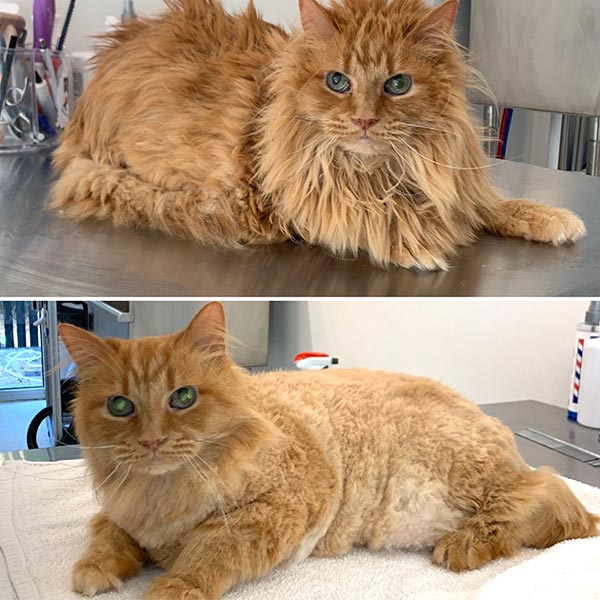
Credit: www.daysmart.com
Bathing Tips For Long-haired Cats
Bathing a long-haired cat can be a challenge. Their thick fur traps dirt and oils easily. Regular baths keep their coat clean and healthy. Bathing also helps reduce mats and tangles. This guide offers simple tips for a stress-free bath time with your cat.
Choosing Cat-friendly Shampoo
Pick a shampoo made specifically for cats. These shampoos are gentle on their skin and eyes. Avoid human or dog shampoos as they can harm your cat. Look for formulas that moisturize and protect the fur. Unscented or lightly scented shampoos work best for sensitive cats.
Step-by-step Bathing Guide
Start by brushing your cat to remove loose fur and knots. Use warm water, not hot or cold. Wet your cat slowly, avoiding the head area. Apply shampoo evenly, working through the fur gently. Rinse thoroughly to remove all soap. Keep the bath calm and quiet to reduce stress.
Drying And Post-bath Care
Wrap your cat in a soft towel and pat dry carefully. Avoid rubbing, as it can tangle the fur. Use a low heat hairdryer only if your cat allows it. Brush the coat again to prevent mats. Praise your cat with gentle words or treats after the bath.
Diet And Health For Coat Maintenance
Maintaining a long-haired cat’s coat starts with proper diet and health care. Good nutrition helps keep fur shiny and soft. Healthy skin supports easier grooming and less hair breakage. Balanced meals provide essential nutrients for fur growth and strength.
Nutritional Needs For Healthy Fur
Proteins are important for fur health. Cats need high-quality animal protein daily. Fatty acids like omega-3 and omega-6 improve skin and coat condition. Vitamins A and E protect skin cells and fur. Feeding a well-balanced diet supports strong, glossy fur.
Supplements That Support Grooming
Sometimes diet alone is not enough. Supplements can help fill nutrition gaps. Fish oil capsules boost omega fatty acids. Biotin supports skin health and hair growth. Always consult your vet before adding supplements. Proper doses ensure safe and effective results.
Regular Vet Checkups
Regular vet visits detect health issues early. Skin infections or allergies affect fur quality. Vets check for parasites like fleas or mites. Treatment improves comfort and coat appearance. Routine exams keep your cat healthy and groomed well.
Dealing With Common Grooming Challenges
Grooming a long-haired cat can be tricky. Many cats do not like the process. Some get scared or act aggressive. Others shed a lot during certain times of the year. Knowing how to handle these challenges helps keep your cat calm and clean.
Understanding your cat’s behavior and needs makes grooming easier. Patience and care are key. Here are ways to deal with common grooming problems.
Handling Fearful Or Aggressive Cats
Some cats feel scared when you try to groom them. They may hiss, scratch, or run away. Start by creating a quiet space. Use soft voices and gentle touches. Let your cat sniff the brush before you begin. Break grooming into short sessions. Praise your cat with treats to build trust.
Managing Shedding Seasons
Long-haired cats shed more in spring and fall. This can leave hair all over your home. Brush your cat daily during these times. Use a comb designed for long fur. This removes loose hair before it falls. Regular brushing helps prevent mats and tangles. Keep your cat’s diet rich in omega-3 to improve coat health.
When To Seek Professional Grooming
Some grooming tasks need expert care. If mats become very tight, avoid cutting them yourself. Professionals can safely remove mats without hurting your cat. Seek help if your cat’s nails grow too long. A groomer can also trim hair around sensitive areas. Regular visits to a groomer keep your cat healthy and comfortable.
Frequently Asked Questions
How Often Should I Groom My Long-haired Cat?
Groom your long-haired cat daily to prevent mats and tangles. Regular brushing reduces hairballs and keeps their coat healthy. It also helps distribute natural oils for a shiny appearance and minimizes shedding around your home.
What Tools Are Best For Grooming Long-haired Cats?
Use a slicker brush, wide-tooth comb, and grooming scissors. A slicker brush removes loose fur and tangles effectively. Combs help with delicate areas, and scissors trim mats safely. Choose tools designed specifically for cats for best results.
How Can I Prevent Mats In My Cat’s Fur?
Brush your cat daily and check for knots. Pay special attention to areas behind ears, under legs, and around the neck. Regular grooming stops mats from forming and keeps your cat comfortable and happy.
Is Bathing Necessary For Long-haired Cats?
Bathing is rarely needed unless your cat is dirty or has skin issues. Use cat-specific shampoos and warm water. Frequent baths can dry out their skin. Regular brushing usually keeps their coat clean and healthy.
Conclusion
Helping a long-haired cat stay clean takes time and care. Regular brushing stops mats and keeps fur soft. Use gentle tools and watch your cat’s mood. Keep grooming short to avoid stress. Healthy fur means a happy cat. Small daily efforts bring great results.
Enjoy these quiet moments with your pet. Your cat will thank you with purrs and love. Simple care makes a big difference in their life.