
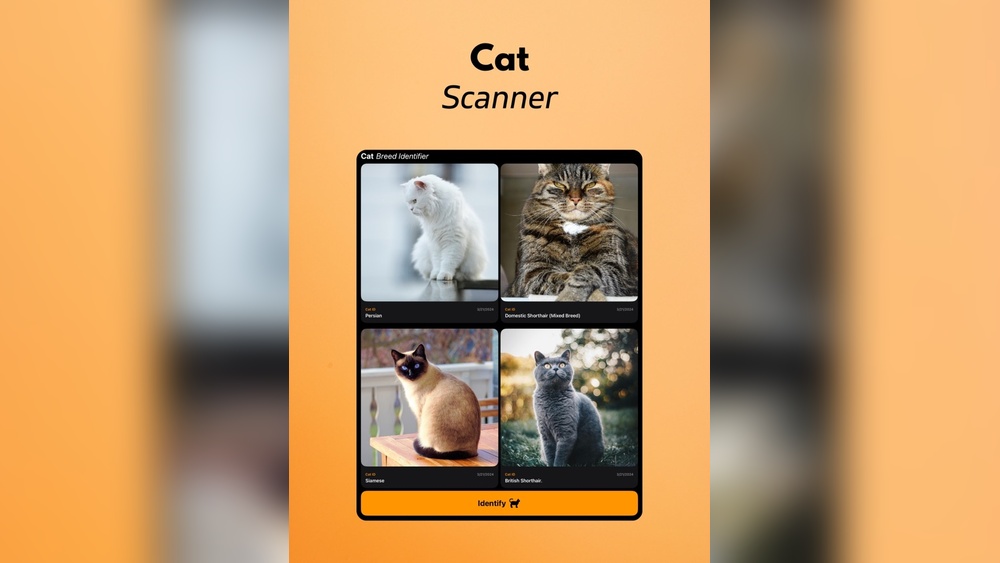
Have you ever wondered what breed your cat belongs to just by looking at it? Identifying cat breeds can be tricky, but it doesn’t have to be.
With the right pictures and simple tips, you can quickly learn to recognize the unique features of different cats. Whether you’re curious about your furry friend or just love cats, this guide will help you spot the differences easily. Keep reading, and soon you’ll be able to tell a Siamese from a Maine Coon in no time!
Popular Cat Breeds
Popular cat breeds have unique looks and personalities. Recognizing these cats helps you understand their needs and traits better. Their distinct features make it easier to spot them in pictures or real life. Below are some famous breeds that many cat lovers adore.
Persian Cats
Persian cats have long, thick fur and flat faces. Their large eyes often shine with curiosity. These cats move slowly and enjoy quiet places. They need regular grooming to keep their coats clean. Persians are calm and love gentle petting.
Siamese Cats
Siamese cats have short fur and striking blue eyes. Their slender bodies and large ears stand out. They are very vocal and enjoy talking to their owners. Siamese cats are active and playful. They form strong bonds with people.
Maine Coon Cats
Maine Coon cats are large with bushy tails. Their fur is thick and water-resistant. These cats have tufted ears and big paws. They are friendly and enjoy being around families. Maine Coons adapt well to different homes.
Bengal Cats
Bengal cats look like small leopards. Their coats have spots or rosettes in golden colors. Bengals are energetic and love to climb. They are smart and curious about their surroundings. These cats need lots of playtime.
Ragdoll Cats
Ragdoll cats have soft, semi-long fur and blue eyes. They relax completely when picked up. Ragdolls are gentle and enjoy being held. They are quiet and get along well with children. These cats seek attention and love affection.
Credit: apps.apple.com
Key Physical Traits
Identifying cat breeds starts with observing their key physical traits. These traits help distinguish one breed from another. Paying attention to details like coat, eyes, ears, and body shape gives clear clues.
Many cats share common features, but subtle differences reveal their breed. Understanding these traits improves your ability to recognize cat breeds quickly. Let’s explore the main physical features to check.
Coat Patterns And Colors
Coat patterns and colors vary widely among cat breeds. Some have stripes, spots, or solid colors. For example, the Bengal has spotted or marbled fur. The Siamese shows a color point pattern with darker ears, face, paws, and tail.
Coat length also matters. Persian cats have long, thick fur. The American Shorthair has short, dense hair. Color can range from black, white, gray, brown, to orange. These patterns and colors give strong breed hints.
Eye Shapes And Colors
Eye shape and color differ by breed. Some cats have round eyes, others almond-shaped. The Burmese has large, expressive round eyes. The Russian Blue shows vivid green eyes that stand out.
Eye color ranges from blue, green, gold, to copper. The Siamese is famous for striking blue eyes. Eye traits add personality and help spot breed types.
Ear Shapes And Sizes
Ear shapes and sizes vary in cats. Some breeds have large, pointed ears like the Oriental Shorthair. Others have small, rounded ears like the Scottish Fold, which folds its ears forward.
Ear positioning also helps. Maine Coons have ears with tufts of fur at the tips. Ear features are easy to notice and useful for breed ID.
Body Size And Build
Body size and build differ from breed to breed. Some cats are small and slim, like the Siamese. Others are large and muscular, like the Maine Coon.
Weight can range from 5 to 20 pounds or more. Some breeds have a compact body, while others look long and lean. Observing the cat’s shape helps narrow down the breed.
Facial Features To Note
Facial features help identify cat breeds clearly. Each breed has unique traits on the face. Observing these details can make breed identification easier. Focus on three key parts: nose shape, whisker pads, and facial structure.
Nose Shape
The nose shape varies widely among breeds. Some cats have flat noses, while others have pointed ones. Persian cats often have a flat, pushed-in nose. Siamese cats show a long, narrow nose. Notice the nose tip and bridge length. These small details help distinguish breeds quickly.
Whisker Pads
Whisker pads are the area where whiskers grow. Some cats have round, full pads. Others have slim, narrow pads. For example, British Shorthairs have large, rounded whisker pads. These pads affect the face’s overall look. Check if the pads are prominent or subtle.
Facial Structure
Facial structure means the shape and size of the face. Some cats have round faces with wide cheeks. Scottish Folds show this round face shape. Other breeds like the Abyssinian have a slim, angular face. Look at the jawline and cheekbones. This helps spot the breed at a glance.
Credit: www.mainecooncentral.com
Behavioral Clues
Behavioral clues help identify cat breeds beyond their looks. Each breed has unique habits and traits. Observing a cat’s behavior can guide you to its breed. These clues show how active, vocal, and social a cat is. Watch closely and learn what your cat’s actions mean.
Activity Levels
Some cat breeds are very active and playful. Breeds like the Abyssinian love to climb and explore. Others, like the Persian, prefer calm and quiet. Notice if your cat runs around or rests most of the time. Activity level helps narrow down the breed options.
Vocalization
Cats differ in how much they meow or purr. Siamese cats are known for being very talkative. They often “chat” with their owners loudly. On the other hand, breeds like the British Shorthair are quiet. Listen to your cat’s sounds to find clues about its breed.
Social Tendencies
Some cats enjoy company and want attention. Ragdolls and Maine Coons often like to be near people. Other breeds, such as the Russian Blue, may be more independent. Notice if your cat seeks affection or prefers alone time. This trait helps identify breed personality.
Using Photos For Identification
Using photos is a great way to identify cat breeds. Photos show real details about cats. They help you see colors, shapes, and patterns clearly. This makes it easier to tell one breed from another. Good photos are key to quick and accurate identification.
Choosing Clear Images
Pick photos that are sharp and bright. Blurry images hide important details. Clear pictures show the cat’s eyes, ears, and fur well. Make sure the cat is well-lit. Avoid dark or shadowy photos. These can confuse the breed identification.
Comparing Multiple Angles
Look for photos from different sides. Front, side, and back views help a lot. Different angles reveal the cat’s body shape and tail style. Some breeds have unique ear shapes or fur length. Multiple views give a full picture of these features.
Spotting Unique Markings
Focus on the cat’s markings and colors. Spots, stripes, or patches can show the breed. Some breeds have special fur patterns. Check the face, legs, and tail for these marks. Unique markings make identification easier and more accurate.
Common Misidentifications
Many people find it hard to identify cat breeds just by looking. Mistakes happen often. Cats can share traits that confuse even experienced owners. Knowing common misidentifications helps you avoid errors. It also improves your ability to recognize real breed features. This section covers two main causes of mix-ups.
Mixed Breeds Vs Purebreds
Mixed breed cats have genes from many types of cats. Their looks can be very different. Sometimes, they look like purebreds. This makes identifying them tricky. Purebred cats have a clear breed history and set features. Mixed breeds may have some traits from purebreds but not all.
Many mixed cats are healthy and beautiful. They just don’t match one breed’s standards. People often think a mixed breed is a purebred because of similar fur color or shape. Checking the cat’s background helps. Purebred cats often come with papers or breeder info.
Similar Looking Breeds
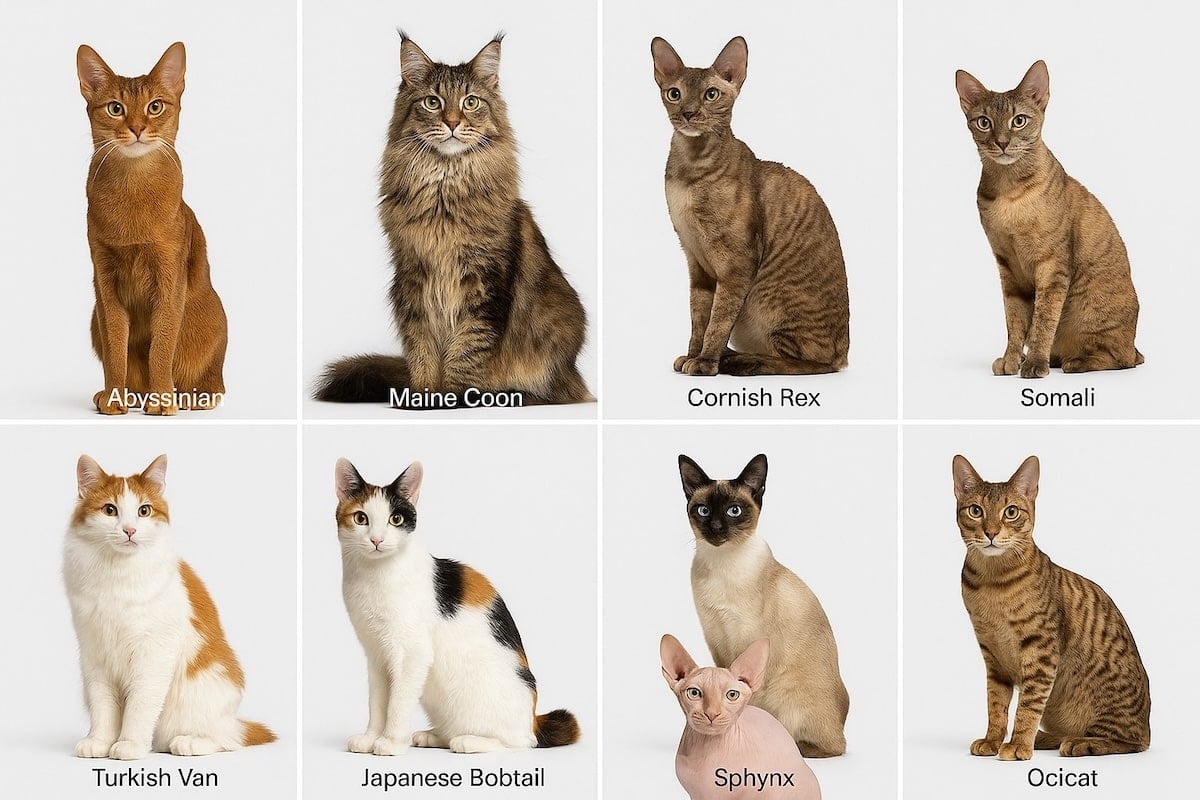
Some cat breeds look almost the same. Small differences in fur pattern, ear shape, or size set them apart. For example, the Abyssinian and Somali look alike. The Somali has longer fur. The British Shorthair and Scottish Fold also confuse many. One has folded ears, the other straight.
Photos help but are not always enough. Studying breed traits closely matters. Focus on eye color, tail length, and body shape. These details guide you to the right breed. Learning about these subtle differences improves breed ID skills fast.
Resources For Cat Identification
Finding the right tools helps identify cat breeds clearly. Resources for cat identification guide you step by step. They show pictures, facts, and breed details. These tools make learning about cats simple and fun.
Breed Databases
Breed databases list many cat breeds with photos and descriptions. They include traits like size, fur type, and color. Users can compare breeds side by side. These databases often update with new breed info. Perfect for quick and trusted breed checks.
Online Communities
Online communities bring cat lovers together worldwide. Members share pictures and ask about breeds. Experts and fans help identify cats fast. These groups offer real advice and personal stories. A helpful place to learn from others.
Mobile Apps
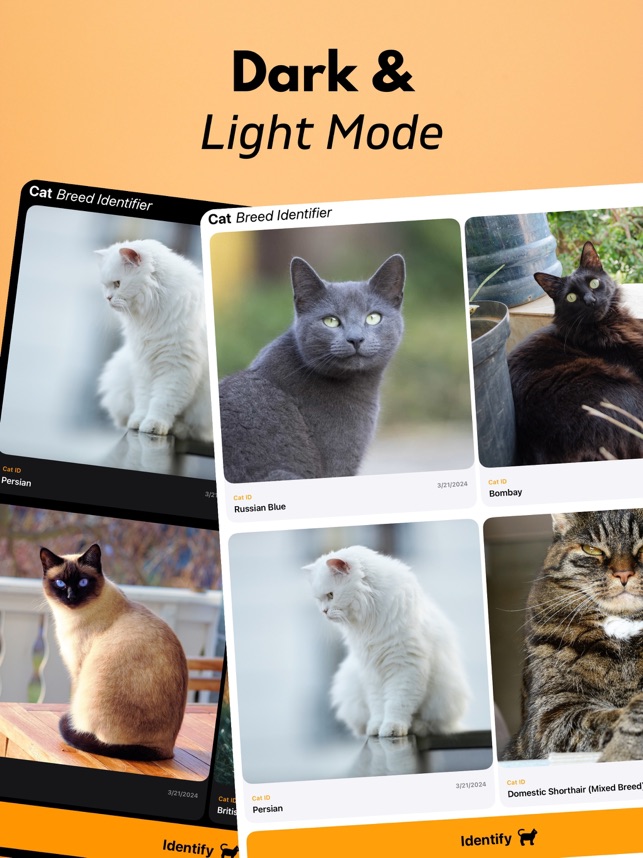
Mobile apps let you identify cat breeds on your phone. Upload a cat photo, and the app suggests possible breeds. Many apps provide detailed breed facts too. Apps work anywhere, anytime for easy access. A handy tool for cat fans on the go.

Credit: x.com
Frequently Asked Questions
How Can I Identify Cat Breeds By Their Pictures?
To identify cat breeds by pictures, focus on key features like fur pattern, color, eye shape, and ear size. Compare these traits with breed profiles from reliable sources or breed identification guides for accuracy.
What Are Common Physical Traits For Cat Breed Identification?
Common traits include coat length, color, pattern, body size, ear shape, and eye color. These features help distinguish one breed from another when analyzing cat photos.
Can I Identify Mixed Breed Cats From Pictures?
Identifying mixed breed cats from pictures is challenging due to varied traits. Look for dominant features from known breeds, but genetic testing offers more accurate identification.
Which Cat Breeds Have Distinctive Coat Patterns?
Breeds like Siamese, Bengal, and Maine Coon have unique coat patterns. Recognizing these patterns aids quick breed identification from photographs.
Conclusion
Knowing how to identify cat breeds helps you appreciate each cat’s uniqueness. Pictures make spotting traits easier and more fun. Pay attention to size, color, and fur patterns. Remember, many cats share similar features. Practice by comparing photos and observing cats around you.
This skill grows with time and interest. Enjoy learning about cats and their different breeds. Each cat tells a special story through its looks. Keep exploring and discovering more about your furry friends.