
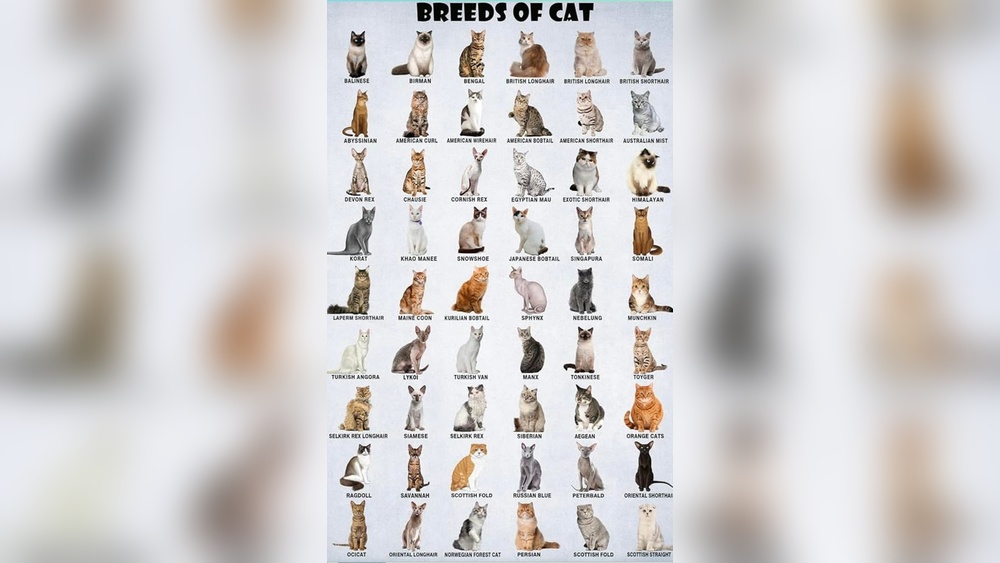
Have you ever met a cat and wondered, “What breed is this?” Knowing how to identify different cat breeds can help you understand your furry friend better. Whether you’re thinking about adopting, already have a cat, or just love learning about animals, this guide is made for you.
By the end, you’ll be able to spot the unique traits that make each breed special. Ready to become a cat breed expert? Let’s dive in!
Common Cat Breed Groups
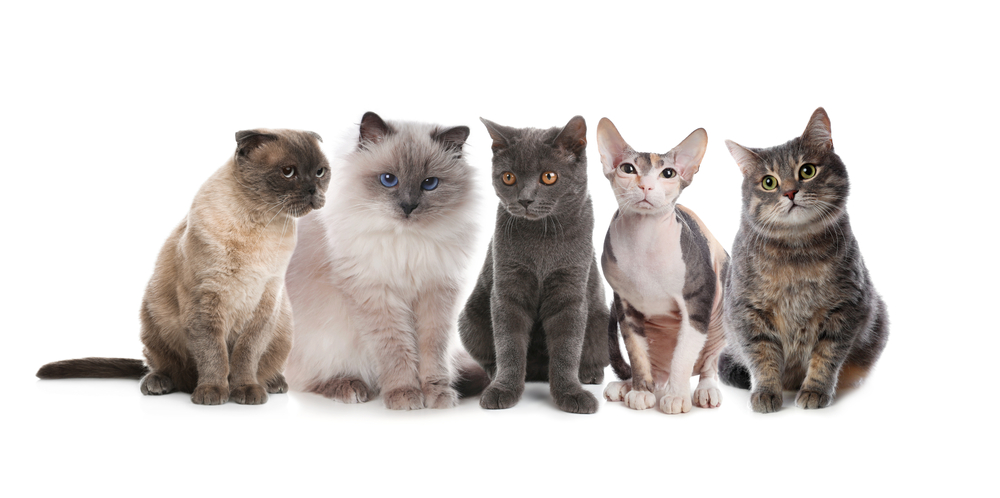
Cats come in many shapes and sizes. Their breeds group by hair type. This helps identify and understand them better. Knowing these groups makes spotting differences easier. It also shows the variety in the cat world.
Cat breeds mostly fall into three main groups. These are short-haired cats, long-haired cats, and hairless varieties. Each group has unique traits. These traits help tell one breed from another.
Short-haired Cats
Short-haired cats have sleek, smooth fur. Their coat is easy to care for. Popular short-haired breeds include the American Shorthair and the British Shorthair. These cats often have round faces and muscular bodies. Their short fur comes in many colors and patterns.
Long-haired Cats
Long-haired cats have thick, fluffy fur. Their coat needs regular grooming to avoid mats. Breeds like the Persian and Maine Coon belong here. These cats often look majestic with their flowing fur. They have a soft, plush feel that stands out.
Hairless Varieties
Hairless cats have little or no fur. The Sphynx is the most famous hairless breed. These cats feel warm and soft to touch. Their skin can show patterns and wrinkles. They need special care to protect their skin from sun and cold.
Credit: www.ovrs.com
Distinctive Physical Features
Distinctive physical features help identify cat breeds easily. Each breed has unique traits that stand out. These traits include coat colors, eye shapes, and body types. Knowing these features makes it simple to tell breeds apart.
Coat Patterns And Colors
Coat patterns vary widely among cat breeds. Some have spots, stripes, or patches. Colors range from solid black to multicolor. The Bengal has spotted fur. Siamese cats show a color point pattern. Coat length also differs, from short to long.
Eye Shape And Color
Eye shapes can be round, almond, or oval. Eye color adds more uniqueness to each breed. Blue eyes are common in Siamese cats. Green eyes appear in Russian Blues. Some cats have odd-colored eyes, called heterochromia.
Body Size And Shape
Body size varies from small to large. Some breeds are slender, like the Oriental Shorthair. Others are muscular and stocky, like the British Shorthair. Tail length and ear shape also help in identification.
Behavioral Traits To Watch
Behavioral traits reveal much about a cat’s breed. These traits help you understand their nature and needs. Observing behavior can guide you in identifying different cat breeds. Focus on activity levels, social tendencies, and vocalization styles. These three areas show clear breed differences.
Activity Levels
Some cat breeds are very energetic and playful. They love to run, jump, and explore all day. Other breeds prefer calm and quiet time. They may enjoy lounging and sleeping more. Watch how much your cat moves and plays. This can hint at its breed type.
Social Tendencies
Cats differ in how they interact with people and pets. Some breeds are very friendly and seek attention. They enjoy being with family and other animals. Other breeds are shy and prefer solitude. Notice if your cat likes company or prefers alone time.
Vocalization Styles
Cat breeds vary in how much they vocalize. Some breeds are talkative and meow often. They use sounds to communicate feelings and needs. Other breeds are quiet and rarely meow. Listening to your cat’s voice can help identify its breed.
Credit: www.reddit.com
Tools For Breed Identification
Identifying a cat’s breed can feel tricky without the right tools. Several resources help spot breed features clearly. These tools simplify the process, saving time and guesswork. Use them to learn more about your cat or any cat you meet.
Using Breed Guides
Breed guides list detailed descriptions and images of cat breeds. They show coat patterns, body shapes, and eye colors. Printed books and PDFs offer reliable information. Keep one handy to compare your cat’s look to official breed traits. Guides often include history and behavior tips too.
Mobile Apps And Online Resources
Apps designed for cat identification use photos to suggest possible breeds. Upload a clear picture of the cat’s face or body. The app scans features and matches them to known breeds. Websites also offer breed quizzes and image databases. These tools are quick and accessible anytime.
Consulting With Veterinarians
Veterinarians have experience with many cat breeds. They can recognize breed features from physical exams. Ask your vet about your cat’s possible breed during visits. They may also suggest DNA tests for precise identification. Vets provide trusted advice based on knowledge and practice.
Common Breed Misidentifications
Identifying cat breeds is not always easy. Many breeds look very similar. People often confuse one breed for another. This leads to common misidentifications. Knowing these common mix-ups helps in recognizing the true breed. It also helps avoid mistakes when choosing a cat.
Similar Looking Breeds
Some cat breeds share many features. For example, the American Shorthair and British Shorthair both have round faces and dense fur. Their colors and patterns can be very alike. Another example is the Siamese and Oriental Shorthair cats. Both have slender bodies and large ears. But Siamese cats have blue eyes and unique coat points. Oriental Shorthairs come in many colors and patterns. These similarities cause confusion.
Recognizing subtle differences helps. Look closely at eye color, fur texture, and body shape. These small details tell breeds apart.
Mixed Breed Challenges
Many cats are mixed breeds. They carry traits from several breeds. This mix can hide clear breed features. A mixed cat might look like a purebred but is not. Mixed breeds often have unique appearances. This variety makes identification tricky.
Without papers or DNA tests, guessing the breed is hard. Mixed breeds show how diverse cats can be. Knowing this helps set the right expectations. Some mixed cats are just as special as purebreds.
Tips For Cat Owners
Knowing your cat’s breed can help you understand its behavior and health needs. Cat owners can use simple tips to identify different breeds. These tips make it easier to care for your pet and enjoy your time together.
Documenting Your Cat’s Traits
Start by writing down your cat’s physical features. Note fur color, pattern, and length. Observe eye shape and color. Record body size and ear shape too. Take clear photos from different angles. This helps compare with breed descriptions later.
Track personality traits like activity level and friendliness. Some breeds are more playful or shy. Writing these down gives clues about your cat’s breed.
Joining Breed Communities
Find online groups or local clubs for cat breeds. Join discussions and ask questions about your cat’s traits. Members often share photos and breed information. This helps you learn more and get advice.
Breed communities offer support and tips on care. They also share news about breed events and health concerns. Being part of these groups connects you with other cat owners.
Regular Health Checkups
Take your cat to the vet regularly. Vets can spot breed-specific health issues early. They also confirm your cat’s breed through physical exams.
Health checks keep your cat happy and well. They help you understand if your cat needs special care. Regular visits build a good health history for your pet.

Credit: www.youtube.com
Frequently Asked Questions
What Are The Key Traits To Identify Cat Breeds?
Key traits include fur length, color patterns, body size, and eye shape. Each breed has distinct features. Observing these helps in accurate identification and understanding breed characteristics.
How Can I Tell A Siamese Cat Apart?
Siamese cats have a slender body, blue almond-shaped eyes, and short coat. Their point coloration on ears, face, paws, and tail is unique and easily recognizable.
Are Coat Patterns Reliable For Breed Identification?
Yes, coat patterns like tabby stripes or color points are strong breed indicators. They help differentiate breeds and are often breed-specific.
Can Behavior Help Identify Cat Breeds?
Behavior can hint at breed but is less reliable than physical traits. Some breeds have typical temperaments, but individual cats vary widely.
Conclusion
Identifying cat breeds can be simple with careful observation. Focus on their size, fur type, and colors. Notice their eye shape and ear style too. Each breed has unique traits to spot. Practice makes it easier over time. Enjoy learning about cats and their differences.
This knowledge helps you appreciate every feline friend more. Keep exploring and have fun with your discoveries.