
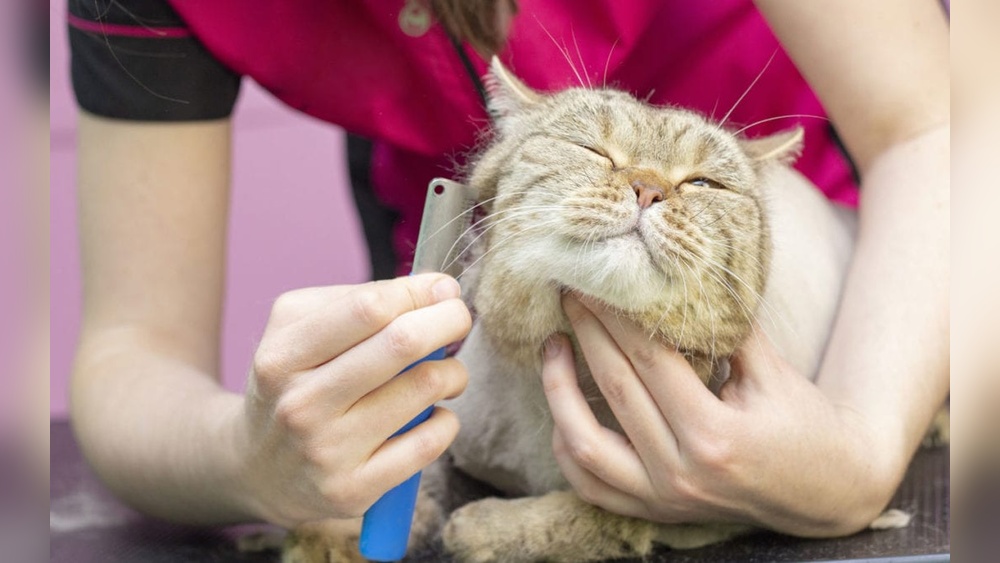
Grooming your cat might seem tricky at first, but with the right approach, it can become a simple and even enjoyable part of your routine. You want your furry friend to look and feel their best, and learning how to groom cats properly is the key to making that happen.
Imagine the satisfaction of a shiny coat, fewer hairballs, and a happier, healthier pet. You’ll discover easy steps and expert tips that will help you master cat grooming quickly. Ready to make grooming stress-free for both you and your cat?
Keep reading to find out how.
Benefits Of Cat Grooming
Grooming your cat offers many benefits beyond keeping them clean. It helps maintain their health and comfort. Regular grooming can improve your cat’s life in several ways. Understanding these benefits encourages consistent care and attention.
Health Improvements
Brushing removes dirt, debris, and loose hair from your cat’s coat. It helps prevent skin problems like mats and tangles. Grooming also allows you to check for lumps, bumps, or parasites. Early detection of health issues is easier. Regular grooming supports a healthy coat and skin.
Bonding With Your Cat
Grooming time is a chance to build trust. Cats enjoy gentle strokes and attention. This quiet time strengthens your relationship. It helps your cat feel safe and loved. Grooming creates a calm and positive experience for both of you.
Reducing Shedding And Hairballs
Brushing removes loose fur before it falls around your home. It reduces the amount of hair your cat swallows. Less hair intake means fewer hairballs. This keeps your cat more comfortable and your home cleaner. Regular grooming controls shedding effectively.
Credit: www.animalbehaviorcollege.com
Essential Grooming Tools
Grooming cats is easier with the right tools. These tools keep your cat healthy and comfortable. Choosing the best grooming tools helps in daily care and reduces stress. Each tool has a specific job in cat grooming.
Types Of Brushes And Combs
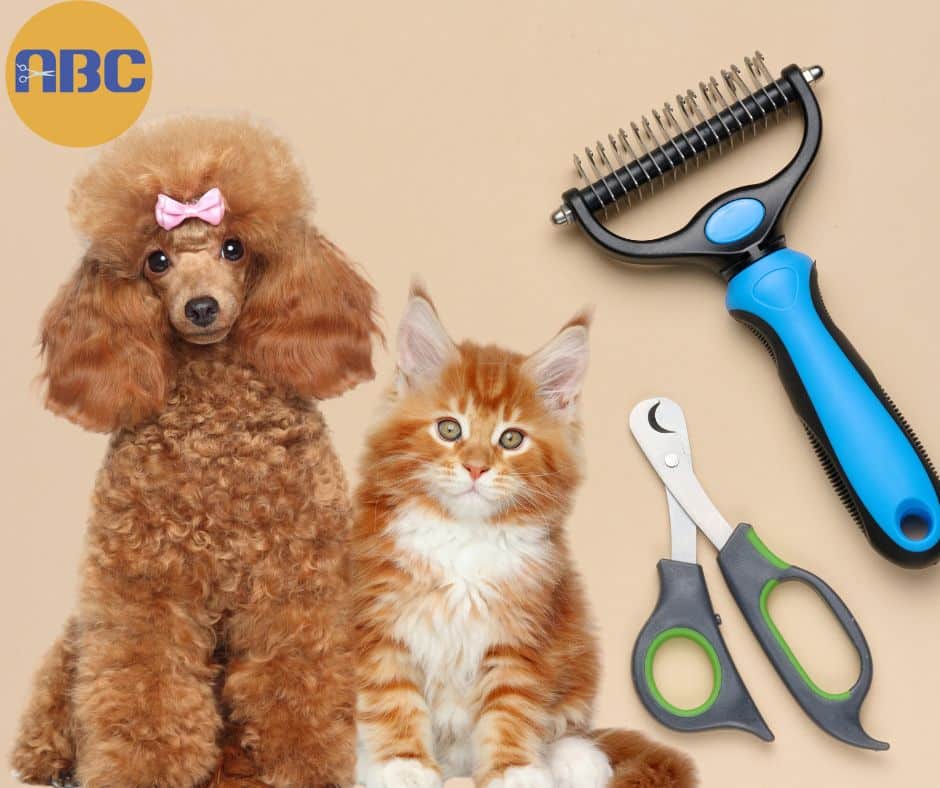
Brushes and combs remove loose fur and dirt. A slicker brush works well for long-haired cats. It helps untangle mats and knots gently. A bristle brush suits short-haired cats to remove dirt. Use a metal comb to find and remove fleas. Regular brushing reduces shedding and hairballs.
Nail Clippers And Trimmers
Clipping nails prevents scratches and injuries. Use clippers made for cats to avoid splitting nails. Trim nails every two to three weeks. Hold the paw gently but firmly while clipping. Avoid cutting the quick, the pink part inside nails. Nail trimmers with a safety guard are a good choice for beginners.
Shampoos And Wipes
Shampoos keep your cat’s coat clean and fresh. Choose shampoos made for cats to avoid skin irritation. Use a small amount and rinse well. Wipes are handy for quick cleanups and sensitive areas. They help remove dirt without a full bath. Both shampoos and wipes maintain good hygiene between baths.
Preparing Your Cat For Grooming
Preparing your cat for grooming is important for a smooth experience. Cats can feel nervous or scared during grooming. Preparing them helps reduce stress and makes grooming easier. It also builds trust between you and your cat.
Creating A Calm Environment
Choose a quiet room with few distractions. Soft lighting helps keep your cat relaxed. Avoid loud noises or sudden movements. Use a comfortable surface like a soft towel or mat. This makes your cat feel safe and secure.
Getting Your Cat Comfortable
Let your cat explore the grooming tools before starting. Gently touch your cat’s fur with your hands first. Speak softly and use calm tones. Give treats or gentle petting to reward calm behavior. Be patient and stop if your cat feels stressed.
Timing And Frequency
Pick a time when your cat is calm or sleepy. Avoid grooming after meals or playtime. Short grooming sessions work best at first. Start with a few minutes, then slowly increase time. Regular grooming keeps your cat healthy and happy.
:strip_icc()/grooming-cat-120689839-57d967d33df78c583396e386.jpg)
Credit: www.thesprucepets.com
Step-by-step Grooming Process
Grooming cats keeps them healthy and happy. It also helps build trust between you and your pet. A careful, step-by-step grooming routine makes the process smooth and stress-free. Follow these simple steps for better results and a calm cat.
Brushing Techniques
Choose a brush suited to your cat’s fur type. Short-haired cats need a soft bristle brush. Long-haired cats need a wide-tooth comb or slicker brush. Brush gently in the direction of hair growth. Use slow, light strokes to avoid hurting your cat. Brush small sections at a time. Stop if your cat shows discomfort.
Bathing Tips
Use a mild cat shampoo only. Fill the sink or tub with warm water. Wet your cat slowly, starting from the neck. Apply shampoo and lather gently. Avoid the eyes and ears. Rinse thoroughly to remove all soap. Dry your cat with a soft towel. Keep the room warm to prevent chills.
Nail Care
Use special cat nail clippers. Hold your cat’s paw firmly but gently. Press the pad to extend the nails. Cut only the sharp tip, avoiding the pink quick. Trim one or two nails at a time. Reward your cat with treats after each session. Regular trims prevent scratches and nail damage.
Cleaning Ears And Eyes
Check ears for dirt or wax buildup. Use a damp cotton ball or soft cloth. Wipe the outer ear gently. Avoid pushing anything deep inside the ear canal. For eyes, use a clean, damp cloth. Wipe away any discharge carefully. Stop if you see redness or swelling and consult a vet.
Handling Common Grooming Challenges
Grooming cats can be tricky. Some cats do not like being touched or brushed. Challenges like aggression, mats, and stress can stop grooming sessions quickly. Knowing how to handle these problems helps keep cats clean and happy.
Dealing With Aggressive Cats
Some cats show aggression during grooming. They may hiss, bite, or scratch. Stay calm and patient. Use a soft voice to soothe your cat. Try short grooming sessions to avoid overwhelming them. Give treats to build trust. Use gentle strokes and avoid sensitive areas first. If needed, use a towel to wrap your cat gently. This protects both of you and keeps the cat still.
Managing Mats And Tangles
Mats and tangles hurt cats and make grooming hard. Use a wide-tooth comb to loosen knots slowly. Hold the fur close to the skin to reduce pulling. Work on small sections one at a time. For tough mats, use special detangling spray. Never cut mats with scissors. This can hurt your cat. If mats are severe, ask a vet or groomer for help.
Avoiding Stress And Anxiety
Stress makes grooming harder. Create a calm space with few noises and distractions. Use a quiet voice and slow movements. Let your cat sniff and explore grooming tools first. Give breaks during grooming to keep your cat relaxed. Praise and reward your cat often. Building a positive routine helps your cat stay calm over time.
When To Seek Professional Help
Grooming cats can be tricky for many pet owners. Some cats resist brushing or nail trimming. Knowing when to seek professional help ensures your cat stays healthy and happy. Professionals can handle difficult grooming tasks safely and effectively.
Signs Your Cat Needs Expert Grooming
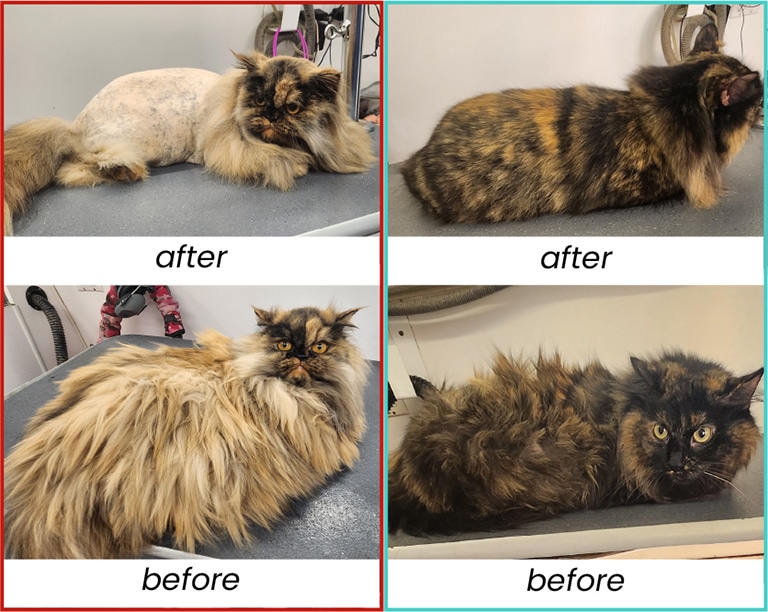
Look for mats or tangles that you cannot remove. Persistent bad odor or skin problems may need expert care. Excessive shedding or hairballs could signal grooming issues. If your cat hides or shows stress during grooming, a professional can help. Long-haired cats often need regular grooming beyond home care.
Choosing A Groomer
Pick a groomer with experience in cat care. Check reviews and ask for recommendations from friends. Visit the salon to ensure it is clean and calm. Confirm the groomer uses gentle tools and techniques. A good groomer understands cat behavior and handles your pet with care.
Medical Grooming Considerations
Cats with skin infections or allergies may need special treatment. Older cats or those with health problems require gentle grooming. Some cats need sedation for safe grooming. Talk to your vet about your cat’s health before professional grooming. Medical grooming ensures safety and comfort for your pet.
Maintaining Grooming Habits
Maintaining grooming habits is important for your cat’s health and happiness. Regular grooming keeps their coat clean and prevents mats and tangles. It also helps you notice any skin problems early. Building good grooming habits creates a calm and positive experience for both you and your cat.
Establishing A Routine
Set a regular time for grooming sessions. Short, daily sessions work better than long, rare ones. Choose a quiet place where your cat feels safe. Use gentle strokes and speak softly to keep your cat calm. Consistency helps your cat expect grooming and stay relaxed.
Tracking Your Cat’s Coat Health
Look for changes in your cat’s fur and skin. Notice dullness, bald spots, or excessive shedding. Check for bumps, redness, or parasites like fleas. Keep a simple grooming journal to note any changes. Early detection can prevent bigger health problems.
Adapting Grooming As Your Cat Ages
Older cats may need gentler grooming and more time. Their skin can become sensitive and dry. Use soft brushes and avoid pulling on tangles. Help with brushing if they move less or have arthritis. Adjust grooming tools and techniques to fit their needs.
Credit: smoochie-pooch.com
Frequently Asked Questions
How Often Should I Groom My Cat?
Groom your cat weekly to prevent matting and reduce shedding. Long-haired cats may need daily grooming. Regular sessions keep their coat healthy and skin clean.
What Tools Do I Need To Groom Cats?
Essential tools include a slicker brush, comb, nail clippers, and cat-safe shampoo. Use a soft brush for sensitive areas. Proper tools make grooming easier and safer.
How Can I Make Grooming Stress-free For Cats?
Start grooming slowly and gently. Use treats and praise to create a positive experience. Keep sessions short and calm to reduce stress.
When Should I Trim My Cat’s Nails?
Trim nails every 2 to 3 weeks to avoid overgrowth. Watch for claws curling into pads. Regular trimming prevents injury and furniture damage.
Conclusion
Grooming cats helps keep them healthy and happy. Start slow and be patient with your pet. Use the right tools and gentle strokes. Make grooming a regular part of your routine. Watch your cat’s reactions and adjust your approach. Clean fur means less hair around your home.
Taking time to groom builds trust and friendship. Small steps lead to better grooming skills. Keep learning and enjoy the bonding moments together. Grooming your cat is a simple way to show love.