
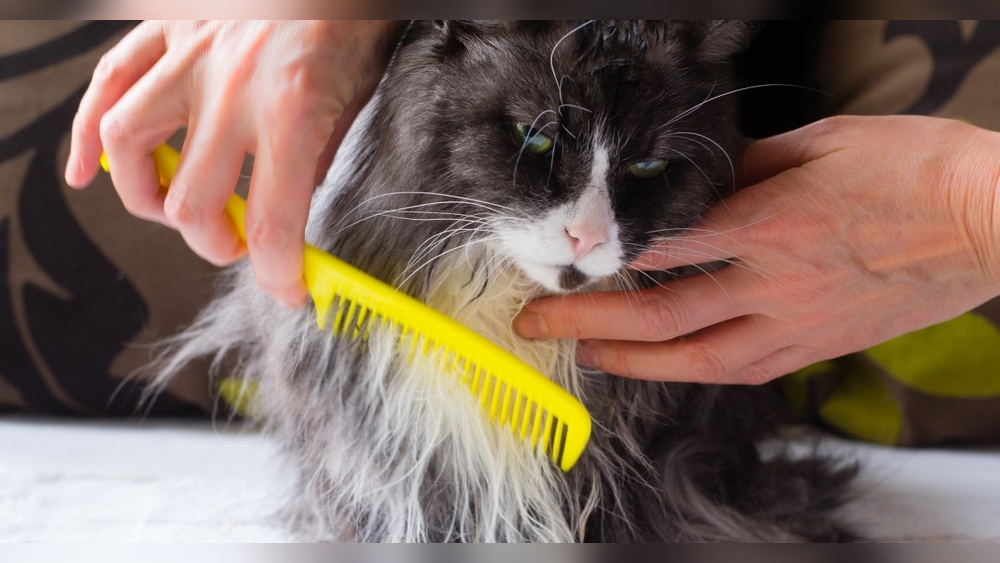
If you have a long-haired cat, you know how beautiful their fur can be—but also how much work it takes to keep it looking its best. Without the right grooming, your cat’s coat can become tangled, matted, and uncomfortable for them.
You might be wondering how to make grooming easier and more effective for both you and your furry friend. This guide will show you simple, step-by-step ways to properly groom your long-haired cat, helping you keep their coat healthy, shiny, and tangle-free.
Keep reading—you’ll discover tips that make grooming less stressful and more enjoyable for you and your cat.
Choosing The Right Tools
Choosing the right tools is key to grooming a long-haired cat properly. The right tools make grooming easier and more comfortable for your cat. They help remove mats, tangles, and loose fur gently. Picking good brushes, combs, gloves, and clippers will keep your cat’s coat healthy and shiny.
Different tools serve different purposes. Knowing which tool to use helps you groom your cat with care. It also reduces stress for your pet during grooming sessions.
Types Of Brushes And Combs
Long-haired cats need special brushes and combs. Slicker brushes work well to remove loose hair and dirt. Their fine, short wires reach deep under the fur. They help untangle mats without pulling too hard.
Wide-toothed combs are great for detangling knots. Use them gently to avoid hurting your cat. Fine-toothed combs catch small debris and loose hairs. They also check for fleas or skin problems.
Pin brushes mimic a cat’s natural grooming. They spread natural oils across the fur for shine. Choose a brush with rounded tips to protect your cat’s skin.
Grooming Gloves And Clippers
Grooming gloves are soft and flexible. They remove loose hair while petting your cat. Gloves are perfect for shy or nervous cats. They make grooming feel like playtime.
Clippers help trim fur around sensitive areas. Use them for mats that are too tight to brush out. Choose quiet, sharp clippers to avoid frightening your cat.
Regular grooming with gloves and clippers keeps your cat clean. It also helps spot health issues early. These tools are important for a long-haired cat’s care.
Credit: unionlakepetservices.com
Preparing Your Cat For Grooming
Preparing your long haired cat for grooming is important. It helps make the process smooth and stress-free. Cats can be nervous about grooming, so preparation is key. Taking time to get your cat ready can build trust and calmness.
Creating A Calm Environment
Choose a quiet room with few distractions. Turn off loud noises like TVs or radios. Soft lighting helps keep your cat relaxed. Use a comfortable surface, such as a towel or mat, for grooming. Keep grooming tools nearby but out of sight. This stops your cat from feeling scared.
Getting Your Cat Comfortable
Start by petting your cat gently. Speak in a soft, soothing voice. Let your cat sniff the grooming brush or comb. Offer treats to create a positive link with grooming. Gradually touch your cat’s fur where you will groom. Watch your cat’s body language for signs of stress. Pause if your cat seems upset, and try again later.
Brushing Techniques
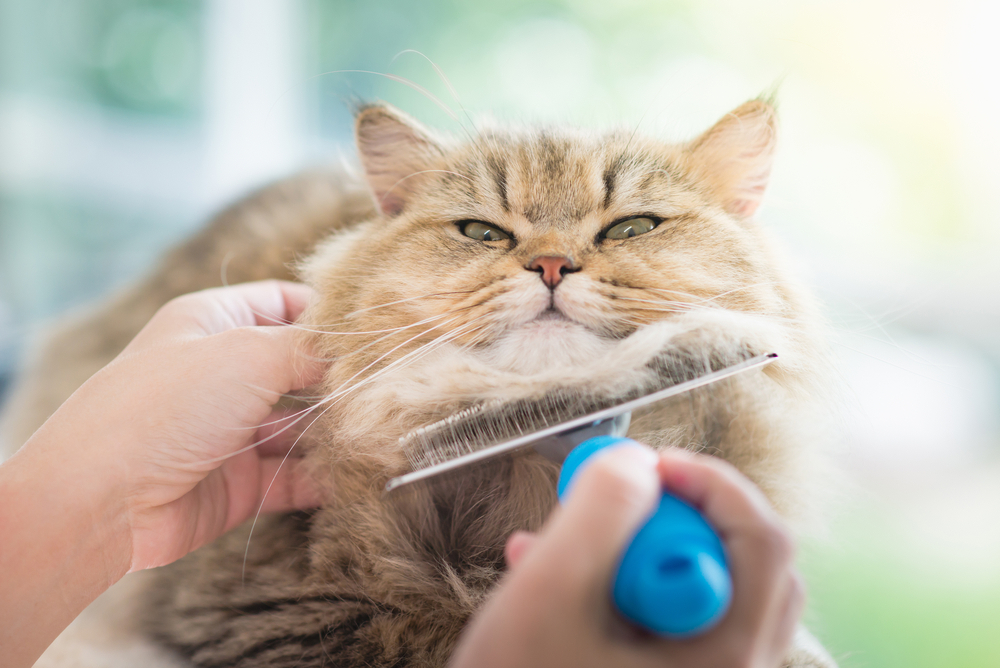
Brushing a long-haired cat is key to keeping its coat healthy and shiny. Proper brushing removes loose hair and stops tangles. It also helps your cat feel comfortable and loved. Using the right brushing techniques makes grooming easier and more effective.
Detangling Knots And Mats
Start by checking for knots and mats in your cat’s fur. Use a wide-tooth comb or your fingers to gently separate small tangles. For bigger mats, hold the fur close to the skin to avoid pulling. Slowly work through the mat from the edges. Never cut mats out by yourself; it can hurt your cat. Regular brushing helps stop mats from forming.
Brushing Frequency And Duration
Brush your long-haired cat at least three times each week. Daily brushing is best during shedding season. Spend about 10 to 15 minutes each session. Watch your cat’s mood and stop if it gets stressed. Short, gentle sessions work better than long, rough ones. Consistent brushing keeps the coat smooth and reduces hairballs.
Credit: meowtel.com
Bathing Your Long Haired Cat
Bathing a long haired cat needs care and patience. Their thick fur can trap dirt and oils. A good bath keeps their coat clean and healthy. It also helps prevent mats and tangles. Many cats dislike water, so gentle handling is key. Prepare everything before starting to make the process smooth. Use the right products to protect their skin and fur.
Choosing The Right Shampoo
Pick a shampoo made for cats only. Human shampoos can irritate their skin. Avoid strong scents that may upset your cat. Look for shampoos that moisturize and reduce tangles. A gentle formula keeps their fur soft and shiny. Check the label for natural ingredients. Never use flea shampoo without vet advice. Test a small amount first to watch for reactions.
Step-by-step Bathing Process
Brush your cat to remove loose hair and mats. Fill a sink or tub with warm water. Keep the water level low to avoid stress. Gently wet your cat’s fur with a cup or sprayer. Apply shampoo and massage carefully, avoiding eyes and ears. Rinse well to remove all shampoo residue. Use a soft towel to dry your cat. Keep them warm until fully dry. Reward your cat with treats and praise.
Trimming And Clipping
Trimming and clipping are important parts of grooming a long-haired cat. They keep your cat comfortable and clean. Regular trims stop mats and tangles from forming. Clipping nails helps protect your furniture and skin. Both tasks require care and patience to avoid stress.
Safe Nail Trimming Tips
Choose a quiet place for nail trimming. Use sharp, small clippers made for cats. Hold your cat’s paw gently but firmly. Trim only the sharp tip of each nail. Avoid cutting the pink part called the quick. It hurts and causes bleeding. Trim nails every two to three weeks. Offer treats to keep your cat calm.
Handling Fur Trims Around Sensitive Areas
Be extra careful around the eyes, ears, and belly. Use small, rounded scissors for safety. Hold the fur gently to avoid pulling skin. Trim small amounts at a time. Stop if your cat shows signs of stress. Keep the trimming area bright and clean. Regular short trims prevent mats and reduce shedding.
Managing Shedding And Hairballs
Managing shedding and hairballs is important for long-haired cats. Their thick fur can lead to more loose hair around the house. Hairballs form when cats swallow loose fur during grooming. These can cause discomfort and digestive issues.
Proper care helps reduce shedding and hairballs. It keeps your cat healthy and your home cleaner. Simple steps make a big difference in controlling fur loss.
Diet And Supplements
A healthy diet supports a cat’s skin and coat. Foods rich in omega-3 and omega-6 fatty acids improve fur quality. These fats reduce dryness and shedding. Some cat foods include these nutrients naturally.
Supplements like fish oil can boost coat health. Always check with a vet before adding supplements. Balanced nutrition leads to less loose hair and fewer hairballs.
Regular Grooming To Reduce Shedding
Brushing your cat daily removes loose fur. It stops hair from spreading around your home. Use a brush designed for long-haired cats.
Regular grooming also lowers hairballs. It reduces the amount of fur your cat swallows. Be gentle to avoid hurting your cat’s skin.
Start grooming sessions short and calm. Gradually increase time as your cat gets used to it. Grooming strengthens your bond and keeps fur under control.
Health Checks During Grooming
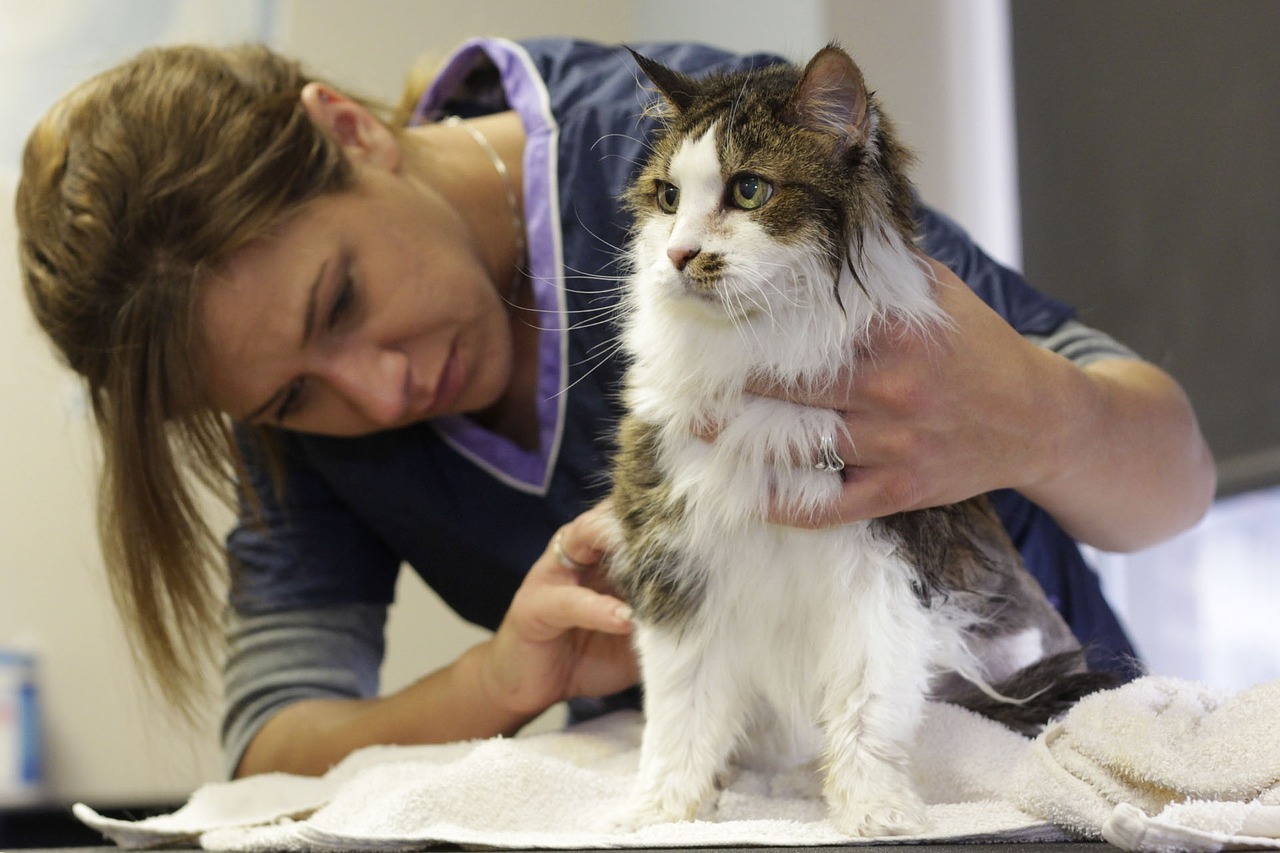
Regular health checks during grooming keep your long-haired cat healthy. Grooming is a good time to look closely at your cat’s skin and fur. Catching problems early helps prevent serious issues. Spend a few minutes checking your cat’s body each grooming session.
Spotting Skin Issues
Check your cat’s skin for redness or bumps. Look for dry, flaky patches or areas with hair loss. These signs may show irritation or infection. Pay special attention to areas under the fur, like the belly and behind ears. Gently part the fur to see the skin clearly. If you notice unusual spots, note their size and color. Report these signs to your vet for advice.
Checking For Parasites
Parasites hide well in long fur. Look for tiny black specks, which may be flea dirt. Fleas cause scratching and discomfort. Use a fine-toothed comb to part the fur and check the skin. Look closely for small moving insects. Check behind ears, neck, and near the tail. If you find parasites, clean your cat and home quickly. Talk to your vet about safe treatments.

Credit: masterclip.co.uk
Making Grooming A Routine
Making grooming a routine helps keep your long haired cat healthy and happy. Regular grooming prevents mats and tangles. It also reduces hairballs and shedding. Cats get used to the process faster with a steady routine. Start slow and be patient. Make grooming a calm and positive time.
Setting A Grooming Schedule
Choose a time that works every day or several times a week. Short sessions work better than long ones. Aim for 5 to 10 minutes at a time. Pick a quiet place with good light. Use the same brush or comb each time. Consistency makes your cat feel safe and relaxed.
Rewarding Your Cat
Give treats or gentle praise after grooming. This links grooming with good feelings. Use soft words and pet your cat gently. Small rewards help your cat enjoy grooming more. Avoid forcing or rushing. Let your cat take breaks if needed.
Frequently Asked Questions
How Often Should I Groom My Long-haired Cat?
You should groom your long-haired cat at least 3-4 times a week. Regular brushing prevents mats and tangles. Frequent grooming also reduces shedding and hairballs, keeping your cat comfortable and healthy.
What Tools Are Best For Grooming Long-haired Cats?
Use a wide-toothed comb, a slicker brush, and grooming scissors. These tools help remove tangles, loose fur, and mats gently. Choose stainless steel tools for durability and ease of cleaning.
How Do I Prevent Mats In Long Cat Fur?
Prevent mats by brushing your cat’s fur daily or every other day. Pay special attention to areas behind ears and under legs. Regular grooming stops fur from tangling and forming painful mats.
Can I Bathe My Long-haired Cat During Grooming?
Yes, bathing is helpful but not always necessary. Use a cat-safe shampoo and warm water. Bathing removes dirt and loose fur, but be gentle to avoid stressing your cat.
Conclusion
Grooming a long-haired cat takes time and patience. Regular brushing prevents mats and keeps fur soft. Use the right tools and gentle strokes. Watch your cat’s reactions to avoid stress. Clean ears and trim nails often for health. A clean, brushed cat feels happy and loved.
Small daily efforts make a big difference. Enjoy bonding moments while grooming your pet. Your cat will thank you with purrs and cuddles. Keep grooming simple and consistent for best results.