

Are you passionate about cats and ready to turn that passion into a licensed breeding business in Arkansas? Knowing how to register as a licensed cat breeder is your first crucial step.
Without the right registration, you could face fines, legal trouble, or miss out on important protections for you and your cats. This guide will walk you through the exact steps you need to take, making the process clear and simple.
Keep reading, and you’ll discover how to get your license smoothly, so you can focus on what you love—breeding healthy, happy cats.

Credit: www.floppycats.com
Arkansas Cat Breeder License Basics
Starting as a licensed cat breeder in Arkansas requires understanding key rules. The state has specific laws for cat breeders. These rules protect animals and buyers. Knowing the basics helps you follow the law and run your business smoothly.
Arkansas requires breeders to get a license before selling cats. This keeps breeding safe and fair. Learn about the different licenses, legal needs, and which state offices handle the process.
Types Of Breeder Licenses
Arkansas offers different licenses based on breeder size and activity. Some breeders need a basic license for a few cats. Larger breeders require a more detailed license. The license type depends on how many cats you breed and sell each year.
Legal Requirements
Breeders must meet health and safety standards for cats. Proper housing, feeding, and medical care are essential. Records of sales and cat histories must be kept. Regular inspections ensure breeders follow rules. Licenses must be renewed regularly to stay valid.
State Agencies Involved
The Arkansas Livestock and Poultry Commission manages breeder licenses. They handle applications, inspections, and renewals. The Arkansas Department of Agriculture also supports animal welfare. Contact these agencies to get correct forms and guidance.
Eligibility Criteria
To become a licensed cat breeder in Arkansas, you must meet certain eligibility criteria. These rules help protect cats and ensure breeders provide proper care. Understanding these requirements is the first step in the registration process.
Age And Residency
You must be at least 18 years old to register as a breeder. This age ensures you can legally sign documents and manage responsibilities. You also need to live in Arkansas or have a facility located within the state. Proof of residency or facility address is required during registration.
Facility Standards
Your breeding facility must meet state health and safety standards. It should provide enough space for cats to move freely. The area must be clean, well-ventilated, and protected from harsh weather. Proper lighting and sanitation are essential to keep cats healthy.
Animal Care Expectations
Arkansas requires breeders to provide daily care for their cats. This includes fresh water, nutritious food, and regular veterinary visits. Cats should have clean living areas and social interaction. Breeders must avoid overcrowding and manage the cats’ health responsibly.
Application Process
The application process is the first step to becoming a licensed cat breeder in Arkansas. It involves completing official forms and providing important documents. Following the correct steps helps avoid delays and ensures your application is accepted quickly.
Each part of the process requires attention to detail. Understanding what to gather, how to fill out the forms, and where to send your application is essential. This guide breaks down each step clearly.
Gathering Required Documents
Collect all necessary documents before starting your application. These usually include proof of identity, a business license, and a veterinary health certificate for your cats. Check the Arkansas Department of Agriculture website for a full list.
Having these papers ready saves time. Keep copies of each document in case you need to submit them again.
Filling Out The Application
Use the official application form provided by the Arkansas Animal Services. Fill it out carefully and clearly. Provide accurate details about yourself, your breeding facility, and your cats.
Double-check all information to avoid mistakes. Missing or wrong details can cause your application to be rejected or delayed.
Submission Methods
Submit your application either online, by mail, or in person. Online submission is often the fastest and most convenient method. Mailing requires sending your forms to the address on the application instructions.
In-person submission lets you ask questions directly. Choose the method that suits you best to ensure your application reaches the right office.

Credit: bigcatrescue.org
Fees And Payment
Understanding the fees and payment process is essential for registering as a licensed cat breeder in Arkansas. Knowing these costs helps you plan your budget correctly. It also ensures your application goes smoothly without delays.
License Fees
The initial license fee for cat breeders in Arkansas varies by the number of cats you plan to breed. Typically, fees range from $50 to $200. This fee covers the processing and inspection costs. Pay attention to the exact fee on the official state website before applying.
Renewal Costs
License renewal is required every year to keep your breeding license active. The renewal fee is usually lower than the initial fee. It often ranges from $30 to $100. Renew on time to avoid late penalties or losing your license.
Accepted Payment Methods
Arkansas accepts several payment methods for licensing fees. Common options include checks, money orders, and credit cards. Check the official instructions to confirm accepted methods. Prepare your payment before submitting your application to avoid delays.
Inspection And Approval
Inspection and approval are key steps in becoming a licensed cat breeder in Arkansas. The state wants to ensure breeders meet health and safety standards. This protects the cats and buyers alike.
During the inspection process, officials check your facilities and records. Passing this step means you comply with state laws. It also shows your commitment to responsible breeding.
Scheduling Inspections
You must schedule an inspection before applying for your license. Contact the Arkansas Department of Agriculture to set a date. Choose a time when your facility is clean and ready. The inspector needs to see your cats and environment clearly.
What Inspectors Look For
Inspectors check the cleanliness of your cat areas. They also look for proper ventilation and lighting. Your cats must have enough space and access to water. The inspector reviews health records and breeding practices. Proper waste disposal is also important.
Addressing Inspection Findings
The inspector may find areas that need improvement. You will receive a list of required changes. Fix these issues quickly to avoid delays. After corrections, request a follow-up inspection. Passing it will lead to your breeder license approval.
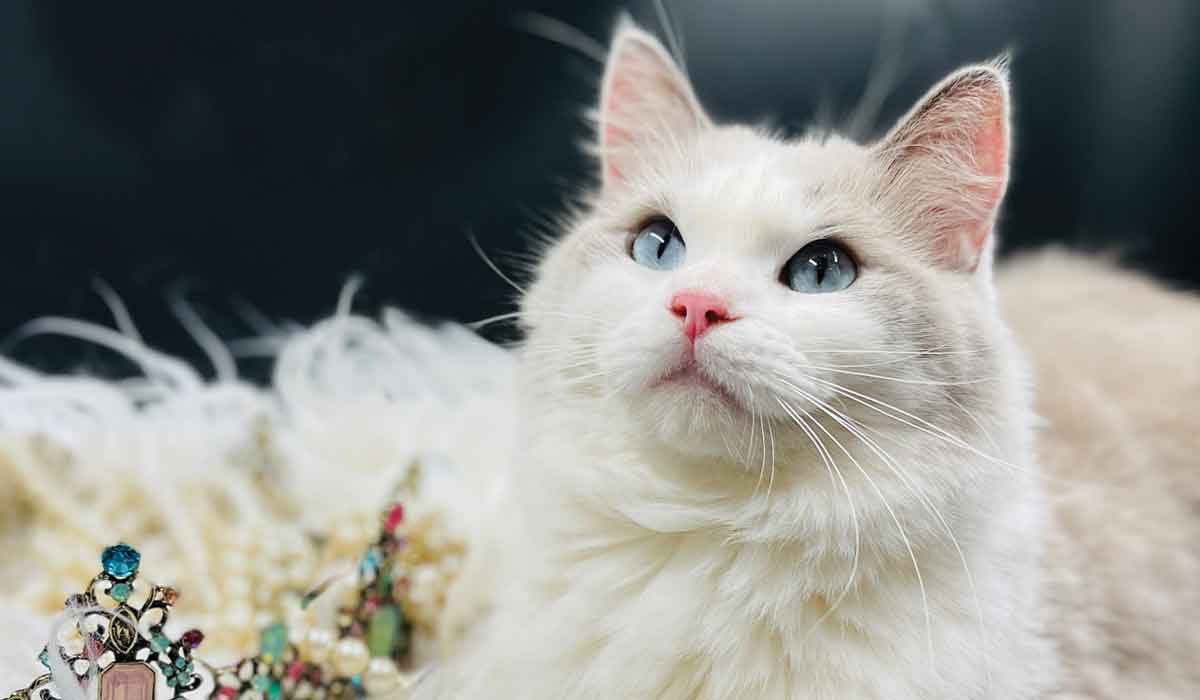
Credit: wiseacresragdolls.com
Maintaining Your License
Maintaining your license as a cat breeder in Arkansas is crucial for your business. It ensures you stay legal and trusted by customers. You must follow state rules and keep your license current. Regular updates and good record keeping help avoid fines and penalties. Consistent compliance protects your cats and your reputation.
Renewal Process
Renew your license before it expires. The Arkansas Department of Agriculture handles renewals. Submit the renewal form with any required fees on time. Keep track of deadlines to avoid interruptions. A missed renewal can lead to license suspension or fines.
Record Keeping
Keep detailed records of each cat you breed. Include health, breeding dates, and sales information. Store records securely and make them easy to access. Good records prove your compliance with state laws. They also help manage your breeding program effectively.
Compliance With State Laws
Follow all Arkansas laws related to cat breeding. These include animal welfare, licensing, and sales regulations. Regularly review the laws for any changes. Make sure your facility meets state standards for cleanliness and safety. Non-compliance can result in fines or loss of license.
Common Challenges
Registering as a licensed cat breeder in Arkansas can be tricky. Many face hurdles during the process. These common challenges can slow down or stop your application. Knowing these issues helps you prepare better. It also saves time and avoids frustration.
Understanding how to handle denied applications is key. Knowing appeal procedures gives you a second chance. Staying clear of legal issues keeps your license safe. Let’s explore these challenges closely.
Handling Denied Applications
Denied applications happen for many reasons. Missing documents or incomplete forms are common causes. Sometimes, the breeder’s facility does not meet state rules. A thorough review of your application can prevent denial.
Check all paperwork carefully before submission. Make sure your facility meets hygiene and safety standards. Keep records organized and ready for inspection. Respond quickly if the state requests more information.
Appeal Procedures
Appealing a denial is possible in Arkansas. You must file an appeal within a set time. This process involves submitting a written request. Include all proof that supports your case.
Attend any hearings or meetings scheduled. Stay calm and clear when explaining your position. Follow all state instructions carefully to increase success chances.
Avoiding Legal Issues
Legal problems can end your breeding license. Follow all Arkansas laws about animal care and business rules. Keep your cats healthy with proper food and vet care. Avoid overcrowding and maintain clean spaces.
Record every sale and keep tax documents ready. Be honest in your business practices. Legal trouble often comes from neglect or dishonesty. Stay informed about changing laws to protect your license.
Benefits Of Licensing
Getting a license as a cat breeder in Arkansas offers many important benefits. It helps you run your breeding business smoothly. Licensing shows you follow the rules and care about your cats. This section explains why getting licensed is a smart choice for any breeder.
Access To Resources
Licensed breeders get access to valuable resources. These include training programs and health guidelines. You can learn how to care for cats better. Also, you get updates on new laws and best practices. These resources help you improve your breeding skills.
Building Credibility
Licensing builds trust with buyers and the community. It proves you meet Arkansas’s legal standards. Buyers feel safer buying from licensed breeders. Your reputation grows as a responsible breeder. Credibility helps you attract more customers and partners.
Protecting Animal Welfare
Licensing ensures you follow animal care rules. It promotes safe and healthy living conditions for cats. You help prevent cruelty and neglect. Protecting animal welfare is a key reason for licensing. It shows your commitment to the well-being of your cats.
Frequently Asked Questions
How Do I Register As A Cat Breeder In Arkansas?
To register, contact the Arkansas Livestock and Poultry Commission. Complete the application form and pay the registration fee. Ensure you meet local breeding regulations before applying.
What Are Arkansas Cat Breeder Licensing Requirements?
Requirements include a clean facility, proper animal care, and meeting state health standards. You must also keep accurate records of breeding activities and sales.
How Long Does The Arkansas Breeder Registration Process Take?
The process typically takes 2 to 4 weeks after submitting your application and fee. Processing times can vary based on application volume.
Are There Fees To Register As A Cat Breeder In Arkansas?
Yes, Arkansas charges a registration fee. Fees vary depending on the number of cats you breed. Check the official website for current rates.
Conclusion
Registering as a licensed cat breeder in Arkansas takes clear steps. You must follow state rules and submit the correct forms. Keep your cats healthy and your records up to date. This helps protect your business and the animals. Staying informed about laws keeps you prepared and legal.
Start the process with confidence and care. Your effort ensures a safe and trusted breeding practice. Keep learning and growing in your role as a breeder. Success comes from patience and responsibility.