
Are you worried about a cat breeder who isn’t treating their cats well? Knowing how to report a cat breeder can protect innocent animals from harm and ensure they get the care they deserve.
You might feel unsure about where to start or what steps to take. This guide will walk you through the simple, clear actions you can take right now to make a difference. Keep reading, and you’ll learn exactly how to stand up for cats and help stop bad breeders in their tracks.
Your voice matters more than you think.

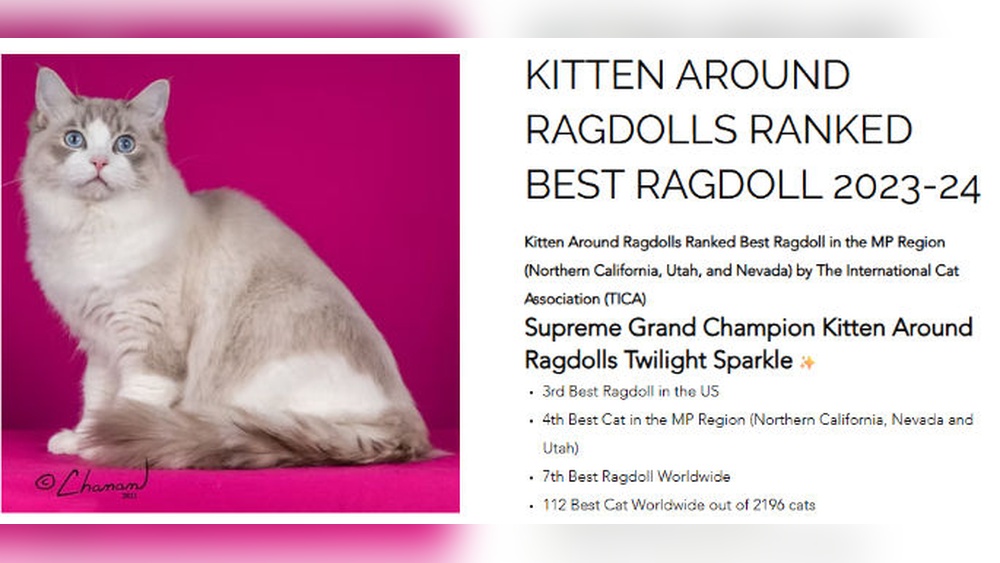
Credit: www.kittenaroundragdolls.com
Signs Of A Problematic Cat Breeder
Knowing the signs of a problematic cat breeder helps protect cats and buyers alike. Many breeders appear trustworthy but hide serious issues. Spotting these signs early can prevent harm to cats and save buyers from bad experiences.
Problematic breeders often neglect cat health and welfare. They may prioritize profit over care. Understanding these signs can guide you in making smart choices and reporting unethical behavior.
Common Red Flags
Dirty or overcrowded living spaces signal poor care. Cats in these places often look sick or scared. Lack of proper veterinary records is another warning. Responsible breeders provide health certificates and vaccination details. Avoid breeders who refuse to show these documents. High prices without proof of pedigree or health checks raise doubts. Also, beware of breeders who push for quick sales or avoid questions.
Recognizing Unethical Practices
Unethical breeders breed cats too often, risking health. They may ignore genetic problems or harmful traits. Selling cats before they reach the right age is common. This harms kittens’ development and weakens their immune systems. Some breeders hide poor conditions or lie about the cat’s history. Refusing to take back a cat or offer support after sale shows lack of responsibility. These practices hurt cats and buyers alike.
Gathering Evidence
Gathering evidence is the first step to report a cat breeder properly. Clear proof helps authorities take action fast. It shows the truth about the breeder’s practices. Collecting strong evidence protects cats and future buyers.
Careful documentation makes your report stronger and more reliable. It creates a clear picture of the situation. You need to be detailed but simple. Every piece of evidence counts.
Documenting Breeder Behavior
Write down what you see and hear from the breeder. Note dates, times, and places of any meetings or calls. Record any promises the breeder made about the cats. Watch for signs of poor care or unsafe conditions. Keep a diary of suspicious actions or broken agreements. This record shows a pattern of behavior over time.
Collecting Photographs And Records
Take clear photos of the cats and their living area. Capture any signs of neglect or overcrowding. Save copies of receipts, contracts, and messages. Screenshots of online ads or posts also help. Make sure images show important details well. This proof supports your written notes and makes the case stronger.
Identifying The Right Authorities
Knowing who to contact is the first step in reporting a cat breeder. Different authorities handle various parts of animal care and legal issues. Finding the right agency helps your report make a real impact. This section shows you which groups to reach out to.
Local Animal Control Agencies
Animal control agencies manage pet safety in your area. They respond to complaints about animal cruelty or neglect. These agencies can visit the breeder and check conditions. They have the power to remove animals from unsafe places.
Animal Welfare Organizations
Animal welfare groups focus on protecting pets and wildlife. They often investigate abuse and poor living situations. These organizations can guide you on how to report properly. Some offer rescue services or legal support for animals.
Consumer Protection Groups
Consumer protection groups help buyers avoid scams and fraud. They handle complaints about dishonest or illegal business practices. Reporting a breeder here can stop unfair sales or false advertising. These groups work to keep pet buyers safe and informed.

Credit: www.reddit.com
How To File A Complaint
Filing a complaint against a cat breeder is a serious step. It helps protect animals from harm and ensures better care. Knowing how to file a complaint correctly makes the process smoother. Clear information and a detailed report increase the chances of action.
Writing An Effective Report
Start your report with a clear statement of the problem. Describe what you saw or experienced in simple words. Avoid opinions or guesses. Stick to facts that you know for sure. Use short sentences for easy reading. Keep your tone calm and respectful.
Explain why the breeder’s actions are wrong or harmful. Mention any signs of neglect or abuse. Describe the condition of the cats and the environment. Be honest and precise. This helps authorities understand the situation quickly.
Providing Necessary Details
Include the breeder’s full name and address. Add any phone numbers or emails you have. Mention the date and time of your observation. Attach photos or videos if possible. Visual proof supports your report strongly.
Give contact information so officials can reach you. State your relationship to the breeder, if any. Note down any previous complaints or warnings you know. The more details you provide, the better the investigation will be.
Following Up On Your Report
Following up on your report about a cat breeder is important. It helps ensure the authorities take action. You stay informed about what happens next. This process can take time, so patience is key. Knowing how to track the progress and what to expect helps you stay calm and ready.
Tracking The Case Progress
After you file your report, ask for a case number. This number helps you check updates. Contact the agency handling your case regularly. Many offices have online portals for status checks. Write down the names and contact info of people you speak with. Keep a record of all communications. This helps if you need to follow up again.
What To Expect From Authorities
Authorities will review your report carefully. They may visit the breeder’s location to inspect conditions. This can take days or weeks. Sometimes, they interview witnesses or gather more evidence. Not all cases lead to immediate action. Authorities must follow legal steps before making decisions. You will be informed about any major updates. Stay patient and trust the process. Your report helps protect cats from harm.
Supporting Affected Cats
Supporting cats affected by irresponsible breeders is important. These cats often suffer from poor care and need help. Taking action can improve their lives and future. There are ways to support them beyond reporting the breeder. Every small effort counts toward their well-being.
Rescue And Shelter Options
Many cats need safe places to live after rescue. Animal shelters provide food, medical care, and comfort. Some shelters focus on cats rescued from bad breeders. You can find local shelters that accept these cats. Donations help shelters care for more animals. Adopting from shelters gives these cats a new home. This reduces the demand for kittens from breeders.
Volunteering And Advocacy
Volunteering helps shelters care for affected cats daily. Tasks include feeding, cleaning, and socializing animals. Volunteers also help with events to raise awareness. Advocacy means speaking up for cats’ rights and safety. Sharing information about bad breeders educates others. You can join groups that protect animal welfare. Your voice can inspire change and prevent cruelty.
Preventing Future Issues
Preventing future issues with cat breeders helps protect cats and buyers. It starts with careful actions before buying a cat. Taking time to learn about breeders can stop many problems. Ethical breeding supports healthy cats and happy owners.
Researching Breeders Carefully
Check breeder credentials and history. Ask for references from past buyers. Visit the breeder’s facility if possible. See how cats are treated and housed. Look for signs of cleanliness and good care. Avoid breeders who refuse to answer questions. Use online reviews but be cautious of fake ones. Take notes and compare several breeders before choosing.
Promoting Ethical Breeding Practices
Support breeders who prioritize cat health and welfare. Ethical breeders test cats for genetic diseases. They provide proper vaccinations and vet care. They avoid overbreeding and keep cats in good conditions. Share your knowledge about good breeders with others. Report unethical breeders to protect future buyers and cats. Encourage laws that protect animal welfare. Your voice can help improve breeding standards.

Credit: www.reddit.com
Frequently Asked Questions
How Do I Identify A Dishonest Cat Breeder?
Look for signs like poor living conditions, lack of health records, and reluctance to answer questions. Verify their credentials and reviews online. Trustworthy breeders are transparent and prioritize cat welfare.
Where Can I Report Unethical Cat Breeders?
Report them to local animal control, the Better Business Bureau, or breed-specific associations. You can also notify online platforms where they advertise. Prompt reporting helps protect animals and future buyers.
What Information Is Needed To Report A Cat Breeder?
Provide the breeder’s name, location, contact details, and evidence of misconduct. Include photos, receipts, or witness statements if possible. Detailed information increases the chances of a successful investigation.
Can Reporting A Cat Breeder Protect Future Buyers?
Yes, reporting helps authorities take action, preventing unethical breeders from exploiting others. It promotes responsible breeding and ensures healthier, well-cared-for cats reach buyers.
Conclusion
Reporting a cat breeder helps protect animals and buyers. It stops poor treatment and illegal actions. You can find the right agency to report to. Keep your information clear and honest. Acting quickly makes a bigger difference. Everyone can help improve cat care.
Your voice matters in this process. Together, we can support safer breeding practices. Remember, caring for cats starts with responsible reporting. Take a step today to help cats live better lives.