
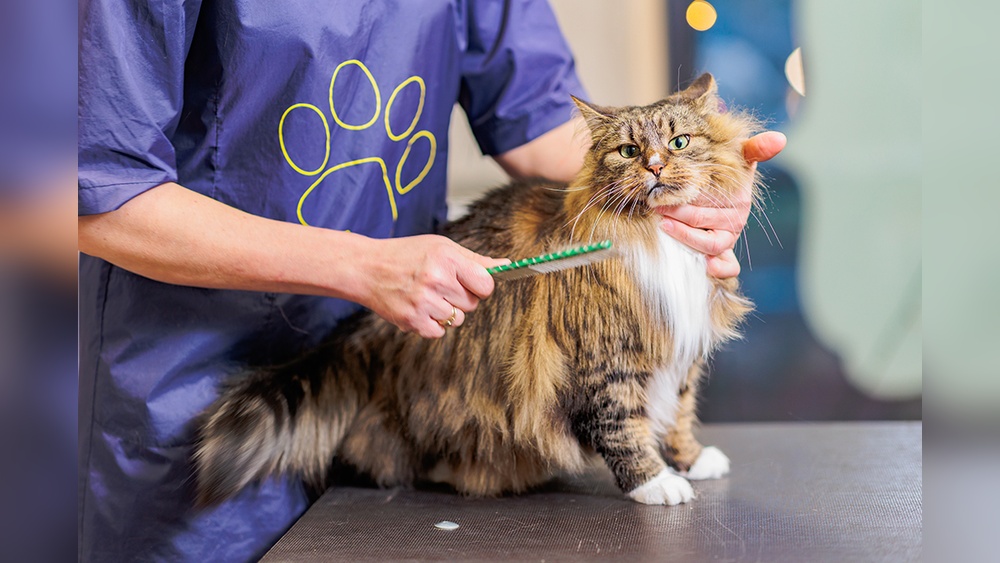
Grooming your cat can sometimes feel like a battle. If your furry friend is nervous, restless, or even aggressive during grooming, you’re not alone.
You want to keep your cat clean and healthy, but the struggle can be real. What if there was a way to make grooming easier and safer for both of you? You’ll discover simple, effective steps on how to sedate your cat gently and responsibly.
Keep reading to learn how to turn grooming time into a calmer, more comfortable experience for your beloved pet.

Credit: www.wikihow.com
Signs Your Cat Needs Sedation
Knowing when your cat needs sedation for grooming is important. Some cats get very anxious or aggressive during grooming. Others have health issues that make grooming painful or hard. Recognizing these signs can help keep your cat safe and calm.
It also helps you decide if sedation is the best choice for a smooth grooming session.
Behavioral Indicators
Watch for signs of stress like growling, hissing, or biting. Cats that hide or run away during grooming may be too scared. Sudden scratching or clawing can also show fear or anger. These behaviors make grooming unsafe for both you and your cat.
Physical Challenges
Some cats have health problems affecting grooming. Arthritis or injuries can cause pain when touched. Overweight cats may struggle to move or stay still. Older cats might have weak muscles or joint stiffness. These issues make regular grooming hard without sedation.
Grooming Difficulties
Matted fur that pulls on the skin can hurt your cat. Thick or long hair may tangle easily and cause discomfort. Cats that fight hard during brushing risk injury. If grooming takes too long or is very stressful, sedation may help.
Credit: www.catster.com
Consulting Your Veterinarian
Consulting your veterinarian is the first step to sedate a cat safely for grooming. Vets provide expert advice and ensure your cat’s health is not at risk. They evaluate your cat’s condition and recommend the best sedation method.
Health Assessment
The veterinarian checks your cat’s overall health. They look for heart or breathing problems. Blood tests may be done to find hidden issues. This helps avoid risks during sedation. A healthy cat handles sedation better.
Sedation Options
Veterinarians know safe sedation choices for cats. They may suggest mild sedatives or stronger drugs based on your cat’s needs. Some options are pills, injections, or sprays. The vet picks the safest and most effective choice.
Dosage And Safety
The correct dose depends on your cat’s weight and health. Vets calculate the exact amount to avoid overdose. They explain side effects and signs to watch for. Follow their instructions to keep your cat safe during grooming.
Safe Sedation Methods At Home
Grooming a cat can be tough if your pet feels scared or restless. Safe sedation at home helps calm your cat during grooming. It reduces stress for both you and your cat. Choosing the right method is very important. Always focus on safety and comfort.
Oral Sedatives
Oral sedatives can help relax your cat before grooming. These medicines slow down the nervous system. They make your cat calm and sleepy. Use only sedatives prescribed by a vet. Never give human medicines to your cat. Follow the vet’s instructions carefully. Check the dose and timing before use. Watch your cat closely after giving the medicine. Contact a vet if you see unusual behavior.
Natural Calming Aids
Natural calming aids are gentle options to soothe your cat. Products like pheromone sprays and calming collars work well. Herbal supplements such as valerian or chamomile can help too. These aids reduce anxiety without strong chemicals. They take time to work, so use them early. Always choose products made for cats. Avoid anything toxic or not tested on pets. Natural aids are safer but may not fully sedate your cat.
When To Avoid Sedation
Do not sedate your cat if it is very sick. Cats with heart or liver problems should avoid sedatives. Avoid sedation if your cat is pregnant or nursing. Never sedate kittens without vet advice. Sedation can cause problems in some cats. If your cat has bad reactions before, skip sedation. Always consult your vet before any sedation at home. Safety comes first for your cat’s health.
Preparing Your Cat For Grooming
Preparing your cat for grooming helps make the process smooth and safe. Cats can feel scared or stressed during grooming. Getting your cat ready helps reduce fear and makes grooming easier. Start by creating a calm space and using gentle handling. Follow a routine your cat can expect.
Creating A Calm Environment
Choose a quiet room with few distractions. Close doors and windows to block noise. Soft lighting helps your cat feel relaxed. Place familiar blankets or toys nearby. Avoid sudden movements or loud sounds. A calm space lowers your cat’s stress levels. This helps them stay still during grooming.
Handling Techniques
Speak in a soft, gentle voice. Use slow, smooth movements. Let your cat sniff your hands first. Hold your cat gently but firmly. Support their body to prevent sudden moves. Avoid grabbing or squeezing tightly. Patience is key to build trust. Calm handling reduces fear and resistance.
Timing And Routine
Pick a time when your cat is calm or sleepy. Avoid grooming right after meals or playtime. Keep grooming sessions short, about 5 to 10 minutes. Repeat grooming regularly to build habit and trust. A set routine helps your cat know what to expect. Consistency makes grooming less stressful over time.
Grooming Steps Under Sedation
Grooming a cat under sedation requires care and clear steps. Sedation helps calm the cat, making grooming easier and safer. The process involves brushing, nail trimming, and bathing. Each step must be done gently to avoid harm.
Here are the essential grooming steps to follow under sedation.
Brushing And Dematting
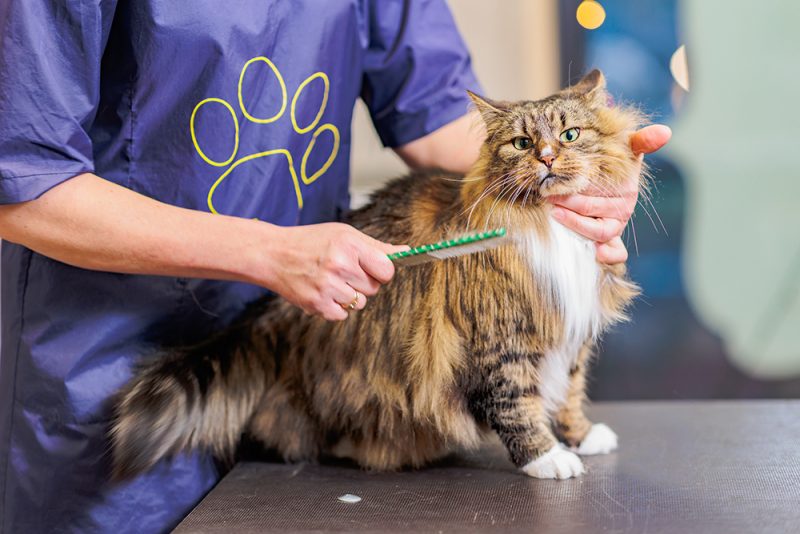
Start with gentle brushing to remove loose fur. Use a soft brush suitable for your cat’s coat type. For mats, use a detangling comb carefully. Do not pull hard to avoid hurting the cat’s skin. Work slowly and check the cat’s reaction often.
Nail Trimming
Use sharp, small nail clippers made for cats. Hold the paw gently and press the pad to expose nails. Trim only the sharp tips, avoiding the pink quick. Trim nails one by one with steady hands. Keep a styptic powder nearby in case of bleeding.
Bathing Tips
Prepare warm water and mild cat shampoo before starting. Wet the cat’s coat slowly, avoiding the face. Apply shampoo in small amounts and lather gently. Rinse well to remove all soap. Use a soft towel to dry the cat carefully after the bath.
Post-sedation Care
After sedating a cat for grooming, careful care is very important. The cat needs time to wake up safely. Proper attention helps avoid problems and makes recovery smooth. Watch the cat closely and provide a calm space. Comfort and safety come first during this time.
Monitoring Recovery
Keep the cat in a quiet room. Avoid loud noises or sudden movements. Check breathing and heartbeat often. The cat should start waking in 30 minutes to an hour. If the cat stays very sleepy or unresponsive, call a vet. Stay close and watch every change.
Hydration And Comfort
Offer small amounts of water once the cat is alert. Do not force drinking. Provide a soft bed or blanket for rest. Keep the room warm but not hot. Make sure the cat feels safe and calm. Avoid touching the cat too much during recovery.
Signs Of Complications
Look for trouble breathing or coughing. Vomiting or shaking is a bad sign. If the cat cannot stand or walk, get help fast. Swelling or redness at injection spots needs vet care. Keep a list of symptoms to watch after sedation. Quick action can save the cat’s life.
Alternatives To Sedation
Sedating a cat for grooming is not the only option. Many cats get stressed with sedation. There are safer, gentler ways to help your cat stay calm during grooming. These alternatives can make grooming easier for both you and your cat.
Behavioral Training
Training your cat to accept grooming takes time and patience. Start with short sessions and gentle touch. Reward your cat with treats and praise. Gradually increase the grooming time. This helps your cat feel safe and relaxed. Over time, your cat may even enjoy grooming.
Professional Grooming Services
Professional groomers know how to handle nervous cats. They use calm voices and soft movements. Groomers have special tools to keep cats comfortable. They can trim nails, clean fur, and remove mats safely. Professionals can reduce stress and avoid sedation.
Using Calming Products
Calming products can help your cat feel less anxious. Try sprays or diffusers with natural scents like lavender or chamomile. Calming collars release soothing pheromones. Some treats contain ingredients that relax cats. These products create a peaceful environment for grooming.

Credit: catspajamasgrooming.ca
Frequently Asked Questions
How Can I Safely Sedate My Cat For Grooming?
Consult a vet before sedating your cat. Use only vet-approved sedatives and follow dosage instructions carefully. Never sedate your cat without professional guidance to ensure safety.
What Are The Common Sedatives Used For Cats?
Common sedatives include Acepromazine, Gabapentin, and Trazodone. These help calm cats during grooming. Always get a vet’s prescription and advice before use.
How Long Does Sedation Last For Cat Grooming?
Sedation effects typically last 2 to 6 hours. Duration depends on the sedative type and dosage. Monitor your cat closely until fully awake.
Can I Groom My Cat Without Sedation?
Yes, gentle grooming can often be done without sedation. Use calming techniques like soft talking and treats. Sedation is only for very anxious or aggressive cats.
Conclusion
Sedating a cat for grooming takes care and patience. Always ask your vet before giving any medicine. Watch your cat’s behavior closely during the process. Use gentle handling to keep your cat calm and safe. Proper sedation can make grooming easier and less stressful.
Remember, your cat’s health comes first. Regular grooming helps your cat stay clean and healthy. Keep learning and stay calm for the best results.