

If you have a long-haired cat, you know how tricky grooming can be. Tangled fur, mats, and shedding can make your cat uncomfortable—and your home messy.
But shaving your long-haired cat doesn’t have to be stressful. With the right steps, you can keep your furry friend looking neat and feeling great. In this guide, you’ll discover simple tips and tricks to shave your cat safely and easily.
Keep reading, and you’ll learn how to make grooming a calm and positive experience for both you and your pet.
Preparing Your Cat
Preparing your long-haired cat for grooming is important. It helps reduce stress and makes the process safer. A calm and relaxed cat is easier to shave. Preparation involves choosing the right time, gathering tools, and setting a peaceful space.
Choosing The Right Time
Pick a time when your cat is calm and sleepy. Avoid times when your cat is very active or hungry. After a meal or a nap is best. A relaxed cat will cooperate better during grooming.
Gathering Necessary Tools
Have all tools ready before you start. You will need a comb, scissors, clippers, and treats. Use sharp and clean tools for safety. This prevents pulling hair and hurting your cat.
Creating A Calm Environment
Choose a quiet room with soft lighting. Remove loud noises and distractions. Speak softly to your cat to keep it calm. Use a non-slip surface to keep your cat steady.
Credit: www.reddit.com
Checking Your Cat’s Coat
Before shaving or grooming your long-haired cat, check the coat carefully. This step helps find any problems that need attention. A clean and healthy coat makes grooming easier and safer.
Take your time and be gentle. Your cat will feel more relaxed and trust you more during grooming.
Identifying Mats And Tangles
Mats are clumps of fur stuck together tightly. They can pull on your cat’s skin and cause pain. Tangled fur looks messy and feels rough. Use your fingers to feel the fur. Mats are harder and thicker than normal fur. Check behind the ears, under the legs, and around the neck. These spots get mats often. Remove small tangles with a comb before grooming.
Assessing Skin Health
Look closely at your cat’s skin under the fur. Healthy skin is smooth and pink. Watch for redness, bumps, or dry patches. These signs may mean irritation or infection. Check for fleas or ticks as well. If you see any sores or scabs, avoid shaving those areas. Consult a vet if the skin looks unhealthy. Healthy skin helps the coat stay soft and shiny.
Brushing Before Shaving
Brushing your long-haired cat before shaving is very important. It prepares the fur for a smooth shave. Brushing removes knots and loose hair. It makes shaving safer and easier. It also helps your cat feel more comfortable during grooming.
Detangling Techniques
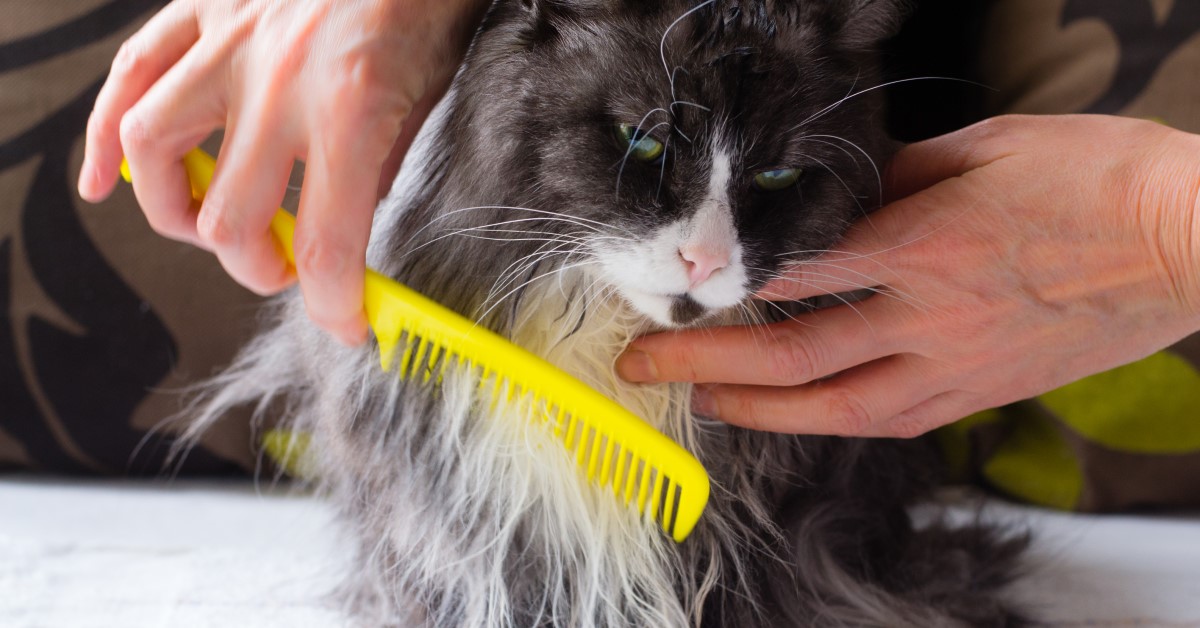
Start with gentle strokes to avoid hurting your cat. Use a wide-toothed comb to break big knots. Hold the fur near the skin to reduce pulling. Work on small sections at a time. For tough mats, use a detangling spray or conditioner. Patience is key. Never cut mats out with scissors; this can cause injury.
Removing Loose Fur
Use a soft brush to remove loose fur after detangling. This reduces shedding and hairballs. Brush in the direction of hair growth. Brush both the body and tail carefully. Regular brushing lowers the chance of shaving cuts. It keeps your cat’s skin healthy and clean.
Choosing The Right Clippers
Choosing the right clippers is very important when grooming a long-haired cat. The right tool makes the job easier and safer. Cats have delicate skin and thick fur. Using the correct clippers helps avoid cuts and discomfort. It also helps you finish grooming faster.
Blade Types And Sizes
Blades come in different types and sizes for different fur lengths. Smaller blades cut closer to the skin. Larger blades leave more fur behind. Choose a blade size that fits your cat’s fur. Sharp blades cut smoothly and reduce pulling. Stainless steel blades last longer and resist rust.
Some blades are adjustable, letting you change the length. This is helpful for trimming different areas. Check if the blade is easy to clean. Clean blades help prevent infections and keep your cat healthy.
Quiet And Safe Clippers
Long-haired cats can get scared by loud noises. Quiet clippers reduce stress during grooming. Look for clippers with low noise and vibration. This keeps your cat calm and relaxed.
Safety features are very important. Rounded blade edges protect your cat’s skin. Clippers with safety guards prevent accidental cuts. Choose clippers with good grip to avoid slips. Comfortable handles help you control the tool better.
Shaving Techniques
Shaving a long-haired cat requires care and patience. The right techniques help keep your cat calm and safe. Proper shaving also prevents skin cuts and discomfort. Follow these steps for smooth grooming.
Starting With Small Areas
Begin by shaving a small patch on your cat’s body. This helps your cat get used to the clippers. Choose a quiet room and use gentle strokes. Watch your cat’s reaction closely. Stop if your cat shows stress or fear. Gradually increase the shaved area over time.
Shaving With Hair Growth
Shave in the direction of the hair growth. This reduces pulling and discomfort. Use slow and steady movements for a clean cut. Keep the clippers flat against the skin. Avoid pressing too hard to prevent cuts. Regularly check the clipper blades to avoid snagging.
Avoiding Sensitive Spots
Long-haired cats have delicate skin in certain areas. Avoid shaving near the face, ears, paws, and genitals. These spots are thin and easily injured. Use scissors or a comb to trim these parts if needed. Always be gentle and patient during grooming. Your cat will feel safer and more relaxed.
Credit: www.petassure.com
Handling Cat Stress
Shaving or grooming a long-haired cat can stress your pet. Cats feel safe when calm and relaxed. Handling stress well makes grooming easier and safer. Watch your cat’s mood and body language. Adjust your actions to keep your cat calm.
Recognizing Signs Of Discomfort
Look for signs like ears flat or tail twitching. Heavy breathing or wide eyes show stress too. Your cat might try to hide or bite. These signs mean your cat needs a break. Notice these early to avoid a struggle.
Taking Breaks During Grooming
Stop grooming if your cat shows stress signs. Give your cat time to relax and breathe. Short sessions work better than one long one. Let your cat move freely between sessions. Calm moments help your cat trust you more.
Using Calming Aids
Try calming sprays or diffusers made for cats. These products use natural scents to soothe your pet. Soft music or quiet rooms reduce stress too. Give treats to reward calm behavior during grooming. These aids help your cat feel safe.
Post-shaving Care
Taking care of your cat after shaving is very important. It helps keep your cat healthy and comfortable. This time allows the skin to heal and prevents problems. Your cat will feel better with good post-shaving care.
Checking For Skin Irritation
Look closely at your cat’s skin after shaving. Check for redness, bumps, or cuts. These signs show irritation or small wounds. Gently touch the shaved area to see if your cat reacts. If your cat pulls away or seems in pain, be extra careful.
Cleaning And Soothing The Skin
Use a damp cloth with warm water to clean the shaved area. Avoid using strong soaps or chemicals. These can hurt sensitive skin. Apply a pet-safe soothing lotion or aloe vera gel. This helps calm any redness or itching. Keep your cat in a clean, dry place to avoid dirt or dust on the skin.
Rewarding Your Cat
Give your cat a treat or gentle petting after grooming. This helps your cat feel safe and happy. Praise your cat with a soft voice to build trust. Positive experience makes future grooming easier. Rewarding your cat shows you care and appreciate their patience.

Credit: www.youtube.com
When To Seek Professional Help
Shaving or grooming a long-haired cat can be tricky. Some situations need a professional’s touch. Knowing when to ask for help keeps your cat safe and comfortable. A groomer or vet has the right tools and experience.
Dealing With Severe Mats
Mats can pull your cat’s skin painfully. Large mats often cannot be removed with regular combs. Cutting mats yourself may hurt your cat or cause skin cuts. Professionals use special tools to remove mats gently. They know how to handle sensitive spots without stress.
Handling Aggressive Cats
Some cats get scared and aggressive during grooming. They may scratch or bite to protect themselves. Trying to shave a stressed cat can lead to injuries. A professional groomer can calm your cat safely. They use techniques to reduce fear and keep grooming smooth.
Frequently Asked Questions
How Often Should I Shave A Long-haired Cat?
Shaving frequency depends on the cat’s coat condition and climate. Generally, every 8-12 weeks is ideal. Regular shaving helps prevent mats and reduces shedding. Always monitor your cat’s skin health between shaves for any irritation or dryness.
What Tools Are Best For Shaving A Long-haired Cat?
Use a high-quality electric clipper with a quiet motor to reduce stress. Choose blades designed for pet grooming, preferably with adjustable lengths. Avoid razors or scissors to prevent accidental cuts and discomfort.
Can Shaving Harm My Long-haired Cat’s Skin?
If done correctly, shaving is safe and won’t harm the skin. Use gentle strokes and avoid shaving too close to prevent cuts or irritation. Always check for any skin conditions before shaving to avoid aggravating them.
Should I Shave My Long-haired Cat At Home Or Hire A Groomer?
Experienced owners can shave at home with proper tools and patience. However, professional groomers ensure safety and a stress-free experience for your cat. Consider your cat’s temperament and your grooming skills before deciding.
Conclusion
Shaving a long-haired cat takes patience and care. Always use gentle tools and move slowly. Keep your cat calm and safe during grooming. Regular grooming helps prevent mats and keeps fur healthy. Watch for signs of stress or discomfort. With practice, the process becomes easier for both.
A well-groomed cat feels more comfortable and happy. Remember, your cat trusts you. Treat grooming as a bonding time. Small steps lead to great results.