
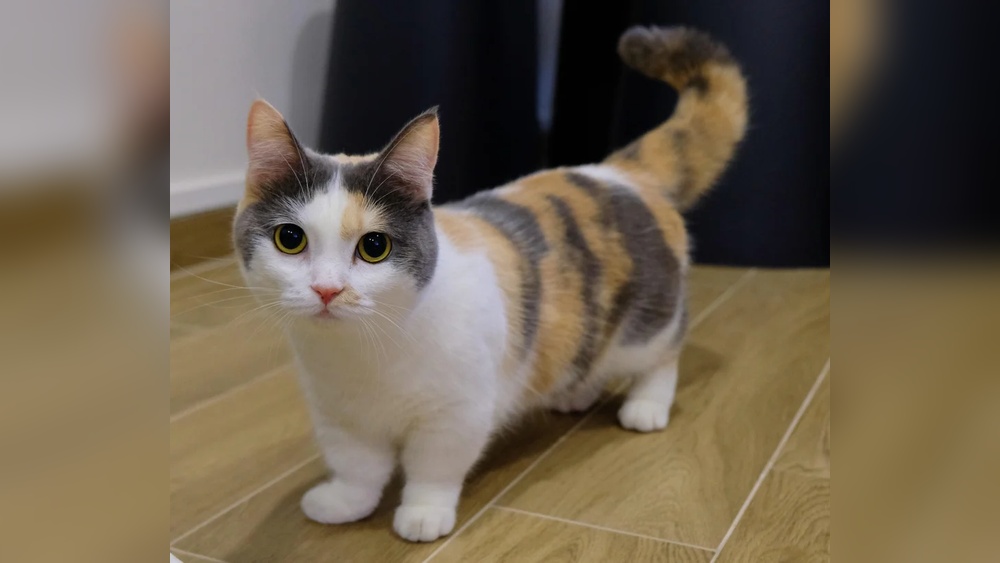
Are you worried about the rapid breeding of Munchkin cats and want to take control? You’re not alone.
These adorable cats can multiply quickly, leading to overcrowding and health issues. But don’t worry—there are simple, effective steps you can take to stop the breeding cycle. You’ll discover practical tips that protect both the cats and your peace of mind.
Keep reading to learn how you can make a real difference today.
Munchkin Cat Breeding Risks
Munchkin cats are famous for their short legs and cute looks. Many people love them as pets. But breeding these cats brings serious risks. These risks affect the cat’s health and well-being. Understanding these risks helps stop the spread of problems. It also protects the cats from harm and suffering.
Health Issues In Munchkin Cats
Munchkin cats often face health problems due to their short legs. Their spine can be weak or curved. This can cause pain and difficulty moving. Some cats develop arthritis early in life. Breeding more Munchkin cats may increase these health problems. Sick cats suffer more and live shorter lives.
Genetic Concerns
The short legs in Munchkin cats come from a genetic mutation. Breeding two cats with this gene can cause serious defects. Some kittens are born with deformities or do not survive. This gene can also pass on other hidden diseases. Breeding without care spreads these harmful genes. This hurts the entire Munchkin cat population.
Ethical Breeding Challenges
Breeding Munchkin cats raises many ethical questions. Is it right to breed animals with health risks? Some breeders ignore the cats’ suffering to make money. Others use poor breeding practices to produce more kittens. Ethical breeders avoid breeding cats with problems. Stopping Munchkin cat breeding helps protect animal welfare.
Preventing Unwanted Litters
Preventing unwanted litters is key to controlling the Munchkin cat population. It helps avoid health issues and reduces the number of homeless cats. Responsible care means taking steps to stop accidental breeding. This section explains how to prevent unwanted litters effectively.
Simple actions can make a big difference. Spaying and neutering your Munchkin cat is the best way to prevent litters. Knowing the right time for surgery and finding a trusted vet ensures your cat’s safety. These steps protect your pet and the community.
Spaying And Neutering Benefits
Spaying and neutering stop cats from having babies. They lower the risk of some cancers and infections. These surgeries also help reduce aggressive behavior in cats. Your cat will live a healthier and calmer life. The process is safe and common among pet owners.
Timing For Surgery
Most vets suggest spaying or neutering at six months old. This age is before cats can reproduce. Early surgery prevents unwanted litters and health problems. Always check with your vet for the best time. Every cat is different, so advice may vary.
Finding Trusted Veterinarians
Choose a vet with experience in small cat breeds. Trusted vets provide safe surgeries and good aftercare. Ask for recommendations from local shelters or pet owners. Check reviews and visit the clinic before deciding. A reliable vet ensures your Munchkin cat stays healthy.
Managing Munchkin Cat Behavior
Managing Munchkin cat behavior is key to stopping unwanted breeding. Understanding their natural instincts helps control their actions. Careful attention keeps your pet calm and safe.
Behavior management also prevents stress for both you and your cat. It creates a peaceful home environment. Learning about their needs makes a big difference.
Recognizing Heat Cycles
Munchkin cats go into heat like other cats. This cycle repeats every few weeks during breeding season. Signs include loud meowing, restlessness, and rubbing against objects.
Knowing these signs helps you act quickly. You can keep your cat comfortable and avoid mating behaviors. Tracking heat cycles allows better planning for care.
Reducing Mating Triggers
Keep your Munchkin cat away from other cats outside. Sight and smell can trigger mating instincts. Use curtains or barriers to block views of outdoor cats.
Playtime with toys reduces boredom and stress. Avoid loud noises or sudden changes that may excite your cat. Calm surroundings lower the chance of mating behaviors.
Safe Indoor Environment
Indoor living limits exposure to mates and reduces breeding risk. Provide cozy spots for rest and hiding. A secure home keeps your Munchkin cat happy and healthy.
Regular cleaning and fresh food keep your cat comfortable. A safe environment encourages calm behavior. This helps control the breeding urges naturally.
Credit: www.reddit.com
Community And Rescue Support
Community and rescue support play a key role in stopping the breeding of Munchkin cats. Many cats need homes, and rescues help find them. These groups also teach people about the issues with breeding Munchkin cats. Working together, communities can reduce the demand for breeding and help more cats live safe lives.
Local Animal Shelters
Local animal shelters care for cats that need homes. They often have Munchkin cats or other breeds looking for families. Shelters provide food, medical care, and safety. Visiting a shelter helps people meet cats ready for adoption. Supporting shelters reduces the need for breeding new cats.
Adoption Over Breeding
Adopting cats from shelters saves lives. It gives cats a second chance at a happy home. Choosing adoption over buying from breeders stops the cycle of breeding Munchkin cats. Adoption is affordable and responsible. It helps control the cat population and reduces health problems linked to breeding.
Raising Awareness
Sharing facts about Munchkin cat breeding helps change minds. People learn the risks and ethical concerns. Awareness campaigns encourage adoption and discourage breeding. Schools, community centers, and social media are good places to spread the word. The more people understand, the fewer cats will be bred needlessly.
Long-term Solutions
Stopping the breeding of Munchkin cats requires more than quick fixes. Long-term solutions focus on changing habits and rules around breeding. These solutions help protect the health of cats and reduce unwanted litters.
Promoting Responsible Breeding
Breeders must follow strict health guidelines. They should avoid breeding cats with genetic problems. Responsible breeders test cats for diseases before mating. They also limit the number of litters. This approach keeps the breed healthier over time.
Legislation And Policies
Laws can control or ban harmful breeding practices. Governments can enforce rules to stop unethical breeders. Licensing breeders helps track and regulate breeding activities. Penalties for illegal breeding reduce the number of irresponsible breeders.
Educating New Owners
New owners must learn about Munchkin cats’ special needs. They should understand the risks of breeding these cats. Education helps owners make smart decisions about spaying and neutering. Informed owners help lower the demand for more kittens.
Credit: www.petrebels.com

Credit: northernstar.info
Frequently Asked Questions
How Can I Prevent Munchkin Cats From Breeding?
The best way to prevent breeding is spaying or neutering your Munchkin cat. This stops unwanted litters and helps control population.
Why Should Munchkin Cat Breeding Be Controlled?
Controlling breeding prevents health problems caused by genetic defects. It also reduces overpopulation and ensures better care for existing cats.
What Are The Risks Of Breeding Munchkin Cats?
Breeding Munchkin cats can cause genetic disorders and joint issues. It may also lead to ethical concerns about their health.
Is Sterilization Safe For Munchkin Cats?
Yes, sterilization is a safe, routine procedure. It improves your cat’s health and prevents unwanted pregnancies effectively.
Conclusion
Stopping the breeding of Munchkin cats protects their health and well-being. Responsible pet owners must avoid encouraging this practice. Spaying and neutering help control the cat population safely. Educating others about the risks supports better choices for pets. Every small step counts toward caring for these unique cats.
Keep focusing on kindness and respect for all animals. Together, we can make a positive difference.