

Is your cat constantly licking or biting its fur until the skin looks raw? This behavior, known as stress grooming, can be more than just a quirky habit.
It’s a sign that your furry friend is feeling anxious or overwhelmed. If you want to help your cat feel calm and comfortable again, you need to understand why this happens and what you can do to stop it. Keep reading to discover simple, effective ways to ease your cat’s stress and protect their health.
Your cat’s well-being depends on it.
Causes Of Stress Grooming
Stress grooming in cats happens when they feel anxious or uneasy. This behavior is more than just cleaning. It shows that something is wrong inside or around your cat. Understanding the causes helps you stop the problem early. It also keeps your cat calm and healthy.
Environmental Triggers
Changes in the home can upset cats. New furniture, loud noises, or new pets cause stress. Even visitors or strong smells may trigger grooming. Cats like routine. Any break in their usual day can lead to stress grooming.
Health Issues
Sometimes grooming means pain or illness. Skin problems or allergies make cats scratch and lick more. Internal issues like arthritis or infections also cause discomfort. Stress grooming might be a sign your cat needs a vet check.
Behavioral Factors
Some cats groom to calm themselves. Boredom or lack of play causes anxiety. Cats without enough attention may over-groom. Learned habits from kittenhood can also lead to stress grooming. Understanding these helps reduce the behavior.
Signs Of Stress Grooming
Stress grooming in cats shows through different signs. Recognizing these signs early can help you take action. Cats may groom themselves too much when they feel anxious or uneasy. This behavior can affect their health and mood. Watch closely for changes in how they act and look.
Common Symptoms
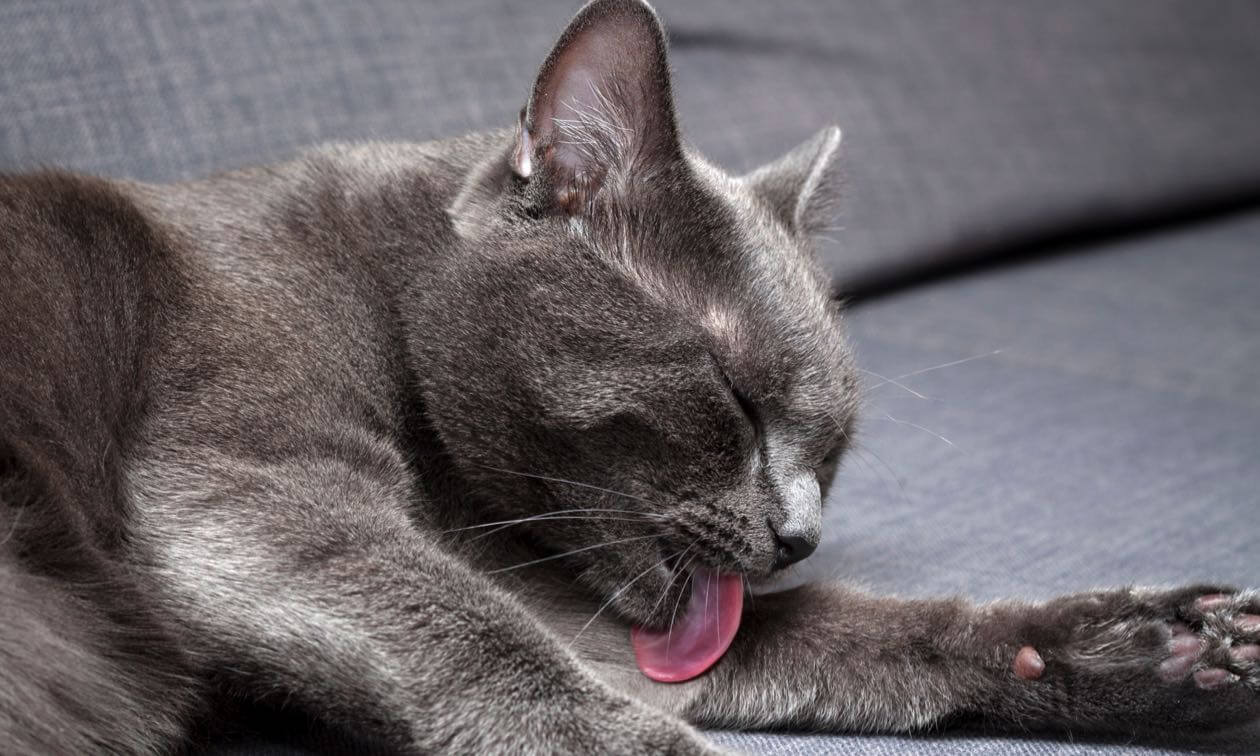
Stress grooming often means your cat licks or chews the same spots a lot. You might see bald patches or red skin. Cats may also bite their fur or scratch more than usual. These signs often appear suddenly and last for days or weeks. Noticing these symptoms helps catch stress grooming early.
Behavioral Changes
Cats under stress may act differently than usual. They could hide more or avoid people. Some cats become more restless or nervous. Others might seem sad or less playful. These changes show your cat is struggling. Pay attention to any new habits or mood shifts.
Physical Effects
Too much grooming can harm your cat’s skin. You might see wounds, scabs, or swelling. The fur may become thin or patchy in certain areas. Skin infections can develop if grooming continues. These effects need quick care to stop further damage.
Creating A Calm Environment
Creating a calm environment helps reduce stress grooming in cats. Stress grooming happens when cats feel anxious or scared. A peaceful space can make cats feel safe. It lowers their stress and stops them from grooming too much. Small changes at home help cats relax and stay healthy.
Safe Spaces
Cats need quiet, cozy spots to feel safe. Provide soft beds or blankets in quiet corners. High places like shelves or cat trees work well. Cats like hiding spots where they can rest alone. These safe spaces give cats a break from stress. Make sure the area is away from busy rooms.
Reducing Noise And Distractions
Loud sounds make cats nervous and stressed. Turn off loud TVs or radios when the cat is near. Keep doors closed to block outside noise. Avoid sudden noises like banging or shouting. Soft music or white noise machines can help. A calm sound environment helps cats feel secure.
Consistent Routine
Cats feel better with a regular daily schedule. Feed and play with them at the same times each day. Keep cleaning and bedtime routines steady. Predictable routines reduce anxiety and stress grooming. Sudden changes can upset cats and increase grooming. Consistency helps cats stay calm and balanced.
Health Checkups And Treatments
Stress grooming can harm your cat’s skin and fur. Health checkups and treatments play a key role in stopping this behavior. Regular care helps identify causes and provide relief quickly.
Early detection of health problems reduces stress and discomfort. A vet can find allergies, infections, or pain. Treating these issues often lowers the need for stress grooming.
Veterinary Exams
Veterinary exams help spot problems that cause stress grooming. The vet checks your cat’s skin, coat, and overall health. They look for infections, wounds, or parasites. Blood tests may reveal hidden illnesses. Exams give a clear picture to guide treatment.
Allergy Management
Allergies often cause itching and discomfort in cats. This leads to excessive grooming and hair loss. Identifying allergens is crucial to stop stress grooming. Your vet might suggest diet changes or allergy tests. Reducing exposure to triggers helps calm your cat’s skin.
Medication Options
Medication can ease symptoms linked to stress grooming. Anti-inflammatory drugs reduce itching and redness. Antibiotics treat skin infections caused by over-grooming. Sometimes, vets prescribe calming medications to reduce anxiety. Medication should always follow professional advice and monitoring.
Behavioral Strategies
Behavioral strategies help reduce stress grooming in cats by changing their daily routine. Cats often groom excessively due to anxiety or boredom. Changing their behavior can calm them and stop this habit. These strategies focus on making cats feel safe and happy.
Interactive Play
Playing with your cat can reduce stress and distract them. Use toys like feathers, balls, or laser pointers. Short, frequent play sessions work best. This activity helps burn energy and keeps your cat’s mind busy. Interactive play also strengthens your bond with your cat.
Positive Reinforcement
Reward your cat for calm behavior. Use treats, gentle petting, or soft words. Avoid punishing your cat for grooming. This can increase stress and make things worse. Positive reinforcement encourages good habits and builds trust between you and your pet.
Stress-relief Techniques
Provide a quiet, safe space for your cat to relax. Use calming scents like lavender or pheromone diffusers. Soft music or white noise can help too. Regular routines make cats feel secure. These small changes reduce anxiety and lower grooming urges.
Credit: www.zoetispetcare.com
Using Pheromones And Supplements
Stress grooming in cats happens when they feel anxious or uneasy. Using pheromones and supplements can calm your cat and reduce this behavior. These tools help create a peaceful environment for your pet. They work naturally and are safe when used properly.
Calming Pheromone Products
Calming pheromone products mimic natural cat scents. These scents tell cats they are safe and relaxed. You can find sprays, diffusers, and collars with these pheromones. Place a diffuser in the room where your cat spends time. Spray on bedding or toys to boost comfort. These products reduce stress and stop over-grooming.
Natural Supplements
Natural supplements support your cat’s calmness from inside. Ingredients like L-theanine, valerian root, and chamomile help reduce anxiety. These supplements come as chews, drops, or powders. Choose high-quality products made for cats. They ease nerves and balance mood gently without side effects.
Proper Usage Guidelines
Follow instructions on product labels carefully. Use pheromones continuously for best results. Supplements need regular doses to build effect over days. Avoid mixing many products without vet advice. Watch your cat closely for any reaction. Consistent use helps your cat feel safer and stops stress grooming.
When To Seek Professional Help
Knowing when to seek professional help is crucial for cats that stress groom. Stress grooming can damage your cat’s skin and fur. Sometimes, the problem goes beyond simple solutions. Professionals can find the root cause and offer the right support.
Signs Of Severe Stress
Look for open wounds or bald patches on your cat. Excessive licking that breaks the skin shows serious stress. Your cat may hide or act aggressive. Loss of appetite or sudden weight loss can also appear. These signs need immediate attention from a vet or behaviorist.
Choosing A Behaviorist
Select a certified animal behaviorist with experience in cats. They understand how stress affects feline behavior. Ask about their methods and success stories. A good behaviorist works with you and your cat patiently. They create a plan based on your cat’s needs.
Long-term Management Plans
Professionals focus on long-term stress relief. They suggest changes in the home environment to reduce triggers. A plan may include playtime, safe spaces, or calming products. Regular check-ins track your cat’s progress. Patience and consistency help your cat heal over time.
:strip_icc()/how-to-stop-cat-over-grooming-554052-02-292560d5fa1542458556eff312f669d7.jpg)
Credit: www.thesprucepets.com
Credit: us.feliway.com
Frequently Asked Questions
What Causes Stress Grooming In Cats?
Stress grooming in cats is caused by anxiety, boredom, or environmental changes. It acts as a coping mechanism to relieve stress or discomfort.
How Can I Identify Stress Grooming In My Cat?
Look for excessive licking, bald spots, or skin irritation. These signs indicate that your cat is grooming itself due to stress.
What Are Effective Ways To Reduce Cat Stress Grooming?
Provide regular playtime, a calm environment, and mental stimulation. Using pheromone diffusers or consulting a vet can also help manage stress grooming.
Can Diet Changes Help With Stress Grooming In Cats?
Yes, a balanced diet supports overall health and reduces stress. Omega-3 fatty acids and supplements may improve skin condition and calm your cat.
Conclusion
Stress grooming can harm your cat’s health and happiness. Watch for signs like bald spots or sores. Offer a calm environment and plenty of playtime. Use gentle petting and soothing voices to reduce anxiety. Consult your vet if grooming persists or worsens.
Small changes make a big difference for your furry friend. Keep your cat comfortable and loved every day. Your care helps stop stress grooming effectively.