
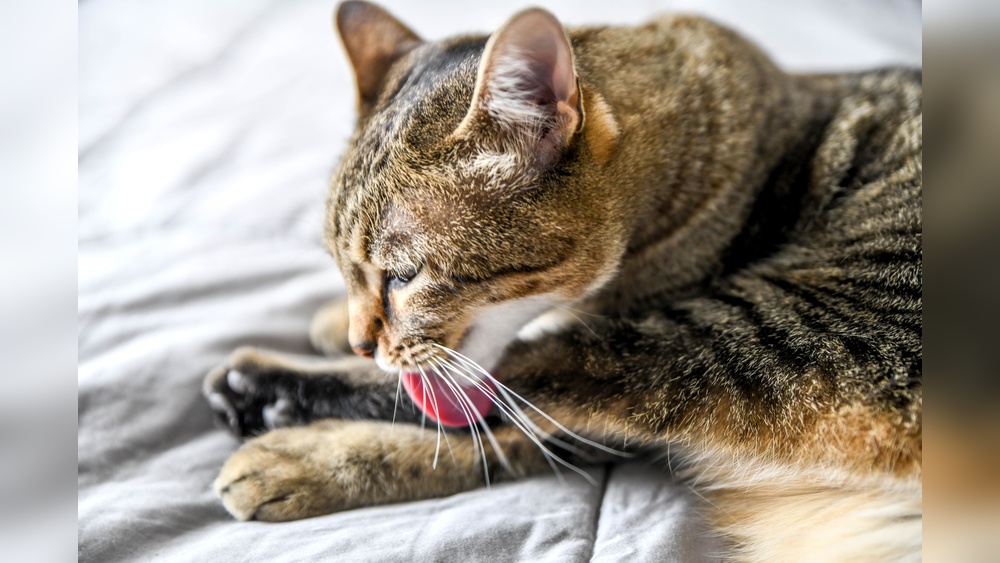
Is your cat spending more time licking and biting than usual? Excessive grooming can be more than just a quirky habit—it might signal discomfort or stress.
If you’ve noticed your furry friend overdoing it, you’re probably worried about their health and well-being. You want to help, but don’t know where to start. This guide will walk you through simple, effective ways to stop your cat from excessive grooming and bring back their happy, healthy self.
Keep reading to discover practical tips that can make a real difference for both you and your cat.
Causes Of Excessive Grooming
Excessive grooming in cats is a common problem that concerns many pet owners. It means your cat is licking or biting its fur more than usual. This behavior can cause bald spots or skin damage. Understanding the causes helps you find the right solution. Several factors can make cats groom too much.
Medical Issues
Health problems often cause extra grooming. Skin allergies, infections, or parasites irritate your cat’s skin. Pain from arthritis or injuries can also lead to licking. Sometimes, underlying illnesses affect their behavior. A vet checkup is important to rule out medical causes.
Stress And Anxiety
Cats feel stress just like people do. Changes in their environment or routine cause anxiety. New pets, loud noises, or moving homes upset them. Grooming becomes a way to calm themselves. Stress-related grooming can become a habit over time.
Environmental Factors
Environmental changes affect grooming habits. Poor hygiene in litter boxes or dirty fur can cause over-grooming. Extreme temperatures or lack of stimulation may also play a role. Cats need a clean and comfortable space to feel safe.
Behavioral Problems
Some cats develop grooming habits from boredom. Lack of play or attention leads to repetitive licking. Obsessive-compulsive disorder is another cause. Behavioral issues require patience and sometimes professional help to manage.
Credit: pittwateranimalhospital.com.au
Recognizing Symptoms
Recognizing symptoms of excessive grooming is the first step to help your cat. Cats often groom to stay clean and calm. But too much grooming may show a problem. Notice changes early to protect your cat’s health and comfort.
Signs Of Over-grooming
Watch for your cat licking or biting the same spots often. They may spend much time grooming one area. Excess grooming looks like constant licking or chewing. Cats might also scratch more than usual. These signs can mean stress or skin issues.
Skin Damage And Hair Loss
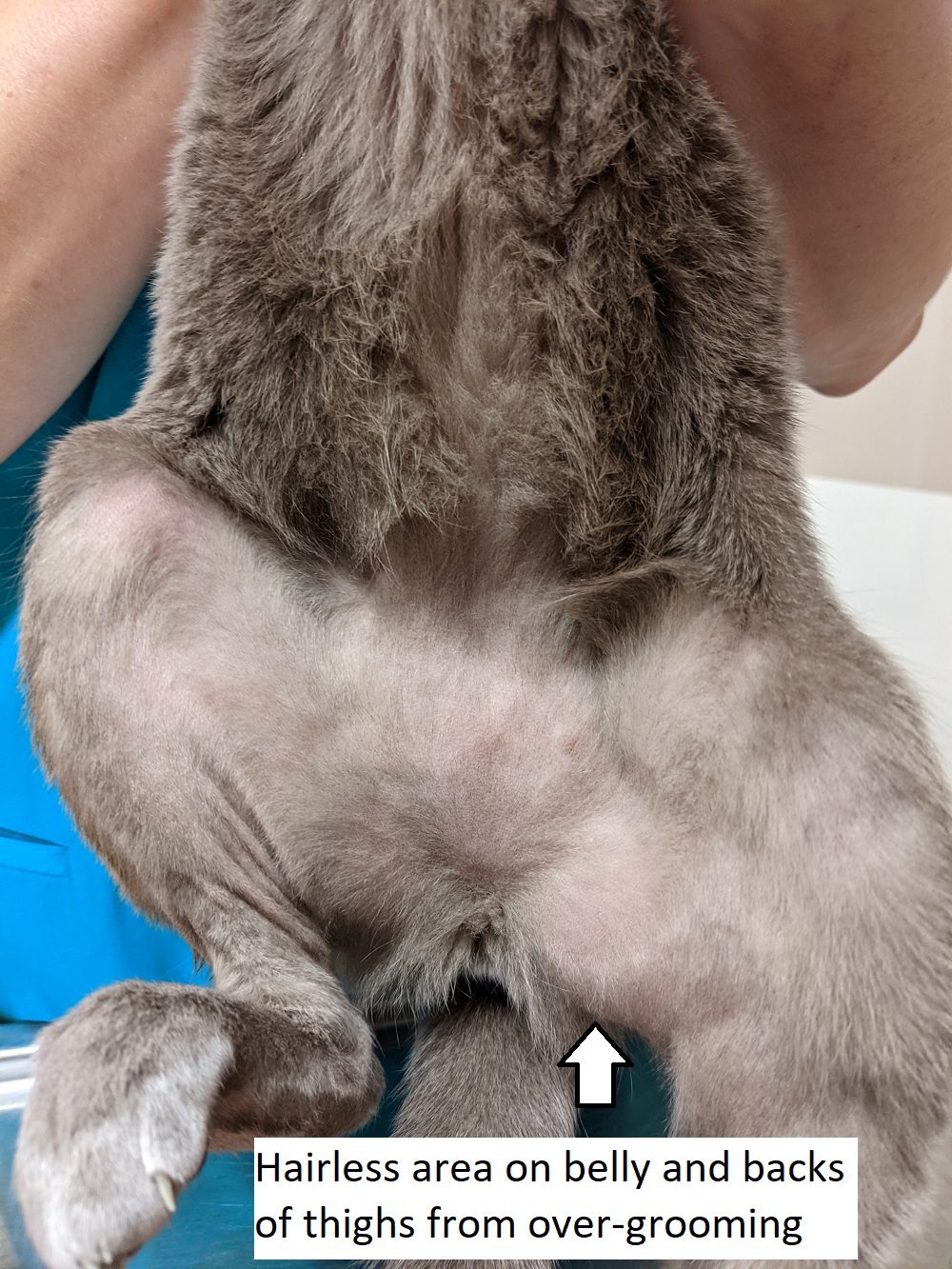
Check your cat’s skin for redness or sores. Hair loss in patches is a clear warning. Skin may look dry or flaky. Open wounds or scabs might appear from too much biting. These signs need quick attention to prevent infection.
Changes In Behavior
Your cat’s mood may change with over-grooming. They might hide more or act restless. Some cats become aggressive or nervous. Loss of appetite or less play can also happen. These behavior changes show your cat is not feeling well.
Veterinary Diagnosis
Veterinary diagnosis is a key step in stopping your cat’s excessive grooming. It helps find the root cause of the behavior. A vet checks for health problems or allergies. They also look at your cat’s behavior. Early diagnosis can prevent more serious issues. It guides the right treatment plan for your cat.
Physical Examination
The vet starts with a full physical exam. They check the skin for redness, sores, or hair loss. Your cat’s coat and body condition get a close look. The vet may feel the skin for lumps or bumps. Checking for parasites like fleas is common. This exam helps spot infections or injuries causing grooming.
Allergy Testing
Allergies can cause itching and discomfort. The vet may suggest allergy testing to find triggers. Tests include blood work or skin patches. Common allergens are food, pollen, or dust mites. Identifying allergies helps control the cause. This reduces your cat’s urge to groom excessively.
Behavioral Assessment
Sometimes, grooming is linked to stress or anxiety. The vet watches your cat’s behavior closely. They ask about daily routine and changes at home. Stress can come from new pets or loud noises. The vet may suggest ways to calm your cat. Behavioral assessment helps address non-medical causes of grooming.
Medical Treatments
Medical treatments can help stop your cat from excessive grooming. A vet can find the cause and suggest the best options. These treatments target skin problems, anxiety, and direct care for the skin.
Medications For Skin Conditions
Skin issues often cause cats to groom too much. Your vet may prescribe antibiotics or antifungal drugs. These medicines fight infections and heal wounds. They reduce itching and discomfort quickly. Healing the skin helps your cat stop licking.
Anti-anxiety Drugs
Anxiety can make cats groom excessively. Vets can suggest safe anti-anxiety medicines. These drugs calm your cat and reduce stress. Less stress means less need to over-groom. They work well alongside other treatments.
Topical Therapies
Topical treatments apply directly to the skin. Medicated shampoos, creams, or sprays can soothe irritated skin. They reduce redness and itching fast. Regular use helps heal damaged areas. This treatment supports other medical approaches.
Environmental Adjustments
Environmental adjustments play a big role in stopping your cat from grooming too much. Cats react to their surroundings. A calm and safe environment helps reduce stress. Stress often causes excessive grooming. Small changes can make your cat feel more relaxed and happy.
Creating A Calm Space
Give your cat a quiet place to rest. Use soft bedding in a low-traffic area. Avoid loud noises and sudden movements near their space. Cats feel safe in small, cozy spots. A calm space lowers anxiety and stops over-grooming.
Reducing Triggers
Identify what makes your cat nervous or scared. Loud sounds, other pets, or new people can trigger stress. Try to limit these triggers around your cat. Keep a consistent routine to make your cat feel secure. Reducing stress helps stop excessive grooming.
Enrichment Activities
Keep your cat busy with fun activities. Play with toys that mimic hunting, like feather wands. Provide scratching posts and climbing trees. Enrichment helps your cat feel happy and relaxed. A busy cat is less likely to groom too much.
Credit: us.feliway.com
Behavioral Strategies
Behavioral strategies can help reduce your cat’s excessive grooming. These methods focus on changing your cat’s habits and keeping them mentally busy. Cats groom themselves to relax or out of boredom. Redirecting their attention and rewarding good behavior can make a big difference.
Redirecting Attention
When you see your cat starting to groom too much, gently distract them. Use a toy or a sound to shift their focus. This breaks the grooming cycle and stops it from becoming a habit. Try different distractions to find what your cat likes best. Consistency is key. Redirecting attention keeps their mind active and away from over-grooming.
Positive Reinforcement
Reward your cat when they stop grooming early or play instead. Treats and gentle praise work well. This teaches your cat that stopping grooming brings good things. Use rewards right after the behavior you want to encourage. Positive reinforcement builds better habits and makes your cat feel safe and happy.
Interactive Playtime
Play with your cat daily to reduce stress and boredom. Use toys that mimic prey, like feather wands or laser pointers. Playtime helps burn energy and keeps your cat’s mind busy. A tired cat grooms less. Short, frequent play sessions work best. Interactive play strengthens your bond and helps stop excessive grooming.
Grooming Alternatives
Excessive grooming in cats often signals boredom or stress. Offering other activities helps redirect their attention. Grooming alternatives provide comfort and keep cats busy. These options reduce over-grooming and improve your cat’s well-being.
Safe Chew Toys
Chew toys help cats relieve stress and boredom. Choose toys made from non-toxic materials. Soft rubber or fabric toys work well. Chewing can replace grooming as a calming action. Rotate toys to keep your cat interested.
Comfort Items
Comfort items create a sense of security for cats. Soft blankets or small pillows work well. Place them in your cat’s favorite resting spots. Familiar scents on these items soothe anxious cats. Comfort items reduce the need for excessive grooming.
Regular Brushing
Brushing your cat often removes loose fur and dirt. It also mimics grooming, calming your cat. Use a brush suited for your cat’s fur type. Brushing sessions build trust and reduce stress. Aim for short, gentle brushing daily or every other day.
When To Seek Professional Help
Knowing when to seek professional help is key to stopping your cat’s excessive grooming. Some signs show that your cat needs more than home care. Acting early can prevent serious problems. Professionals can offer the right advice and treatment for your cat’s health and happiness.
Signs Of Severe Stress
Watch for changes in your cat’s behavior. Hiding, aggression, or loss of appetite are clear signs. Constant scratching or biting at the skin can also show stress. These signs mean your cat is not just grooming but suffering emotionally. A vet can check for stress-related issues and suggest solutions.
Persistent Grooming Despite Treatment
If your cat keeps grooming too much after home remedies, it’s time to act. Continued licking or biting can cause wounds and infections. This behavior might signal underlying health problems. A vet can perform tests and offer treatments that you cannot do at home.
Consulting A Behaviorist
Sometimes, a behaviorist is needed to understand your cat’s grooming. They study animal behavior and can find the root cause. They give advice on changing your cat’s environment and habits. This expert help can stop the cycle of excessive grooming and improve your cat’s life.

Credit: www.reddit.com
Frequently Asked Questions
Why Is My Cat Grooming Excessively?
Excessive grooming in cats often indicates stress, allergies, or skin infections. It can also be a sign of parasites or pain. Identifying the cause helps in providing proper treatment and relief. Consult a vet if grooming leads to hair loss or sores.
How Can I Reduce My Cat’s Grooming Behavior?
To reduce excessive grooming, address stress factors and keep your cat entertained. Provide a calm environment and regular playtime. Use calming sprays or pheromone diffusers. Ensure your cat’s diet meets nutritional needs and consult a vet for medical causes.
When Should I See A Vet For Grooming Issues?
Visit a vet if your cat grooms excessively for more than a week. Also, seek help if you notice hair loss, skin redness, or open wounds. Persistent grooming can indicate underlying health problems needing professional diagnosis and treatment.
Can Diet Affect My Cat’s Grooming Habits?
Yes, diet impacts your cat’s skin and coat health. Nutritional deficiencies can cause itchiness, leading to over-grooming. Feeding a balanced diet rich in omega-3 fatty acids helps maintain healthy skin and reduces grooming caused by irritation or allergies.
Conclusion
Excessive grooming in cats can signal stress or health problems. Watch your cat closely for changes in behavior. Provide a calm environment and regular playtime to reduce anxiety. Consult a vet if grooming continues or worsens. Small steps help your cat feel safe and comfortable.
Patience and care make a big difference. Keep your cat happy and healthy with gentle attention.