
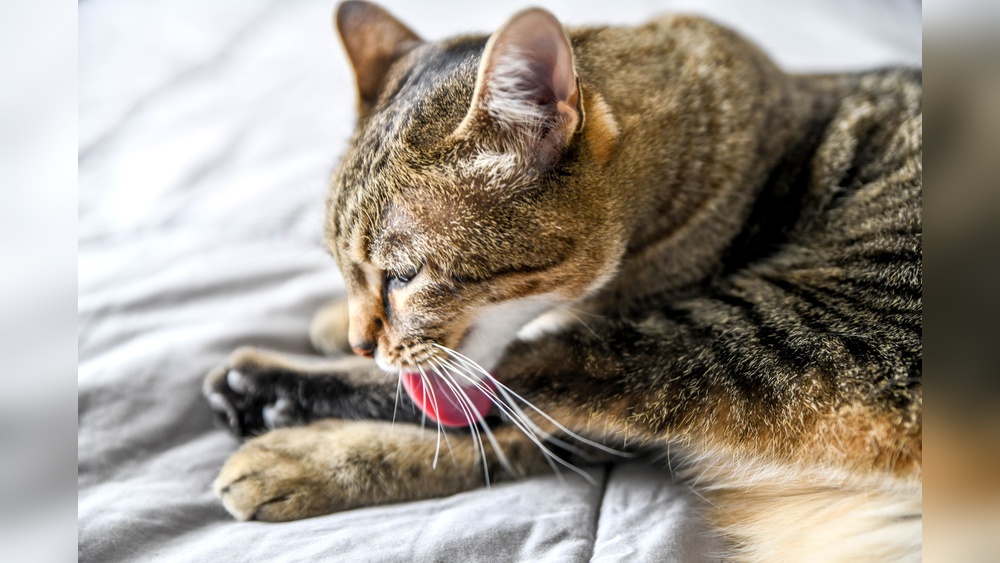
Is your cat grooming itself so much that you’re worried it’s causing harm? You’re not alone.
Excessive grooming can lead to sore spots, hair loss, and even infections. But don’t panic—there are simple, effective ways to help your furry friend stop this behavior. You’ll discover easy steps to protect your cat’s skin and keep them comfortable.
Keep reading, because your cat’s health and happiness depend on what you do next.
Reasons Cats Overgroom
Cats groom themselves to stay clean and healthy. Grooming is normal behavior. But sometimes, cats groom too much. Overgrooming can cause bald spots and skin problems. It can also mean something is wrong. Understanding why cats overgroom helps you stop it. Here are common reasons for overgrooming.
Medical Causes
Skin allergies often make cats itch and scratch. Parasites like fleas cause irritation. Infections can also make skin sore. Pain in joints or muscles may lead to more grooming. Some cats groom to ease pain. Hormone imbalances sometimes cause overgrooming too.
Behavioral Triggers
Stress and anxiety can make cats groom more. Changes in routine or environment can upset cats. Boredom may cause repetitive grooming habits. Some cats groom to comfort themselves. This behavior can turn into a habit. Attention-seeking behavior may also play a role.
Environmental Factors
Poor living conditions affect cat behavior. Dirty or crowded spaces increase stress. Lack of play and exercise leads to boredom. Allergens in the home can cause skin problems. Temperature changes might make cats uncomfortable. All these factors can increase grooming.
:strip_icc()/how-to-stop-cat-over-grooming-554052-07-7b39a0e09f3342a1b63a0f684a7e20e7.jpg)
Credit: www.thesprucepets.com
Identifying Overgrooming Signs
Overgrooming in cats is more than just a habit. It can signal stress, allergies, or health problems. Spotting the signs early helps protect your cat’s skin and fur. Watch closely for changes in your cat’s body and behavior. These clues reveal if grooming has become a problem.
Physical Symptoms
Look for bald patches or thinning fur. Red, irritated skin may appear in spots your cat licks often. Scabs or sores might develop from constant licking or biting. Your cat’s coat can look dull or rough instead of shiny. Swelling or bumps on the skin can also show overgrooming.
Behavioral Changes
Your cat may groom more than usual or in a frantic way. They might lick or bite the same area repeatedly. Restlessness or anxiety can increase with overgrooming. Sometimes, cats hide or avoid playing due to discomfort. Changes in sleep patterns or appetite can also happen.
Veterinary Checkup Importance
Excessive grooming in cats may signal health problems. A veterinary checkup helps find the root cause fast. It can identify skin issues, allergies, or infections causing the behavior.
Early diagnosis prevents worsening conditions. Vets examine your cat thoroughly and may run tests. This ensures proper treatment and relief for your pet.
Detecting Skin Conditions
Skin problems often cause cats to groom too much. Fleas, mites, or fungal infections irritate the skin. A vet can spot these issues and suggest the right medicine. Treating skin conditions stops the urge to over-groom.
Identifying Allergies
Allergies trigger itching and discomfort in cats. Food, pollen, or dust can be the cause. Vets perform allergy tests to find triggers. Avoiding these allergens reduces grooming and improves cat comfort.
Recognizing Stress Or Anxiety
Stress makes cats groom excessively to calm down. Changes in the home or routine cause stress. Vets can help rule out medical causes first. They may recommend behavior changes or calming aids for your cat.
Ensuring Proper Treatment
Self-diagnosing may lead to wrong treatments. Only vets can prescribe safe medicines. They guide on applying creams or giving pills correctly. Proper treatment helps your cat heal faster and feel better.
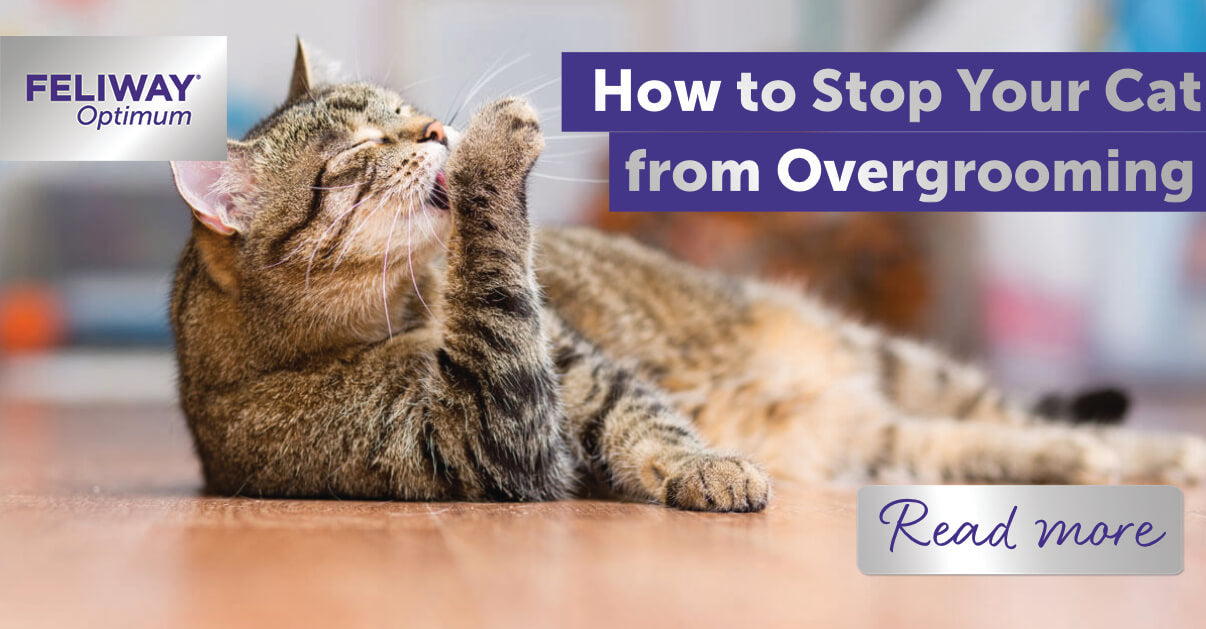
Credit: us.feliway.com
Home Remedies To Reduce Grooming
Excessive grooming in cats can cause skin problems and stress. Home remedies help calm your cat and reduce grooming naturally. These methods focus on comfort and distraction without harsh treatments.
Calming Techniques
Stress often triggers too much grooming. Create a quiet space where your cat feels safe. Soft music or white noise can help soothe your pet. Use gentle petting to relax your cat. Avoid sudden loud noises or changes around your home.
Try natural calming aids like pheromone sprays or diffusers. These mimic cat’s natural scents and reduce anxiety. Herbal remedies like chamomile or valerian may also help. Always check with a vet before using any new product.
Environmental Enrichment
Boredom leads cats to groom too much. Provide toys that stimulate your cat’s mind and body. Puzzle feeders make mealtime fun and slow eating. Create climbing spaces with shelves or cat trees. These encourage exercise and exploration.
Spend daily playtime with your cat. Use feather wands or laser pointers to keep them active. Change toys regularly to keep interest high. A busy cat grooms less and feels happier.
Diet And Nutrition Adjustments
Diet and nutrition play a key role in controlling your cat’s grooming habits. Poor diet can cause skin problems or allergies that make cats lick or scratch too much. Adjusting what your cat eats can help reduce excessive grooming and improve overall health.
Proper nutrition supports healthy skin and fur. It can reduce itchiness and discomfort, which often trigger over-grooming. Feeding balanced meals with the right nutrients can calm your cat and keep its coat shiny.
Choose High-quality Protein Sources
Cats need meat-based protein for strong skin and fur. Select foods with real chicken, fish, or turkey as the main ingredient. Avoid fillers like corn or soy that may cause allergies or irritations.
Include Essential Fatty Acids
Omega-3 and Omega-6 fatty acids help keep skin soft and reduce inflammation. Fish oil supplements or foods rich in these fats can ease dryness and itching. This lowers the urge to groom excessively.
Ensure Adequate Hydration
Dry skin worsens with dehydration. Provide fresh water daily and consider wet cat food. Wet food adds moisture, helping maintain skin health and reducing licking caused by dryness.
Avoid Allergens And Irritants
Food allergies can cause itchiness and skin problems. Common triggers include grains and artificial additives. Choose hypoallergenic or limited-ingredient diets to prevent reactions that lead to over-grooming.
Behavioral Training Tips
Behavioral training is a key step to help your cat stop excessive grooming. Cats groom for many reasons, including stress or boredom. Changing their behavior requires patience and clear methods. Training helps redirect their focus and builds better habits.
Start with gentle and consistent techniques. Reward good behavior and offer distractions. This approach reduces stress and keeps your cat calm. Below are simple tips to guide you through training.
Distraction Methods
Distractions can break the grooming cycle. Offer toys to keep your cat busy. Play with feather wands or laser pointers. These activities redirect their attention away from grooming. Regular playtime lowers anxiety, a common cause of over-grooming.
Change toys often to keep interest high. Use puzzle feeders to engage your cat’s mind. A busy cat grooms less. Create a calm environment with soft music or gentle lighting. This helps reduce stress and grooming urges.
Positive Reinforcement
Reward your cat when they stop grooming. Use treats or gentle petting to show approval. Praise works well too, using a calm voice. This teaches your cat that not grooming can bring rewards.
Be consistent with rewards and timing. Catch your cat in the moment of good behavior. Avoid punishment, as it can increase stress and grooming. Positive reinforcement builds trust and encourages lasting change.
Using Protective Gear
Using protective gear can help stop your cat from over-grooming. It creates a barrier that keeps the cat from reaching certain areas. Protective gear is often a safe and gentle way to prevent damage to your cat’s skin. It also helps during healing after injury or surgery.
Elizabethan Collars
Elizabethan collars, also called e-collars or cones, prevent cats from licking or biting. These collars fit around the neck and extend past the face. They block the cat’s access to most parts of its body. E-collars come in plastic or soft fabric versions. Choose one that fits well but is not too tight. Make sure your cat can eat and drink comfortably while wearing it.
Protective Clothing
Protective clothing covers the cat’s body to stop grooming in specific areas. These include shirts, suits, or wraps made for cats. They are soft and lightweight to keep your cat comfortable. Protective clothing protects wounds or skin problems from scratching. It also helps reduce hair loss from excessive grooming. Select clothing that fits your cat’s size exactly. Change and wash the clothing regularly to keep it clean.
When To Seek Professional Help
Sometimes, a cat’s grooming habits can signal a problem. Knowing when to seek professional help is important for your cat’s health. Excessive grooming may cause skin damage or show underlying issues. A vet or animal behaviorist can diagnose and treat these problems properly.
Pay close attention to your cat’s behavior and physical condition. Early intervention can prevent serious health issues. Here are signs that mean it’s time to ask an expert for help.
Excessive Grooming Causes Bald Patches Or Sores
Look for hair loss or red, raw skin. These signs show grooming has become harmful. A vet needs to check for infections or allergies. Do not wait for the problem to get worse.
Grooming Is Linked To Stress Or Anxiety
Cats may groom too much when stressed. A professional can identify stress triggers. They offer advice or medication to calm your cat. This helps stop the grooming cycle.
Home Remedies Do Not Work
If you tried changing diet, toys, or environment but grooming continues, seek help. Experts can find hidden causes. They use tests and treatments not available at home.
Changes In Your Cat’s Overall Health
Watch for weight loss, lethargy, or changes in appetite. These signs with grooming problems need a vet’s attention. They can rule out serious illness.

Credit: brooklynpetspa.com
Frequently Asked Questions
Why Is My Cat Grooming Excessively?
Excessive grooming may indicate stress, allergies, or skin infections. Monitor behavior and consult a vet if it persists. Early diagnosis helps prevent skin damage and discomfort for your cat.
How Can I Reduce My Cat’s Grooming Habit?
Provide environmental enrichment, regular playtime, and stress relief. Use soothing sprays or calming collars. Consult a vet for medical issues causing over-grooming.
Can Diet Affect My Cat’s Grooming Behavior?
Yes, poor nutrition or food allergies can cause skin irritation. Feed a balanced diet and consider hypoallergenic food after vet advice. Proper nutrition supports healthy skin and reduces grooming.
When Should I Seek Veterinary Help For Grooming?
See a vet if grooming causes bald patches, wounds, or behavioral changes. Persistent over-grooming often signals underlying health problems needing professional treatment.
Conclusion
Stopping your cat from over-grooming takes time and patience. Watch your cat closely to find the cause. Offer toys and activities to keep them busy. Keep their skin healthy with good food and care. Visit the vet if grooming continues or worsens.
Small changes can make a big difference. Your cat will feel happier and more comfortable. Stay calm and consistent. You can help your cat live better every day.