

Bringing a new kitten into your home is exciting, but it also comes with important responsibilities. You want your little furry friend to grow up healthy, happy, and full of energy.
Knowing how to take care of a new kitten can make all the difference in building a strong bond and ensuring your kitten feels safe and loved. You’ll discover simple yet essential tips that will help you provide the best care from day one.
Keep reading to learn how to give your kitten the perfect start in life.
Preparing Your Home
Preparing your home for a new kitten is an important first step. It helps your kitten feel safe and comfortable. A well-prepared space reduces stress for both you and your pet. Setting up the right environment encourages healthy habits and smooth adjustment.
Safe Spaces For Kittens
Create a quiet area just for your kitten. Choose a small room or a cozy corner. Use soft bedding to make it warm and inviting. Keep this space free from loud noises and heavy foot traffic. It helps your kitten feel secure and calm. Provide hiding spots like small boxes or tunnels. Kittens love to explore but need places to retreat.
Essential Supplies
Gather basic supplies before your kitten arrives. Include food and water bowls made of stainless steel or ceramic. Choose high-quality kitten food to support growth. A litter box with low sides is easier for kittens to use. Add a scratching post to protect your furniture. Toys are important for play and exercise. Keep grooming tools like a soft brush ready too.
Kitten-proofing Tips
Remove small objects that kittens might swallow. Secure electrical cords out of reach or cover them. Check for plants that can be toxic to cats and remove them. Close windows and balconies to prevent falls. Keep cleaning products and medications locked away. Block off tight spaces where kittens can get stuck. These steps help keep your kitten safe and happy.
Feeding Your Kitten
Feeding your kitten is a key part of caring for them. Proper nutrition helps kittens grow strong and healthy. Knowing what to feed and when to feed is important. This guide will help you give your kitten the best start.
Choosing The Right Food
Pick food made especially for kittens. Kitten food has more nutrients than adult cat food. Look for high protein and fat content. Wet food is good for hydration and taste. Dry food helps keep teeth clean. Some vets suggest a mix of both. Avoid giving cow’s milk; it can upset their stomach.
Feeding Schedule
Kittens need to eat often because they grow fast. Feed small meals four times a day. At about six months, reduce to three meals daily. Keep feeding times regular to build a routine. Measure food to avoid overfeeding. Watch your kitten’s weight and adjust portions if needed.
Hydration Needs
Water is very important for kittens. Always provide fresh, clean water in a shallow bowl. Change the water daily. Wet food adds some moisture but does not replace water. Teach your kitten to drink from the bowl early. Dehydration can cause serious health problems in kittens.
Health Care Basics
Taking care of a new kitten means focusing on its health. Healthy kittens grow faster and stay happy. Basic health care helps avoid common problems.
Start by understanding the key steps. These steps keep your kitten safe and strong. Learn what to expect and how to act.
Initial Vet Visit
Visit the vet soon after bringing your kitten home. The vet checks for health issues and gives advice. Your kitten gets a full health exam. This visit sets the stage for future care.
The vet may check the kitten’s weight, eyes, ears, and teeth. They also look for parasites or infections. Ask questions about feeding and care during this visit.
Vaccinations And Deworming
Vaccines protect kittens from many serious diseases. Your vet will recommend a vaccination schedule. Follow this schedule carefully for best results.
Deworming removes harmful worms from your kitten’s body. Worms can cause illness and poor growth. Deworming should start early and repeat as advised by the vet.
Recognizing Illness
Watch your kitten closely for signs of sickness. Common signs include vomiting, diarrhea, and loss of appetite. Other symptoms are sneezing, coughing, or lethargy.
Early detection helps treat problems before they get worse. Contact your vet if you notice any unusual behavior or symptoms. Quick action can save your kitten’s life.
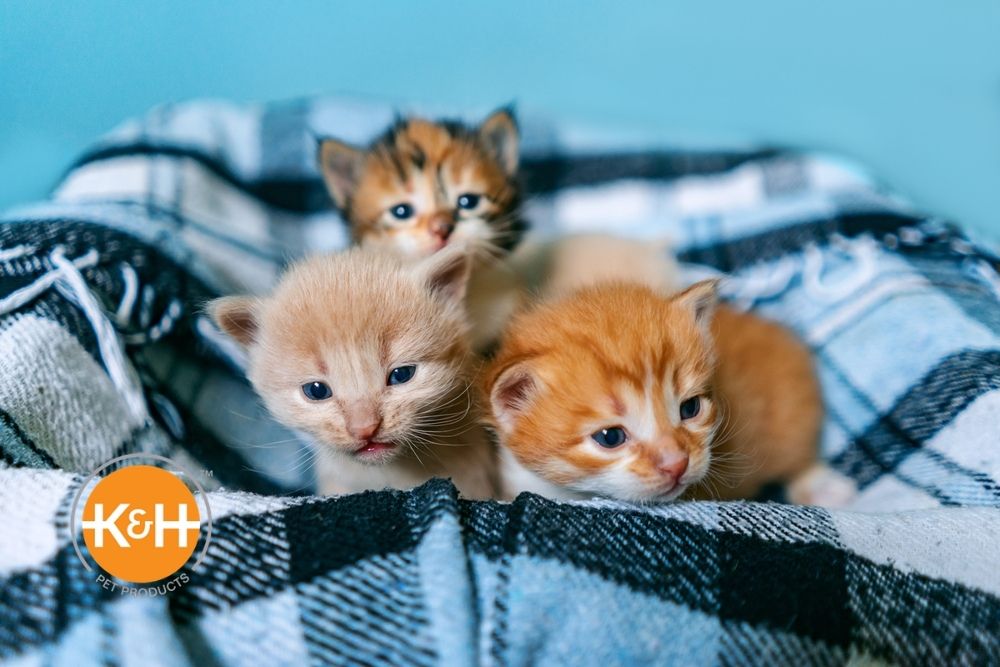
Credit: khpet.com
Litter Training
Litter training is one of the first tasks for new kitten owners. It helps your kitten learn where to go to the bathroom. A good start makes life easier for both of you. Kittens have a natural instinct to bury their waste, so training is usually quick. Setting up the right environment helps your kitten feel safe and comfortable.
Selecting A Litter Box
Choose a litter box that is small and easy to enter. Kittens need low sides to climb in and out without struggle. A box with smooth edges prevents injury. Avoid covered boxes at first; they can scare your kitten. Place the box in a quiet, accessible spot. Keep it away from their food and water bowls.
Litter Types
Use unscented, clumping litter for easy cleaning. Soft, fine-grain litter is gentle on kitten paws. Avoid litters with strong smells or dust, as kittens dislike them. Test a few types to see what your kitten prefers. Change the litter regularly to keep the box fresh. Cleanliness encourages your kitten to use the box.
Training Techniques
Show your kitten where the litter box is right away. Place them in the box after meals and naps. Praise or gently pet your kitten after they use the box. Never punish accidents; it can cause fear. Clean accidents with an enzyme cleaner to remove smells. Patience and consistency help your kitten learn fast.
Socialization And Play
Socialization and play are key to a kitten’s growth. They help your kitten learn how to behave and trust people. Play also keeps your kitten active and happy. Early social experiences make your kitten friendly and confident. This section covers how to encourage interaction, choose safe toys, and bond through handling.
Encouraging Interaction
Spend time with your kitten every day. Talk softly and gently to build trust. Invite your kitten to explore your hands and face. Let your kitten come to you at its own pace. Introduce new people slowly to avoid fear. Positive experiences create a friendly kitten.
Safe Toys For Kittens
Choose toys that are small and light. Avoid toys with small parts that can be swallowed. Soft balls, feather wands, and stuffed mice work well. Rotate toys to keep your kitten interested. Always check toys for damage to prevent injury. Playtime with safe toys helps your kitten develop skills.
Handling And Bonding
Hold your kitten gently but firmly. Pet your kitten on the head and back. Avoid grabbing the tail or paws harshly. Short, calm handling sessions build comfort and trust. Use quiet voices during touch to soothe your kitten. Bonding grows stronger with daily care and affection.

Credit: fairhavenvet.com
Grooming Needs
Grooming is important for your new kitten’s health and happiness. It helps keep their coat clean and shiny. Grooming also prevents skin problems and reduces hairballs. Regular care builds trust and strengthens your bond. Start grooming early to make your kitten comfortable.
Brushing And Bathing
Brush your kitten’s fur gently every few days. Short-haired kittens need less brushing than long-haired ones. Use a soft brush made for kittens. Bathing is rarely needed unless your kitten is very dirty. Use warm water and kitten-safe shampoo. Dry your kitten carefully with a towel. Avoid cold or drafty places after the bath.
Nail Care
Trim your kitten’s nails every two weeks. Use small, sharp nail clippers designed for pets. Hold the paw gently but firmly. Cut only the sharp tips, avoiding the pink area inside the nail. This part has nerves and blood vessels. If unsure, ask a vet or groomer to show you how.
Ear And Eye Cleaning
Check your kitten’s ears weekly for dirt or wax. Use a damp cotton ball to clean the outer ear. Never insert anything deep inside the ear canal. Wipe your kitten’s eyes with a clean, damp cloth. Remove any discharge or crust gently. Persistent redness or discharge needs a vet visit.
Common Challenges
Bringing home a new kitten brings joy and excitement. It also brings some challenges. Knowing these common problems helps you prepare better. You can help your kitten adjust smoothly to their new home.
Understanding these challenges early makes care easier. You will build a strong bond with your kitten. Let’s explore three main challenges many new kitten owners face.
Dealing With Scratching
Kittens scratch to mark their territory and keep claws sharp. Scratching furniture can be frustrating. Provide scratching posts near their favorite spots. Use soft materials to attract them. Trim your kitten’s nails regularly. This reduces damage and discomfort.
Managing Biting
Kittens bite during play or when scared. This behavior is natural but needs control. Offer toys to redirect biting. Avoid using your hands as toys. Say “no” firmly and stop play if biting occurs. Praise gentle behavior to encourage it.
Separation Anxiety
Kittens feel lonely when left alone. They may meow or act restless. Create a safe space with toys and bedding. Spend quality time before leaving. Leave a piece of your clothing with your scent. This comfort helps reduce anxiety and stress.

Credit: www.kinship.com
Frequently Asked Questions
How Often Should I Feed A New Kitten?
Feed your kitten 3 to 4 small meals daily. Use high-quality kitten food rich in nutrients. Fresh water should be available at all times.
When Should I Schedule My Kitten’s First Vet Visit?
Take your kitten to the vet within the first week of adoption. Early check-ups ensure vaccinations, deworming, and health assessments are done promptly.
How Do I Create A Safe Space For My Kitten?
Designate a quiet, warm area with a bed and toys. Keep harmful objects and plants out of reach. This helps your kitten feel secure and comfortable.
What Vaccinations Does A New Kitten Need?
Kittens need vaccines for feline distemper, calicivirus, and rhinotracheitis. Your vet will recommend a vaccination schedule based on age and health.
Conclusion
Caring for a new kitten takes patience and love. Keep their space clean and safe. Feed them good food and fresh water daily. Play with your kitten to help them grow strong. Visit the vet for check-ups and shots. Give your kitten plenty of rest and gentle care.
Watch their behavior to understand their needs better. Small steps build a happy, healthy kitten. Enjoy every moment with your new furry friend.