
Bringing a Himalayan kitten into your home is an exciting experience filled with joy and love. But to keep your fluffy friend happy and healthy, you need to know how to care for them properly.
You might wonder what makes Himalayan kittens special and what they need every day. This guide will help you understand your kitten’s unique needs and show you simple steps to give your pet the best start in life. Keep reading to discover how you can create a safe, comfortable, and loving environment for your new furry family member.

Credit: www.youtube.com
Choosing The Right Supplies
Choosing the right supplies for your Himalayan kitten is very important. The right items keep your kitten healthy and happy. It also makes caring easier. Every kitten has special needs. Supplies must fit those needs well.
Start with basics. Food, litter, and bedding are key. These affect your kitten’s comfort and health a lot. Good supplies help your kitten settle in fast. Poor choices cause problems later.
Selecting Quality Food
Pick food made for kittens. It must have the right nutrients. Protein is very important for growth. Avoid food with too many fillers or artificial ingredients. Wet and dry food both work well. Fresh water should always be available. Change food slowly to avoid tummy upset.
Picking Suitable Litter
Choose litter that clumps well. It makes cleaning easier. Unscented litter is better for sensitive noses. Dust-free types help keep air clean. Your kitten will use the box more if it feels clean. Place the box in a quiet, easy spot.
Finding Comfortable Bedding
Soft bedding helps your kitten feel safe. Use washable materials for easy cleaning. Keep bedding in a warm, quiet area. Avoid rough or scratchy fabrics. Change bedding often to prevent odors and germs. A cozy bed encourages good rest and calm behavior.
:strip_icc()/himalayan-cat-breed-profile-4691062-02-e22d405fca8b4d8fba67aadadd8c48df.jpg)
Credit: www.thesprucepets.com
Feeding Your Kitten
Feeding your Himalayan kitten is key to its growth and health. Proper feeding gives energy and supports strong bones and a shiny coat. A good diet helps your kitten stay active and happy.
Establishing A Feeding Schedule
Set regular meal times for your kitten. Young kittens need feeding four times a day. Gradually reduce to three meals as they grow. Consistent timing helps digestion and builds good habits. Avoid free feeding to control portion sizes.
Balancing Nutrition
Choose high-quality kitten food with protein and fat. Protein is important for muscle growth. Fat provides energy for play and learning. Include some wet food for hydration and taste. Fresh water should always be available.
Avoiding Harmful Foods
Keep your kitten away from toxic foods like chocolate, onions, and garlic. Avoid milk because many cats cannot digest it. Do not give raw meat or bones to prevent illness. Stick to kitten-specific food for safety and health.
Creating A Safe Environment
Creating a safe environment is very important for your Himalayan kitten’s health and happiness. Young kittens are curious and can get into trouble easily. Preparing your home carefully helps protect them from dangers. It also makes your kitten feel comfortable and secure. This section explains how to make your home safe for your new pet.
Kitten-proofing Your Home
Remove small objects that a kitten can swallow. Keep wires and cables out of reach to prevent chewing. Lock away cleaning supplies and medicines. Close windows and doors to stop your kitten from escaping. Cover sharp corners on furniture. Check for any gaps where the kitten can hide or get stuck. These steps reduce risks and keep your kitten safe.
Setting Up Play Areas
Designate a special space for your kitten to play. Use soft mats or rugs to protect their paws. Provide toys that are safe and suitable for kittens. Avoid items with small parts that can be swallowed. Rotate toys often to keep your kitten interested. Make sure the play area is quiet and free from hazards. Playtime helps your kitten grow strong and stay active.
Managing Temperature And Lighting
Himalayan kittens need a warm and cozy space. Keep the room temperature between 70-75°F (21-24°C). Avoid cold drafts from windows and doors. Use soft lighting to create a calm atmosphere. Bright, harsh lights can stress young kittens. Provide a shaded area where your kitten can rest. Proper temperature and lighting support your kitten’s comfort and health.

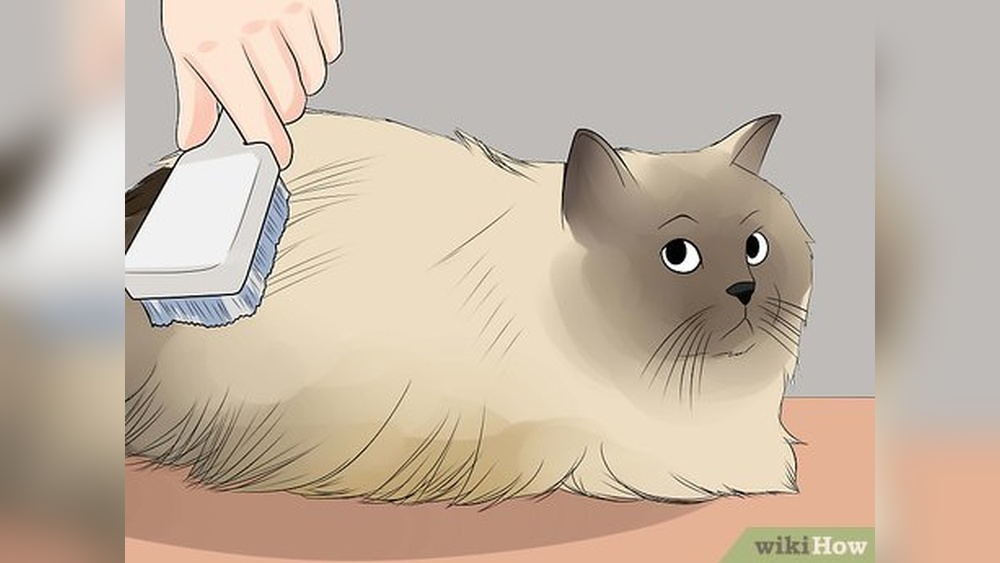
Credit: www.wikihow.com
Grooming Essentials
Grooming your Himalayan kitten is important for their health and happiness. Their soft, thick fur needs regular care to stay clean and tangle-free. Grooming also helps build a strong bond between you and your pet. Start early to make grooming a positive experience for your kitten.
Brushing Techniques
Use a soft-bristle brush or comb to groom your kitten’s fur. Brush gently in the direction of hair growth. Focus on areas like the neck, behind ears, and under the legs. Brushing three to four times a week prevents mats and tangles. It also removes loose hair and dirt.
Bathing Tips
Bath your Himalayan kitten only when needed. Use warm water and a kitten-safe shampoo. Wet the fur gently, avoiding the eyes and ears. Rinse thoroughly to remove all soap. Dry your kitten with a soft towel and keep them warm until fully dry.
Nail And Ear Care
Trim your kitten’s nails every two weeks. Use small pet nail clippers and be careful not to cut too close. Clean ears with a soft, damp cloth or pet ear cleaner. Check ears regularly for dirt or signs of infection. Healthy nails and ears prevent discomfort and health issues.
Health And Vet Care
Taking care of your Himalayan kitten’s health is very important. Good health means a happy, active cat. Regular vet visits help catch problems early. You can keep your kitten strong with proper care.
Scheduling Vaccinations
Vaccinations protect your kitten from serious diseases. The vet will create a vaccination plan. Kittens usually start shots at six to eight weeks old. Follow the schedule carefully to ensure full protection. Keep a record of all vaccines given. This helps the vet track your kitten’s health.
Recognizing Common Illnesses
Know the signs of common illnesses in Himalayan kittens. Watch for sneezing, coughing, or watery eyes. Loss of appetite or lethargy can signal illness. Check for vomiting or diarrhea as well. Early detection helps the vet treat your kitten quickly. Don’t wait if symptoms appear.
Preventing Parasites
Parasites like fleas and worms can harm your kitten. Use vet-recommended treatments to prevent them. Regular flea control keeps your kitten comfortable. Deworming should follow the vet’s advice. Keep your kitten’s living area clean. Parasite prevention supports good overall health.
Socializing And Training
Socializing and training your Himalayan kitten shapes its behavior and happiness. Early social experiences build trust and reduce fear. Training guides your kitten to live well in your home. Both need patience and kindness for best results.
Encouraging Positive Behavior
Praise your kitten when it behaves well. Use gentle words and soft petting. Reward good actions with small treats. Avoid punishment; it can cause fear. Consistent routines help kittens learn quickly. Set clear rules and follow them every day. This teaches your kitten what is okay and what is not.
Introducing To Other Pets
Let your kitten meet other pets slowly. Start with short, calm meetings. Keep your kitten safe and comfortable. Watch their body language carefully. Separate them if either pet seems stressed. Gradually increase the time they spend together. This helps your kitten feel safe around others.
Litter Training Tips
Place the litter box in a quiet spot. Show the kitten where it is after meals and naps. Keep the box clean to encourage use. Use a litter type your kitten likes. Praise the kitten when it uses the box correctly. Be patient; accidents can happen. Clean accidents without strong smells to avoid repeat mistakes.
Monitoring Growth And Development
Monitoring your Himalayan kitten’s growth and development is key to raising a healthy cat. It helps you spot any problems early and make sure your kitten is thriving. Regular checks keep you aware of their health progress. You can notice changes and adjust care as needed. This section guides you on how to track your kitten’s growth effectively.
Tracking Weight And Size
Weigh your kitten weekly using a small scale. Keep a record to see steady growth. Measure their length and height too. This shows physical development. Sudden weight loss or gain needs attention. Healthy kittens grow fast but steadily. Tracking size helps catch health issues early.
Milestones To Watch For
Notice when your kitten starts walking and playing. Teeth should appear around three weeks. Their eyes open between seven and ten days. By eight weeks, they should eat solid food. Social behaviors like grooming others show good development. Missing milestones may mean a vet visit is needed.
Adjusting Care As They Grow
Change food type and amount with age. Young kittens need kitten-specific food for growth. Increase playtime as they get stronger. Provide more space to explore safely. Adjust litter box size and location. Regular vet check-ups help guide care changes. Adapt your care to match their needs.
Frequently Asked Questions
How Often Should I Groom A Himalayan Kitten?
You should groom a Himalayan kitten daily to prevent matting. Their long fur easily tangles, so brushing keeps their coat healthy and clean. Regular grooming also reduces shedding and hairballs, promoting overall comfort and hygiene.
What Is The Best Diet For Himalayan Kittens?
Feed Himalayan kittens a balanced diet rich in protein and nutrients. Choose high-quality kitten food formulated for their growth needs. Avoid overfeeding to prevent obesity and ensure fresh water is always available.
How Do I Keep A Himalayan Kitten Healthy?
Schedule regular vet check-ups and vaccinations. Maintain a clean environment and provide a nutritious diet. Monitor your kitten’s behavior and weight for any health changes. Early detection prevents serious illnesses.
Can Himalayan Kittens Live With Other Pets?
Yes, Himalayan kittens can live with other pets if introduced slowly. Supervise initial interactions and ensure safe spaces for all animals. Proper socialization helps reduce stress and encourages harmonious relationships.
Conclusion
Caring for a Himalayan kitten takes time and patience. Feed them good food and keep their water clean. Brush their fur often to avoid mats and tangles. Give them a safe space to play and sleep. Visit the vet for regular check-ups and vaccines.
Show love and attention every day. These simple steps help your kitten grow healthy and happy. Enjoy the special bond with your Himalayan kitten. It’s worth every moment.