
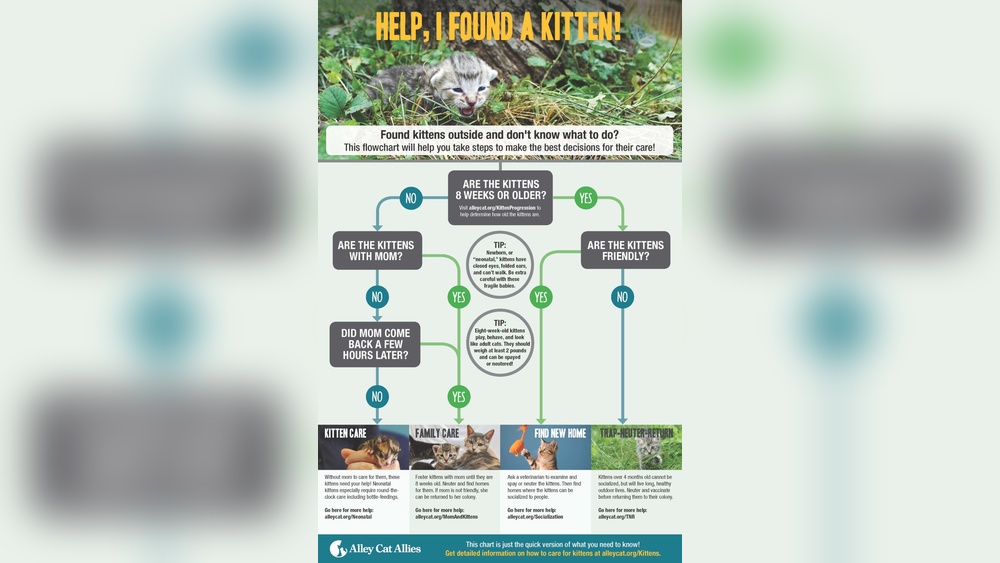
Finding a tiny, helpless stray baby kitten can pull at your heartstrings instantly. You want to help, but you might feel unsure about what to do next.
How do you keep the kitten safe, warm, and healthy? What should you feed it, and when? If you want to give that little life the best chance, this guide is made just for you. Keep reading, and you’ll discover simple, step-by-step ways to care for a stray baby kitten—even if you’ve never done it before.
Your kindness can make all the difference.
Assessing The Kitten’s Condition
Taking care of a stray baby kitten starts with assessing its condition. This step helps you understand what the kitten needs right away. A careful check can save its life and guide your care. Observe the kitten closely to know if it has injuries or signs of illness. Estimating its age and weight also helps plan feeding and care.
Checking For Injuries
Look for wounds, cuts, or swelling on the kitten’s body. Check paws and legs for broken bones or limping. Notice if the kitten is moving or reacting to touch. Watch for signs of pain, like crying or hiding. Clean any dirt or debris gently to see the skin better. Avoid moving the kitten too much if it seems hurt.
Determining Age And Weight
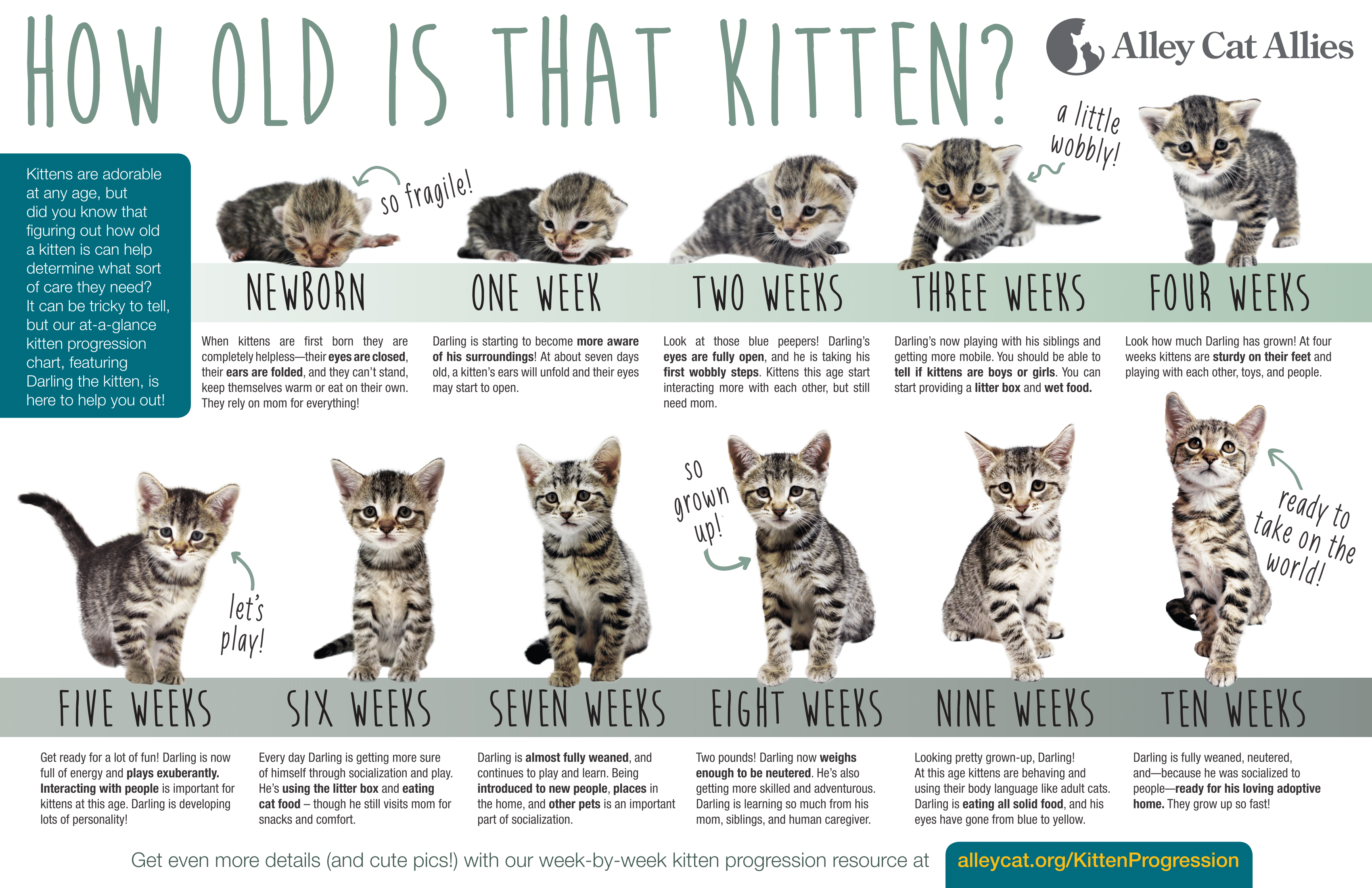
Weigh the kitten using a small scale or kitchen scale. Baby kittens usually weigh between 85 to 115 grams at birth. Check the kitten’s eyes and ears. Eyes open at 7 to 10 days old. Ears start to stand up after two weeks. Teeth appear around 2 to 3 weeks. These signs help estimate the kitten’s age. Knowing age guides feeding frequency and temperature needs.
Identifying Signs Of Illness
Look for runny nose, sneezing, or coughing. Check eyes for redness, discharge, or swelling. Notice if the kitten breathes fast or has trouble breathing. Feel the kitten’s belly for bloating or pain. Observe behavior: weak, sleepy, or not moving much. These signs need quick attention from a vet or animal shelter.
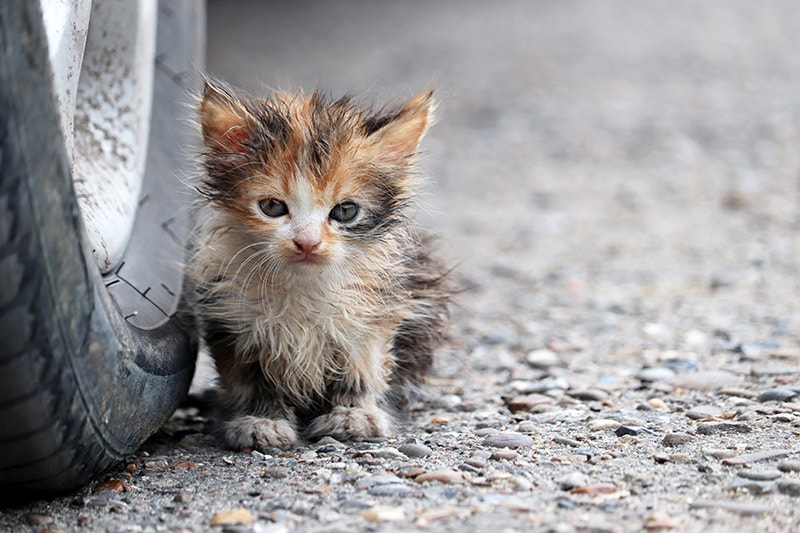
Credit: www.catster.com
Creating A Safe Space
Creating a safe space is the first step in caring for a stray baby kitten. A secure area helps the kitten feel calm and protected. It reduces stress and supports healthy growth. The right environment keeps the kitten warm and comfortable.
Choosing A Warm Shelter
Select a small, enclosed spot for the kitten. A box or pet carrier works well. Place it away from drafts and cold floors. The shelter should keep the kitten cozy and shielded from noise.
Providing Soft Bedding
Use soft materials like old towels or fleece blankets. Avoid rough fabrics that can irritate the kitten’s skin. Change the bedding often to keep it clean and dry. Soft bedding adds extra warmth and comfort.
Ensuring Quiet And Comfort
Keep the space calm and quiet. Loud noises scare kittens and cause stress. Place the shelter in a low-traffic area of the home. Soft lighting and gentle sounds help the kitten feel safe and relaxed.
Feeding The Kitten
Feeding a stray baby kitten is a careful task. The kitten needs the right nutrition to grow healthy and strong. Feeding helps build trust and comfort between you and the kitten. It is important to feed the kitten properly to avoid health problems.
Selecting The Right Milk Replacement
Never give a kitten cow’s milk. It can cause stomach upset and diarrhea. Use a kitten milk replacement formula instead. These formulas have the right nutrients for kittens. You can find them at pet stores or vet clinics. Always check the expiration date before use. Mix the formula with warm water, not hot or cold.
Proper Bottle Feeding Techniques
Use a small kitten feeding bottle or syringe. Hold the kitten gently but firmly. Keep the kitten’s head level or slightly raised. Do not feed the kitten on its back. Let the kitten suckle at its own pace. Avoid forcing the milk, as it can cause choking. Burp the kitten by gently rubbing its back after feeding.
Feeding Schedule And Amounts
Newborn kittens need feeding every 2 to 3 hours. As they grow, space feedings to every 4 to 6 hours. Watch the kitten’s weight and energy for signs of enough food. Usually, 5 to 7 milliliters per feeding is enough at first. Increase the amount slowly as the kitten grows. Keep a feeding log to track times and amounts.
Credit: care-cats.org
Maintaining Hygiene
Keeping a stray baby kitten clean and healthy is very important. Good hygiene helps prevent infections and keeps the kitten comfortable. It also supports its growth and well-being during this delicate stage. Simple daily care routines can make a big difference.
Cleaning The Kitten
Use a soft, damp cloth to gently wipe the kitten’s fur. Focus on removing dirt and any sticky spots. Avoid using soap or shampoo unless a vet advises it. Keep the kitten warm during and after cleaning. This prevents chills and stress.
Stimulating Elimination
Young kittens cannot go to the bathroom alone. After each feeding, gently rub the kitten’s belly and bottom with a warm, damp cotton ball. This helps the kitten pee and poop. Do this for a few minutes until the kitten eliminates waste.
Sanitizing Feeding Equipment
Clean bottles, nipples, and bowls after every use. Wash them with hot water and mild dish soap. Rinse well to remove soap residue. Boil the equipment regularly to kill germs. Dry everything completely before the next feeding.
Monitoring Health And Growth
Taking care of a stray baby kitten means watching its health and growth closely. This step is very important. It helps you know if the kitten is doing well or needs help. Small kittens grow fast, and checking them often keeps them safe.
Tracking Weight Gain
Weigh the kitten every day at the same time. Use a small scale or kitchen scale. Write down the weight to see progress. A healthy kitten gains about 10 to 15 grams daily. If weight stays the same or drops, it may be sick or not eating enough.
Recognizing Warning Signs
Look for changes in behavior or body. Weakness, shivering, or constant crying are bad signs. Check the eyes and nose for discharge or redness. Watch for diarrhea or vomiting. A kitten that does not eat or sleep well needs attention. These signs show the kitten might be sick.
When To Seek Veterinary Care
Take the kitten to a vet if you see warning signs. Also visit if weight drops for two days straight. If the kitten has trouble breathing or is very weak, act fast. A vet can give medicine or special care. Early help improves the kitten’s chance to survive.

Credit: dentalresearch.org.au
Socializing And Comforting
Socializing and comforting a stray baby kitten is key to helping it feel safe. Kittens need gentle care to grow confident and happy. This stage shapes how they trust humans and explore their world.
Patience and kindness build a strong bond. Quiet moments and soft touches calm the kitten’s nerves. Play and interaction help the kitten learn and enjoy company.
Handling With Care
Pick the kitten up gently. Support its body with both hands. Avoid sudden moves or loud noises. Speak softly to soothe the kitten’s fear. Let the kitten sniff your hand first. Keep handling brief at first. Slowly increase time as the kitten relaxes.
Encouraging Play And Interaction
Use small toys to catch the kitten’s attention. Move toys slowly to mimic prey. Play helps build the kitten’s muscles and mind. It also reduces fear and stress. Offer soft, safe toys like small balls or feather wands. Praise the kitten with a calm voice during play. Give breaks so the kitten doesn’t get tired.
Building Trust And Bonding
Spend quiet time near the kitten without touching. Let the kitten come to you. Offer gentle pets on the head or back. Hold the kitten close to your chest when it feels safe. Feed the kitten by hand sometimes. Use treats to encourage positive feelings. Trust grows with patience and daily care.
Preparing For Adoption Or Release
Preparing a stray baby kitten for adoption or release is a careful process. It helps the kitten live a healthy and happy life. This phase involves teaching the kitten important skills and finding a safe place for its future.
Each step must be done patiently. The kitten learns to eat, use the litter box, and feel comfortable in its new home. These skills improve the chances of a smooth transition.
Weaning Onto Solid Food
Start by offering soft, wet kitten food. Mix it with kitten formula to make it easier to eat. Gradually reduce the formula as the kitten eats more solid food. Offer small amounts several times a day. Watch for signs the kitten is ready to eat alone. This helps the kitten grow strong and healthy.
Litter Training Tips
Place a shallow litter box near the kitten. Use unscented, non-clumping litter. Gently place the kitten in the box after meals and naps. Praise the kitten softly when it uses the litter box. Keep the box clean to encourage use. This teaches good habits for any home.
Finding A Safe Home
Look for a quiet, calm place for the kitten. Check if the new home can provide food, shelter, and care. Meet the new caretakers and explain the kitten’s needs. A safe home reduces stress and helps the kitten adjust. It ensures the kitten’s well-being and happiness.
Frequently Asked Questions
How Do I Feed A Stray Baby Kitten?
Feed the kitten with kitten formula using a bottle. Avoid cow’s milk as it causes digestive issues. Warm the formula to body temperature before feeding. Feed every 2-3 hours, including nighttime. Consult a vet for proper feeding techniques and amounts.
When Should I Take A Stray Kitten To The Vet?
Take the kitten to a vet within 24-48 hours. Early checkups help detect infections, parasites, and health issues. The vet can advise on vaccinations and deworming schedules. Immediate care improves the kitten’s survival chances and overall health.
How Do I Keep A Stray Baby Kitten Warm?
Use a heating pad set on low, wrapped in a towel. Provide a cozy, draft-free space with soft blankets. Kittens cannot regulate their body temperature well. Check regularly to avoid overheating. Maintaining warmth is crucial for their growth and comfort.
Can I Socialize A Stray Baby Kitten?
Yes, gently handle the kitten daily to build trust. Use soft voices and slow movements to avoid stress. Socialization helps kittens adapt to humans and other pets. Early interaction improves their chances of adoption and a happy life.
Conclusion
Taking care of a stray baby kitten requires patience and kindness. Feed it warm milk often and keep it safe. Clean the kitten gently and watch for signs of sickness. Give love and comfort to help it feel secure. Small steps make a big difference in its life.
Caring for a tiny kitten can be hard but very rewarding. Remember, your care helps the kitten grow strong and healthy. Keep learning and stay gentle with your new little friend.