
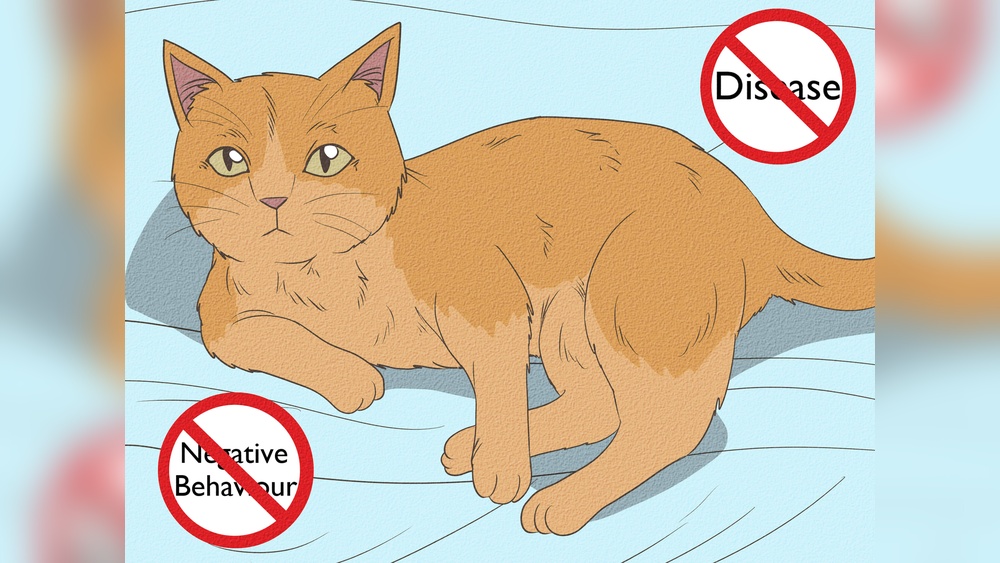
Your kitten just got neutered, and now you want to make sure they recover smoothly and stay happy. Taking care of your furry friend after surgery can feel a bit overwhelming, but with the right steps, you can help your kitten heal quickly and comfortably.
In this guide, you’ll discover simple, effective ways to support your kitten’s recovery, avoid common mistakes, and keep them safe and content. Keep reading to learn exactly what your kitten needs from you during this important time.
Post-surgery Care
Post-surgery care is vital for your kitten’s quick and safe recovery. After neutering, your kitten needs gentle care and close attention. This helps prevent infection and discomfort. It also ensures your kitten heals well and feels comfortable.
Setting Up A Comfortable Space
Create a quiet, warm spot for your kitten to rest. Use soft bedding to keep them cozy. Keep the area free from loud noises and other pets. Limit your kitten’s movement to avoid strain on the surgery site. Make sure fresh water and food are nearby for easy access.
Monitoring Incision Site
Check the incision area twice a day. Look for redness, swelling, or discharge. These signs may show infection or irritation. Prevent your kitten from licking or biting the incision. Use an Elizabethan collar if needed. Contact your vet if you notice anything unusual.
Managing Pain And Discomfort
Your vet may give pain medicine for your kitten. Give all medications exactly as directed. Watch for signs of pain like hiding or restlessness. Keep your kitten calm and avoid rough play. Gentle petting can help soothe them during recovery.
Feeding And Hydration
After your kitten is neutered, feeding and hydration need special care. Proper food and water help healing and keep your kitten strong. Pay attention to what and how much your kitten eats and drinks. This supports quick recovery and avoids health problems.
Adjusting Diet After Surgery
Your kitten’s appetite may change after surgery. Offer small, light meals at first. Soft, easy-to-digest food is best. Avoid rich or heavy food that can upset the stomach. Gradually return to normal feeding over a few days. Follow your vet’s advice on diet and portions. Keep the food fresh and clean. Watch for any signs of discomfort or refusal to eat.
Encouraging Water Intake
Hydration is very important after neutering. Make fresh water available at all times. Change the water regularly to keep it clean. Try placing multiple water bowls in different spots. Some kittens prefer running water from a pet fountain. You can also offer wet food to increase fluid intake. Encourage your kitten gently to drink more often. Proper hydration helps prevent urinary problems and speeds healing.
Activity And Rest
After neutering, your kitten needs a balance of activity and rest for quick healing. Managing their movements helps prevent injury and reduces stress on the surgery site. Rest supports the body’s natural healing process and keeps your kitten comfortable.
Limiting Physical Activity
Keep your kitten calm and quiet. Avoid running, jumping, and climbing. These actions can open stitches or cause pain. Use a small room or a crate to limit space. Remove toys that encourage rough play. Watch your kitten closely to stop any sudden moves. Short, gentle walks inside are fine after a few days.
Providing Plenty Of Rest
Create a soft, warm resting area for your kitten. Use blankets or a pet bed in a quiet spot. Make sure the space feels safe and secure. Rest helps reduce swelling and speeds healing. Let your kitten sleep as much as needed. Do not force activity or play. Calmness is key for a smooth recovery.

Credit: www.wikihow.com
Preventing Infection
After neutering, preventing infection is very important. The surgery area needs special care to heal well. Cleanliness and watching for problems help your kitten stay healthy. This section explains how to keep the area clean and how to spot infection early.
Keeping The Area Clean
Keep the surgery site dry and clean. Use a soft cloth or gauze with warm water. Gently wipe around the area without touching stitches. Avoid baths or letting the kitten swim for two weeks. Change bedding daily to reduce germs. Prevent your kitten from licking the wound by using a cone if needed.
Recognizing Signs Of Infection
Look for redness, swelling, or warmth near the surgery spot. Pus or bad smells also indicate infection. If your kitten acts tired or stops eating, check the wound. Watch for fever or unusual behavior. Contact your vet quickly if you see these signs. Early care prevents serious problems.
Using Protective Gear
After your kitten has been neutered, protecting the surgery site is very important. Using protective gear helps stop your kitten from licking or scratching the area. This care helps prevent infection and speeds up healing.
Choosing The Right E-collar
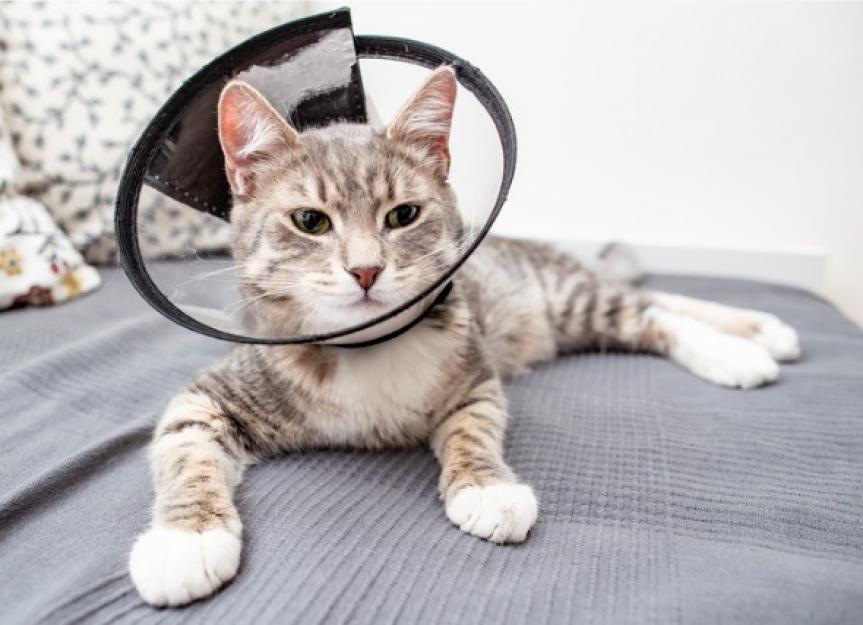
The traditional e-collar, also called a cone, stops your kitten from reaching the surgery site. Choose a collar that fits well but is not too tight. Soft plastic or fabric collars can be more comfortable than hard plastic ones. Make sure your kitten can eat and drink with the collar on. Check the collar often to keep it clean and safe.
Alternatives To Traditional Collars
Some kittens do not like the hard plastic cones. Soft collars made of fabric or inflatable collars can be good options. These allow more movement and comfort. Another option is a surgical recovery suit. It covers the surgery area fully and stops licking. These alternatives work well but always watch your kitten to ensure they stay safe.
Follow-up Care
After your kitten is neutered, follow-up care is very important. It helps your kitten heal well and stay healthy. Careful attention in the days after surgery can prevent problems. This section explains how to manage follow-up care properly.
Scheduling Vet Checkups
Set up a vet visit a few days after surgery. The vet will check the healing progress. They look for signs of infection or complications. Follow the vet’s advice on when to return for more visits. These checkups keep your kitten safe and comfortable.
When To Contact The Vet
Watch your kitten closely for any unusual signs. Contact the vet if you see swelling, redness, or discharge at the surgery site. Also call if your kitten has a fever or stops eating. Sudden behavior changes or constant licking of the wound need a vet’s care. Early help can stop small problems from getting worse.
Behavioral Changes
Neutering can cause some changes in your kitten’s behavior. These changes are normal and show your kitten is healing. Watching these signs helps you care better for your pet. Understanding what to expect makes the recovery easier. Your kitten might act differently for a few days or weeks. Patience and care will help your kitten feel safe and loved.
What To Expect After Neutering
Your kitten may become calmer after neutering. Playfulness might reduce for a short time. Some kittens sleep more to recover. Your kitten might lick the surgery area. This is normal but watch for too much licking. Appetite can change; some kittens eat less. Mild grumpiness or hiding is common. These behaviors usually pass in a few days.
Helping Your Kitten Adjust
Give your kitten a quiet, cozy space to rest. Keep toys nearby but avoid rough play. Offer food and water gently and often. Check the surgery site daily for redness or swelling. Speak softly to soothe your kitten. Avoid loud noises and sudden movements. Spend calm time together to build trust. Offer gentle petting if your kitten wants it. These steps help your kitten feel safe and heal well.

Credit: www.millplainvet.com
Credit: www.petmd.com
Frequently Asked Questions
How Long Should I Keep My Kitten Indoors After Neutering?
Keep your kitten indoors for at least 7-10 days after neutering. This prevents infections and helps monitor healing. Avoid outdoor activity until the vet confirms full recovery.
What Signs Indicate My Kitten’s Neutering Recovery Issues?
Watch for swelling, redness, or discharge around the incision. Excessive licking, lethargy, or loss of appetite may signal problems. Contact your vet immediately if you notice these signs.
How Can I Manage My Kitten’s Pain Post-neutering?
Use vet-prescribed pain relief as directed. Provide a quiet, comfortable space for rest. Avoid giving human medications as they can be harmful to kittens.
When Can My Kitten Resume Normal Activities After Neutering?
Kittens usually resume normal activities in 10-14 days. Limit jumping and running during recovery to protect the incision. Follow your vet’s specific advice for your kitten’s case.
Conclusion
Taking care of your kitten after neutering helps them heal fast. Keep their area clean and quiet. Watch for any signs of pain or swelling. Give the right food and fresh water daily. Let your kitten rest and avoid rough play.
Follow the vet’s advice carefully. Small steps make a big difference in recovery. Your kitten will feel better soon and stay healthy. Caring for them with patience shows love and keeps them happy. Stay calm and gentle throughout the healing process.