
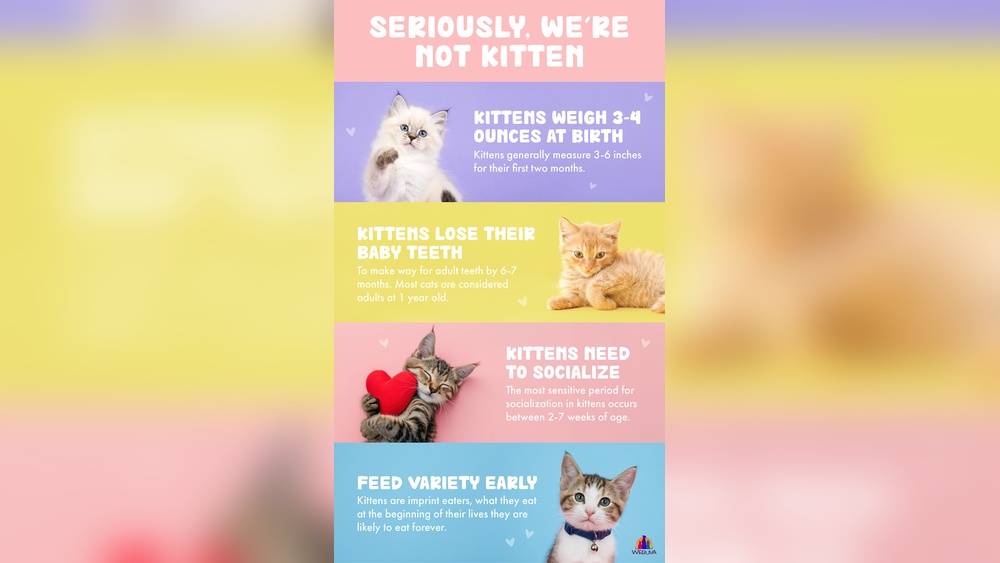
Bringing a kitten into your home is an exciting experience, but it also comes with important responsibilities. You want to make sure your furry friend grows up healthy, happy, and full of energy.
Taking good care of your kitten isn’t just about feeding and playing—it’s about creating a safe and loving environment where they can thrive. You’ll discover simple yet effective tips that will help you become the best caretaker your kitten could ask for.
Keep reading to learn how to give your kitten the care they deserve and build a strong bond that lasts a lifetime.
Choosing The Right Kitten
Choosing the right kitten is the first step to a happy pet relationship. A good choice ensures your new friend will grow healthy and joyful. Think about health, personality, and your home environment. These factors shape your kitten’s future well-being and comfort.
Selecting A Healthy Kitten
Pick a kitten with bright eyes and a clean nose. Their coat should be shiny and free of bald spots. Watch them move; active kittens often show good health. Avoid kittens with coughing or sneezing. Check if their belly is soft, not bloated. Ask the seller or shelter about vaccinations and vet visits.
Considering Personality Traits
Kittens have unique personalities. Some are playful, others calm. Choose a kitten that matches your lifestyle. Active homes suit lively kittens. Quiet homes fit gentle, shy kittens better. Spend time with each kitten to see how they react to you. This helps find a good match for your family.
Preparing Your Home
Make your home safe for a curious kitten. Remove small objects they could swallow. Keep wires and cords out of reach. Set up a cozy bed in a quiet corner. Provide food and water dishes in an easy spot. Create a litter box area that is clean and private. Prepare toys to keep your kitten busy and happy.

Credit: www.bluebuffalo.com
Feeding Your Kitten
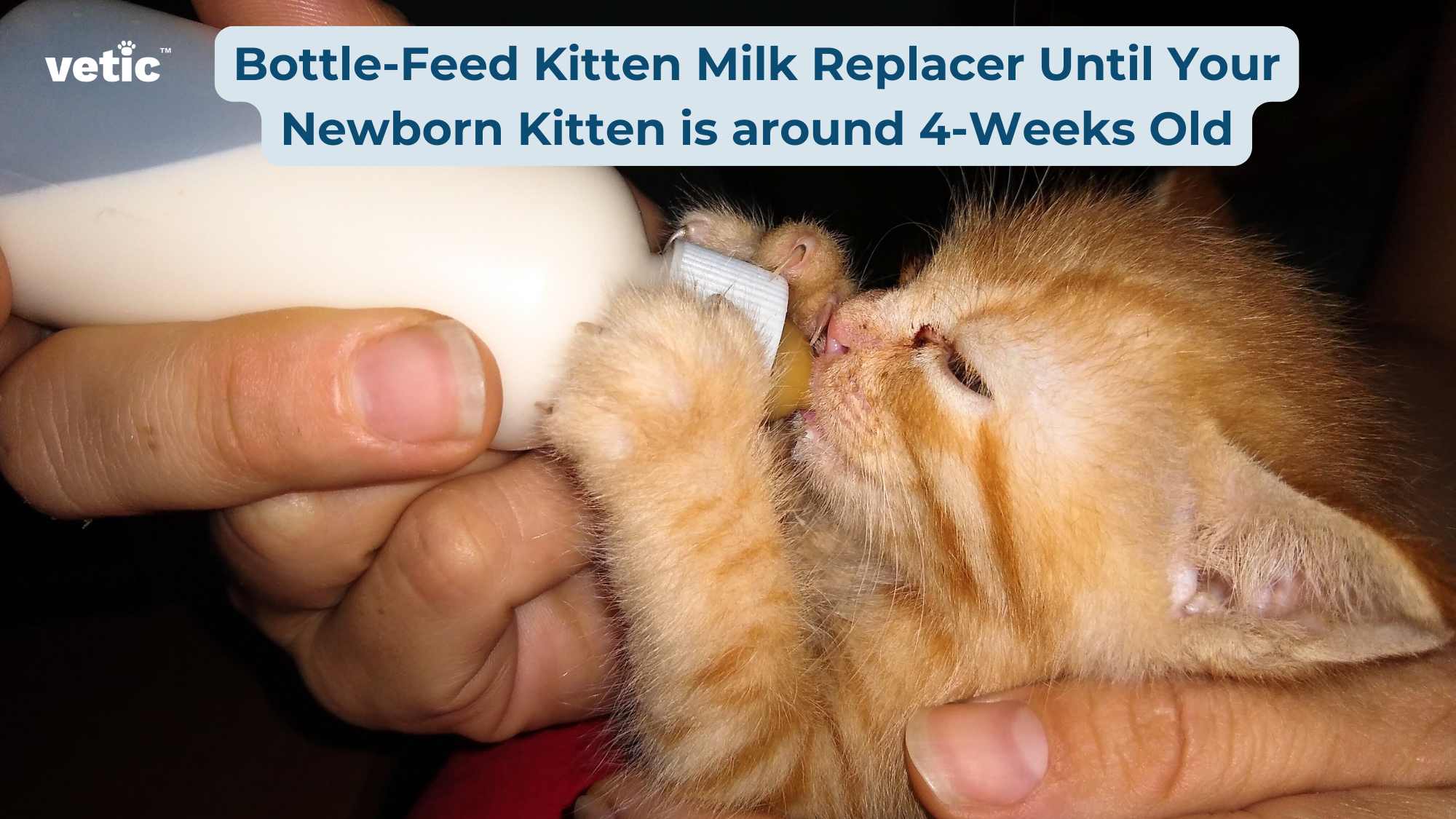
Feeding your kitten properly is important for its health and growth. A good diet helps build strong bones and muscles. It also supports a healthy immune system. Knowing what to feed and when to feed can make a big difference. This guide helps you understand the basics of kitten nutrition.
Best Diet For Growth
Kittens need food high in protein and fat. These nutrients give them energy and help their bodies grow. Choose kitten-specific food rather than adult cat food. Kitten food has extra vitamins and minerals. Wet food can be easier for kittens to eat. Dry food helps keep their teeth clean. Mix both types for a balanced diet.
Feeding Schedule Tips
Kittens eat small meals often. Feed them 3 to 4 times a day. Keep portion sizes small but frequent. Gradually reduce the number of meals as they grow. Fresh water should always be available. Use clean bowls for food and water. Consistent feeding times create a good routine.
Foods To Avoid
Some foods can harm kittens. Avoid giving chocolate, caffeine, and alcohol. Onions, garlic, and grapes are toxic too. Do not feed raw meat or bones. Avoid dairy products as many kittens are lactose intolerant. Human junk food lacks nutrients and can cause illness. Stick to kitten-safe foods only.
Creating A Safe Environment
Creating a safe environment is key to your kitten’s happiness and health. A kitten’s world is full of new sights and sounds. They explore with curiosity and need protection from hazards. Setting up a safe space helps your kitten feel secure and comfortable. It also prevents accidents and injuries. Simple steps make a big difference in kitten care.
Kitten-proofing Your Home
Remove small objects that kittens can swallow or choke on. Keep electrical cords out of reach or cover them. Secure windows and balconies to stop falls. Lock away cleaning supplies and medicines. Check for places where kittens might get stuck or hide. Close toilet lids and cover trash cans. This keeps your kitten safe from harm.
Safe Play Areas
Designate a quiet room or corner for your kitten to play. Use soft bedding and safe toys made for cats. Avoid toys with small parts that can come loose. Make sure the area is free from sharp edges or objects. Supervise playtime to prevent rough behavior. A safe play zone encourages healthy activity and fun.
Essential Supplies
Provide a clean litter box in a private spot. Choose food and water bowls that are sturdy and easy to clean. Get a scratching post to protect your furniture. Offer cozy beds for naps and rest. Keep grooming tools like brushes and nail clippers handy. These supplies support your kitten’s well-being every day.
Credit: vetic.in
Health And Vet Care
Taking good care of your kitten’s health is key to a happy life. Regular vet visits keep your kitten strong and safe. Early care helps prevent many health problems. Learn the basics of kitten health and vet care here.
Vaccination Schedule
Kittens need vaccines to protect against serious diseases. Start vaccinations at six to eight weeks old. Your vet will give shots every three to four weeks. Core vaccines include rabies, feline distemper, and respiratory infections. Follow the full schedule for best protection. Keep a record of all vaccines given.
Common Health Issues
Kittens may face health problems like fleas, worms, and eye infections. Watch for sneezing, coughing, or watery eyes. Loss of appetite or lethargy can signal illness. Visit the vet if you see these signs. Early treatment helps kittens recover quickly and fully.
Spaying And Neutering
Spaying or neutering your kitten prevents unwanted litters. The procedure also lowers risks of some cancers. Most vets recommend spaying or neutering at five to six months old. It helps reduce spraying and roaming behaviors. Ask your vet about the best time for your kitten.
Litter Training Basics
Litter training is essential for every kitten owner. It helps keep your home clean. It also teaches your kitten good habits early. Kittens learn quickly with the right tools and guidance. Patience and consistency are key to success.
Choosing The Right Litter Box
Pick a litter box that fits your kitten’s size. It should be easy to enter and exit. Avoid boxes with high sides at first. Kittens prefer a small, open box to start. Clean the box daily to keep it inviting. Place it in a quiet, low-traffic area. Avoid spots near food or water bowls.
Training Techniques
Show your kitten where the box is. Gently place them inside after meals and naps. Praise and pet your kitten when they use the box. Keep a regular feeding schedule to predict bathroom times. Use soft, unscented litter for comfort. Avoid punishment; it can cause fear. Repeat these steps every day for best results.
Handling Accidents
Accidents happen. Clean messes quickly with an enzyme cleaner. This removes odors and stops repeat accidents. Never scold your kitten; it may cause stress. Instead, guide them gently back to the litter box. Watch for patterns to help adjust training. Patience and calmness build trust and success.
Socializing Your Kitten
Socializing your kitten is key to raising a happy and confident cat. Early social experiences shape how your kitten behaves around people and other pets. A well-socialized kitten adapts easily to new environments and feels secure. It also helps prevent fear and aggression later in life. Start socializing as soon as your kitten is comfortable in your home.
Introducing To Family Members
Let your kitten meet family members one at a time. Keep meetings calm and quiet. Allow your kitten to approach on its own. Use soft voices and gentle petting. Avoid sudden movements that might scare your kitten. Encourage family members to offer treats. This creates positive feelings during introductions. Repeat visits often to build trust. Gradually, your kitten will enjoy being around everyone.
Interacting With Other Pets
Introduce your kitten slowly to other pets in the house. Keep the first meetings short and controlled. Use a leash or carrier if needed. Watch for signs of stress from any pet. Reward calm and gentle behavior with treats. Never force interactions or leave pets alone at first. Over time, your kitten and other pets will learn to share space safely. Positive early experiences help build good relationships.
Encouraging Positive Behavior
Use praise and treats to reward good behavior. Play gently to teach your kitten social skills. Redirect biting or scratching to toys. Avoid yelling or punishment, which causes fear. Set clear boundaries with patience and consistency. Teaching your kitten how to behave helps them feel secure. Positive habits start early and last a lifetime.
Grooming And Hygiene
Good grooming and hygiene keep your kitten healthy and happy. Regular care prevents health problems. It also strengthens your bond with your kitten. Focus on brushing, bathing, nail trimming, and dental care. These steps help your kitten look and feel great.
Brushing And Bathing
Brushing removes loose fur and dirt. It stops hairballs and matting. Use a soft brush made for kittens. Brush gently to avoid hurting their skin. Bathing is rarely needed. Only bathe if your kitten is very dirty. Use warm water and kitten-safe shampoo. Dry your kitten well after the bath.
Nail Trimming Tips
Trim nails carefully to avoid pain. Use small, sharp pet nail clippers. Cut only the sharp tip, not the pink part. The pink part has nerves and blood vessels. Hold your kitten gently but firmly. Trim nails every two weeks. Reward your kitten with treats after trimming.
Dental Care
Healthy teeth prevent bad breath and illness. Brush your kitten’s teeth with a soft toothbrush. Use toothpaste made for cats only. Start slowly and be gentle. Clean teeth two or three times a week. Offer dental treats to help keep teeth clean. Regular dental care is key for your kitten’s health.
Playtime And Exercise
Playtime and exercise are vital for your kitten’s health and happiness. Kittens have lots of energy. They need ways to use it. Play helps them learn and grow strong. It also stops bad behavior caused by boredom.
Choosing Toys
Select toys that are safe and fun for kittens. Small balls, feather wands, and soft mice work well. Avoid toys with small parts that kittens can swallow. Change toys often to keep your kitten interested. Simple items like crumpled paper can also entertain.
Interactive Play Ideas
Spend time playing with your kitten every day. Use a wand or string to mimic prey movements. Let your kitten chase and pounce. Hide treats in toys to encourage hunting. Create tunnels or boxes for exploring. Play sessions should last 10 to 15 minutes.
Importance Of Physical Activity
Exercise keeps kittens healthy and prevents weight gain. It strengthens muscles and bones. Active kittens sleep better and feel less stressed. Play helps improve their coordination and reflexes. Regular activity builds a strong bond between you and your kitten.
Credit: www.sanjoseca.gov
Frequently Asked Questions
How Often Should I Feed My Kitten Daily?
Kittens need to eat small meals 3 to 4 times a day. Frequent feeding supports their fast growth and energy needs. Always provide fresh water alongside meals to keep them hydrated and healthy.
What Vaccinations Does My Kitten Need?
Kittens require core vaccines like FVRCP and rabies. These protect against common and serious diseases. Consult your vet for a vaccination schedule based on your kitten’s age and lifestyle.
How Do I Litter Train My Kitten Effectively?
Place your kitten in the litter box after meals and naps. Use a clean, accessible box with suitable litter. Praise and reward your kitten when it uses the box to reinforce good behavior.
When Should I Start Socializing My Kitten?
Begin socialization between 2 to 7 weeks old for best results. Introduce gentle handling, new people, and safe environments gradually. Proper socialization helps kittens become confident and well-adjusted adults.
Conclusion
Caring for your kitten takes time and patience. Give them love and a safe space to grow. Feed them healthy food and keep their water fresh. Play with your kitten daily to keep them happy. Regular vet visits help catch health issues early.
Clean their litter box often for a healthy home. Watch your kitten’s behavior to understand their needs. Small steps make a big difference in their life. Enjoy every moment with your new furry friend. Taking good care creates a strong bond for years.