
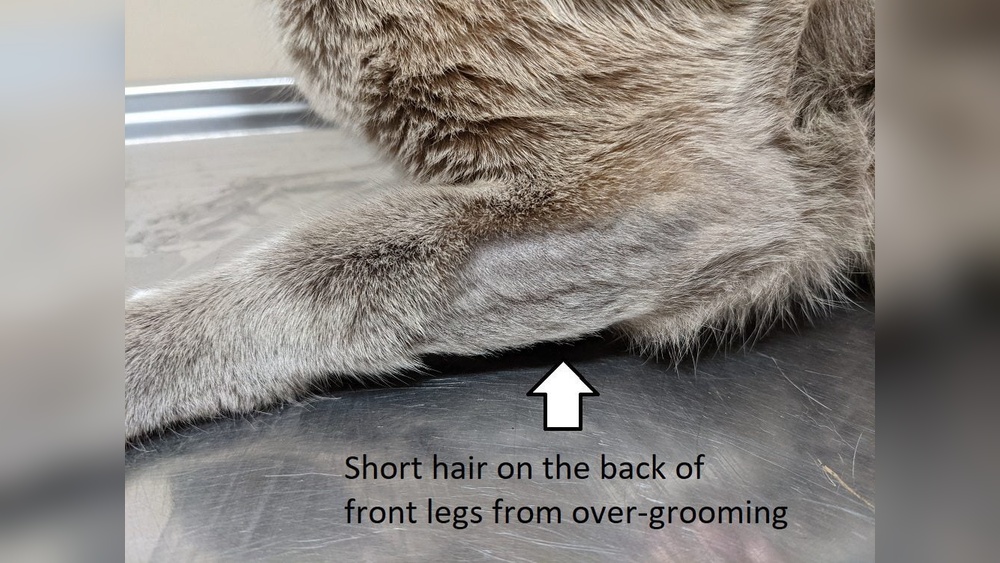
Have you noticed your cat licking or biting its fur more than usual? Over grooming can be a sign that something is wrong, but it’s not always easy to tell.
You might worry if your furry friend is hurting themselves or feeling stressed. Understanding the signs of over grooming can help you protect your cat’s health and happiness. You’ll learn how to spot the warning signals and what you can do to help your cat feel better.
Keep reading to make sure your pet stays comfortable and cared for.

Credit: www.wikihow.pet
Signs Of Over Grooming
Over grooming in cats can cause many problems. It damages their skin and fur. You must know the signs to help your cat. Spotting over grooming early keeps your cat healthy and happy.
Bald Patches And Hair Loss
Bald patches appear where the cat licks too much. Hair loss can be small or large areas. These spots often look smooth and shiny. Hair loss shows the cat’s skin is hurting.
Redness And Skin Irritation
Red skin is a clear sign of over grooming. The skin may look inflamed or swollen. Sometimes, you can see scabs or sores. These signs show the cat’s skin needs care.
Frequent Licking And Biting
A cat that licks or bites often may be over grooming. You may hear them licking for long times. Biting can cause wounds or raw spots. This behavior means stress or pain.
Behavioral Changes
Changes in behavior can mean over grooming. Cats may hide more or become nervous. They might stop playing or eating well. Watch your cat’s mood and habits closely.

Credit: www.reddit.com
Common Causes
Over grooming in cats can happen for several reasons. Knowing the common causes helps you understand why your cat behaves this way. It also guides you to find the right solution quickly.
Stress And Anxiety
Cats often groom themselves to calm down. Stress from changes in the home or loud noises can cause over grooming. Anxiety can make them lick or bite their fur too much. This behavior is their way to cope with fear or discomfort.
Allergies And Skin Conditions
Allergies can irritate your cat’s skin. Food, dust, or pollen may cause itching. Cats scratch and lick the itchy areas often. Skin conditions like dermatitis also lead to over grooming. These make the skin sore and inflamed.
Parasites And Infections
Fleas, ticks, and mites cause severe irritation. Cats try to remove these pests by grooming excessively. Infections from wounds or bites can also cause over grooming. The skin becomes tender and the cat licks to soothe it.
Pain Or Discomfort
Injury or arthritis can make certain spots painful. Cats focus on these areas and groom more than usual. Over grooming may be a sign of hidden pain. It helps reduce discomfort but can harm the skin.
Diagnosing Over Grooming
Diagnosing over grooming in cats requires careful observation and professional help. It is important to identify the root cause to provide the right treatment. Over grooming can lead to skin damage and discomfort for your cat. Early diagnosis helps prevent serious health problems.
Veterinary Examination
A vet will perform a full physical check of your cat. They look for skin wounds, hair loss, or infections. The vet asks about your cat’s habits and environment. This helps find clues about the grooming behavior. A thorough exam rules out other health issues.
Skin Tests And Allergy Checks
Skin tests can detect infections or parasites causing irritation. Allergy tests identify if your cat reacts to food or the environment. These tests guide treatment choices. Treating allergies often reduces over grooming. Clean and healthy skin lowers the urge to groom excessively.
Behavioral Assessments
Behavior experts observe your cat’s habits closely. They check for stress, anxiety, or boredom signs. Stress often triggers over grooming in cats. Experts may suggest changes in the home or routine. Improving your cat’s mental state helps reduce over grooming. Understanding behavior is key to long-term care.
Treatment Options
Over grooming in cats can cause skin problems and discomfort. Treating this issue early helps your cat feel better faster. Several options exist to stop over grooming and heal the skin.
Medications And Topical Treatments
Veterinarians may prescribe medicines to reduce itching and inflammation. These medicines include steroids and antihistamines. Topical creams or sprays can soothe irritated skin. Always follow the vet’s instructions for safe use. These treatments help control symptoms and promote healing.
Environmental Changes
Stress often causes cats to over groom. Creating a calm environment reduces stress. Provide quiet spaces and safe hiding spots. Avoid loud noises and sudden changes. Use pheromone diffusers to create a relaxed atmosphere. These changes help your cat feel secure and less anxious.
Behavioral Therapy
Behavioral therapy teaches cats new ways to cope with stress. Interactive play distracts your cat from grooming too much. Use toys and games to keep your cat busy. Reward calm behavior with treats and praise. Consult a vet or animal behaviorist for guidance.
Preventing Relapse
Long-term care prevents over grooming from returning. Keep your cat’s environment stable and stress-free. Regular vet check-ups catch problems early. Monitor your cat’s skin and behavior daily. Early action stops new flare-ups and keeps your cat healthy.
Tips To Manage Grooming Habits
Managing your cat’s grooming habits helps prevent over grooming and keeps your pet healthy. Over grooming can cause hair loss, skin irritation, and discomfort. Simple steps can calm your cat and reduce excessive licking or biting. These tips focus on daily care and comfort.
Regular Play And Exercise
Daily play helps your cat use energy in a good way. Toys, climbing trees, and interactive games keep cats busy. Bored cats may groom too much to pass time. Exercise lowers stress and stops nervous behavior. Set a routine for playtime each day.
Stress Reduction Techniques
Stress causes many cats to groom more than usual. Create a calm, quiet space for your cat. Soft music or a warm blanket can relax them. Use pheromone sprays or diffusers to soothe anxiety. Watch for signs of stress and act fast.
Proper Nutrition
A healthy diet supports skin and coat health. Poor nutrition can lead to itchy skin and over grooming. Feed a balanced diet with essential fatty acids. Consult your vet about supplements if needed. Fresh water should always be available.
Using Protective Gear
Sometimes protective gear helps stop harm from over grooming. Soft collars or shirts can block access to irritated areas. These tools give skin time to heal. Use gear only as directed by your vet. Check regularly for comfort and fit.

Credit: rainiervet.com
Frequently Asked Questions
What Are Common Signs Of Cat Over Grooming?
Common signs include bald patches, red or irritated skin, and constant licking. Your cat may also scratch frequently. Watch for hair loss or scabs, which indicate over grooming. Early detection helps prevent skin infections and other health issues.
Why Do Cats Over Groom Themselves?
Cats over groom due to stress, anxiety, allergies, or skin infections. It can also result from boredom or pain. Identifying the cause is essential for proper treatment and to stop excessive grooming behavior.
How Can I Stop My Cat From Over Grooming?
Reduce stress by providing a calm environment and enough playtime. Use vet-recommended treatments for allergies or infections. Regular grooming and attention help. If behavior persists, consult a veterinarian for proper diagnosis and care.
When Should I See A Vet For Cat Over Grooming?
Visit a vet if you notice bald spots, skin wounds, or excessive licking. Also seek help if your cat seems anxious or in pain. Early veterinary care prevents complications and identifies underlying health problems.
Conclusion
Cats over grooming can signal stress or health problems. Watch for bald spots, redness, or constant licking. Acting quickly helps your cat feel better. Take notes on behavior changes and visit your vet. Simple care and attention can stop over grooming.
Your cat deserves comfort and good health every day. Keep observing and caring with love and patience.