
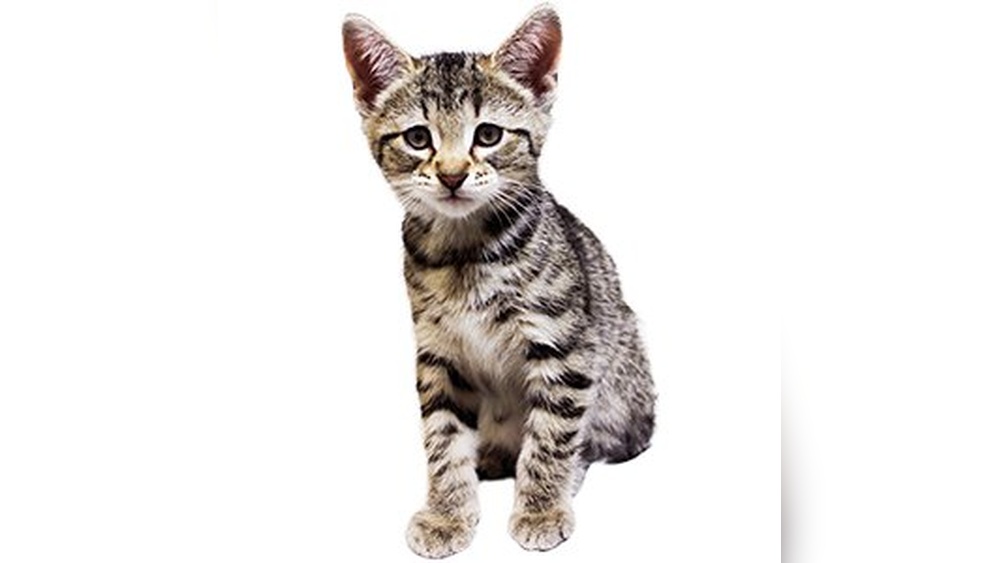
Bringing home an 8-week-old kitten is an exciting experience, but it also comes with important responsibilities. You want to make sure your new furry friend grows up happy, healthy, and well-behaved.
Knowing how to train and care for your kitten from this early stage sets the foundation for a strong bond and a lifetime of companionship. In this guide, you’ll discover simple, effective ways to nurture your kitten’s growth and teach good habits that will make life easier for both of you.
Ready to become the best cat parent? Keep reading to find out exactly what your kitten needs right now.
Preparing Your Home
Preparing your home is the first step to welcoming your 8-week-old kitten. This stage creates a safe and calm place for your new pet. It helps your kitten adjust quickly and feel secure. Setting up the right environment encourages good behavior and healthy habits.
Safe Space Setup
Choose a quiet room for your kitten’s first days. A small space feels less scary than a big room. Add a soft bed or blanket for comfort. Include a hiding spot like a box or covered area. Keep food, water, and litter close by. This setup helps your kitten explore safely and rest well.
Essential Supplies
Gather basic items before your kitten arrives. A shallow food dish and fresh water bowl are must-haves. Select kitten-friendly food made for their age. A clean litter box with low sides makes bathroom training easy. Toys keep your kitten active and entertained. Also, a scratching post protects your furniture.
Kitten-proofing Tips
Remove small objects your kitten could swallow. Hide electrical cords out of reach or cover them. Block off places where your kitten can get stuck. Secure windows and doors to prevent escapes. Avoid toxic plants and chemicals in the kitten’s area. These steps keep your kitten safe from harm and accidents.

Credit: www.reddit.com
Feeding Your Kitten
Feeding your 8-week-old kitten is a vital part of its growth and health. At this age, kittens need nutritious food that supports their energy and development. Proper feeding habits help set a strong foundation for a healthy life.
Understanding what and how to feed your kitten ensures it gets the right nutrients. It also helps avoid common problems like poor growth or digestive issues. Let’s explore how to feed your kitten well.
Choosing The Right Food
Select food made especially for kittens. Kitten food has more protein and fat than adult cat food. Look for wet and dry options to give variety. Wet food keeps kittens hydrated and is easier to chew. Dry food helps keep teeth clean. Avoid cow’s milk; it can cause stomach upset. Check labels for high-quality ingredients and no fillers.
Feeding Schedule
Feed your kitten four small meals a day. This keeps energy levels steady and digestion smooth. Kittens have small stomachs, so small portions work best. Gradually reduce meals to three per day by 12 weeks old. Keep feeding times consistent to build routine. Always offer fresh food and remove leftovers after 30 minutes.
Hydration Needs
Fresh water must be available all the time. Kittens drink less than adult cats but still need water. Change water daily to keep it clean and fresh. Wet food also helps with hydration. Avoid giving sugary drinks or milk. Proper hydration supports digestion and organ function. Watch for signs of dehydration like lethargy or dry gums.
Litter Training Basics
Litter training is one of the first skills an 8-week-old kitten needs to learn. It helps keep your home clean and your kitten healthy. Teaching your kitten to use the litter box takes patience and simple steps. You can make the process smooth and stress-free.
Selecting A Litter Box
Choose a litter box that fits your kitten’s size. Small boxes with low sides work best for kittens. They can easily climb in and out. Use a box made of sturdy plastic for durability. Avoid covered boxes at first; kittens may feel trapped inside.
Pick a litter box with enough space for your kitten to move around comfortably. A box about 16 by 12 inches works well. Place it in a quiet, easy-to-find spot. Avoid noisy or busy areas that may scare your kitten.
Introducing The Kitten
Show your kitten the litter box soon after bringing it home. Gently place the kitten inside the box. Let your kitten sniff and explore it. Do this several times a day, especially after meals and naps.
Watch for signs your kitten needs to go. Soft scratching or sniffing often means it’s time. Gently move the kitten to the box. Praise your kitten softly when it uses the box. This encourages good habits.
Cleaning And Maintenance
Keep the litter box clean to encourage regular use. Scoop waste at least once a day. This stops bad smells and keeps the litter fresh. Wash the box with mild soap and water weekly.
Use unscented, clumping litter for easy cleaning. Avoid strong-smelling litters that may scare your kitten. Replace all litter every week. A clean box helps your kitten feel safe and comfortable.
Credit: www.reddit.com
Socialization Techniques
Socialization is key to raising a happy and confident kitten. At 8 weeks old, your kitten is ready to learn about the world. Early social experiences shape their behavior for life. Good socialization helps reduce fear and aggression. It also builds trust between you and your new pet. Use gentle and positive methods to introduce your kitten to new sights, sounds, and people.
Handling And Bonding
Hold your kitten gently every day. Soft touches help your kitten feel safe. Talk softly to calm your kitten during handling. Let your kitten explore your hands and face. Pet their head and back slowly. Avoid sudden movements or loud noises. Spend short sessions together to build trust. This daily contact strengthens your bond and makes your kitten more relaxed around people.
Introducing To Other Pets
Introduce your kitten to other pets slowly. Keep first meetings short and calm. Use a barrier like a baby gate at first. Let pets see and smell each other without touching. Watch their body language closely. Praise calm behavior from both pets. Gradually increase their time together. Always separate them if there is hissing or growling. This careful approach helps your kitten feel safe and accepted.
Encouraging Play
Play is important for social skills and exercise. Use toys like feathers, balls, or strings. Move toys slowly to mimic prey. Let your kitten chase and pounce. Avoid using your hands as toys to prevent biting. Play daily in short sessions. This fun time teaches your kitten to interact gently. It also helps them learn how to control their energy and hunting instincts.
Health Care Essentials
Caring for an 8-week-old kitten means focusing on health care essentials. This stage is critical for their growth and well-being. Proper care helps prevent illness and supports a strong immune system.
Start health care early to build good habits. Pay close attention to veterinary visits, vaccinations, and parasite prevention. These steps protect your kitten from common health problems.
Veterinary Visits
Schedule the first vet visit soon after bringing your kitten home. The vet will check overall health and identify any issues. Regular check-ups keep your kitten healthy and catch problems early. Ask the vet about diet, behavior, and care tips.
Vaccination Schedule
Vaccinations protect kittens from serious diseases. Follow the vet’s recommended schedule carefully. Common vaccines include those for feline distemper, calicivirus, and rabies. Keep a record of all shots and booster dates. Timely vaccination strengthens your kitten’s immune defense.
Parasite Prevention
Kittens are vulnerable to fleas, ticks, and worms. Use vet-approved treatments to prevent parasites. Check your kitten’s fur and skin regularly for signs of pests. Parasite control prevents discomfort and serious health risks. Clean the kitten’s living area often to reduce parasite exposure.
Grooming Tips
Grooming your 8-week-old kitten is important for its health and happiness. Regular grooming helps keep your kitten clean and comfortable. It also builds trust and strengthens your bond.
Brushing And Bathing
Brush your kitten gently every day. Use a soft brush made for kittens. This removes loose fur and prevents hairballs. It also stops mats and tangles.
Bathing is rarely needed unless your kitten is very dirty. Use warm water and kitten-safe shampoo. Dry your kitten carefully with a towel. Avoid cold places until fully dry.
Nail Trimming
Trim your kitten’s nails every one to two weeks. Use small, sharp nail clippers made for pets. Hold the paw gently and clip the sharp tip. Avoid cutting the pink part, called the quick.
Be calm and patient. Reward your kitten with a treat after trimming. This creates a positive experience.
Ear And Eye Care
Check your kitten’s ears weekly for dirt or wax. Use a soft, damp cloth to clean the outside. Never insert anything deep into the ear canal.
Wipe your kitten’s eyes gently with a clean, damp cloth. Use a new part of the cloth for each eye. This prevents infections and keeps eyes clear.
Training Commands
Training commands help your 8-week-old kitten learn good habits early. Teaching simple commands builds trust between you and your kitten. It also makes daily care easier and safer. Start with small steps and be patient. Consistency is key to success.
Basic Commands
Begin with easy commands like “come,” “sit,” and “stay.” Use a clear, calm voice. Repeat the command before your kitten acts. Reward with treats or gentle petting after success. Keep training sessions short, about 5 minutes. Practice daily for best results.
Using Positive Reinforcement
Positive reinforcement means giving rewards for good behavior. Treats, praise, and affection encourage your kitten to repeat actions. Avoid punishment or harsh words. These can scare or confuse your kitten. Reward right away to connect behavior and reward clearly.
Addressing Unwanted Behavior
Stop bad habits gently but firmly. Use a firm “no” or a soft clap to get attention. Redirect your kitten to a toy or scratching post. Never hit or shout. Offer praise when your kitten chooses the right action. Consistent correction helps your kitten learn limits.
Credit: vetic.in
Creating A Routine
Creating a routine for an 8-week-old kitten helps them feel safe and happy. Young kittens learn best with regular schedules. A consistent daily plan supports their growth and training. It also builds trust between you and your kitten.
Daily Activities
Plan regular playtimes to keep your kitten active. Short, frequent sessions work best. Use toys that encourage chasing and pouncing. Feeding should happen at the same times each day. Clean their litter box daily to teach good habits. Consistent care helps your kitten know what to expect.
Sleep Patterns
Kittens sleep a lot, up to 18 hours a day. They wake often for short play or feeding. Create a quiet, warm spot for naps. Avoid loud noises near their sleeping area. Sleep helps kittens grow strong and stay healthy. Respect their need for rest and calm.
Adjusting As They Grow
As your kitten grows, their needs will change. Increase playtime and introduce new toys. Feed larger meals less often but at regular times. Adapt their sleeping area to be more spacious. Keep routines steady to reduce stress. Slowly change habits to fit their development.
Frequently Asked Questions
How Do I Start Training An 8 Week Old Kitten?
Begin training with gentle handling and positive reinforcement. Use treats and praise to encourage good behavior. Keep sessions short and consistent to build trust and learning.
What Is The Best Diet For An 8 Week Old Kitten?
Feed high-quality kitten food rich in protein and nutrients. Provide fresh water daily. Avoid cow’s milk as it can cause digestive issues.
How Often Should I Socialize My 8 Week Old Kitten?
Socialize your kitten daily with people and gentle pets. Introduce new environments gradually. Early socialization helps kittens become confident and friendly adults.
How Can I Litter Train My 8 Week Old Kitten?
Place the kitten in the litter box after meals and naps. Use a clean, accessible box with kitten-friendly litter. Reward successful use to reinforce the habit.
Conclusion
Caring for an 8-week-old kitten takes patience and love. Start training with gentle guidance every day. Keep their space clean and safe for healthy growth. Feed them small, frequent meals with kitten food. Playtime helps kittens learn and feel happy.
Watch their behavior to understand their needs. Building trust creates a strong bond between you. Small steps lead to a well-behaved, healthy cat. Enjoy every moment with your new furry friend. Your effort now will bring joy for years.