

Traveling long distances with your cat by car can feel overwhelming. You want your furry friend to be safe, calm, and comfortable throughout the trip.
But how do you make that happen? What should you prepare before hitting the road? In this guide, you’ll discover simple, practical tips that help both you and your cat enjoy the ride. Keep reading to learn how to turn a stressful trip into a smooth adventure for you and your beloved pet.
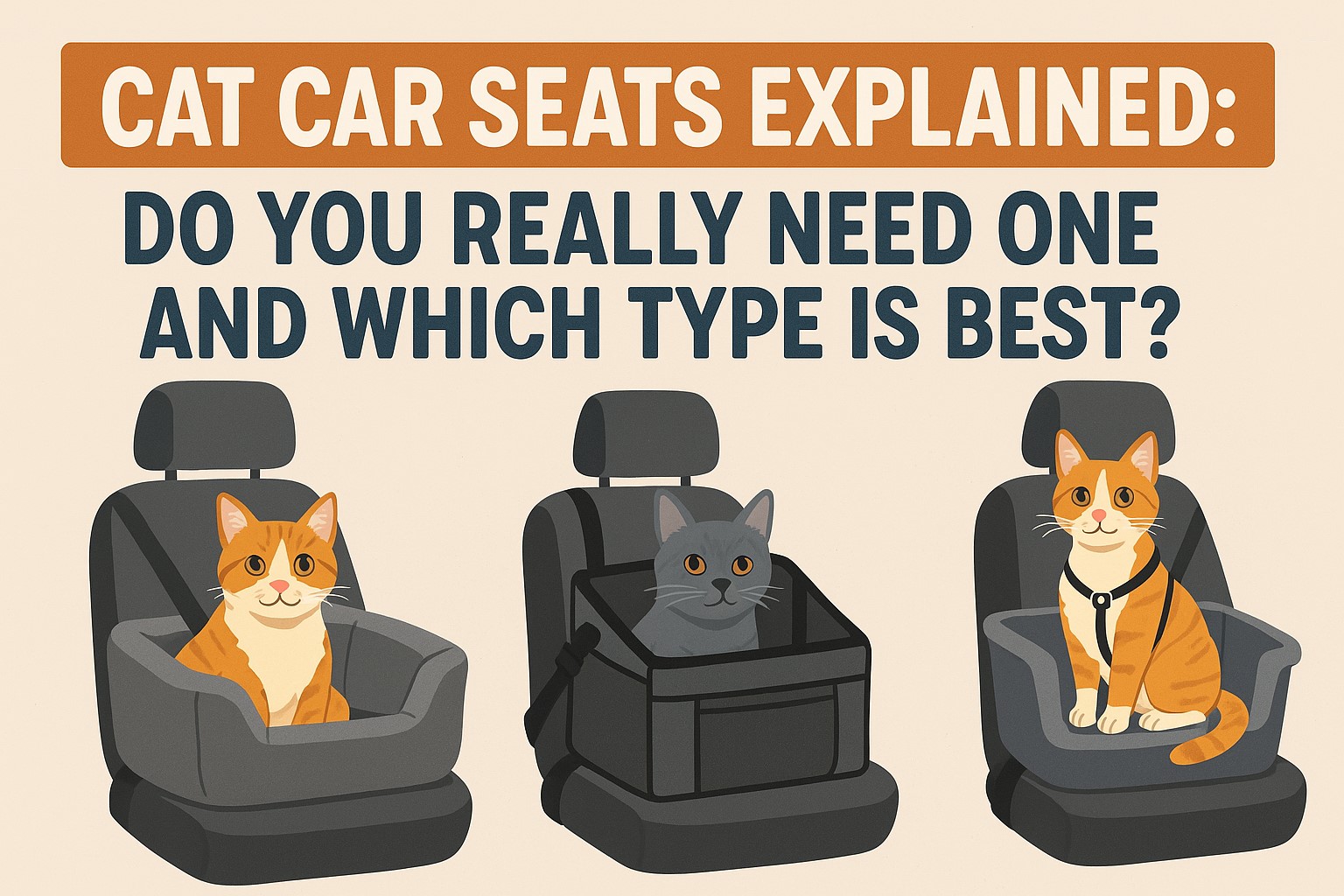
Credit: purrfectinsights.com
Preparing Your Cat For The Trip
Preparing your cat for a long car trip helps reduce stress and keep them safe. Cats may feel scared in new places. Getting them ready makes the journey smoother. Start early to allow your cat time to adjust. Focus on comfort and security before the trip.
Choosing The Right Carrier
Pick a carrier that fits your cat well. It should be large enough to stand and turn around. Ventilation is important for fresh air. Hard-sided carriers protect better in cars. Soft carriers offer more comfort but less protection. Add a soft blanket or towel inside for coziness.
Acclimating Your Cat To The Carrier
Let your cat explore the carrier at home first. Leave it open in a quiet room. Place treats and toys inside to create positive feelings. Encourage your cat to enter and stay inside for short times. Gradually increase the time spent in the carrier. Practice this for several days before the trip.
Health Check And Vaccinations
Visit the vet before traveling. Ensure your cat is healthy for the journey. Update all vaccinations to protect against diseases. Ask the vet about motion sickness medicine if needed. Check for any travel restrictions or requirements. Carry your cat’s health records during the trip.

Credit: technomeow.com
Packing Essentials For The Journey
Packing well is key to a smooth long-distance car trip with your cat. Bringing the right items helps keep your pet calm and comfortable. Prepare everything before you start your journey. This avoids stress for both of you.
Food And Water Supplies
Carry enough food for the entire trip. Use familiar food to avoid stomach upset. Pack portable bowls for feeding and drinking. Fresh water is a must at all times. Change water often to keep it clean. Avoid sudden diet changes to keep your cat healthy.
Comfort Items And Toys
Bring your cat’s favorite blanket or bed. These items provide a sense of security. Include a few toys to keep your cat entertained. Soft toys or small balls work well. Familiar smells help reduce anxiety during travel. A calm cat makes the trip easier.
Litter Box And Cleaning Materials
Choose a small, portable litter box for the car. Use clumping litter for easy cleaning. Bring extra litter to avoid messes. Pack disposable bags for waste disposal. Keep cleaning wipes handy for accidents. Cleanliness keeps the car fresh and your cat happy.
Planning The Route And Stops
Planning your route and stops is key for a smooth trip with your cat. Careful planning helps reduce stress for both you and your pet. Knowing where and when to stop keeps your cat comfortable and safe during the journey.
Mapping Rest Breaks
Plan rest breaks every two to three hours. Cats need time to relax away from the car. Short breaks help prevent anxiety and restlessness. Find safe, quiet spots where your cat can stay calm. Avoid busy or noisy areas that might scare your pet.
Finding Pet-friendly Stops
Choose stops that welcome pets. Look for rest areas or parks that allow animals. Some gas stations offer pet relief zones. Bring a portable litter box or mat for your cat. Check online for pet-friendly hotels or restaurants along your route.
Timing The Travel
Travel during your cat’s calm hours. Early morning or late evening works well. Avoid the heat of midday to keep your cat comfortable. Drive steadily to minimize sudden movements. Keep the car temperature moderate and stable throughout the trip.
Safety Measures During The Drive
Traveling long distances by car with a cat requires careful safety measures. Protecting your cat during the drive is crucial. This keeps your pet calm and prevents accidents. Follow simple steps to ensure a safe trip for both of you.
Securing The Carrier In The Car
Always keep your cat inside a sturdy carrier. Secure the carrier with a seatbelt or place it on the floor behind the front seat. This stops the carrier from sliding or tipping. A stable carrier protects your cat from sudden stops or turns. Never hold the carrier on your lap while driving.
Temperature Control
Keep the car at a comfortable temperature for your cat. Avoid hot or cold extremes. Use air conditioning or heating as needed. Open windows slightly for fresh air, but never let your cat stick its head outside. Watch for signs of overheating or shivering and adjust the temperature quickly.
Minimizing Stress And Motion Sickness
Calm your cat by covering the carrier with a light cloth. This reduces outside noise and bright lights. Offer a small meal a few hours before driving. Avoid feeding just before the trip to reduce nausea. Play soft music or keep the car quiet to soothe your cat. Stop regularly for short breaks to check on your pet’s comfort.
Managing Your Cat’s Behavior
Managing your cat’s behavior during a long car trip is very important. Cats can get scared and upset in new places. Watching your cat closely helps keep them calm and safe. Small actions can make a big difference in how your cat feels during the drive.
Recognizing Signs Of Stress
Look for changes in your cat’s body and actions. Cats may hide or try to escape. They might meow loudly or breathe fast. Some cats lick themselves more or scratch a lot. Not eating or drinking can also mean stress. Spotting these signs early helps you act quickly.
Calming Techniques
Speak softly to your cat to soothe them. Offer a favorite blanket or toy inside the carrier. Playing quiet music can help lower anxiety. Take breaks during the trip for gentle petting. Avoid sudden moves or loud noises near your cat.
When To Consult A Veterinarian
Talk to a vet before the trip if your cat is very nervous. The vet can suggest safe medicines or sprays. Seek help if your cat shows severe stress signs. If your cat stops eating or acts sick, call your vet right away. Professional advice keeps your cat healthy and calm on the road.

Credit: technomeow.com
After The Trip Care
After a long car trip, your cat needs special care to feel safe and comfortable. The journey can be stressful. Your cat may feel tired or confused in the new place. Taking time to help your cat adjust is important. This care supports their health and happiness.
Settling Your Cat In A New Environment
Start by creating a quiet space for your cat. Use familiar items like their bed or toys. Keep the room calm and free from loud noises. Let your cat explore slowly. Give them time to smell and see their new surroundings. Avoid forcing your cat out of their safe spot.
Monitoring Health Post-travel
Watch your cat closely after the trip. Check for signs of stress or illness. Look for changes in eating, drinking, or bathroom habits. Pay attention to breathing or unusual behaviors. Contact a vet if you notice anything worrying. Early care can prevent bigger problems.
Re-establishing Routine
Keep feeding times consistent with the old routine. Play and cuddle sessions help reduce stress. Use the same litter box and keep it clean. Maintain regular grooming habits. A steady routine brings comfort and security. Your cat will feel more at home faster.
Frequently Asked Questions
How To Prepare A Cat For A Long Car Trip?
Prepare your cat by acclimating them to the carrier and car sounds. Pack essentials like food, water, and a litter box. Schedule rest stops and keep your cat calm using familiar toys or blankets.
What Are The Best Cat Carriers For Car Travel?
Choose a sturdy, well-ventilated carrier with secure locks. Soft-sided carriers offer comfort, while hard-sided ones provide more protection. Ensure the carrier fits your cat and can be safely secured in the car.
How To Keep A Cat Calm During A Car Ride?
Use calming sprays or pheromone diffusers designed for cats. Speak softly and avoid sudden movements. Keep the environment quiet, and play soothing music to reduce anxiety.
When Should I Stop For Breaks On A Cat Car Trip?
Stop every 2-3 hours to check on your cat. Offer water and a chance to use the litter box. Keep breaks brief to avoid stress but frequent enough to maintain comfort.
Conclusion
Traveling long distance with a cat by car needs good planning. Keep your cat safe and comfortable during the trip. Take breaks often so your cat can stretch and relax. Bring favorite toys and familiar bedding to ease stress. Stay calm and patient, as cats sense your mood.
Enjoy the journey together and make it a positive experience. With care, your cat will travel happily by car. Safe travels!