

Traveling on a bike with your cat can sound tricky, but it doesn’t have to be stressful. You might worry about your furry friend’s safety or how to keep them calm during the ride.
What if you could enjoy the freedom of the open road together, without any hassle? In this guide, you’ll discover simple steps and smart tips to make bike trips with your cat safe and fun. Ready to turn your bike into a cozy adventure spot for both of you?
Keep reading—you’ll be surprised at how easy it can be.
Choosing The Right Bike Setup
Choosing the right bike setup is important for a safe and fun ride with your cat. Your bike must keep your cat secure and comfortable. The setup also needs to be stable for easy riding. A good setup makes your journey stress-free for both you and your pet.
Selecting A Suitable Carrier
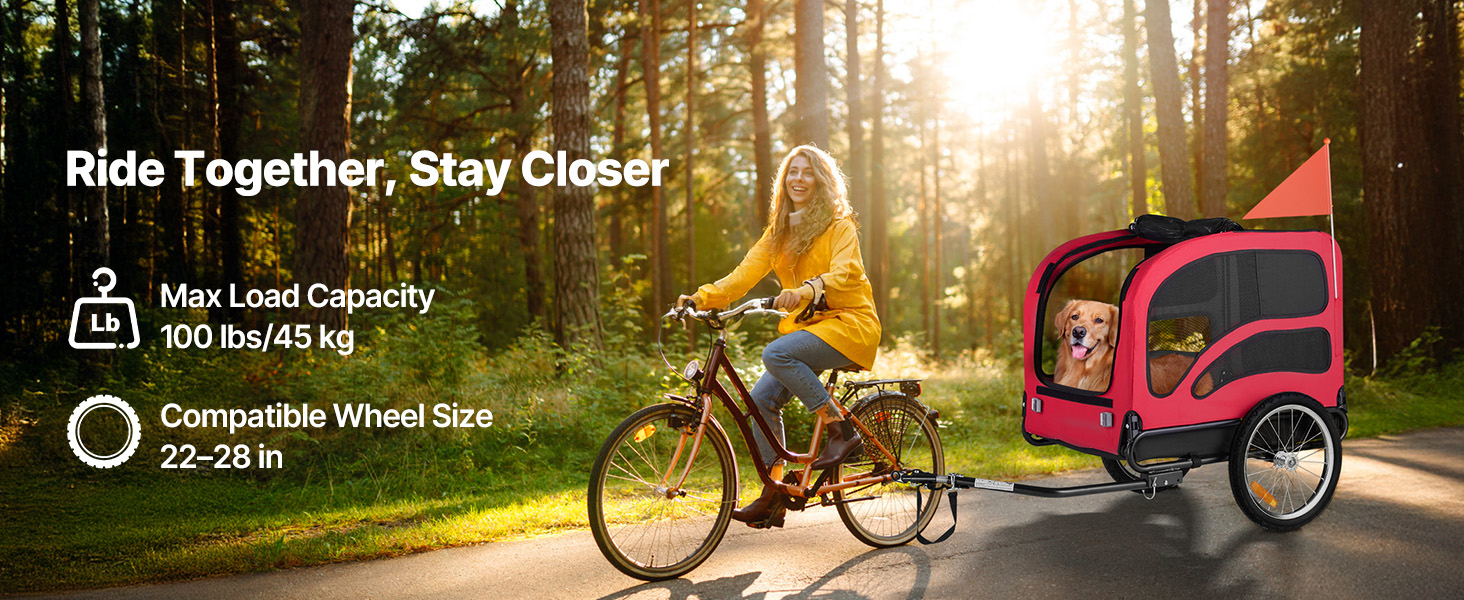
Pick a carrier made for bike travel with pets. It should be strong and well-ventilated. Your cat needs enough room to sit and turn around. Look for carriers with soft padding for comfort. A secure lid or cover keeps your cat inside safely.
Installing Safety Harnesses
Use a safety harness to keep your cat from jumping out. Attach the harness inside the carrier. Make sure it fits well but is not too tight. Harnesses prevent accidents and keep your cat calm. Always check the harness before starting your ride.
Balancing Weight Distribution
Balance the weight of the carrier on your bike. Place the carrier where it won’t affect your riding. Avoid putting all the weight on one side. Keep the center of gravity low for better control. Balanced weight helps you ride smoothly and safely.
Preparing Your Cat For The Ride
Preparing your cat for a bike ride takes time and care. Cats need to feel safe and calm before traveling. Start by making small changes to help your cat adjust. This reduces stress and makes the journey easier. Patience is key.
Getting Your Cat Used To The Carrier
First, introduce the carrier in a quiet place. Leave the door open so your cat can explore it. Place treats and toys inside to make it inviting. Let your cat enter and exit freely at first. Gradually, close the door for short periods. This builds trust and comfort.
Introducing Short Practice Trips
Next, take brief rides with your cat in the carrier. Start with just a few minutes around your home. Increase the time slowly over days or weeks. Watch your cat’s reaction during these rides. Familiarity helps your cat feel less anxious on the bike.
Recognizing Stress Signs
Look for signs like heavy breathing, meowing, or restlessness. Your cat may hide or try to escape the carrier. These signs show discomfort or fear. Stop the ride if your cat seems too stressed. Try calming techniques or return to earlier steps.
Essential Safety Gear
Traveling by bike with a cat can be fun and safe. The right gear helps protect both you and your pet. Safety gear makes the ride smooth and worry-free. Choose equipment that fits well and is easy to use.
Protective Helmets And Pads For You
Wear a helmet to protect your head. Choose a helmet that fits snugly and feels comfortable. Knee and elbow pads prevent scrapes and bruises. These pads add extra safety if you fall. Dress in bright clothes to stay visible on the road.
Comfortable And Secure Cat Accessories
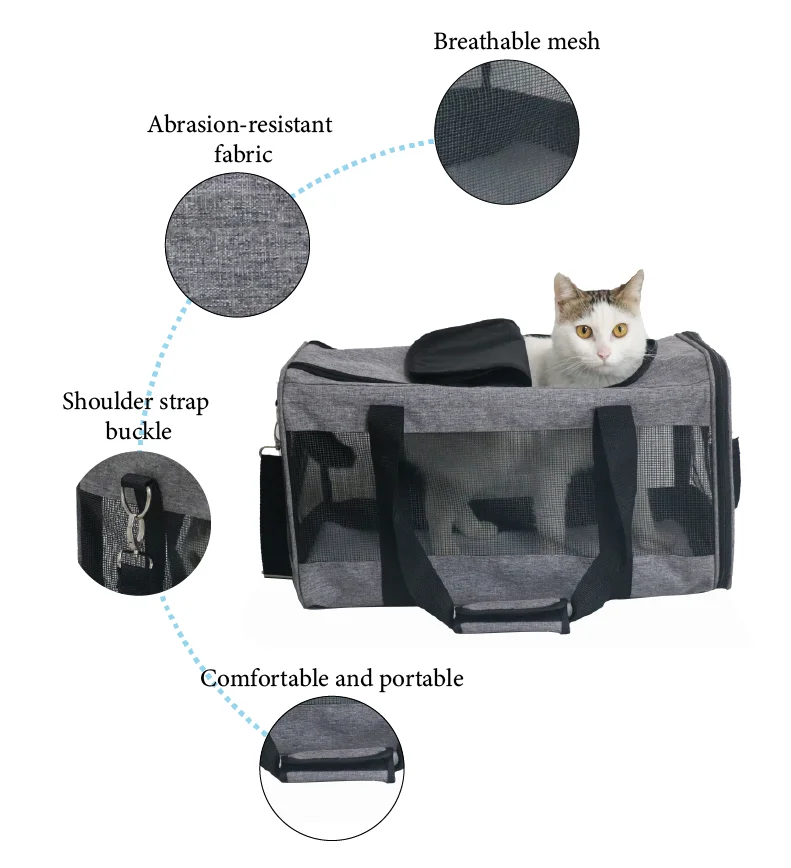
Your cat needs a safe place during the ride. Use a specially made cat carrier or backpack. It should have good ventilation and be easy to open. The carrier must keep your cat secure without feeling cramped. Add soft padding to keep your cat cozy.
Visibility Enhancements
Use lights on your bike for night rides. Attach reflective strips to your clothes and carrier. Reflective gear helps drivers see you from far away. A small bell or horn can alert others near you. Bright colors and lights increase safety on the road.
Credit: www.ebay.com
Planning The Route
Planning the route is key to a safe and calm bike trip with your cat. Choose paths that keep your pet comfortable and secure. Good route planning helps avoid stress and makes the ride more fun for both of you.
Choosing Smooth And Quiet Paths
Pick roads with smooth surfaces to reduce bumps. Quiet paths limit loud noises that might scare your cat. Trails or bike lanes in parks work well. Avoid rough gravel or busy streets.
Avoiding High Traffic Areas
Busy roads increase noise and danger. Cars and trucks can frighten your cat. Choose routes away from highways and crowded spots. Look for side streets or bike trails with less traffic.
Scheduling Frequent Breaks
Stop often to check on your cat’s comfort. Let your cat rest and drink water. Short breaks reduce stress and prevent overheating. Plan breaks every 30 to 45 minutes for best results.
Riding Techniques For Comfort
Riding a bike with your cat requires special care and smooth movements. Comfort is key for both you and your furry friend. The right riding techniques help keep your cat safe and calm. This section covers simple steps to make your ride comfortable and enjoyable.
Maintaining Steady Speeds
Keep your speed steady to avoid sudden surprises for your cat. Quick changes can scare your pet or cause discomfort. Riding at a slow and steady pace helps your cat feel secure. This also makes balancing easier for you on the bike.
Smooth Braking And Turning
Brake gently and slowly to prevent jolts. Sudden stops can stress your cat and make the ride uncomfortable. Take turns slowly and smoothly to keep your cat steady. Sharp turns can unbalance your bike and upset your pet.
Keeping Your Cat Calm
Talk softly to your cat during the ride. Your voice can soothe and reassure your pet. Use a comfortable carrier with soft padding for security. Bring familiar toys or blankets to make your cat feel at home. Regular breaks help your cat relax and stretch.
Credit: www.dubaigardenglow.com
Post-ride Care
After a bike ride with your cat, proper care is very important. It helps your cat feel safe and happy. Post-ride care also keeps your cat healthy and ready for the next trip.
Checking For Any Injuries
Look carefully at your cat’s body. Check paws, ears, and tail for cuts or scratches. Feel gently for bumps or swelling. Watch your cat’s behavior for signs of pain. If you find any injury, clean it with mild water. Call a vet if the injury looks serious.
Hydrating And Feeding
Give your cat fresh water after the ride. Drinking water helps cool down and refresh your cat. Offer a small portion of food if your cat feels hungry. Avoid feeding a large meal right away. Keep water and food accessible for a while.
Rewarding And Praising Your Cat
Speak softly and give gentle pets or scratches. Offer treats your cat likes as a reward. Praise helps your cat stay calm and enjoy future rides. Positive feelings build trust and bonding. This makes bike travel a happy experience.

Credit: www.amazon.com
Frequently Asked Questions
How Can I Keep My Cat Safe On A Bike Trip?
Use a secure, well-ventilated pet carrier designed for bikes. Ensure it’s properly fastened and comfortable for your cat. Bring familiar items like a blanket or toy to reduce stress during travel.
What Essential Items Should I Pack For Biking With A Cat?
Bring water, a portable bowl, food, leash, and a first-aid kit. Also pack waste bags, a towel, and your cat’s vaccination records for safety and hygiene.
How Do I Prepare My Cat For A Bike Journey?
Acclimate your cat to the carrier before the trip. Take short practice rides to help your cat adjust to bike movement and sounds gradually.
Can All Cats Travel Safely On A Bike?
Not all cats enjoy or tolerate bike travel. Assess your cat’s temperament and health. Consult a vet if unsure about your cat’s suitability for biking.
Conclusion
Traveling by bike with a cat takes planning and care. Keep your cat safe and comfortable during the ride. Use a secure carrier that fits well on your bike. Take short trips first to help your cat get used to it.
Bring water and snacks for both of you. Watch your cat’s behavior closely and stop if needed. Enjoy the adventure together, making memories along the way. With patience and practice, bike trips with your cat become fun and safe. Keep exploring and sharing special moments on the road.