
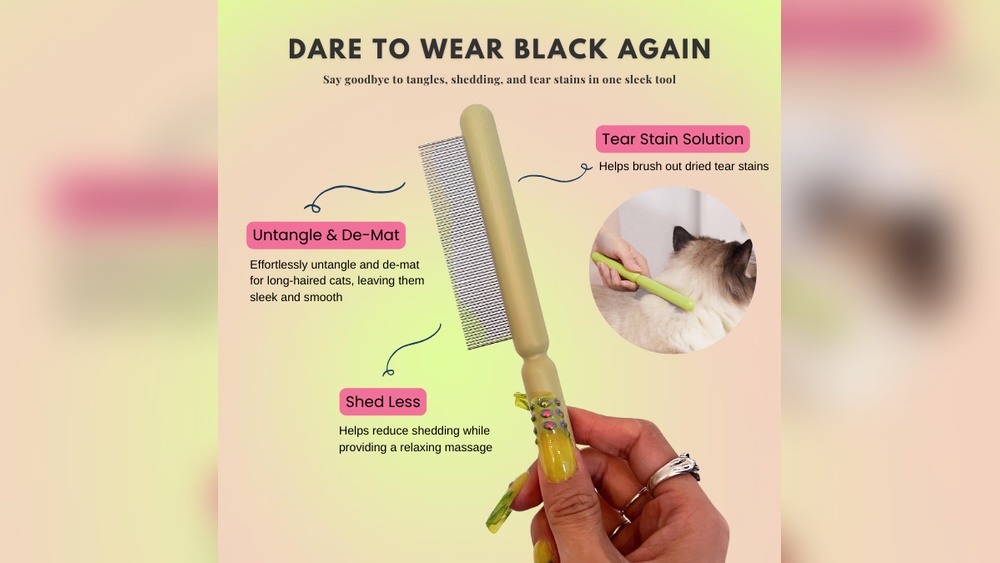
If your cat is scratching more than usual or you want to keep their fur clean and healthy, using a flea comb can make a big difference. You might wonder how to use this simple tool effectively without stressing your furry friend.
You’ll discover easy steps to groom your cat with a flea comb and spot those pesky fleas before they become a bigger problem. By the end, you’ll feel confident and ready to help your cat stay comfortable and happy. Keep reading to learn how!

Credit: www.amazon.com
Choosing The Right Flea Comb
Choosing the right flea comb is important for effective cat grooming. The right comb helps remove fleas, dirt, and loose hair gently. Using the wrong comb can hurt your cat or miss fleas. Knowing the different types and features makes the choice easier. This guide explains what to look for in a flea comb.
Types Of Flea Combs
Metal flea combs are popular and durable. Their fine teeth catch fleas and eggs well. Plastic combs are lighter but less strong. Some combs have wide teeth for loose hair and narrow teeth for fleas. Double-sided combs offer both options. Small combs work better for kittens or small cats. Larger combs cover more area quickly for big cats.
Features To Look For
Choose a comb with fine, close-set teeth. This design traps fleas and eggs effectively. Look for smooth, rounded teeth tips to avoid scratching your cat’s skin. A comfortable handle helps you hold the comb steadily. Non-slip grips are ideal for wet or nervous cats. Easy-to-clean combs save time after grooming sessions. Lightweight combs reduce hand fatigue during use.
Preparing Your Cat For Grooming
Preparing your cat for grooming is an important step before using a flea comb. It helps your cat stay calm and makes the grooming process easier. Cats can feel nervous or scared during grooming. Taking time to prepare them reduces stress for both you and your cat.
Creating A Calm Environment
Choose a quiet room with no loud noises or distractions. Soft lighting helps your cat feel relaxed. Use a comfortable surface, like a soft towel or blanket. Gentle talking soothes your cat and builds trust. Keep grooming sessions short at first to avoid stress.
Handling Your Cat Safely
Hold your cat gently but firmly to prevent sudden moves. Support the body with one hand under the chest. Use the other hand to guide the flea comb. Avoid grabbing fur or skin roughly. Watch your cat’s body language for signs of discomfort. Stop if your cat becomes too stressed.
Step-by-step Flea Combing Process
Using a flea comb on your cat helps keep fleas under control. The process is simple but requires care and patience. Follow these steps to comb your cat effectively and comfortably.
Brushing Technique
Hold the flea comb close to your cat’s skin. Gently pull the comb through the fur from head to tail. Focus on areas like the neck, belly, and tail base. Check the comb after each stroke for fleas or dirt. Clean the comb by wiping it on a paper towel. Repeat until the fur is clean and free of fleas.
Frequency And Duration
Comb your cat daily during flea season. Each session should last about 10 to 15 minutes. Short, regular sessions are better than long, stressful ones. Consistency helps catch fleas early and stops infestations. Adjust frequency based on your cat’s flea risk and comfort.
Identifying Fleas And Flea Dirt
Identifying fleas and flea dirt on your cat is the first step in effective grooming. Fleas are tiny insects that cause itchiness and discomfort. Flea dirt looks like small black specks. It is actually flea feces made of digested blood. Spotting these early helps keep your cat healthy and happy.
Signs To Spot
Check your cat for frequent scratching or biting. Red, irritated skin may appear on the neck and belly. Small black or brown specks on the fur might be flea dirt. Fleas move quickly, so look closely. Flea bites often cause hair loss in patches.
How To Check The Comb
Use a flea comb with fine teeth to groom your cat. Comb the fur slowly, especially near the neck and tail. Tap the comb on white paper after each pass. Look for tiny black specks or live fleas on the paper. Flea dirt will dissolve into a reddish stain when wet.
Cleaning And Maintaining The Flea Comb
Cleaning and maintaining the flea comb keeps it effective and safe for your cat. Dirt, fleas, and hair can build up on the comb. Regular cleaning stops this build-up and helps the comb last longer.
Removing Fleas And Debris
After each use, remove fleas and debris from the comb teeth. Use your fingers or a soft brush to clear stuck dirt. Tap the comb gently on a hard surface to shake loose small particles. Dispose of the fleas in a sealed bag or flush them down the toilet. This prevents fleas from spreading to other pets or your home.
Sanitizing The Comb
Sanitize the comb to kill germs and parasites. Soak it in warm, soapy water for a few minutes. Use mild dish soap to avoid harsh chemicals. Rinse the comb well with clean water. Dry it completely with a clean towel before storing. This keeps the comb clean and safe for the next use.
Complementary Flea Control Methods
Using a flea comb helps remove fleas and dirt from your cat’s fur. Still, it does not stop fleas fully. Other flea control methods work well alongside combing. These methods target fleas on your cat and in the home. Together, they keep your cat flea-free and comfortable.
Topical Treatments
Topical treatments are medicines applied to your cat’s skin. They kill fleas quickly and stop new ones from growing. You put drops on the back of the neck. This makes it hard for fleas to reach the area. Many topical treatments work for a whole month. Always follow the instructions for safe use.
Environmental Cleaning
Fleas live in your cat’s bedding and home. Cleaning these places stops fleas from coming back. Wash your cat’s bedding often with hot water. Vacuum carpets and furniture well to remove flea eggs and larvae. Throw away the vacuum bag or empty the canister outside. This helps kill fleas hiding in your house.
When To Consult A Veterinarian
Knowing when to consult a veterinarian is important during flea grooming. Flea combs help remove fleas, but some problems need expert care. Watch your cat closely. Some signs mean it is time to get professional help. This ensures your cat stays healthy and happy.
Persistent Infestations
If fleas keep coming back after combing, see a vet. Persistent infestations can harm your cat’s skin and health. Fleas multiply fast and hide in places you cannot reach. A vet can provide strong treatments to stop fleas for good. Do not wait too long to get help.
Health Concerns
Fleas can cause more than itching and scratching. They may spread diseases or cause allergic reactions. If your cat shows hair loss, sores, or constant scratching, visit a vet. A vet can check for infections or other health problems. Early care can prevent serious issues and keep your cat safe.

Credit: www.ebay.com

Credit: www.amazon.com
Frequently Asked Questions
How Often Should I Use A Flea Comb On My Cat?
Use a flea comb daily when fleas are present to catch and remove them. For prevention, comb your cat once or twice weekly. Regular use helps spot infestations early and keeps your cat’s coat healthy and flea-free.
What Is The Best Way To Use A Flea Comb?
Start at the cat’s head and gently comb through the fur down to the tail. Focus on areas behind the ears and near the neck. Wipe the comb on a white paper towel to check for fleas and debris.
Can Flea Combs Replace Flea Medication?
No, flea combs help remove fleas but don’t prevent infestations alone. Use flea medication recommended by your vet for effective control. Combining both ensures better flea management and keeps your cat comfortable.
How Do I Clean A Flea Comb After Use?
Remove hair and debris from the comb teeth after each use. Soak the comb in warm, soapy water, then rinse thoroughly. Dry it before storing to keep it clean and ready for the next grooming session.
Conclusion
Using a flea comb helps keep your cat clean and comfortable. Regular grooming removes fleas and dirt from their fur. It also helps you check for skin problems early. Be gentle and patient during grooming sessions. This builds trust and makes your cat calm.
A flea comb is a simple tool that protects your pet’s health. Make it part of your routine for a happy, healthy cat. Small efforts bring big benefits to your cat’s well-being. Try it today and see the difference.