
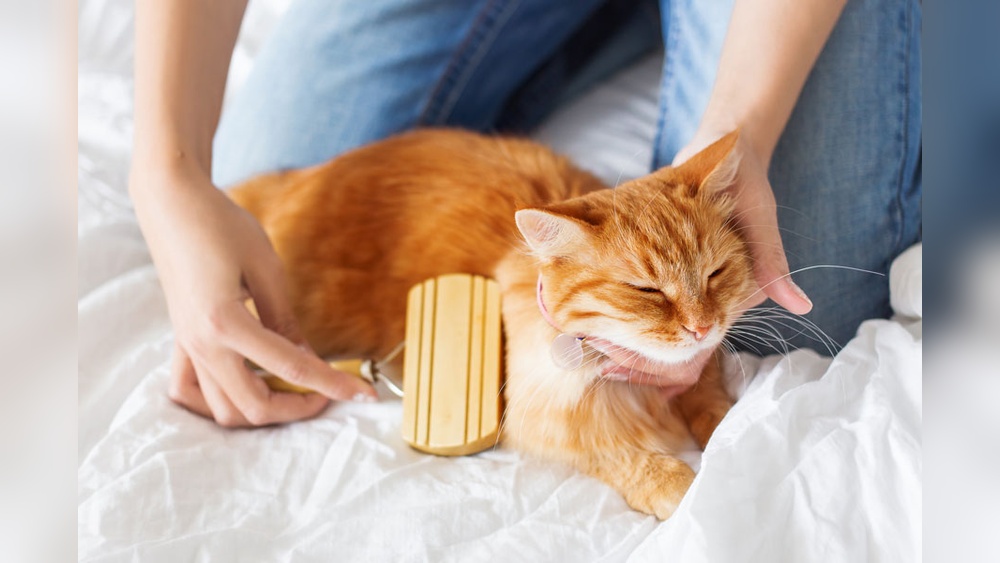
Grooming your cat can seem tricky, but it doesn’t have to be. Whether your furry friend hates baths or gets tangled fur, knowing the right techniques makes all the difference.
You want your cat to look and feel its best, and you deserve a stress-free grooming experience. In this guide, you’ll discover simple, proven tips from professional cat groomers that anyone can follow. Ready to make grooming easier and more enjoyable for both you and your cat?
Keep reading—you’re about to become the expert your pet needs.
Preparing Your Cat For Grooming
Preparing your cat for grooming helps make the process smooth and stress-free. Cats can feel scared or anxious during grooming. Taking time to get ready helps your cat stay calm and cooperative.
Start by gathering the right tools and creating a quiet space. Then, help your cat feel safe and comfortable. These steps reduce fear and make grooming easier for both of you.
Choosing The Right Grooming Tools
Select tools that match your cat’s coat type. Use a soft brush for short hair and a comb for long hair. Avoid harsh brushes that can hurt your cat’s skin. Keep clippers or nail trimmers sharp but gentle. Good tools make grooming faster and less painful.
Creating A Calm Environment
Pick a quiet room with few distractions. Turn off loud noises like TVs or radios. Use soft lighting to avoid startling your cat. Keep the room warm and cozy. Calm surroundings help your cat relax and stay still during grooming.
Getting Your Cat Comfortable
Spend time petting your cat before grooming. Talk in a soft, soothing voice. Let your cat explore the grooming tools slowly. Offer treats to create positive feelings. Be patient and gentle to build trust and ease anxiety.
Credit: www.youtube.com
Brushing Techniques For Different Coats
Brushing your cat regularly keeps their coat healthy and shiny. Different cats have different coat types. Each type needs a special brushing method. This helps remove dirt, loose hair, and prevent tangles. Understanding these techniques makes grooming easier and more comfortable for your cat.
Short-haired Cats
Short-haired cats need gentle brushing once or twice a week. Use a soft-bristle brush or rubber grooming glove. Brush in the direction of hair growth. This removes loose fur and dirt. It also spreads natural oils for a healthy shine. Avoid brushing too hard to protect their sensitive skin.
Long-haired Cats
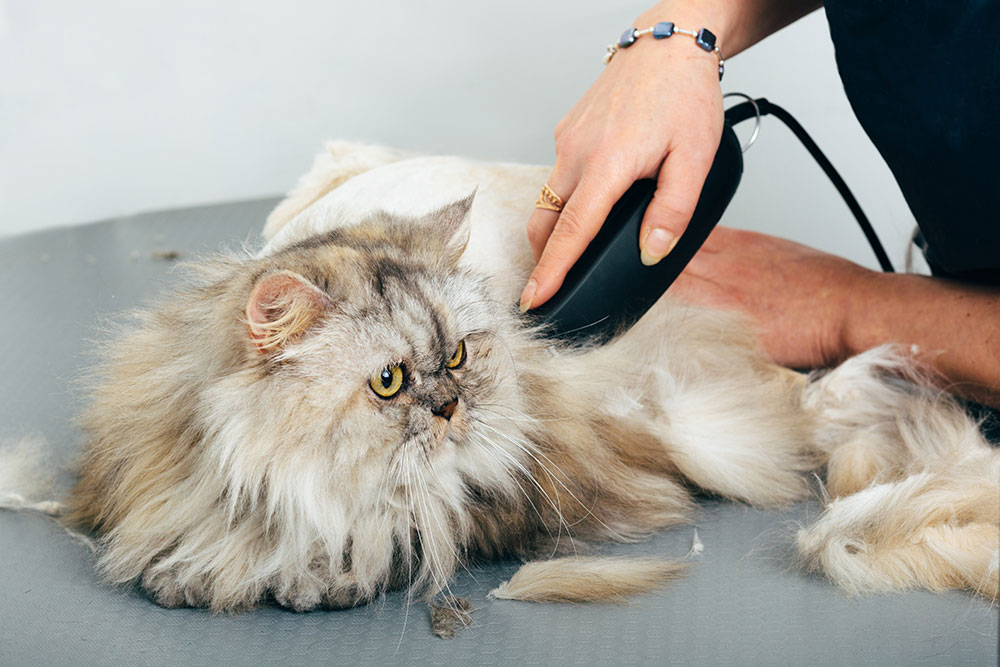
Long-haired cats need daily brushing to avoid tangles. Use a wide-tooth comb to start, then a slicker brush. Work in small sections, brushing from roots to tips. This prevents pulling on the hair. Check for knots and gently loosen them with your fingers. Regular brushing stops mats and hairballs from forming.
Dealing With Matted Fur
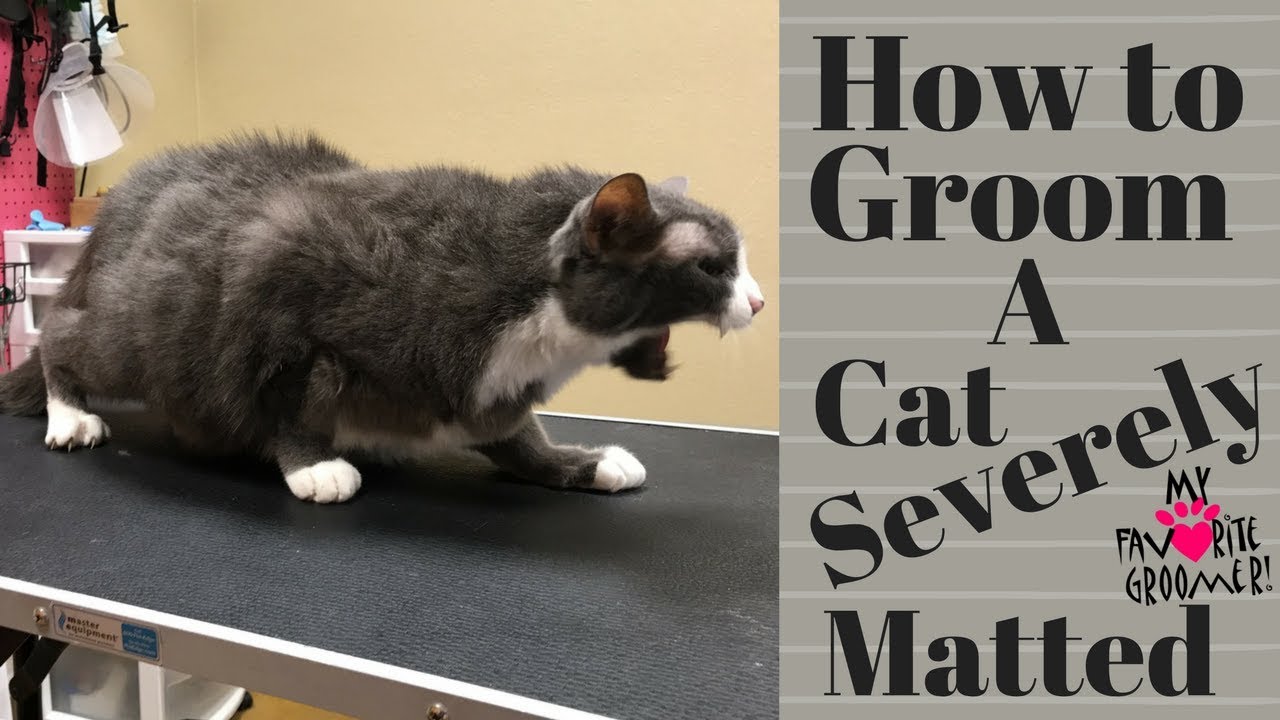
Matted fur causes discomfort and skin problems. Use a dematting comb or mat splitter carefully. Hold the fur close to the skin to avoid pulling. Work slowly and gently on the mats. If mats are tight or close to the skin, consider professional help. Regular brushing prevents mats from forming again.
Bathing Your Cat Safely
Bathing your cat can be a calm and safe experience with the right approach. Cats usually dislike water, so gentle handling is important. Preparing carefully helps reduce stress for both of you. Follow these tips to keep your cat comfortable during bath time.
Selecting Cat-friendly Shampoo
Choose a shampoo made specifically for cats. Human or dog shampoos can irritate their skin. Look for products that are gentle, tear-free, and free from harsh chemicals. Shampoos with natural ingredients work best. Avoid scented shampoos that might bother your cat’s nose.
Step-by-step Bathing Process
Start by brushing your cat to remove loose fur and tangles. Fill a basin or sink with warm water, about four inches deep. Use lukewarm water to keep your cat comfortable. Gently place your cat in the water, speaking softly to calm them. Wet the fur slowly using a cup or your hand. Apply shampoo carefully, avoiding eyes and ears. Massage the shampoo in gently, then rinse well to remove all soap. Keep water away from the face to prevent stress. Use a calm voice and move slowly throughout the bath.
Drying Tips To Avoid Stress
Wrap your cat in a soft, warm towel immediately after the bath. Pat the fur dry, do not rub, to avoid tangles. Change to a dry towel if the first becomes wet. Use a hairdryer only if your cat tolerates low heat and noise. Otherwise, let your cat air dry in a warm room. Keep your cat indoors until fully dry to avoid chills. Offer treats and praise to create a positive experience.
Trimming Nails Without Fuss
Trimming a cat’s nails can be a calm and quick task. Many cats dislike nail clipping. It can cause stress for both the pet and the owner. Knowing how to trim nails without fuss helps keep your cat happy and safe. A few simple steps and the right tools make a big difference.
Tools Needed For Nail Care
Use sharp nail clippers made for cats. They cut cleanly and avoid splitting nails. Have a nail file or emery board ready. It smooths sharp edges after clipping. Keep styptic powder or cornstarch nearby. It stops bleeding if you cut too close.
How To Trim Nails Safely
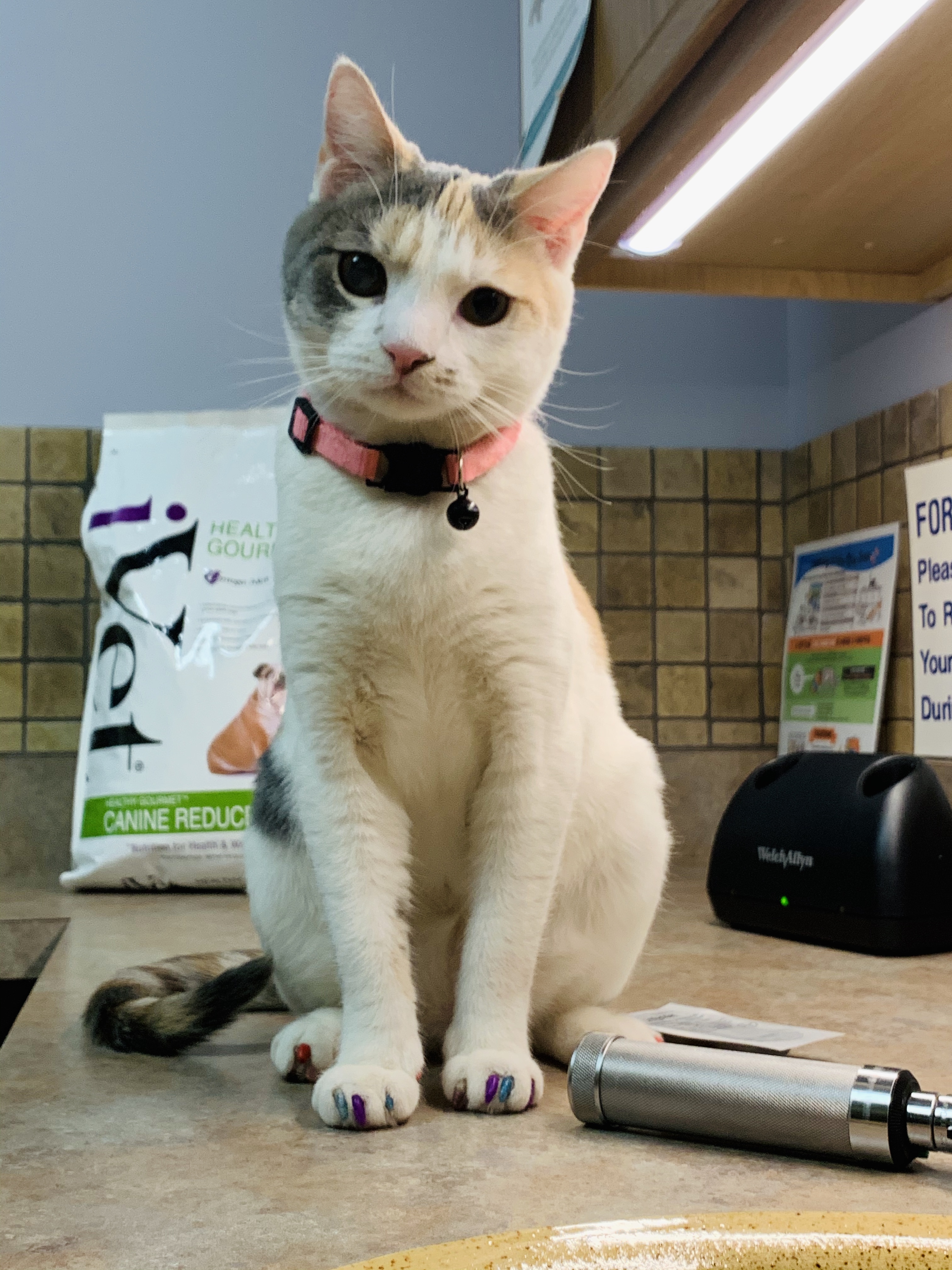
Hold your cat gently but firmly. Press the paw pad to extend the nail. Avoid cutting the pink part inside the nail. It is the quick and can bleed if cut. Trim only the sharp tip. Take off small bits at a time. Praise your cat after each paw.
Handling Nervous Cats
Choose a quiet room with no distractions. Use a calm voice and slow movements. Let your cat sniff the clippers first. Try short sessions to build trust. Give treats and gentle petting after trimming. If your cat resists, pause and try later.
Ear And Eye Care Essentials
Caring for a cat’s ears and eyes is very important. These areas need regular attention to keep your cat healthy. Clean ears prevent infections. Clear eyes stop discomfort and staining. Small steps can make a big difference.
Knowing how to care for your cat’s ears and eyes helps avoid common problems. It also makes grooming easier and more comfortable for your pet. Let’s explore the basics of ear and eye care.
Cleaning Ears Properly
Use a soft cloth or cotton ball for cleaning. Avoid cotton swabs; they can harm the ear canal. Look inside the ear for dirt or wax buildup. Gently wipe away the debris without pushing it deeper. Use a vet-approved ear cleaner if needed. Clean ears once every two weeks or as your cat needs. Watch for redness or strong odors, signs of infection.
Managing Tear Stains
Tear stains appear as dark marks under the eyes. They can be caused by allergies or blocked tear ducts. Wipe the area daily with a damp cloth or pet-safe wipe. Avoid harsh chemicals near the eyes. Keep the fur trimmed to reduce staining. Regular cleaning helps keep your cat’s face clean and fresh. If stains worsen, review your cat’s diet and environment.
When To Seek Veterinary Help
Notice if your cat scratches ears often or shakes its head. Look for swelling, redness, or discharge from eyes or ears. Persistent bad smell from ears signals infection. Excessive tearing or cloudy eyes need a vet check. Early treatment prevents serious health issues. Contact your vet if symptoms last more than a few days.
Credit: weareallaboutcats.com
Recognizing Signs Of Skin Issues
Recognizing signs of skin issues in cats is vital for their health and comfort. Cats cannot tell us when they feel itchy or sore. That is why observing their skin and coat regularly is important. Early detection helps prevent serious problems. Groomers play a key role in spotting these signs during grooming sessions.
Common Skin Problems In Cats
Cats often suffer from allergies that cause red, itchy skin. Hair loss or bald patches may show up in affected areas. Some cats develop scabs or crusty spots from scratching too much. Ringworm is a fungal infection that causes circular hairless patches. Dry, flaky skin can signal poor nutrition or dehydration. Watch for swelling, bumps, or unusual lumps on the skin.
Preventing Parasites
Fleas and ticks cause intense itching and skin irritation. Parasites can lead to infections if left untreated. Check your cat’s fur for tiny black specks or moving bugs. Use vet-recommended flea and tick preventatives regularly. Keep your cat’s bedding and living area clean and dry. Grooming helps remove dirt and parasites from the coat.
When To Consult A Vet
Seek veterinary advice if skin problems worsen or do not improve. Sudden hair loss, open wounds, or painful swelling need prompt attention. Persistent scratching or biting may indicate deeper health issues. A vet can diagnose infections, allergies, or parasites accurately. Early treatment reduces discomfort and prevents more serious illness. Trust your vet’s expertise for your cat’s skin care.
Tips For Regular Grooming Routine
Keeping a regular grooming routine helps your cat stay healthy and happy. It reduces hairballs, matting, and skin problems. A steady routine also makes grooming easier for both you and your cat. Here are some tips to keep grooming a positive experience.
Establishing A Grooming Schedule
Pick specific days and times for grooming sessions. Consistency helps your cat get used to the process. Short sessions work best. Start with five to ten minutes and increase slowly. Check your cat’s coat and skin regularly. Adjust the schedule based on your cat’s needs and coat type.
Incorporating Grooming Into Playtime
Combine grooming with your cat’s favorite activities. Use a soft brush during gentle play. This keeps your cat relaxed and distracted. Try brushing after a game or petting session. Keep the mood light and fun. This approach reduces stress and builds trust.
Rewarding Your Cat
Give treats or praise after grooming. Positive rewards encourage good behavior. Use small, healthy treats your cat likes. Speak softly and pet your cat gently. Rewards help your cat associate grooming with happiness. This makes future sessions easier and more enjoyable.
Credit: www.4pawsanimal.com
Frequently Asked Questions
What Tools Do Cat Groomers Commonly Use?
Cat groomers use brushes, combs, nail clippers, grooming scissors, and shampoos specially designed for cats. These tools help remove loose fur, prevent matting, and maintain skin health.
How Often Should A Cat Be Professionally Groomed?
Most cats benefit from professional grooming every 4 to 8 weeks. Regular grooming keeps their coat clean, reduces shedding, and prevents hairballs and skin issues.
Can Grooming Reduce My Cat’s Shedding?
Yes, regular grooming helps remove loose fur and decreases shedding. It also promotes healthy skin and reduces hairballs caused by excessive shedding.
Is It Safe To Groom A Cat At Home?
Yes, with the right tools and patience, home grooming is safe. Always use cat-specific products and avoid forcing your cat during grooming.
Conclusion
Grooming a cat takes patience and care. Regular brushing keeps fur smooth and clean. Trim nails safely to avoid hurting your cat. Use gentle tools made for cats. Watch your cat’s mood and stop if stressed. Clean ears and eyes as needed.
A calm, quiet space helps the process go well. With practice, grooming becomes easier for both. Your cat will feel happier and healthier. Keep a routine, and enjoy bonding time together. Simple steps make grooming less stressful for everyone.