
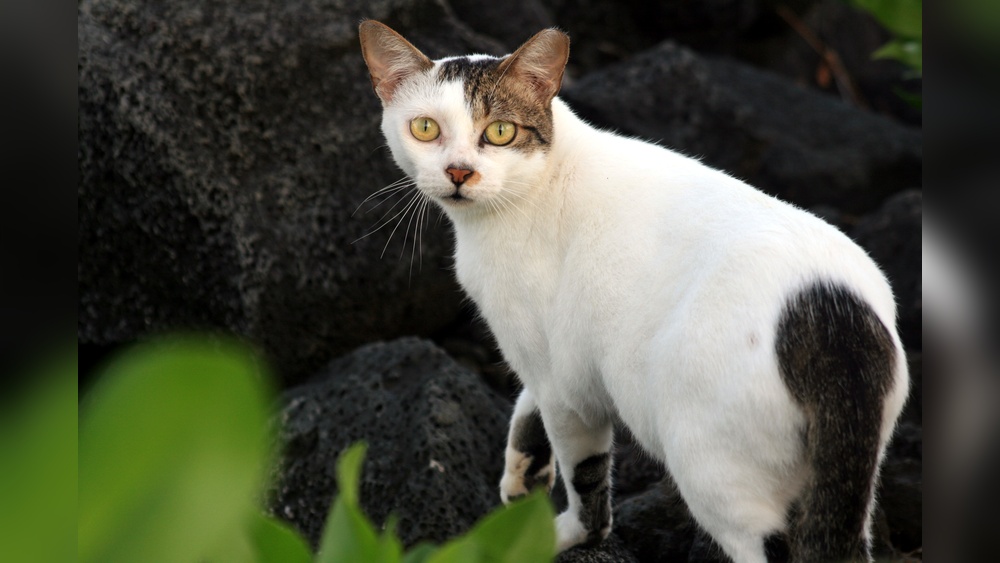
Have you ever wondered what happens when feral cats keep breeding? It’s a question that affects your neighborhood, your community, and even the well-being of these wild animals.
Understanding the truth about breeding feral cats can help you make smarter choices—whether it’s about supporting local shelters or protecting your own pets. Keep reading to uncover surprising facts that might change how you see these elusive creatures and what you can do to make a real difference.
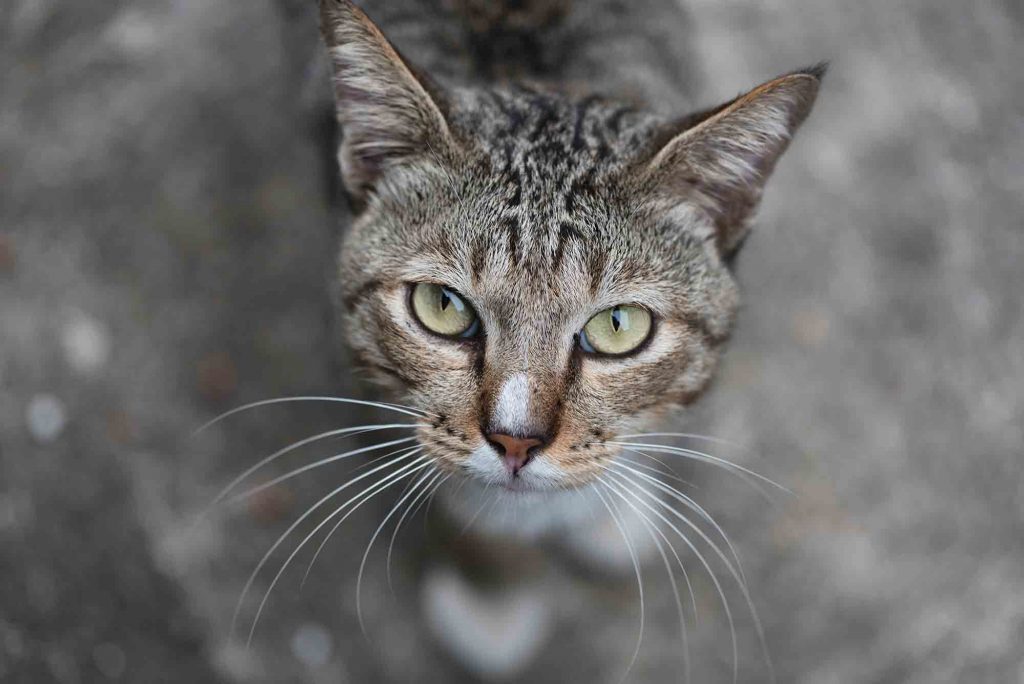
Credit: www.dupontvet.com
Feral Cat Populations
Feral cats live in many places around the world. They are wild cats that do not have a home or owner. These cats often form groups called colonies. Understanding feral cat populations helps us learn about their challenges and behaviors.
Feral cats can cause problems for people and wildlife. Their numbers can grow quickly if not controlled. This makes managing their populations important for communities and nature.
Origins And Growth
Feral cats usually come from lost or abandoned pets. They can also be born in the wild. Cats reproduce fast, with females having many kittens each year. This leads to rapid population growth in some areas.
Without help, feral cat colonies can expand quickly. Food sources and shelter affect how big these groups become. Urban areas often have large populations because of easy access to food.
Behavioral Traits
Feral cats are shy and avoid people. They hunt small animals for food. These cats are mostly active at night. They communicate using body language and sounds.
Unlike pets, feral cats do not like to be touched. They are good at hiding and escaping danger. Their behavior helps them survive in tough environments.
Risks Of Breeding Feral Cats
Breeding feral cats carries several serious risks. These risks affect the cats, the environment, and local communities. Understanding these dangers helps make better choices for feral cat populations.
Health Concerns
Feral cats often face poor health conditions. They can spread diseases like feline leukemia and parasites. Illnesses pass quickly in crowded groups. Breeding increases the number of vulnerable cats. This worsens health problems and can cause more suffering. Many feral cats do not get medical care or vaccines.
Environmental Impact
Feral cats harm wildlife by hunting birds and small animals. More cats mean more hunting pressure on local species. This can reduce animal numbers and harm ecosystems. Breeding feral cats leads to larger populations. These growing groups disrupt local balance and biodiversity. The environment struggles to recover from this damage.
Community Challenges
Growing feral cat populations create problems for neighborhoods. Noise from fighting and mating disturbs residents. Feral cats can damage property and gardens. More cats lead to more waste and smells. Communities may face higher costs for control efforts. People may feel unsafe or frustrated by large feral cat groups.
Common Misconceptions
Many people have wrong ideas about breeding feral cats. These ideas cause confusion and wrong actions. Understanding the truth helps us handle feral cats better. Clearing up these myths is very important for their care and control.
Myth Vs Reality
Some believe breeding feral cats will control their numbers. This is not true. Breeding only makes more cats, not fewer. Another myth says feral cats should be left alone. But they face dangers like disease and hunger. People think feral cats are wild and cannot be tamed. Many feral cats can become friendly with care. Knowing facts stops harmful actions and helps cats live better.
Effectiveness Of Breeding
Breeding feral cats does not reduce their population. It causes more kittens to be born. This adds to the problem instead of solving it. Programs like trap-neuter-return (TNR) work better. They stop cats from having more babies. Breeding also risks spreading diseases. It is not a good method to manage feral cats. Careful, humane methods protect both cats and communities.
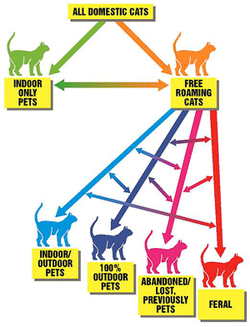
Credit: www.catspanferals.com
Responsible Management Methods
Managing feral cat populations requires thoughtful and humane actions. Responsible methods help control numbers and improve cats’ lives. These approaches also protect local wildlife and communities. Effective management supports balance and reduces problems caused by unregulated breeding.
Trap-neuter-return (tnr)
Trap-Neuter-Return is a widely used method to manage feral cats. Cats are safely trapped, then spayed or neutered. After recovery, they are returned to their original location. This process stops them from breeding and growing the population. TNR helps stabilize cat colonies over time. It also lowers the spread of diseases and reduces nuisance behaviors like yowling and fighting.
Adoption And Socialization
Some feral cats can become pets with proper care. Socialization involves gentle handling and patience. Kittens adapt more easily to human homes. Adoption gives these cats a safe and loving environment. This approach saves lives and reduces the feral cat population in the long run. It also helps people connect with animals that need homes.
Community Involvement
Community support is key to managing feral cats responsibly. Volunteers can assist with TNR and feeding programs. Local groups often raise funds for veterinary care. Public education raises awareness about feral cat issues. Cooperation between neighbors reduces conflicts and promotes kindness. Active communities create safer spaces for cats and people alike.
Legal And Ethical Considerations
Breeding feral cats involves more than just caring for animals. It requires careful thought about laws and moral duties. Understanding these factors helps protect cats and communities alike. Responsible actions create safer environments for everyone.
Local Regulations
Many places have rules about breeding feral cats. These laws control how cats are managed. Some areas require permits or licenses. Others forbid breeding feral cats altogether. Knowing local laws avoids fines and legal trouble. Authorities may also enforce trapping and neutering programs.
Animal Welfare Concerns
Breeding feral cats raises serious welfare issues. These cats often face poor health and harsh conditions. Breeding can increase suffering and overpopulation risks. Many feral cats lack proper food and shelter. Ethical care means preventing more stray kittens. Spaying and neutering help control feral cat numbers. Protecting cats means focusing on health and safety first.

Credit: pestsmart.org.au
Frequently Asked Questions
What Does Breeding Feral Cats Mean?
Breeding feral cats refers to uncontrolled mating among wild or stray cats. It leads to overpopulation and more feral kittens. This cycle worsens animal welfare and community issues.
Why Is Breeding Feral Cats A Problem?
Breeding feral cats causes overpopulation, spreading diseases, and environmental harm. It increases animal suffering and strain on local shelters. Controlling breeding helps reduce these negative impacts.
How Can Feral Cat Breeding Be Controlled?
Feral cat breeding is controlled through Trap-Neuter-Return (TNR) programs. Cats are trapped, spayed or neutered, then returned to their habitat. This method reduces reproduction and stabilizes feral populations.
Is Breeding Feral Cats Harmful To Communities?
Yes, feral cat breeding can harm communities. It causes noise, property damage, and health risks from diseases. Managing breeding helps improve public safety and neighborhood quality.
Conclusion
Breeding feral cats causes many problems for communities. It leads to more homeless cats and health risks. Controlling their numbers helps protect wildlife and public health. Trap, neuter, and return programs work best to manage feral cats. Caring for these animals responsibly makes neighborhoods safer and cleaner.
Everyone can help by supporting humane solutions and spreading awareness. The key is to act kindly but wisely. Together, we can reduce feral cat overpopulation and improve lives for people and animals.